Managing diabetes can feel like a complex journey, but adopting a vegan diet offers a powerful, plant-based path to better blood sugar control and overall health. Far from restrictive, a well-planned vegan diabetic diet can be incredibly delicious, diverse, and nutrient-dense, helping individuals stabilize glucose levels, manage weight, and reduce the risk of diabetes-related complications. This comprehensive guide will walk you through the essentials of crafting an effective vegan meal plan for diabetes, empowering you to nourish your body and thrive.
Understanding the Vegan Diabetic Diet
A vegan diet for diabetes isn’t just about cutting out animal products; it’s about embracing a wealth of whole, unprocessed plant foods that are naturally rich in fiber, vitamins, minerals, and antioxidants. This approach can be particularly beneficial for managing both Type 1 and Type 2 diabetes, often leading to improved insulin sensitivity and better blood glucose regulation.
Why Go Vegan for Diabetes Management?
- Improved Insulin Sensitivity: Studies suggest that plant-based diets can significantly improve insulin sensitivity, especially in individuals with Type 2 diabetes, often leading to reduced medication needs.
- Better Blood Sugar Control: High fiber content in plant foods slows down sugar absorption, preventing sharp spikes in blood glucose.
- Weight Management: Vegan diets are typically lower in calories and saturated fat, making weight loss and maintenance easier, which is crucial for diabetes management.
- Reduced Inflammation: Plant foods are packed with anti-inflammatory compounds that can protect against diabetes complications.
- Heart Health Benefits: Lower intake of saturated fat and cholesterol helps protect cardiovascular health, a significant concern for people with diabetes.
Key Nutrients to Focus On
While a vegan diet naturally provides many benefits, specific nutrients are particularly important for diabetes management:
- Fiber: Crucial for slowing glucose absorption and promoting satiety. Found in fruits, vegetables, whole grains, and legumes.
- Complex Carbohydrates: Provide sustained energy without rapid blood sugar spikes. Prioritize whole grains over refined ones.
- Lean Plant Proteins: Help stabilize blood sugar, promote fullness, and support muscle maintenance. Examples include beans, lentils, tofu, tempeh, and seitan.
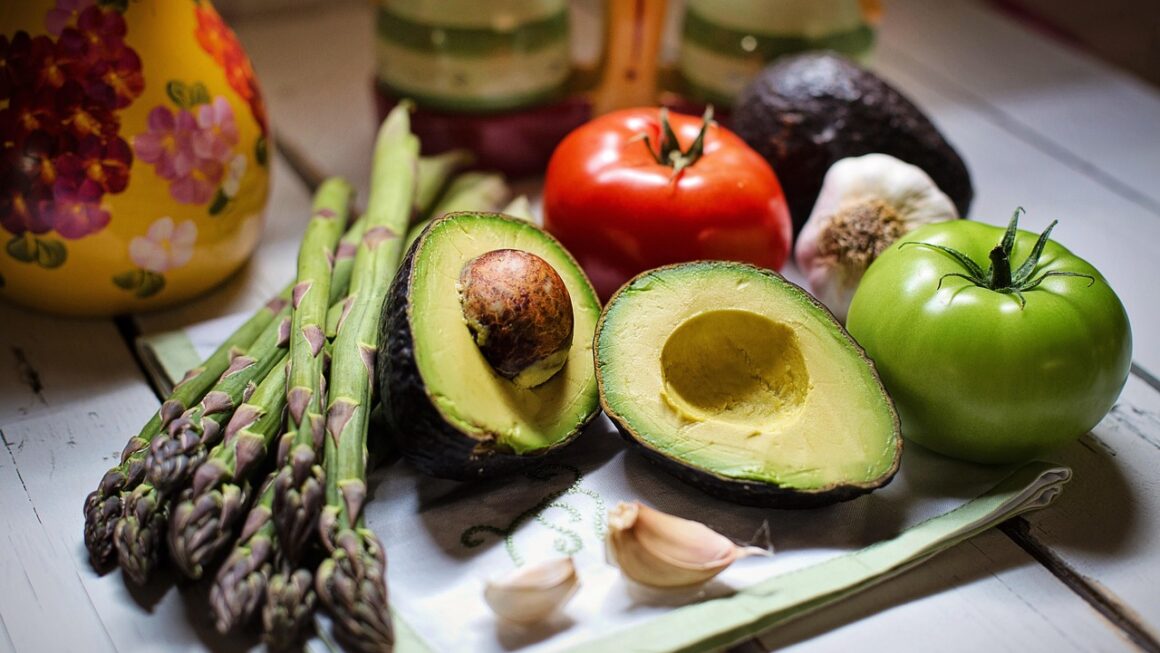
- Healthy Fats: Essential for hormone production and nutrient absorption, and can improve insulin sensitivity. Think avocados, nuts, seeds, and olive oil.
- Vitamin B12: Often supplemented on a vegan diet, it’s vital for nerve health, which can be affected by diabetes.
- Vitamin D and Calcium: Important for bone health; fortified plant milks and certain greens are good sources.
Building Your Vegan Diabetic Meal Plan Foundation
Creating a balanced vegan meal plan for diabetes requires attention to macronutrient distribution, food choices, and portion control. The goal is to maximize nutrient intake while minimizing foods that can negatively impact blood sugar.
Macronutrient Balance for Stable Blood Sugar
A typical recommendation for a diabetic-friendly vegan diet often emphasizes:
- Complex Carbohydrates (45-60% of calories): Focus on whole, unprocessed sources like oats, quinoa, brown rice, sweet potatoes, and whole-wheat bread. These are fiber-rich and have a lower glycemic impact.
- Protein (20-30% of calories): Essential for satiety and blood sugar stabilization. Incorporate legumes, tofu, tempeh, seitan, and plant-based protein powders if needed.
- Healthy Fats (15-30% of calories): Prioritize monounsaturated and polyunsaturated fats from avocados, nuts, seeds, and olive oil. Limit trans fats and excessive saturated fats found in some processed vegan foods.
Understanding Glycemic Index (GI) and Glycemic Load (GL)
These tools help predict how different carbohydrate-containing foods affect blood sugar levels:
- Glycemic Index (GI): Ranks carbohydrates on a scale of 0 to 100 based on how quickly they raise blood sugar.
- Low GI foods (<55): Most non-starchy vegetables, berries, legumes, oats, quinoa. These are preferred.
- Medium GI foods (56-69): Whole wheat bread, brown rice, sweet potato. Consume in moderation.
- High GI foods (>70): White bread, white rice, sugary drinks, processed snacks. Limit these significantly.
- Glycemic Load (GL): Takes into account both the GI and the amount of carbohydrates in a serving, giving a more realistic picture of a food’s impact. Aim for lower GL choices.
The Importance of Portion Control
Even healthy vegan foods can raise blood sugar if consumed in large quantities. Learn to recognize appropriate portion sizes for:
- Starchy vegetables and grains: Roughly the size of your cupped hand.
- Legumes and plant proteins: Palm of your hand.
- Healthy fats (nuts/seeds): A small handful.
- Non-starchy vegetables: Fill half your plate!
Essential Vegan Diabetic Foods: Your Pantry Staples
Stocking your kitchen with the right ingredients is half the battle. Focus on whole, minimally processed plant foods that are naturally low in sugar and high in fiber and nutrients.
Whole Grains for Sustained Energy
These provide complex carbohydrates and vital fiber, contributing to steady blood sugar.
- Oats: (steel-cut or rolled) Excellent for breakfast.
- Quinoa: A complete protein, versatile for salads and main dishes.
- Brown Rice/Wild Rice: Healthier alternatives to white rice.
- Barley: High in soluble fiber.
- Whole Wheat Pasta/Bread: Choose 100% whole grain varieties.
Legumes and Plant Proteins: The Powerhouses
Rich in protein and fiber, these are foundational to a vegan diabetic diet.
- Lentils: Red, green, brown – incredibly versatile and quick to cook.
- Beans: Black beans, kidney beans, chickpeas, pinto beans – great in stews, salads, and as burger bases.
- Tofu & Tempeh: Fermented soy products offering complete protein and a firm texture.
- Edamame: Perfect as a snack or added to stir-fries.
- Seitan: Wheat gluten, a chewy protein-rich meat substitute.
Non-Starchy Vegetables: Eat Your Fill!
These are low in calories and carbohydrates, high in fiber, vitamins, and minerals. They can be eaten in abundance.
- Leafy Greens: Spinach, kale, collard greens, romaine lettuce.
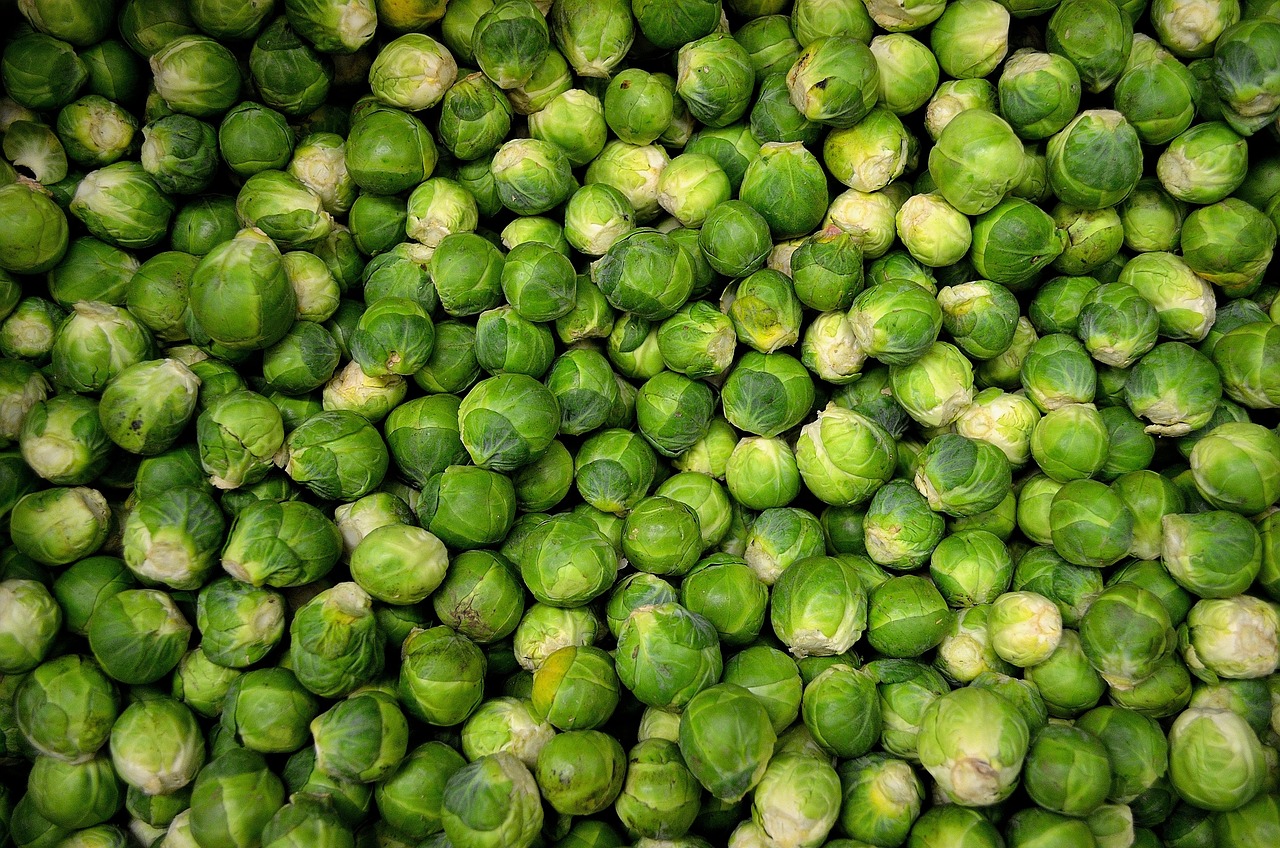
- Cruciferous Vegetables: Broccoli, cauliflower, Brussels sprouts, cabbage.
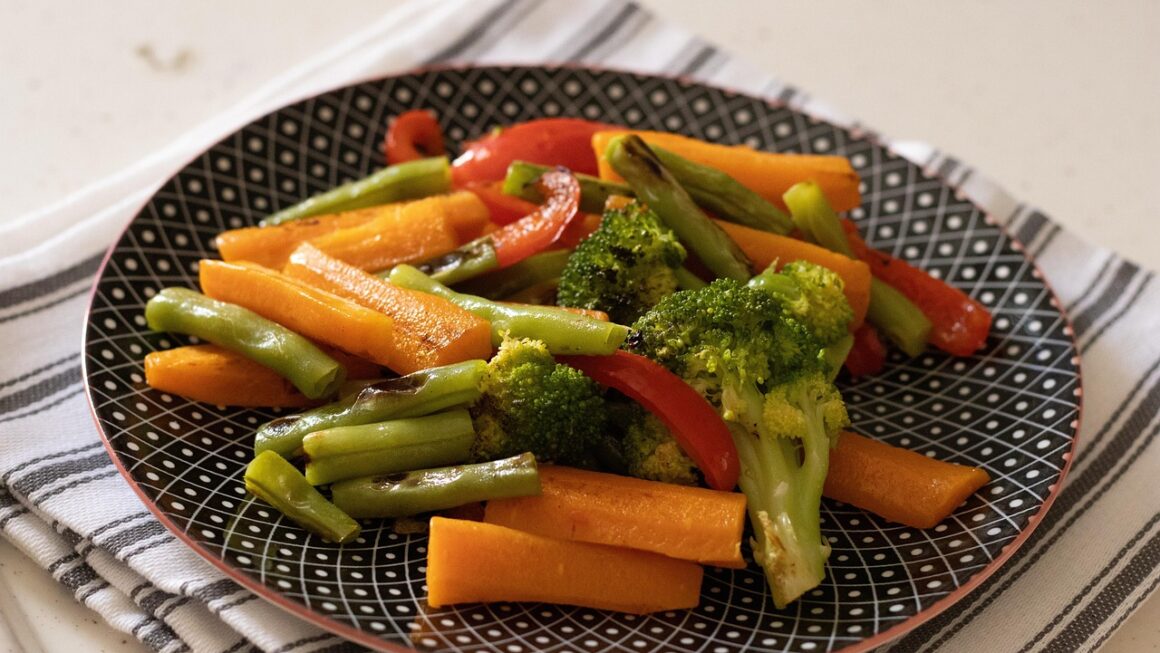
- Other Favorites: Bell peppers, zucchini, cucumber, mushrooms, asparagus, green beans.
Healthy Fats, Nuts, and Seeds
Provide essential fatty acids, aid in nutrient absorption, and help with satiety.
- Avocados: Rich in monounsaturated fats.
- Nuts: Almonds, walnuts, pistachios (in moderation).
- Seeds: Chia seeds, flax seeds, hemp seeds (great sources of omega-3s).
- Olive Oil: For cooking and dressings (use in moderation).
Sample Vegan Diabetic Meal Plan (1-Day Example)
This sample plan illustrates how a day of eating might look, focusing on balanced meals, fiber, and protein for sustained energy and blood sugar control.
Breakfast
- Option 1: Oatmeal Power Bowl: 1/2 cup rolled oats cooked with water or unsweetened plant milk, topped with 1/4 cup berries (like blueberries), 1 tablespoon chia seeds, and a sprinkle of chopped walnuts.
- Option 2: Tofu Scramble with Veggies: 4 oz firm tofu crumbled and sautéed with spinach, bell peppers, onions, and turmeric (for color), served with 1 slice of 100% whole-wheat toast.
Lunch
- Option 1: Lentil & Vegetable Soup: A large bowl of homemade lentil soup packed with carrots, celery, kale, and tomatoes, served with a side salad dressed with olive oil and vinegar.
- Option 2: Quinoa Salad with Chickpeas: 1 cup cooked quinoa mixed with 1/2 cup chickpeas, chopped cucumber, tomatoes, bell peppers, fresh parsley, and a lemon-tahini dressing.
Dinner
- Option 1: Tempeh Stir-fry: 4 oz tempeh cubed and stir-fried with plenty of broccoli, snow peas, mushrooms, and a low-sodium soy sauce or tamari, served over 1/2 cup brown rice.
- Option 2: Black Bean Burgers: Two homemade black bean burgers (made with oats for binding) served bunless over a large bed of mixed greens with avocado slices, salsa, and a side of roasted asparagus.
Snacks (Choose 1-2 per day)
- A small apple with 1 tablespoon almond butter.
- A handful of raw almonds (about 1/4 cup).
- Vegetable sticks (carrots, celery, bell peppers) with 2 tablespoons hummus.
- 1/2 cup edamame in pods.
Practical Tips for Success & Common Challenges
Adopting a vegan diabetic diet is a journey, and having practical strategies can make all the difference in achieving long-term success and managing potential hurdles.
Meal Prep and Planning is Key
Failing to plan is planning to fail, especially with diabetes.
- Batch Cooking: Cook larger quantities of grains, legumes, and roasted vegetables at the beginning of the week.
- Pre-Portion Snacks: Divide nuts, seeds, and chopped veggies into individual containers.
- Plan Your Meals: Have a rough outline of what you’ll eat for breakfast, lunch, and dinner each day to avoid last-minute, less healthy choices.
Monitoring Blood Sugar
Regularly checking your blood glucose levels is paramount.
- Track Your Intake: Keep a food diary to correlate specific meals with blood sugar readings. This helps you identify which foods work best for your body.
- Work with Your Healthcare Team: Adjust medications as needed with your doctor or endocrinologist based on your diet changes and blood sugar response.
Staying Hydrated
Water is essential for everyone, but particularly important for people with diabetes.
- Drink Plenty of Water: Aim for 8-10 glasses of water daily.
- Avoid Sugary Beverages: Steer clear of sodas, fruit juices (even 100% pure juice), and sweetened teas, as they can cause rapid blood sugar spikes.
Addressing Potential Nutrient Deficiencies
While a well-planned vegan diet is incredibly healthy, certain nutrients might need attention.
- Vitamin B12: This is the most crucial supplement for vegans. Consider a B12 supplement or consume B12-fortified foods regularly.
- Vitamin D: Get adequate sun exposure or consider a supplement, especially in winter months.
- Omega-3 Fatty Acids: Include flaxseeds, chia seeds, hemp seeds, and walnuts regularly, or consider an algae-based DHA/EPA supplement.
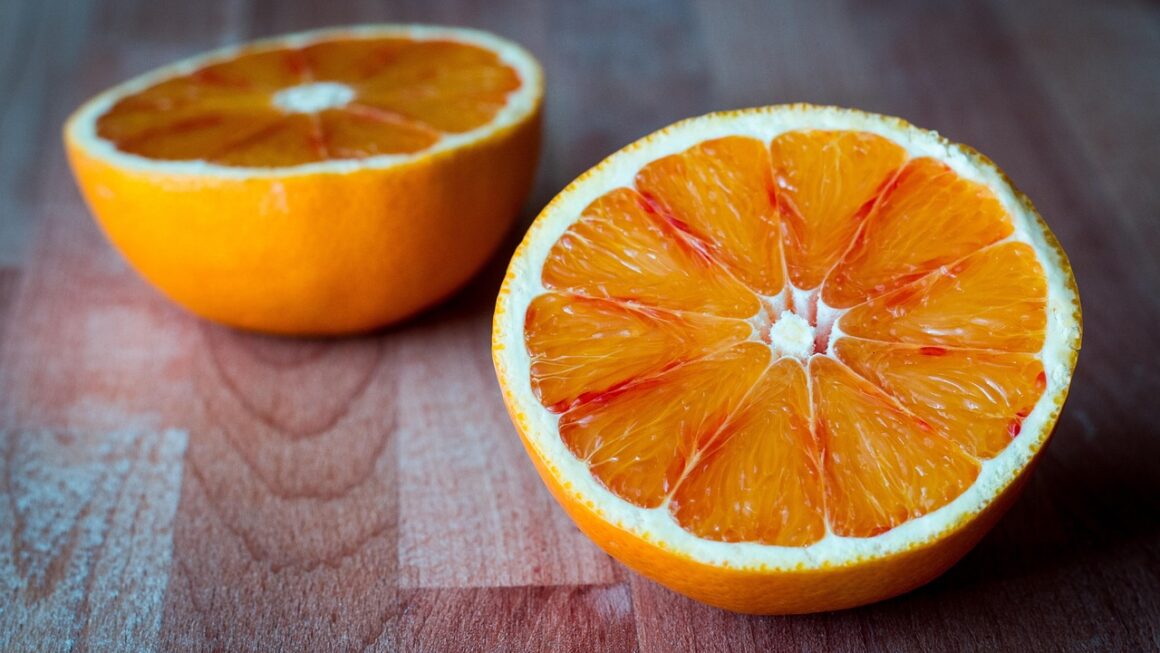
- Iron: Pair iron-rich plant foods (lentils, spinach) with Vitamin C sources (bell peppers, oranges) to enhance absorption.
Conclusion
Embracing a vegan diabetic diet offers a powerful and proactive approach to managing your health. By focusing on whole, unprocessed plant foods rich in fiber, lean protein, and healthy fats, you can significantly improve blood sugar control, support weight management, and reduce the risk of diabetes complications. This journey requires planning and awareness, but the rewards—a vibrant plate and a healthier, more energetic you—are truly profound. Always consult with your doctor or a registered dietitian before making significant dietary changes, especially when managing a chronic condition like diabetes, to ensure your plan is tailored to your individual needs.