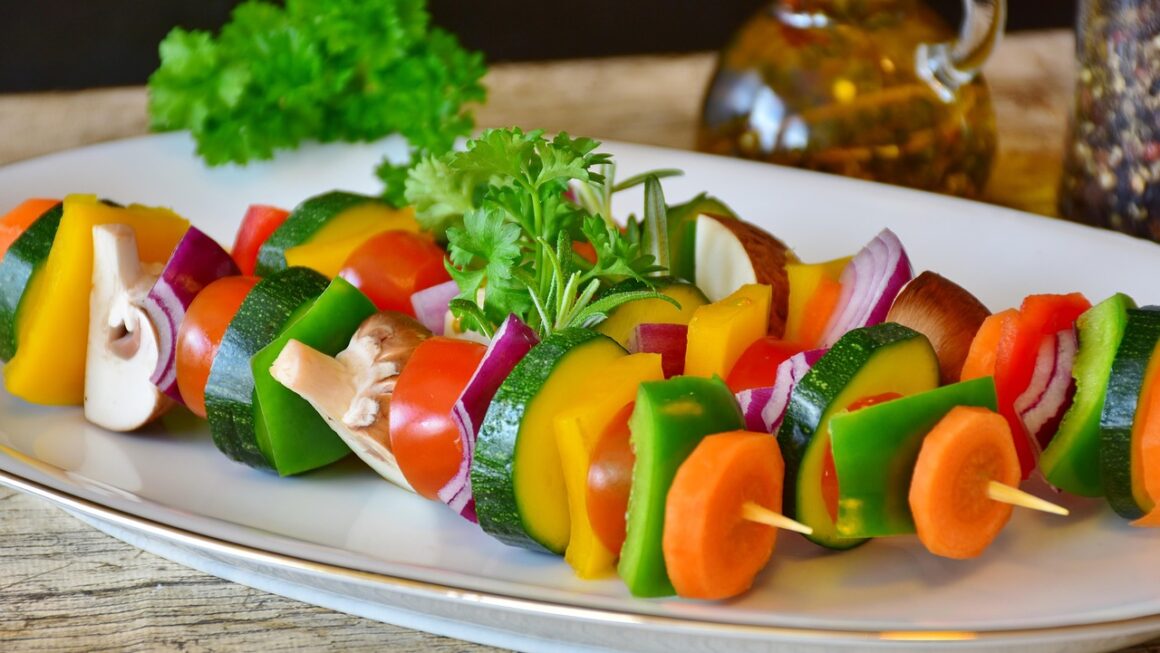

Embarking on a ketogenic lifestyle doesn’t mean sacrificing delicious, satisfying meals, especially when it comes to dinner. Often considered the most challenging meal to keep low-carb, keto dinners can be both flavorful and simple to prepare, becoming a cornerstone of your health journey. Whether you’re aiming for weight loss, improved blood sugar control, or sustained energy, mastering the art of the keto dinner is essential. This comprehensive guide will equip you with the knowledge, inspiration, and practical tips to create incredible low-carb evening meals that you’ll look forward to every night.
Understanding the Keto Dinner Blueprint
The success of your ketogenic diet hinges on adhering to specific macronutrient ratios, and dinner is a crucial meal for hitting those targets. A well-planned keto dinner will keep you satiated, support ketosis, and provide your body with vital nutrients.
What Makes a Keto Dinner?
A true keto dinner is designed around a high intake of healthy fats, a moderate amount of protein, and a very low carbohydrate count. The goal is to keep your net carbs typically under 20-50 grams per day, allowing your body to switch from burning glucose to burning fat for fuel, a metabolic state known as ketosis.
- High Fat: Provides energy and satiety.
- Moderate Protein: Essential for muscle maintenance and repair, but not in excess to avoid gluconeogenesis.
- Very Low Carb: Primarily from non-starchy vegetables, to maintain ketosis.
Key Macronutrients for Success
Understanding which foods fall into each category is fundamental for building balanced and delicious keto dinners.
- Healthy Fats:
- Avocado & Avocado Oil: Rich in monounsaturated fats.
- Olive Oil: Extra virgin for dressings and finishing.
- Coconut Oil & MCT Oil: Easily converted to ketones.
- Butter & Ghee: Grass-fed options are preferred.
- Fatty Meats: Salmon, bacon, dark-meat poultry with skin.
- Nuts & Seeds: Macadamia nuts, pecans, chia seeds, flax seeds (in moderation).
- Quality Proteins:
- Red Meat: Beef, lamb, pork.
- Poultry: Chicken, turkey.
- Fish & Seafood: Salmon, tuna, shrimp, cod.
- Eggs: A versatile and complete protein source.
- Low-Carb Vegetables:
- Leafy Greens: Spinach, kale, romaine, arugula.
- Cruciferous Vegetables: Broccoli, cauliflower, Brussels sprouts, cabbage.
- Other Non-Starchy Veggies: Zucchini, asparagus, bell peppers (in moderation), mushrooms.
Actionable Takeaway: Prioritize whole, unprocessed foods. Always check nutritional labels for hidden carbs in sauces, dressings, and processed items. Focus on pairing a quality protein with plenty of healthy fats and a generous serving of non-starchy vegetables.
Delicious & Easy Keto Dinner Ideas
The ketogenic diet opens up a world of culinary possibilities. Forget bland diet food; keto dinners are designed to be rich, flavorful, and incredibly satisfying. Here are some ideas to inspire your next low-carb evening meal.
Classic Keto Staples
These are go-to meals that are naturally low in carbs and high in fat and protein, perfect for any night of the week.
- Grilled Salmon with Asparagus and Lemon Butter Sauce: A nutrient powerhouse, rich in omega-3s.
- Steak with Creamed Spinach: A luxurious and comforting classic that’s inherently keto-friendly.
- Roast Chicken Thighs with Roasted Broccoli and Garlic: Chicken thighs are more flavorful and fattier than breasts, ideal for keto.
- Keto Chili (No Beans): Use ground beef, tomatoes (in moderation), chili powder, and plenty of cheese and sour cream for topping.
- Bunless Burgers with Avocado and Bacon: Serve with a side salad instead of fries.
Quick Weeknight Solutions
Life gets busy, but that doesn’t mean your keto dinners have to suffer. These ideas are designed for speed and convenience without compromising your macros.
- Sheet Pan Meals: Toss protein (e.g., sausage, chicken pieces) and non-starchy vegetables (e.g., bell peppers, zucchini, broccoli florets) with olive oil and spices, then roast on one sheet pan until cooked through. Minimal cleanup!
- One-Pan Skillet Dinners: Sauté garlic butter shrimp with zucchini noodles or chicken and mushroom cream sauce.
- Tuna or Salmon Salad Lettuce Wraps: Mix canned tuna/salmon with mayo, celery, and herbs. Serve in large lettuce cups for a quick, no-cook option.
- Omelets or Scrambled Eggs with Cheese and Spinach: Don’t underestimate breakfast for dinner! Add bacon or sausage for extra fat and protein.
Vegetarian Keto Options
While often challenging, a well-planned vegetarian keto dinner is entirely possible, focusing on eggs, cheese, healthy fats, and low-carb plant-based proteins.
- Halloumi “Steaks” with Roasted Mediterranean Vegetables: Pan-fried halloumi offers a satisfying texture and good fat content.
- Tofu or Tempeh Scramble with Spinach and Avocado: A versatile dish, seasoned with nutritional yeast for a cheesy flavor.
- Cauliflower Rice Stir-fry with Eggs and Peanuts: Use plenty of sesame oil, soy sauce (or tamari), and ginger.
- Large Salad with Hard-Boiled Eggs, Cheese, Nuts, and Olives: Drizzle with a rich olive oil dressing.
Actionable Takeaway: Don’t be afraid to experiment with different flavor profiles and cooking methods. Keep a variety of keto-friendly ingredients on hand to whip up quick and satisfying meals. Look for “keto-friendly” labels on sauces and condiments to simplify your choices.
Mastering Keto Dinner Meal Prep
Meal preparation is arguably one of the most effective strategies for long-term success on the ketogenic diet. By planning and preparing your keto dinners in advance, you’re setting yourself up for adherence, convenience, and delicious consistency.
Why Meal Prep is Essential for Keto
A little planning goes a long way, especially when your goal is to maintain a strict low-carb intake.
- Saves Time & Reduces Stress: No last-minute decisions or scrambling for ingredients after a long day.
- Ensures Adherence: Having prepped meals prevents you from reaching for non-keto convenience foods when hunger strikes.
- Portion Control: Helps you accurately track macronutrients and avoid overeating.
- Cost-Effective: Buying in bulk and cooking at home is generally cheaper than eating out.
- Reduces Food Waste: You’re more likely to use all your groceries when you have a plan.
Practical Meal Prep Strategies
Break down the meal prep process into manageable steps to make it less daunting.
- Plan Your Menu: Choose 2-3 keto dinner recipes for the week.
- Grocery Shop: Buy all necessary ingredients. Stick to your list!
- Batch Cook Proteins: Roast a large chicken, cook a big batch of ground beef or turkey, or bake several salmon fillets.
- Chop Vegetables: Wash, chop, and store non-starchy vegetables like broccoli, cauliflower, bell peppers, and zucchini.
- Prepare Sauces & Dressings: Make your own keto-friendly dressings or sauces in advance.
- Assemble & Portion: Combine cooked proteins, fats, and vegetables into individual airtight containers.
Storage Tips
Proper storage ensures your prepped meals stay fresh and safe to eat throughout the week.
- Airtight Containers: Glass containers are excellent as they don’t absorb odors and are microwave-safe.
- Refrigeration: Most cooked keto meals can be stored safely in the refrigerator for 3-4 days.
- Freezing: Cooked meats and many keto casseroles freeze well for longer storage (up to 2-3 months). Label containers with the date.
- Separate Components: Sometimes it’s better to store wet and dry components separately (e.g., dressing separate from salad greens) to maintain freshness.
Actionable Takeaway: Dedicate an hour or two on a weekend to plan and prep your keto dinners. Start simple with one or two recipes and gradually build your meal prep routine. Your future self will thank you!
Avoiding Common Keto Dinner Pitfalls
Even with the best intentions, it’s easy to stumble into common traps on a ketogenic diet. Being aware of these pitfalls can help you stay in ketosis and reap the full benefits of your efforts.
Hidden Carbs to Watch Out For
Carbohydrates can lurk in unexpected places, especially in processed foods and condiments.
- Sauces and Marinades: Many store-bought options are loaded with sugar (e.g., BBQ sauce, teriyaki, ketchup, some salad dressings). Opt for sugar-free versions or make your own.
- “Low-Fat” Products: These often compensate for flavor by adding sugar or starches. Always choose full-fat options.
- Artificial Sweeteners: While some are keto-friendly (erythritol, stevia, monk fruit), others can still spike blood sugar or contain fillers. Read labels carefully.
- Certain Vegetables: While many vegetables are keto-friendly, starchy ones like potatoes, corn, peas, and carrots (in large amounts) can quickly push you over your carb limit.
The Importance of Electrolytes
When you reduce carbohydrates, your body flushes out more water and, with it, essential electrolytes. Replenishing these is crucial to avoid symptoms of the “keto flu.”
- Sodium: Use generous amounts of salt on your food and consider sipping on bone broth.
- Potassium: Found in avocados, spinach, mushrooms, and salmon.
- Magnesium: Dark leafy greens, nuts, seeds, and avocados are good sources. Consider a supplement if needed.
Actionable Takeaway: Be a label detective! Always check the nutrition facts for total and net carbs, especially on packaged goods. Pay attention to how your body feels and proactively replenish electrolytes, particularly during the initial adaptation phase.
Benefits Beyond the Plate: Why Keto Dinners Matter
Beyond simply satisfying your hunger, strategic keto dinners play a significant role in achieving and maintaining the numerous health benefits associated with a ketogenic lifestyle.
Weight Management
Keto dinners contribute significantly to sustainable weight loss by promoting satiety and encouraging your body to burn fat for fuel.
- Increased Satiety: High fat and moderate protein content keep you feeling fuller for longer, reducing overall calorie intake.
- Fat Burning: By consistent low-carb eating, your body enters ketosis, efficiently burning stored fat for energy, including body fat.
- Reduced Cravings: Stable blood sugar levels help curb cravings for sugary and carb-heavy foods.
Blood Sugar Control
For individuals with insulin resistance, type 2 diabetes, or those looking to prevent it, keto dinners can be profoundly beneficial.
- Lower Insulin Response: Eliminating high-carb foods dramatically reduces post-meal blood sugar spikes and subsequent insulin release.
- Stable Energy: Without the rollercoaster of blood sugar highs and lows, energy levels remain more consistent throughout the evening and into the next day.
Sustained Energy & Mental Clarity
Many individuals report improved cognitive function and sustained energy levels once adapted to burning ketones.
- Ketones as Fuel: Your brain can efficiently use ketones for energy, often leading to greater focus and mental sharpness.
- No “After-Dinner Slump”: Avoiding a carb-heavy meal prevents the typical post-dinner fatigue, allowing for more productive evenings.
Reduced Inflammation
A ketogenic diet, particularly when focused on whole, unprocessed foods, can help reduce systemic inflammation in the body.
- Emphasis on Whole Foods: Keto encourages the consumption of nutrient-dense vegetables, healthy fats, and quality proteins, which are often anti-inflammatory.
- Elimination of Inflammatory Foods: Processed sugars, refined grains, and unhealthy oils (often found in high-carb processed foods) are typically excluded.
Actionable Takeaway: View your keto dinner as an investment in your health. Each mindful choice contributes to better weight management, stable blood sugar, clearer thinking, and a reduction in inflammation. Celebrate these victories!
Conclusion
Crafting delicious and effective keto dinners is a rewarding aspect of the ketogenic lifestyle. By understanding the core principles of high fat, moderate protein, and low carbs, exploring a variety of enticing recipes, mastering meal prep techniques, and sidestepping common pitfalls, you can consistently enjoy evening meals that are both incredibly satisfying and profoundly beneficial for your health goals. From quick weeknight solutions to gourmet keto staples, the possibilities for flavorful, low-carb feasting are endless. Embrace the journey and discover how truly amazing keto dinners can be, supporting your weight loss, improving your energy, and transforming your overall well-being.