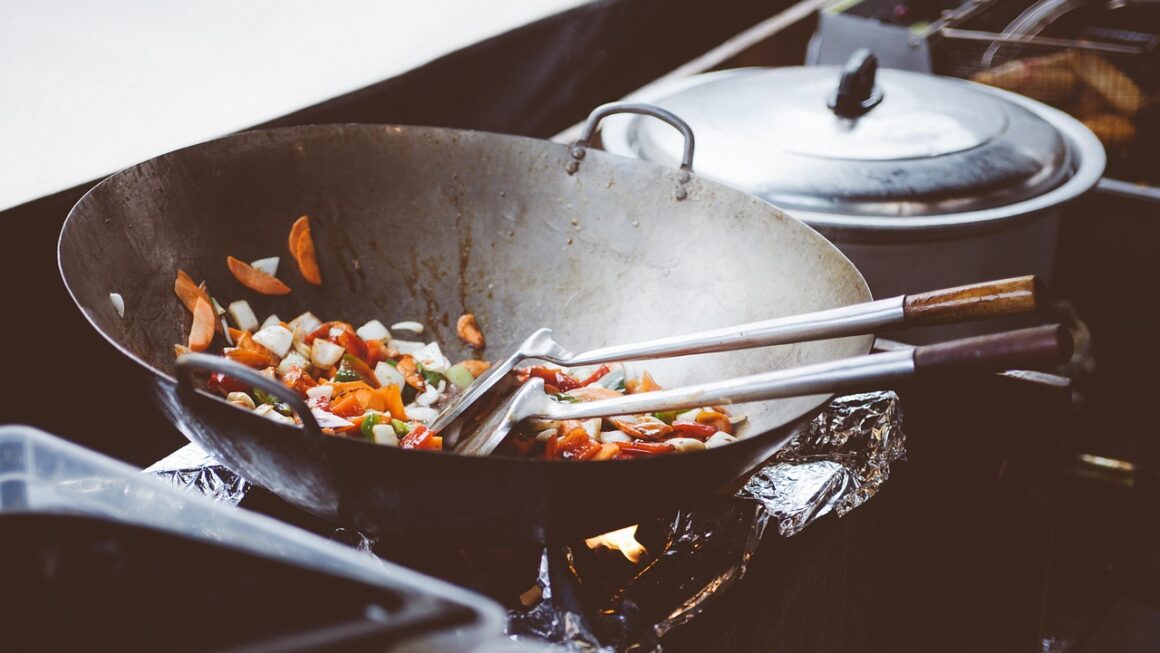

The ketogenic diet has revolutionized the way many approach health and weight management, thanks to its focus on low-carb, high-fat eating. While the results can be remarkable, maintaining variety and avoiding meal fatigue can be a common challenge. Enter the keto bowl – a culinary game-changer that combines convenience, flavor, and macronutrient precision into one satisfying dish. Forget monotonous meals; keto bowls offer an exciting, customizable, and incredibly delicious way to stay committed to your low-carb journey. They’re not just a trend; they’re a sustainable strategy for enjoying wholesome, fulfilling ketogenic meals every day.
What Exactly Are Keto Bowls?
At its core, a keto bowl is a deconstructed meal, carefully assembled to adhere to ketogenic principles: very low in carbohydrates, moderate in protein, and high in healthy fats. Think of it as a canvas where each component plays a vital role in delivering both nutrition and flavor. Unlike a traditional plate, a bowl encourages layering and mixing, creating a dynamic eating experience that keeps your taste buds excited and your body fueled.
The Foundational Principles of Keto Bowls
- Low-Carb Base: The foundation is always a non-starchy, low-carb vegetable or alternative.
- Protein Power: A significant portion of the bowl is dedicated to a high-quality protein source.
- Healthy Fats: Abundant sources of healthy fats are included to ensure satiety and fat-adaptation.
- Vibrant Vegetables: A colorful array of non-starchy vegetables adds essential micronutrients and fiber.
- Flavorful Toppings & Dressings: These elevate the bowl, tying all the components together.
Why Keto Bowls Are a Game-Changer for the Ketogenic Diet
Adopting keto bowls into your routine offers a multitude of benefits that extend beyond mere meal preparation:
- Unmatched Versatility & Customization: The possibilities are truly endless. You can mix and match ingredients based on your cravings, what’s in season, or what you have on hand, ensuring you never get bored.
- Simplified Meal Prep: By preparing individual components in advance, you can assemble delicious, fresh meals in minutes throughout the week. This makes sticking to your macros incredibly easy, even on busy days.
- Optimal Nutrient Density: Keto bowls are typically packed with a wide array of nutrient-rich vegetables, quality proteins, and healthy fats, ensuring you get essential vitamins, minerals, and antioxidants.
- Enhanced Satiety & Cravings Control: The combination of high-fat and moderate-protein ingredients in a keto bowl promotes profound satiety, helping to reduce hunger pangs and curb unhealthy cravings, which is crucial for weight management and sustained energy.
- Portion Control Made Easy: Assembling meals in a bowl often provides a visual cue for appropriate portion sizes, making it simpler to track your intake and stay within your daily caloric and macro targets.
Actionable Takeaway: Embrace the keto bowl as your go-to strategy for delicious, flexible, and sustainable low-carb eating. Start by envisioning your favorite flavor profiles and think about how they can be adapted into a keto-friendly bowl format.
The Anatomy of a Perfect Keto Bowl
Building a stellar keto bowl is like constructing a masterpiece, layer by delicious layer. Each component serves a purpose, contributing to the bowl’s nutritional value, texture, and overall flavor profile. Understanding these building blocks is key to creating satisfying and macro-compliant meals every time.
The Low-Carb Base: Setting the Foundation
The base is the starting point, providing volume and a neutral backdrop for other flavors. Opt for ingredients that are naturally low in carbohydrates and provide good fiber.
- Leafy Greens: Spinach, mixed greens, kale, arugula, romaine lettuce. These are packed with vitamins and minerals and add freshness.
- Cauliflower Rice: A staple in keto cooking, perfect for soaking up dressings and sauces.
- Zucchini Noodles (Zoodles): A fantastic pasta alternative, especially good with saucy components.
- Riced Broccoli or Cabbage: Offer a slightly different texture and flavor profile than cauliflower rice.
- Shredded Cabbage: Great for adding a crunch and slight sweetness, especially in Asian-inspired bowls.
Tip: Don’t be afraid to mix bases, like a bed of spinach topped with a scoop of cauliflower rice, for added texture and nutrients.
Protein Powerhouses: The Main Event
Protein is crucial for muscle maintenance and satiety. Choose high-quality sources, varying them for a broad spectrum of amino acids and micronutrients.
- Poultry: Grilled chicken breast, shredded turkey, roasted chicken thighs.
- Red Meat: Steak strips, ground beef, lamb. Opt for grass-fed when possible.
- Fish & Seafood: Baked salmon, pan-seared cod, shrimp, tuna. Rich in Omega-3s.
- Eggs: Hard-boiled, fried, or scrambled eggs make an excellent addition to any bowl, especially for breakfast or brunch.
- Plant-Based (in moderation): Tempeh or tofu (ensure minimal carb count) can be used, but typically in smaller portions for keto.
Tip: Cook larger batches of your preferred protein at the beginning of the week to simplify meal assembly later on.
Healthy Fats for Fuel: Essential for Satiety and Keto Adherence
Healthy fats are the cornerstone of the ketogenic diet, providing sustained energy and satiety. Don’t shy away from these!
- Avocado: Sliced or mashed, it adds creaminess and a boost of monounsaturated fats.
- Olive Oil & Avocado Oil: Drizzled over the top, or used in dressings and for cooking.
- Nuts & Seeds: Almonds, walnuts, pecans, chia seeds, flax seeds, pumpkin seeds. Add crunch and healthy fats (use in moderation due to carb content).
- Cheese: Shredded cheddar, crumbled feta, goat cheese, parmesan. Adds flavor and fat.
- Olives: Black or green, they offer a briny flavor and healthy fats.
- Full-Fat Dressings: Homemade vinaigrettes with olive oil, creamy avocado-based dressings.
Tip: Incorporate at least two sources of healthy fats into your bowl to maximize satiety and nutrient intake.
Vibrant Low-Carb Vegetables: Color, Nutrients, and Crunch
These vegetables provide essential vitamins, minerals, fiber, and vibrant colors without significantly increasing carb count.
- Cruciferous Vegetables: Broccoli florets, asparagus spears, Brussels sprouts.
- Bell Peppers: Sliced red, yellow, or green peppers add sweetness and crunch.
- Mushrooms: Sautéed or raw, they add an umami depth.
- Onions & Garlic: Sautéed for flavor; use in moderation for lower carb count.
- Green Beans: Steamed or sautéed.
- Cherry Tomatoes: Use sparingly as they contain more carbs than other keto-friendly veggies.
Tip: Aim for a variety of colors in your bowl to ensure a broad spectrum of nutrients. Roasting or sautéing vegetables can enhance their flavor and texture.
Flavorful Toppings & Dressings: The Finishing Touch
These elements bring everything together, adding the ‘wow’ factor and making your keto bowl truly shine.
- Fresh Herbs: Cilantro, parsley, basil, dill, chives.
- Spices & Seasonings: Chili flakes, smoked paprika, garlic powder, onion powder.
- Sugar-Free Dressings: Homemade or store-bought (always check labels for hidden sugars and carbs).
- Hot Sauce: A dash can add a wonderful kick.
- Sour Cream or Plain Greek Yogurt (full-fat, in moderation): Adds creaminess to taco or breakfast bowls.
- Nutritional Yeast: For a cheesy, umami flavor.
- Kimchi or Sauerkraut: For gut-healthy probiotics and a tangy flavor.
Tip: Craft your own sugar-free dressings with olive oil, vinegar/lemon juice, herbs, and spices to avoid hidden sugars and unhealthy oils often found in commercial options.
Actionable Takeaway: When building your next keto bowl, consciously select an item from each category, thinking about how the flavors and textures will complement each other. This systematic approach will lead to consistently delicious and balanced meals.
Mastering Keto Bowl Meal Prep
One of the most appealing aspects of keto bowls is their incredible suitability for meal preparation. By dedicating a little time upfront, you can streamline your weekly meals, save time, and ensure you always have a delicious, macro-friendly option ready to go. This significantly boosts your adherence to the ketogenic diet, especially during busy workweeks.
Batch Cooking Components for Efficiency
The secret to successful keto bowl meal prep lies in preparing the individual components separately. This allows for flexibility in daily assembly and keeps ingredients fresh.
- Proteins:
- Cook large quantities of chicken (baked, grilled, or shredded), ground beef or turkey, or even steak strips.
- Hard-boil a dozen eggs.
- Bake salmon fillets or shrimp.
- Vegetables:
- Chop all your desired low-carb vegetables (bell peppers, onions, broccoli, asparagus).
- Roast a sheet pan of Brussels sprouts or cauliflower.
- Prepare cauliflower rice or zucchini noodles.
- Dressings & Sauces:
- Whip up a batch of homemade vinaigrette or a creamy avocado dressing.
- Prepare sugar-free salsas or sauces.
- Healthy Fats:
- Portion out nuts or seeds into small containers.
- Have avocados ready to slice fresh.
The Assembly Line Approach for Freshness
While you can assemble a few days’ worth of bowls, keeping components separate often yields the freshest results, especially for leafy greens.
- Individual Storage: Store cooked proteins, chopped raw vegetables, cooked bases (like cauliflower rice), and dressings in separate airtight containers in the refrigerator.
- Daily Assembly: Each morning or evening, grab the desired components and assemble your bowl fresh. This prevents greens from wilting or textures from becoming soggy.
- Packing Tips: If packing for lunch, consider keeping wet ingredients (dressings, salsa) in a separate small container and adding them just before eating. Keep crunchy toppings (nuts, seeds) separate to maintain their texture.
Freezer-Friendly Options for Long-Term Prep
Certain keto bowl components can be frozen, offering even more convenience for longer periods.
- Proteins: Cooked ground meats, shredded chicken, and even some types of fish (like salmon) freeze well. Portion them into individual servings before freezing.
- Cooked Vegetables: Roasted broccoli, cauliflower, or Brussels sprouts can be frozen, though their texture might soften slightly upon thawing.
- Avoid Freezing: Leafy greens, fresh cucumber, tomatoes, and avocado do not freeze well for bowl applications.
Actionable Takeaway: Dedicate 1-2 hours on a Sunday to batch cook your keto bowl components. This small investment of time will save you countless hours during the week and make healthy, keto-friendly eating effortless and enjoyable.
Creative Keto Bowl Ideas for Every Craving
One of the true joys of keto bowls is the endless potential for culinary creativity. You can replicate almost any flavor profile into a keto-friendly format. Here are some inspiring ideas to get you started, proving that the ketogenic diet is anything but boring.
Zesty Mediterranean Keto Bowl
Transport yourself to the sun-drenched coasts of the Mediterranean with this fresh and flavorful bowl.
- Base: A generous bed of fresh spinach and mixed greens.
- Protein: Grilled lemon-herb chicken breast or lamb strips.
- Healthy Fats: Sliced Kalamata olives, crumbled feta cheese, and a drizzle of extra virgin olive oil.
- Veggies: Diced cucumber, sliced bell peppers (green and red), and thinly sliced red onion.
- Toppings & Dressing: Fresh parsley, a squeeze of lemon juice, and a simple olive oil-based dressing with oregano and garlic.
Spicy Taco Keto Bowl
All the irresistible flavors of a taco, without the carb-heavy shell!
- Base: Fluffy cilantro-lime cauliflower rice.
- Protein: Seasoned ground beef or shredded chicken (use your favorite sugar-free taco seasoning).
- Healthy Fats: Creamy sliced avocado or a dollop of full-fat sour cream.
- Veggies: Shredded lettuce, diced jalapeños (if you like heat), and a small amount of diced tomatoes.
- Toppings & Dressing: Shredded cheddar cheese, fresh cilantro, and a drizzle of your favorite sugar-free hot sauce or salsa.
Asian-Inspired Salmon Keto Bowl
A vibrant and satisfying bowl featuring omega-3 rich salmon and crisp vegetables.
- Base: Stir-fried riced broccoli or zucchini noodles.
- Protein: Baked or pan-seared salmon fillet.
- Healthy Fats: Sliced avocado, a sprinkle of sesame seeds, and a dash of sesame oil in the dressing.
- Veggies: Sautéed bok choy, sliced mushrooms, shredded cabbage, and bell pepper strips.
- Toppings & Dressing: A dressing made from coconut aminos (or tamari), ginger, garlic, rice vinegar (check carbs), and a touch of stevia. Garnish with green onions.
Hearty Keto Breakfast Power Bowl
Start your day with a protein and fat-packed bowl that will keep you full until lunch.
- Base: Sautéed spinach or a bed of mixed greens.
- Protein: Scrambled eggs or a couple of fried eggs, alongside crispy bacon or sausage patties.
- Healthy Fats: Sliced avocado, a sprinkle of shredded cheese, and a drizzle of olive oil.
- Veggies: Sautéed mushrooms, diced bell peppers, or onions (in moderation).
- Toppings & Dressing: A dash of hot sauce, fresh chives, or a dollop of sour cream.
Actionable Takeaway: Don’t limit yourself to these examples. Think about your favorite non-keto meals and challenge yourself to transform them into a delicious keto bowl. Experiment with spices, herbs, and sauces to unlock new flavor dimensions.
Essential Tips for Keto Bowl Success
While the concept of keto bowls is straightforward, a few key tips can help optimize your experience, ensuring you stay on track with your ketogenic goals and enjoy every single bite.
Track Your Macros, Especially When Starting
Even with carefully selected low-carb ingredients, it’s easy to inadvertently consume too many carbs or not enough fat, especially when you’re still learning what works for your body. Using a tracking app can be invaluable.
- Accuracy: Input all your keto bowl ingredients into an app like MyFitnessPal or Cronometer to get precise macro breakdowns (carbohydrates, protein, and fat).
- Adjustment: If your bowl is too high in protein, consider increasing healthy fats or decreasing the protein portion slightly. If carbs are creeping up, reassess your vegetable choices or toppings.
- Personalization: Tracking helps you learn which ingredients truly support your specific macro goals and how different quantities impact your daily totals.
Statistical Insight: Studies have shown that individuals who consistently track their food intake are more successful at achieving and maintaining weight loss goals compared to those who do not.
Prioritize Quality Ingredients
The quality of your ingredients directly impacts the nutritional value, flavor, and overall health benefits of your keto bowls.
- Proteins: Opt for grass-fed and grass-finished meats, pasture-raised poultry, and wild-caught fish when possible. These sources typically have a better fat profile and are free from added hormones or antibiotics.
- Vegetables: Choose organic vegetables to minimize pesticide exposure. Fresh is always best, but frozen (without added sauces) is a good second choice.
- Fats: Invest in high-quality cold-pressed oils like extra virgin olive oil and avocado oil. Avoid highly processed vegetable oils like canola, soybean, and corn oil.
Benefits: Higher quality ingredients often mean better taste, superior nutrient profiles, and fewer inflammatory components, which aligns perfectly with the health goals of a ketogenic diet.
Hydration and Electrolytes are Key
The ketogenic diet can lead to increased water and electrolyte loss, especially in the initial stages. Staying adequately hydrated is crucial for energy levels and preventing the “keto flu.”
- Water Intake: Drink plenty of filtered water throughout the day.
- Electrolyte Balance: Supplement with essential electrolytes like sodium, potassium, and magnesium. This can come from bone broth, electrolyte supplements, or by salting your food generously with a good quality sea salt.
- Listen to Your Body: If you experience headaches, fatigue, or muscle cramps, it’s often a sign you need more electrolytes and water.
Listen to Your Body and Adjust Accordingly
The ketogenic diet, and your ideal keto bowl, is a personal journey. What works perfectly for one person might need adjustments for another.
- Satiety Levels: Pay attention to how full and satisfied you feel after eating your keto bowls. If you’re still hungry, increase your healthy fat content.
- Energy Levels: Monitor your energy throughout the day. If you feel sluggish, you might need to adjust your macros or ingredient choices.
- Digestion: Notice how different vegetables or protein sources affect your digestion. Introduce new ingredients gradually.
- Consistency is Key: While tracking is important, don’t let perfection be the enemy of good. Focus on consistent effort and making mindful choices.
Actionable Takeaway: Integrate these tips into your routine to transform your keto bowl experience from simply “eating keto” to truly thriving on the ketogenic diet. Small, consistent efforts in tracking, quality sourcing, and self-awareness will yield significant long-term benefits.
Conclusion
Keto bowls offer a compelling solution for anyone looking to embrace or maintain a ketogenic lifestyle with ease, excitement, and exceptional flavor. They represent the ultimate fusion of convenience, nutritional density, and culinary creativity, transforming the challenge of low-carb eating into a genuinely enjoyable experience. From the careful selection of a vibrant, low-carb base to the artful layering of protein, healthy fats, and an array of colorful vegetables, each bowl is a testament to the versatility of the ketogenic diet.
By mastering meal prep, experimenting with diverse flavor profiles, and adhering to essential tips for success, you’re not just making a meal; you’re cultivating a sustainable habit that supports your health and wellness goals. So, banish the bland and welcome the bold. Dive into the world of keto bowls, and discover how truly satisfying and simple eating well can be. Start building your perfect keto bowl today and revolutionize your low-carb journey!