The journey to building a strong, muscular physique has long been associated with plates of chicken breast and whey protein shakes. However, a silent revolution is underway, demonstrating that animal products are far from essential for achieving peak physical performance and impressive muscle gains. Welcome to the world of vegan muscle building, where plant-powered athletes are shattering stereotypes and proving that a well-planned, nutrient-rich vegan diet can absolutely fuel incredible strength, size, and recovery. If you’re ready to unlock your full potential on a plant-based path, this comprehensive guide will equip you with the knowledge and the ultimate vegan muscle building meal plan to transform your body.
The Foundations of Vegan Muscle Growth
Building muscle, regardless of dietary preference, hinges on a few core principles: adequate protein intake, sufficient calories, proper macronutrient balance, and consistent strength training. For vegans, the emphasis shifts to understanding and strategically sourcing these nutrients from plants.
Protein Power: Beyond Animal Sources
Protein is the cornerstone of muscle repair and growth. While often perceived as a challenge for vegans, the plant kingdom offers an abundance of high-quality protein sources.
- Complete Proteins: Some plant foods naturally contain all nine essential amino acids (EAAs) that your body can’t produce on its own.
- Soy Products: Tofu, tempeh, edamame are incredibly versatile and protein-dense.
- Quinoa: A grain that’s a complete protein and a great carb source.
- Hemp Seeds: Packed with protein and omega-3s.
- Chia Seeds: Another complete protein source with healthy fats and fiber.
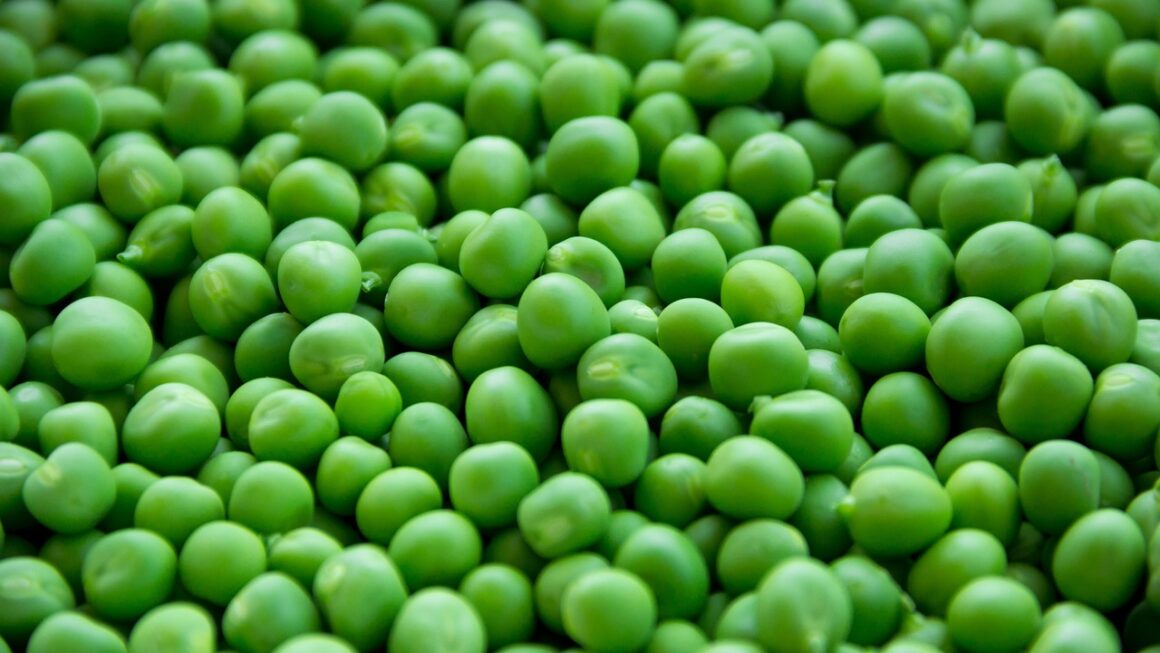
- Plant-Based Protein Powders: Pea protein, rice protein, and blended plant proteins are convenient for boosting intake.
- Complementary Proteins: Most plant foods contain protein, but some may be lower in one or two EAAs. By combining different plant proteins throughout the day (e.g., rice and beans, hummus and whole-wheat pita), you can ensure you’re getting a complete amino acid profile. Don’t worry about combining them in every single meal; variety over the day is key.
- Target Intake: Aim for 1.6 to 2.2 grams of protein per kilogram of body weight (or 0.7 to 1 gram per pound) daily for optimal muscle synthesis. For a 180 lb individual, that’s roughly 126-180 grams per day.
Carbohydrates: Fuel for Your Workouts and Recovery
Carbohydrates are your primary energy source, critical for fueling intense workouts and replenishing glycogen stores for recovery. They are abundant and easily accessible in a vegan diet.
- Complex Carbohydrates: These provide sustained energy and are rich in fiber, vitamins, and minerals.
- Whole Grains: Oats, brown rice, whole-wheat bread/pasta, quinoa, farro.
- Starchy Vegetables: Sweet potatoes, regular potatoes, squash, corn.
- Legumes: Lentils, beans, chickpeas (also provide protein).
- Simple Carbohydrates: Useful around workout times for quick energy.
- Fruits: Bananas, berries, apples (also rich in antioxidants).
- Dried Fruit: Dates, raisins (great for pre-workout).
- Target Intake: Carbohydrates should typically make up 45-60% of your daily caloric intake, adjusted based on your activity level.
Healthy Fats: Hormones, Absorption, and Overall Health
Healthy fats are crucial for hormone production, nutrient absorption (especially fat-soluble vitamins A, D, E, K), joint health, and overall well-being. They also provide a concentrated source of calories.
- Monounsaturated and Polyunsaturated Fats:
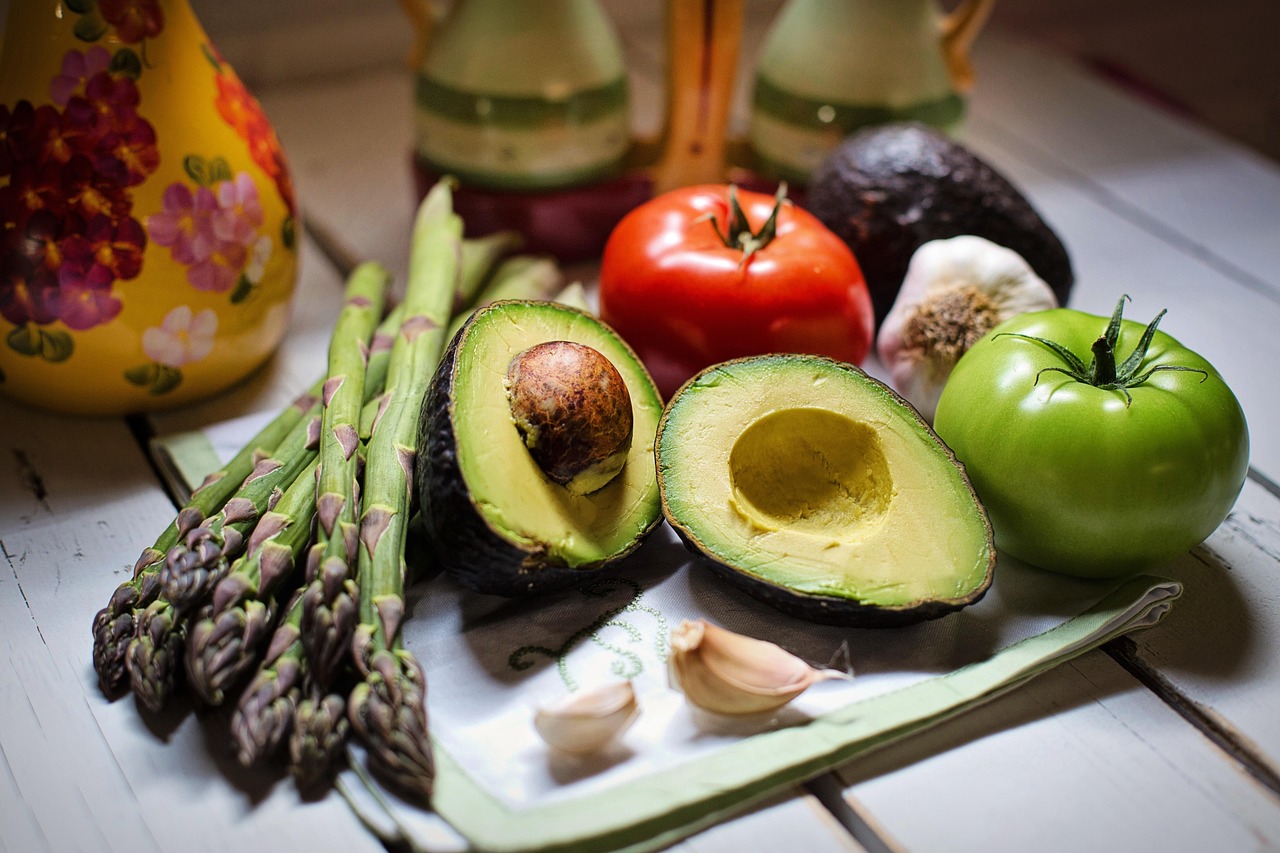
- Avocado: Rich in healthy fats and potassium.
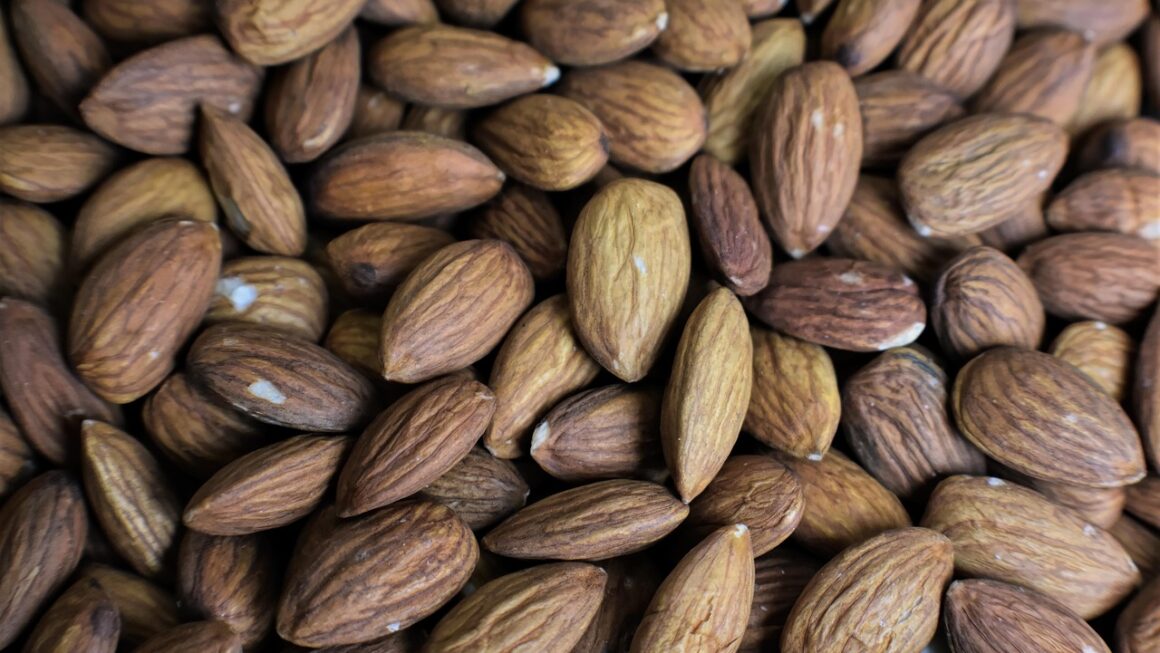
- Nuts: Almonds, walnuts, cashews, pistachios (also contain protein).
- Seeds: Flax seeds, chia seeds, hemp seeds, pumpkin seeds, sunflower seeds (also provide fiber and sometimes protein).
- Nut Butters: Peanut butter, almond butter.
- Oils: Olive oil, avocado oil, flaxseed oil.
- Omega-3 Fatty Acids: Essential for reducing inflammation and brain health.
- Flax Seeds, Chia Seeds, Hemp Seeds: Excellent plant-based sources.
- Algae Oil: A direct source of EPA and DHA, often recommended for vegans.
- Target Intake: Fats should constitute 20-35% of your total daily calories.
Crafting Your Vegan Muscle Building Meal Plan
Consistency and strategic planning are vital. Here’s how to build an effective meal plan.
Caloric Surplus: The Golden Rule for Gaining Muscle
To build muscle, you need to consume more calories than you burn – this is known as a caloric surplus. Without it, your body won’t have the energy to repair and build new muscle tissue.
- Estimate Your Needs: Start by calculating your Basal Metabolic Rate (BMR) and then multiplying it by an activity factor to get your Total Daily Energy Expenditure (TDEE). Online calculators can help.
- Add for Growth: Once you have your TDEE, add 300-500 calories for a moderate caloric surplus aimed at muscle gain with minimal fat gain. For someone burning 2500 calories daily, a target of 2800-3000 calories would be appropriate.
- Track and Adjust: Use a food tracking app (e.g., MyFitnessPal, Cronometer) for a few weeks to get a sense of your intake. Adjust as needed based on your progress (weight gain, strength improvements).
Meal Timing and Frequency
While the total daily intake matters most, strategic meal timing can optimize nutrient delivery and recovery.
- Frequent Meals: Eating 4-6 smaller meals throughout the day can help maintain a steady supply of amino acids to your muscles and make it easier to hit your caloric and protein targets.
- Pre-Workout Nutrition: Consume complex carbohydrates and a bit of protein 1-2 hours before training for sustained energy. Example: Oatmeal with berries and a scoop of protein powder.
- Post-Workout Nutrition: Within 30-60 minutes after your workout, aim for a combination of fast-digesting carbohydrates and protein to kickstart recovery and muscle protein synthesis. Example: Banana and plant-based protein shake.
- Before Bed: A slow-digesting protein source (like a soy-based protein shake or a handful of nuts) can provide amino acids throughout the night for repair.
Sample Day: What a Vegan Bodybuilder Eats
Here’s an example of a high-protein, nutrient-dense day designed for a vegan looking to build muscle (calories and macros are approximate and would need to be adjusted to individual needs).
Total Approximate Daily Macros: Protein: 150g+, Carbs: 300g+, Fats: 80g+ (approx. 2700-3000 calories)
- Meal 1 (Breakfast – 7:00 AM): Power Oats
- 1 cup rolled oats cooked with water or fortified plant milk
- 1 scoop vegan protein powder (pea/rice blend) stirred in
- 1/2 cup berries
- 2 tbsp ground flax seeds or chia seeds
- 1 tbsp almond butter
- Meal 2 (Mid-Morning Snack – 10:00 AM): High-Protein Smoothie
- 1.5 cups fortified soy milk or pea milk
- 1 scoop vegan protein powder
- 1 banana
- 1 cup spinach (you won’t taste it!)
- 1 tbsp hemp seeds
- Meal 3 (Lunch – 1:00 PM): Tofu & Chickpea Bowl
- 6 oz baked or pan-fried extra-firm tofu (seasoned)
- 1 cup cooked quinoa or brown rice
- 1/2 cup roasted chickpeas
- Large serving of mixed greens with chopped veggies (cucumber, bell peppers)
- 2 tbsp tahini dressing or olive oil and vinegar
- Meal 4 (Pre-Workout Snack – 4:00 PM): Energy Boost
- 1 large apple or banana
- 1/4 cup raw almonds or walnuts
- (If training after, add a small protein shake)
- Meal 5 (Dinner – 7:00 PM): Lentil & Sweet Potato Curry
- 1.5 cups hearty lentil and vegetable curry (made with coconut milk, various spices)
- 1 large baked sweet potato
- Side of steamed broccoli or green beans
- Meal 6 (Before Bed – 9:30 PM): Protein Pudding or Snack
- 1/2 cup unsweetened soy yogurt mixed with 1/2 scoop vegan protein powder and a sprinkle of berries, OR
- Small handful of pumpkin seeds and a few dates.
Essential Vegan Supplements for Muscle Growth
While a whole-food diet should be your primary focus, certain supplements can complement your plan and ensure you hit all your nutritional marks.
Protein Powders: A Convenient Boost
Plant-based protein powders are invaluable for convenience and ensuring adequate protein intake, especially around workouts.
- Types: Pea protein, brown rice protein, hemp protein, soy protein, or mixed blends (often the best as they offer a complete amino acid profile).
- When to Use: Post-workout for quick recovery, in smoothies for meal replacement or additional protein, or mixed with water/plant milk between meals.
Creatine: The Performance Enhancer
Creatine monohydrate is one of the most well-researched and effective supplements for increasing strength, power output, and muscle mass. It is naturally vegan.
- Benefits: Improves exercise performance, increases muscle strength, supports muscle growth.
- Dosage: Typically 3-5 grams per day, taken consistently. A loading phase (20g/day for 5-7 days) can speed up saturation.
Vitamin B12 and Vitamin D: The Crucial Duo
These vitamins are often highlighted as important for vegans due to their limited natural availability in plant foods.
- Vitamin B12: Essential for nerve function, red blood cell formation, and DNA synthesis. Exclusively found in animal products or fortified foods/supplements.
- Recommendation: All vegans should supplement with B12 or consistently consume B12-fortified foods.
- Vitamin D: Crucial for bone health, immune function, and muscle function. Primarily obtained from sun exposure or animal products.
- Recommendation: Many people, including vegans, are deficient. Supplementation (D2 or vegan D3 from lichen) is often advised, especially in regions with limited sunlight.
Omega-3 Fatty Acids (EPA/DHA)
While flax and chia provide ALA (which converts to EPA/DHA), the conversion rate can be low. An algae-based supplement ensures optimal intake of these essential fats.
- Benefits: Supports heart health, reduces inflammation, crucial for brain function.
- Recommendation: Consider an algae oil supplement, especially if you rarely consume other omega-3 rich foods.
Hydration and Recovery: Often Overlooked but Critical
Building muscle isn’t just about what you eat; it’s also about how well your body recovers and functions.
The Power of Water
Hydration is paramount for every bodily function, including nutrient transport, temperature regulation, and joint lubrication. Dehydration can severely impair performance and recovery.
- Recommendation: Aim for 3-4 liters of water daily, increasing with activity level and climate. Keep a water bottle handy and sip throughout the day.
Sleep: Your Muscles’ Best Friend
Muscle growth and repair primarily occur during sleep. This is when your body releases growth hormone and testosterone, both vital for anabolism.
- Recommendation: Prioritize 7-9 hours of quality sleep per night. Establish a consistent sleep schedule and create a relaxing bedtime routine.
Mindful Eating and Digestion
A plant-based diet is naturally high in fiber, which is great for gut health but can be a lot to digest, especially when consuming high volumes of food.
- Tips:
- Chew your food thoroughly.
- Don’t eat too quickly, especially large meals.
- Ensure proper hydration to aid fiber digestion.
- If you experience digestive discomfort, try soaking legumes and grains or consider digestive enzymes.
Overcoming Common Vegan Muscle Building Challenges
While highly effective, a vegan muscle-building journey might present a few unique hurdles. Here’s how to navigate them.
Meeting Protein Targets Efficiently
When you’re aiming for 150g+ of protein daily without meat, dairy, or eggs, you need to be strategic.
- Actionable Takeaways:
- Protein-Packed Breakfasts: Start strong with tofu scrambles, protein oatmeal, or high-protein smoothies.
- Legumes at Every Meal: Incorporate lentils, beans, and chickpeas into lunches and dinners.
- Soy Power: Utilize tofu, tempeh, and edamame frequently.
- Snack Smart: Opt for roasted chickpeas, edamame, nuts, seeds, or a small protein shake.
- Don’t Fear Seitan: It’s pure gluten and incredibly high in protein (but avoid if you have gluten sensitivity).
Avoiding Nutrient Deficiencies
Beyond B12 and D, a varied diet is key to avoiding other potential deficiencies.
- Actionable Takeaways:
- Iron: Pair iron-rich plant foods (lentils, spinach, tofu) with Vitamin C sources (bell peppers, oranges) to enhance absorption.
- Calcium: Fortified plant milks, tofu set with calcium sulfate, leafy greens (collard greens, kale), and fortified cereals.
- Zinc: Pumpkin seeds, cashews, lentils, oats, tofu.
- Iodine: Iodized salt, seaweed (in moderation), fortified foods.
Meal Prep Strategies
To ensure you stick to your meal plan, especially with a busy schedule, meal prepping is your secret weapon.
- Actionable Takeaways:
- Batch Cook Grains: Cook a large pot of quinoa or brown rice for the week.
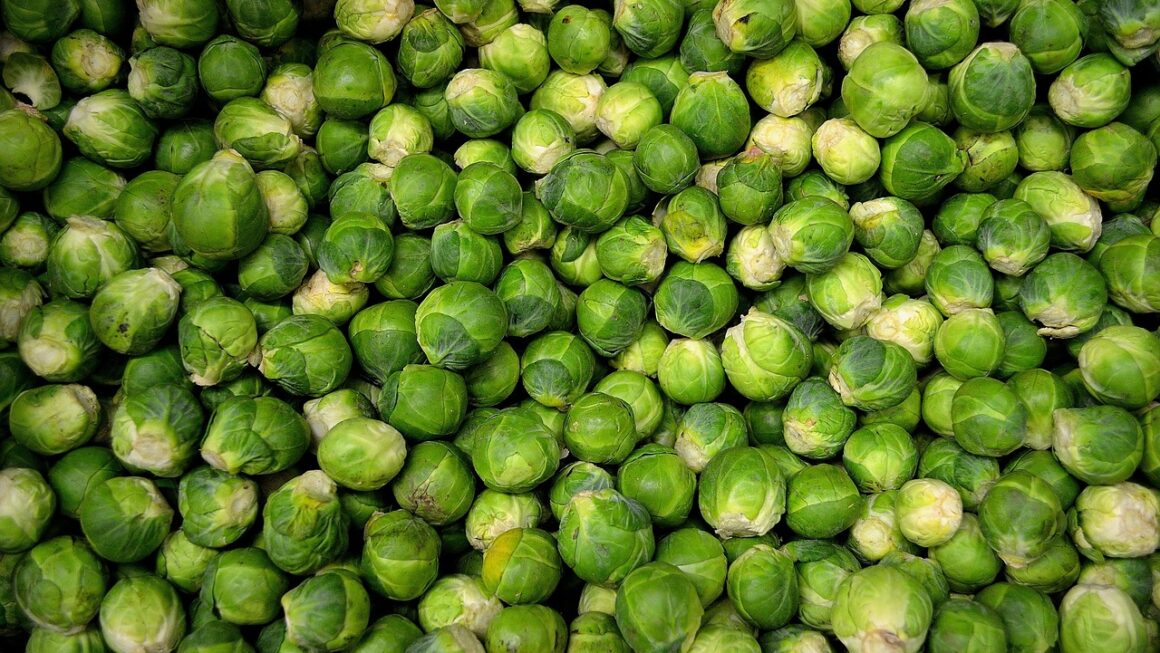
- Roast Veggies: Prepare a big tray of roasted sweet potatoes, broccoli, or Brussels sprouts.
- Prepare Protein Sources: Bake a batch of tofu or tempeh, cook a large pot of lentils or chickpeas.
- Pre-Chop: Wash and chop fruits and vegetables for easy snacking or smoothie additions.
- Invest in Containers: Good quality, reusable meal prep containers will make your life much easier.
Conclusion
Embarking on a vegan muscle building meal plan is not just possible; it’s a pathway to incredible health, sustainability, and impressive physical transformation. By understanding the principles of proper nutrition, focusing on diverse plant-based protein sources, fueling with complex carbohydrates, and prioritizing healthy fats, you can build the physique you desire. Remember, consistency in your diet, dedication in your training, and attention to recovery are the ultimate ingredients for success. Armed with this comprehensive guide, you have everything you need to confidently begin your plant-powered journey to strength and muscle. Start planning, start cooking, and unleash the powerful, muscular vegan within!