Embracing a vegan lifestyle has surged in popularity, driven by ethical, environmental, and health considerations. Yet, a common apprehension often surfaces: “Can a vegan diet truly be balanced and provide all the necessary nutrients?” The answer is a resounding yes! Far from being restrictive or deficient, a well-planned vegan diet, rich in diverse whole foods, can be incredibly nourishing, vibrant, and incredibly satisfying. This comprehensive guide will demystify the art and science of creating delicious, nutrient-dense vegan balanced meals, empowering you to thrive on plants.
Demystifying Vegan Protein: More Than Just Tofu
One of the most frequent questions vegans face is about protein. The good news is that protein is abundant in the plant kingdom, and achieving adequate intake on a vegan diet is straightforward with a little knowledge.
Understanding Complete Proteins
While animal proteins are often called “complete” because they contain all nine essential amino acids in sufficient quantities, many plant foods are also complete, or can easily form complete proteins when combined. The older notion of needing to combine specific plant proteins at every meal for “completeness” has largely been debunked by nutrition science. What matters most is consuming a variety of protein-rich plant foods throughout the day.
- Lysine: Often the limiting amino acid in grains.
- Methionine: Often the limiting amino acid in legumes.
- Simple Solution: Combine grains and legumes (e.g., rice and beans) over the course of a day, not necessarily in the same meal, to ensure a full spectrum.
Top Plant-Based Protein Sources
Incorporating a wide array of these foods into your daily meals will ensure you meet your protein needs effortlessly.
- Legumes: Lentils, chickpeas, black beans, kidney beans, edamame (soybeans). A cup of cooked lentils provides about 18 grams of protein!
- Tofu, Tempeh, and Seitan: Versatile soy-based (tofu/tempeh) and wheat-based (seitan) products are excellent sources. Tempeh, in particular, offers about 20 grams of protein per 3.5 ounces and is fermented, aiding digestion.
- Grains: Quinoa (a complete protein itself), oats, whole wheat, brown rice, barley.
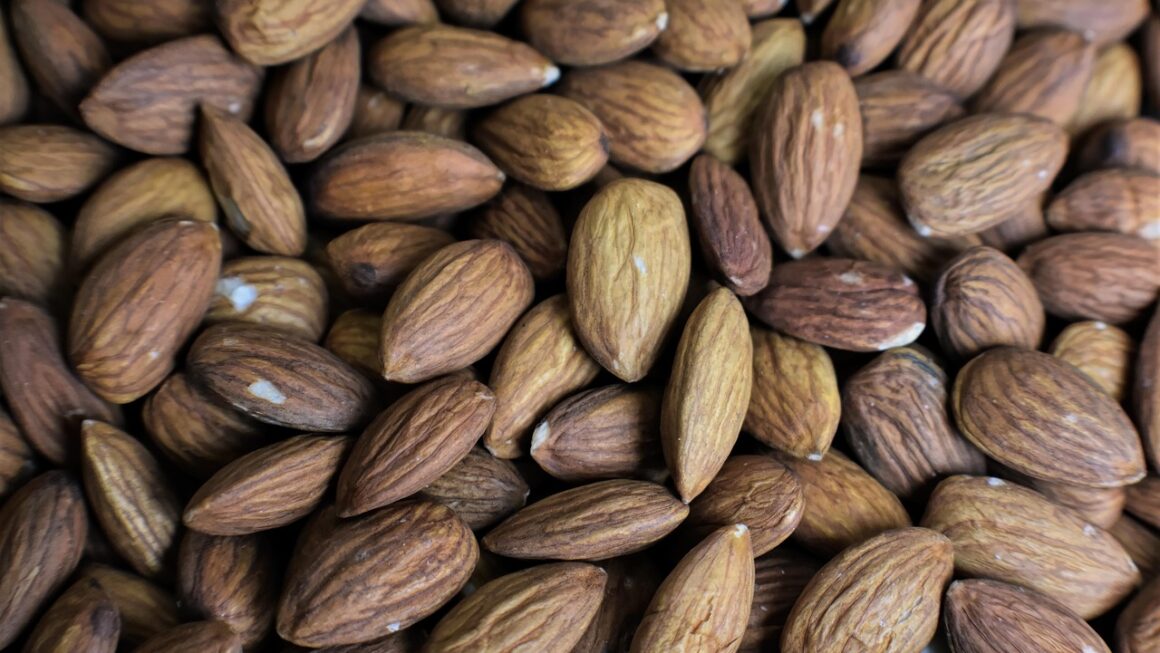
- Nuts and Seeds: Almonds, walnuts, cashews, pumpkin seeds, sunflower seeds, chia seeds, flax seeds, hemp seeds. Hemp seeds are another complete protein powerhouse.
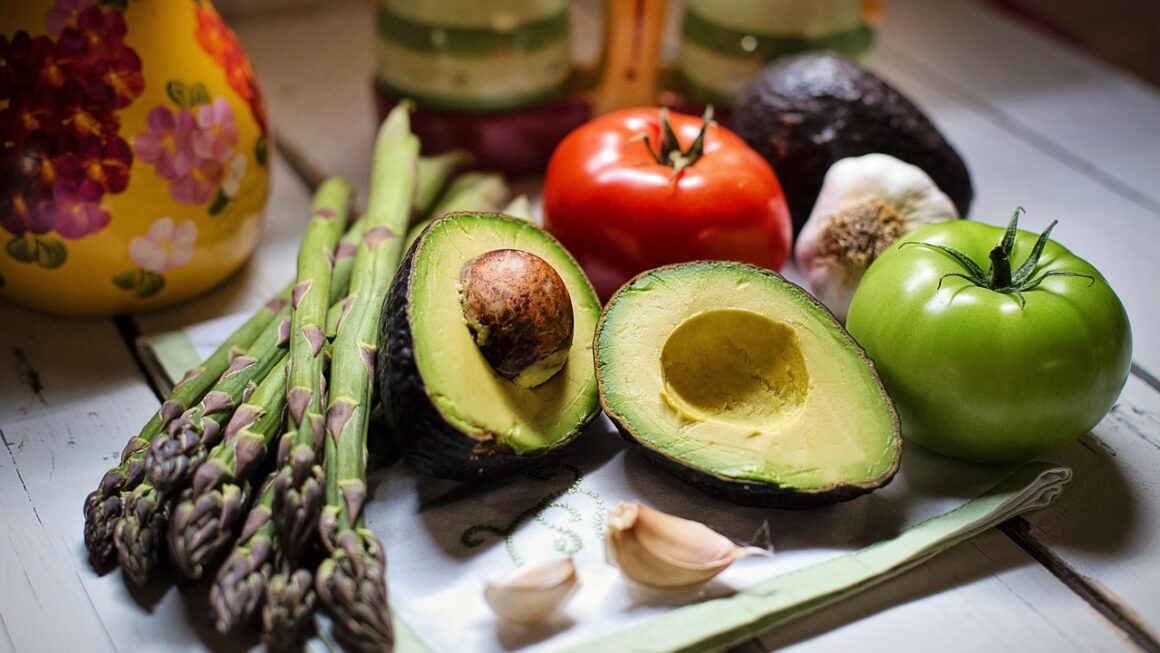
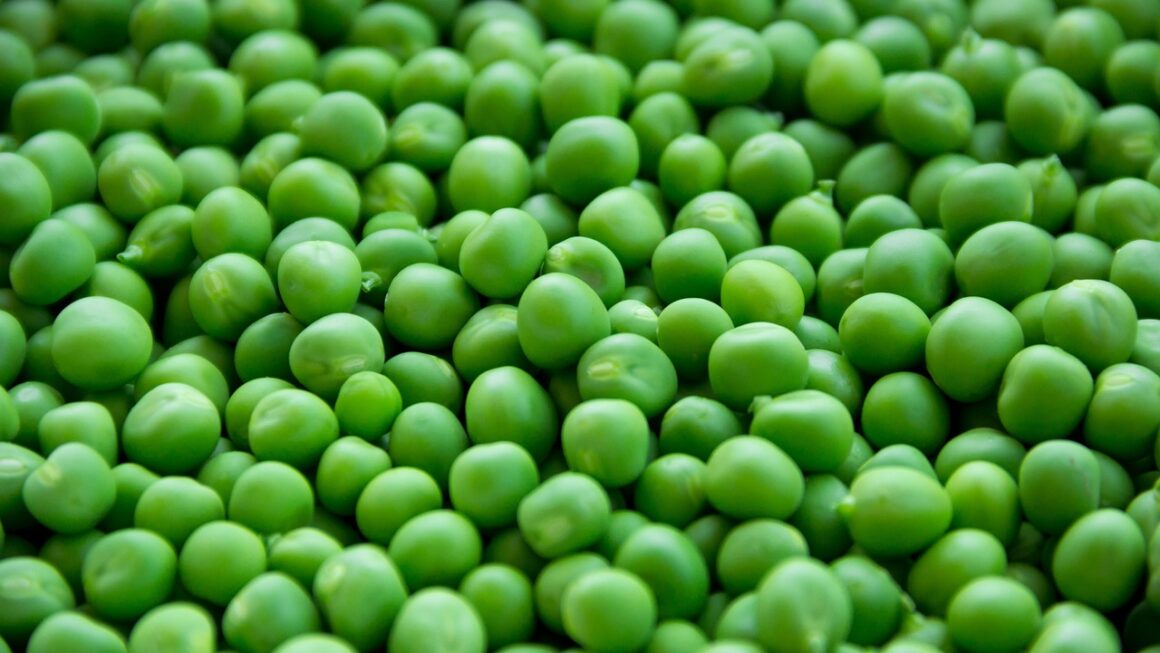
- Vegetables: While lower in concentration, broccoli, spinach, asparagus, and peas contribute to your overall protein intake, especially when consumed in larger quantities.
Actionable Takeaway: Aim to include at least one significant protein source in every main meal. Experiment with diverse options like a lentil curry, black bean burgers, quinoa salads, or a tofu scramble to keep things exciting and ensure comprehensive amino acid intake.
Essential Nutrients for a Thriving Vegan Diet
Beyond protein, specific nutrients often require attention in a vegan diet. With thoughtful planning, these can be adequately obtained from plant sources and supplements where necessary.
Iron Absorption & Vitamin C Synergy
Iron is crucial for energy and preventing anemia. While plant-based (non-heme) iron is less readily absorbed than animal-based iron, its absorption can be significantly boosted.
- Iron-Rich Plant Foods: Lentils, spinach, fortified cereals, tofu, cashews, kale, dark chocolate, pumpkin seeds.
- The Vitamin C Boost: Consume iron-rich foods with sources of Vitamin C. For example, add bell peppers to a lentil stew, or enjoy an orange with a spinach salad.
- Avoid Absorption Inhibitors: Tannins in tea and coffee, and phytates in unsoaked grains/legumes, can inhibit iron absorption. Consider consuming these away from iron-rich meals.
Calcium from Plants
Strong bones are essential, and calcium isn’t solely found in dairy. Many plant foods are excellent sources.
- Top Plant Calcium Sources: Fortified plant milks (almond, soy, oat), fortified orange juice, tofu (calcium-set), collard greens, kale, broccoli, sesame seeds (tahini), figs, almonds.
- Vitamin D: Essential for calcium absorption. Regular sun exposure is ideal, but a supplement is often recommended, especially in less sunny climates or during winter. Many fortified plant milks also contain Vitamin D.
Vitamin B12: The Non-Negotiable
Vitamin B12 is produced by bacteria and is not reliably found in plant foods. It is absolutely crucial for nerve function and red blood cell formation.
- Supplementation is Key: Every vegan should take a reliable B12 supplement. Dosage recommendations vary, so consult a healthcare professional or reliable vegan nutrition resources.
- Fortified Foods: Some fortified plant milks, nutritional yeast, and certain cereals contain B12, but relying solely on these might not be sufficient.
Omega-3 Fatty Acids for Brain and Heart
Omega-3s, particularly EPA and DHA, are vital for brain health, heart health, and reducing inflammation.
- ALA Sources: Flax seeds (ground), chia seeds, hemp seeds, walnuts. ALA (alpha-linolenic acid) is a plant-based omega-3 that the body can convert into EPA and DHA, though the conversion rate can vary.
- Direct EPA/DHA: For optimal intake, consider an algae-based omega-3 supplement. This is the same source fish get their omega-3s from.
Actionable Takeaway: Prioritize diverse whole foods. For B12 and potentially Vitamin D and DHA/EPA, smart supplementation ensures all nutritional bases are covered, making your vegan diet truly robust.
Crafting a Balanced Vegan Plate: The Power of Whole Foods
Building a balanced vegan meal is about combining different food groups to create a synergy of nutrients and flavors. Think of your plate as a canvas for vibrant, nutrient-dense foods.
The Foundation: Grains, Legumes, Fruits, and Vegetables
These four pillars form the bedrock of a healthy vegan diet, providing carbohydrates for energy, fiber for digestion, vitamins, minerals, and antioxidants.
- Grains: Whole grains like brown rice, quinoa, oats, whole wheat pasta, and whole grain bread provide complex carbohydrates for sustained energy and fiber.
- Legumes: Beans, lentils, chickpeas, and peas are powerhouses of protein, fiber, and various minerals.
- Fruits: A rainbow of fruits offers vitamins, antioxidants, and natural sweetness. Aim for a variety of colors.
- Vegetables: Leafy greens, cruciferous vegetables, root vegetables, and colorful bell peppers provide a vast array of micronutrients and fiber.
Incorporating Healthy Fats
Healthy fats are crucial for hormone production, nutrient absorption, and satiety.
- Avocado: Rich in monounsaturated fats, potassium, and vitamins.
- Nuts and Seeds: Almonds, walnuts, cashews, chia, flax, and hemp seeds offer healthy fats, protein, and fiber.
- Olive Oil: A good source of monounsaturated fats for cooking and dressings.
- Nut Butters: Peanut butter, almond butter, and cashew butter provide healthy fats and protein.
Practical Examples of Balanced Vegan Meals
- Breakfast:
Oatmeal Power Bowl: Cooked oats (whole grain) topped with berries (fruits), a sprinkle of chia seeds and walnuts (healthy fats, omega-3, protein), and a dollop of fortified plant-based yogurt (calcium, protein).
- Lunch:
Hearty Lentil Soup with Whole Grain Bread: Lentils (legumes, protein, iron) simmered with carrots, celery, and spinach (vegetables), served with a slice of whole-grain bread (grains) for dipping.
- Dinner:
Tofu Scramble with Roasted Vegetables: Tofu (protein, calcium-set), bell peppers, onions, and spinach (vegetables) sautéed, served alongside roasted sweet potato (complex carb, Vitamin A) and a side of avocado (healthy fats).
- Snack:
Apple slices (fruit) with almond butter (healthy fat, protein).
Actionable Takeaway: Envision your plate with approximately half vegetables/fruits, a quarter whole grains, and a quarter protein-rich legumes/tofu, plus a source of healthy fats. This visual guide makes balanced eating intuitive.
Practical Tips for Vegan Meal Planning & Preparation
Consistency in balanced eating stems from effective planning and preparation. These strategies can transform your vegan diet from a chore into a seamless, enjoyable part of your routine.
Batch Cooking & Food Prep
Dedicate a few hours each week to prepare staples that can be mixed and matched throughout the week.
- Cook Grains in Bulk: Prepare a large batch of quinoa, brown rice, or farro to use in salads, bowls, or as sides.
- Roast Vegetables: Chop and roast a variety of vegetables like broccoli, sweet potatoes, bell peppers, and zucchini. They store well and are versatile.
- Prep Legumes: Cook a big pot of lentils or beans from scratch, or simply stock up on canned versions (rinse well) for quick additions to meals.
- Make Dressings/Sauces: Prepare a batch of hummus, tahini dressing, or a simple vinaigrette to elevate your meals.
Smart Snacking for Sustained Energy
Strategic snacking prevents extreme hunger and helps maintain energy levels and nutrient intake between meals.
- Fruit and Nut/Seed Combinations: Apples with peanut butter, bananas with almond butter, or a handful of mixed nuts and dried fruit.
- Vegetable Sticks and Dips: Carrots, celery, or bell pepper strips with hummus or guacamole.
- Edamame: Steamed edamame pods are a quick, protein-rich snack.
- Overnight Oats: Prepare these the night before for a grab-and-go breakfast or substantial snack.
Reading Labels & Fortified Foods
Becoming an informed consumer is crucial, especially when it comes to packaged vegan products.
- Check Ingredient Lists: Look for whole, recognizable ingredients. Be mindful of added sugars, excessive sodium, and unhealthy fats.
- Nutrient Panels: Pay attention to the protein, fiber, and micronutrient content.
- Fortified Foods: Actively seek out plant milks, cereals, and nutritional yeast fortified with Vitamin B12, Vitamin D, and Calcium. This is especially important for ensuring adequate intake of critical nutrients.
Actionable Takeaway: A little preparation goes a long way. Spend some time each week to plan your meals and snacks, ensuring you have healthy vegan options readily available to support your balanced diet.
Common Myths & Misconceptions Debunked
Despite growing awareness, several myths about vegan diets persist. Addressing these can empower both current and aspiring vegans.
“Where Do You Get Your Protein?”
As discussed, protein is abundant in plant foods. This myth often stems from the misconception that plant proteins are inherently inferior or difficult to combine. In reality, a diverse whole-foods vegan diet provides ample protein for everyone, from sedentary individuals to athletes.
- Fact: The average person needs about 0.8 grams of protein per kilogram of body weight. Many plant foods like lentils, beans, tofu, tempeh, quinoa, nuts, and seeds are rich in protein and easily meet these requirements when consumed regularly.
- Practical Example: A single meal of a large bowl of lentil soup (18g protein), a side of quinoa (8g protein), and some leafy greens (a few grams) can easily provide over 30 grams of protein.
“Vegan Diets Are Always Restrictive/Expensive”
While some specialized vegan products can be pricey, a whole-foods vegan diet built around staples is often more affordable than a meat-heavy diet.
- Fact: Staples like beans, lentils, rice, potatoes, seasonal fruits, and vegetables are among the most economical foods available.
- Budget-Friendly Vegan Staples:
- Dried beans and lentils (far cheaper than canned)
- Rice (brown, white, basmati)
- Oats
- Pasta
- Seasonal fruits and vegetables
- Tofu (often very affordable)
- Potatoes and sweet potatoes
- Bananas and apples
- Restriction Misconception: While certain foods are excluded, the vegan diet opens up a vast world of new ingredients, flavors, and cooking methods, leading to incredible culinary diversity rather than restriction.
Actionable Takeaway: Educate yourself and others with facts. A well-planned vegan diet is neither inherently protein-deficient nor expensive. It’s an accessible, nutrient-dense, and delicious way to eat.
Conclusion
Embracing vegan balanced meals is not just about dietary choices; it’s about a lifestyle that champions health, compassion, and sustainability. By focusing on a diverse array of whole plant foods – including legumes, grains, fruits, vegetables, nuts, and seeds – you can effortlessly meet your nutritional needs and unlock a world of culinary delights. While paying mindful attention to key nutrients like B12, Vitamin D, and Omega-3s ensures optimal health, the overall framework for a thriving vegan diet is built on variety, conscious pairing, and enjoying the abundance of the plant kingdom. Your journey to balanced vegan eating is an empowering one, full of flavor, vitality, and positive impact.