Embarking on a vegan journey doesn’t just mean cutting out animal products; it’s an incredible opportunity to explore a vibrant world of plant-based foods that can elevate your health to new heights. Forget the myth that vegan meals lack essential nutrients. When done right, a vegan diet can be incredibly rich in vitamins, minerals, fiber, and antioxidants, forming the backbone of truly nutrient-dense eating. This guide will walk you through how to construct delicious, satisfying, and health-boosting vegan meals that nourish your body from the inside out, ensuring you thrive on your plant-powered path.
The Power of Plant-Based Nutrient Density
Understanding nutrient density is key to unlocking optimal health on any diet, especially a vegan one. It’s not just about calories; it’s about getting the most nutritional bang for your buck with every bite.
What Defines a Nutrient-Dense Vegan Meal?
A nutrient-dense vegan meal is packed with a high concentration of vitamins, minerals, fiber, and phytonutrients relative to its calorie content. It prioritizes whole, unprocessed plant foods over refined or highly processed options.
- Whole Grains: Brown rice, quinoa, oats, farro.
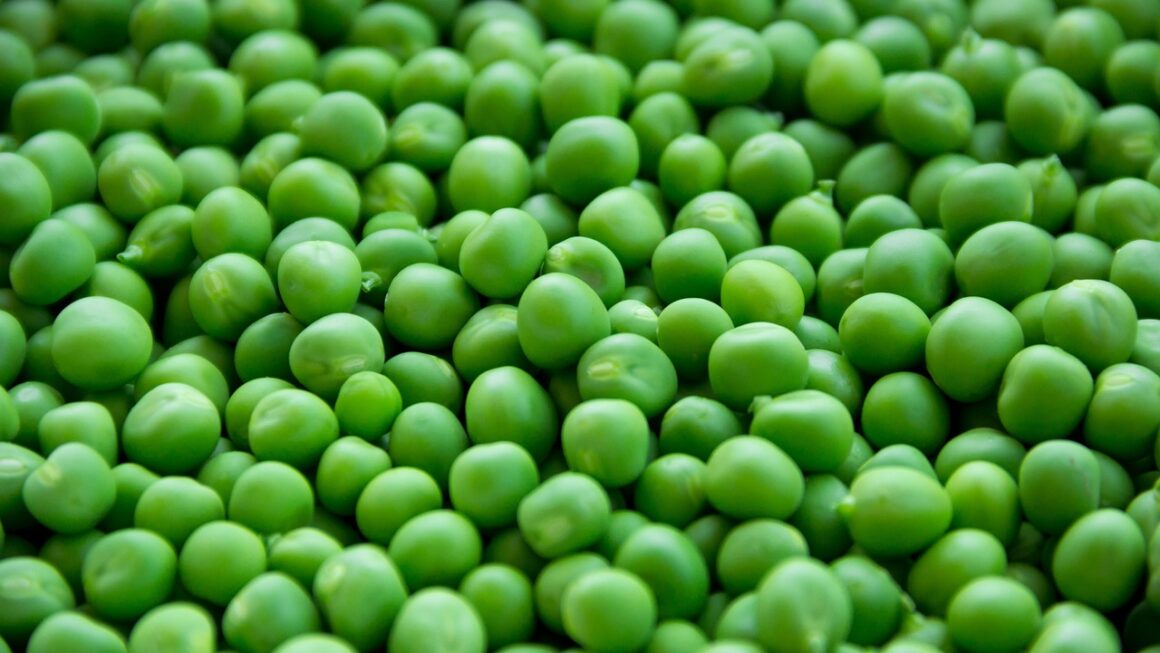
- Legumes: Lentils, chickpeas, black beans, edamame.
- Fruits: Berries, apples, bananas, citrus fruits.
- Vegetables: Leafy greens (spinach, kale), broccoli, bell peppers, sweet potatoes.
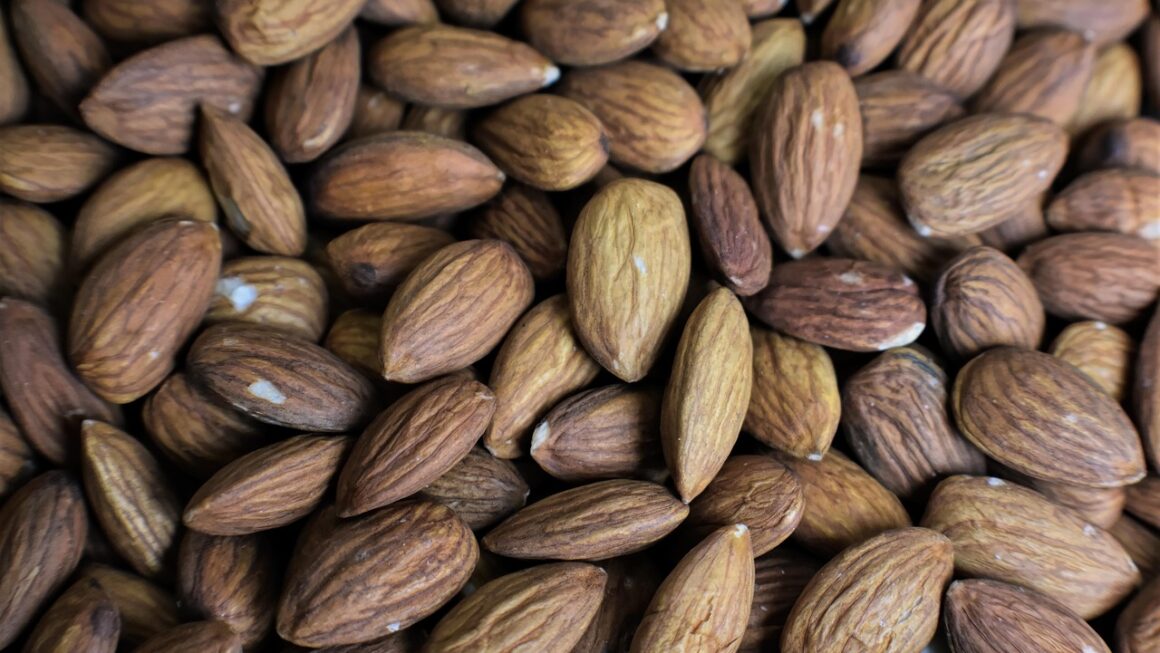
- Nuts & Seeds: Almonds, walnuts, chia seeds, flax seeds, hemp seeds.
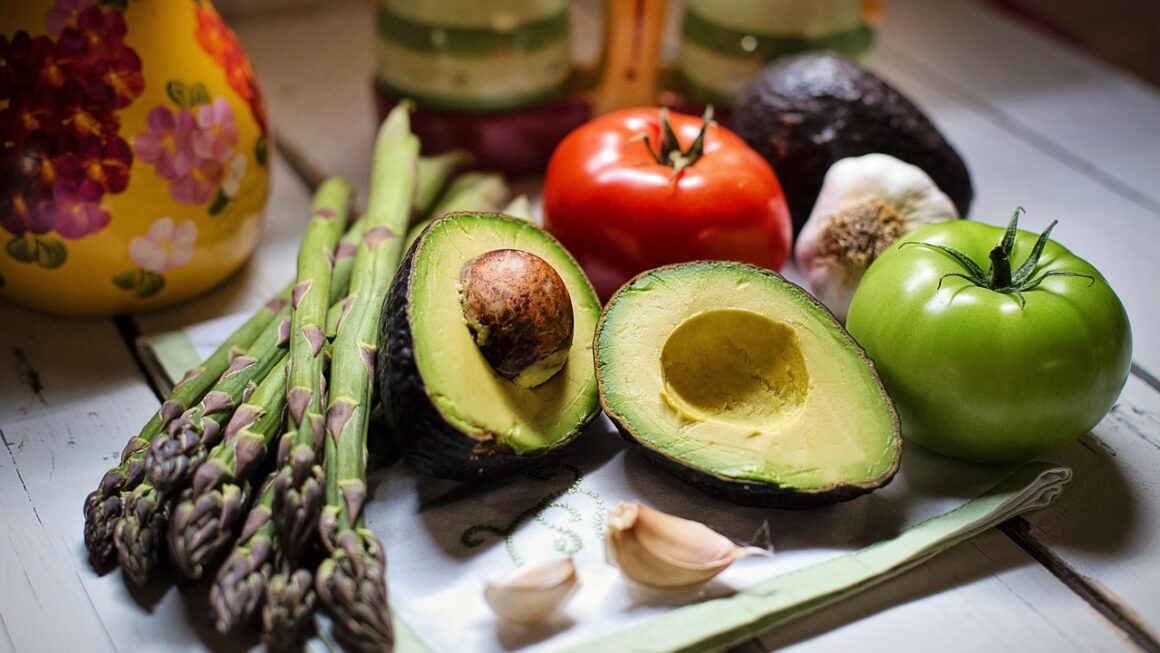
- Healthy Fats: Avocados, olive oil.
Actionable Takeaway: Focus on incorporating a wide variety of colors and textures from unprocessed plant foods into every meal to maximize nutrient intake.
Why Prioritize Nutrient Density on a Vegan Diet?
Choosing a nutrient-dense approach to veganism offers a myriad of health benefits that extend far beyond simply avoiding animal products.
- Enhanced Energy Levels: Complex carbohydrates from whole grains and fiber-rich foods provide sustained energy without crashes.
- Improved Digestive Health: High fiber content promotes a healthy gut microbiome and regular bowel movements. Studies show plant-based diets can significantly diversify gut bacteria, which is crucial for overall health.
- Reduced Risk of Chronic Diseases: A diet rich in plant foods is associated with a lower risk of heart disease, type 2 diabetes, certain cancers, and obesity.
- Stronger Immune System: Abundant vitamins (like C and E) and antioxidants bolster your body’s defenses.
- Better Weight Management: Nutrient-dense foods are often lower in calories but higher in fiber, promoting satiety and helping maintain a healthy weight.
Actionable Takeaway: Embrace the diversity of the plant kingdom! Each plant food offers a unique profile of benefits, so variety is your best friend for a thriving vegan diet.
Mastering Essential Vegan Nutrients
Many essential nutrients are abundant in plant foods, but knowing which ones to focus on and where to find them is crucial for a well-rounded vegan diet.
Protein Powerhouses
Protein is vital for muscle repair, enzyme production, and overall body function. Fortunately, plants offer an excellent array of protein sources.
- Lentils & Beans: Black beans, chickpeas, kidney beans, split peas, and lentils are incredibly versatile and packed with protein and fiber. (e.g., 1 cup cooked lentils offers ~18g protein).
- Tofu & Tempeh: These soy products are complete proteins and excellent meat alternatives. Tofu is great for absorbing flavors, while tempeh has a firmer texture and nutty flavor, also providing probiotics.
- Edamame: Whole soybeans, often steamed, are a complete protein and a good source of fiber.
- Quinoa: This ancient grain is one of the few plant foods that is a complete protein, containing all nine essential amino acids.
- Seitan: Made from wheat gluten, seitan is a high-protein, low-fat option with a chewy texture.
- Nuts & Seeds: Almonds, peanuts, cashews, pumpkin seeds, hemp seeds, and chia seeds contribute significant protein and healthy fats.
Actionable Takeaway: Combine different plant protein sources throughout your day to ensure a diverse amino acid intake. For instance, combine beans with rice or lentils with whole-grain bread.
Iron & Zinc: Vital Minerals
Iron is crucial for oxygen transport, while zinc supports immune function and cell growth. Plant-based sources are readily available.
- Iron:
- Legumes: Lentils, chickpeas, black beans.
- Leafy Greens: Spinach, kale, Swiss chard.
- Seeds: Pumpkin seeds, sesame seeds (tahini).
- Whole Grains: Quinoa, fortified cereals.
- Dried Fruits: Apricots, raisins.
- Zinc:
- Legumes: Lentils, chickpeas, beans.
- Nuts & Seeds: Pumpkin seeds, cashews, hemp seeds.
- Whole Grains: Oats, quinoa, brown rice.
- Tofu & Tempeh.
Tip: Pair iron-rich foods with Vitamin C sources (like bell peppers, citrus, broccoli) to significantly enhance absorption. For example, a lentil salad with bell peppers.
Actionable Takeaway: Include a variety of legumes, leafy greens, nuts, and seeds daily. Remember the Vitamin C trick for iron absorption!
Calcium & Vitamin D: Bone Health Essentials
Strong bones require calcium, and Vitamin D is essential for its absorption. Vegans have excellent plant-based options.
- Calcium:
- Fortified Plant Milks & Yogurts: Soy, almond, oat milks often contain as much, if not more, calcium than dairy milk.
- Leafy Greens: Kale, collard greens, turnip greens, bok choy (calcium from these is highly absorbable).
- Tofu: Especially calcium-set tofu.
- Sesame Seeds (Tahini): A rich source.
- Almonds & Almond Butter.
- Figs & Oranges.
- Vitamin D:
- Fortified Plant Milks & Cereals: Check labels for D2 or D3 (lichen-derived).
- Sunlight Exposure: 10-20 minutes daily can help your body produce Vitamin D.
- Mushrooms: Some mushrooms, especially those exposed to UV light, contain Vitamin D2.
Actionable Takeaway: Regularly consume calcium-fortified plant milks and a daily serving of dark leafy greens. Consider a Vitamin D supplement, especially in winter or if sun exposure is limited.
Omega-3s & Vitamin B12: The Critical Duo
These two nutrients deserve special attention in a vegan diet, as their primary sources are often animal-derived.
- Omega-3 Fatty Acids (ALA): Essential for brain health and reducing inflammation.
- Flaxseeds & Flaxseed Oil: Grind flaxseeds just before consumption for best absorption.
- Chia Seeds: Excellent source, also provides fiber.
- Hemp Seeds: Offer a good balance of Omega-3 and Omega-6.
- Walnuts.
- Algae Oil: A direct source of EPA and DHA, the active forms of Omega-3s.
- Vitamin B12: Crucial for nerve function and red blood cell formation. B12 is not made by plants or animals but by bacteria in soil and water.
- Fortified Foods: The most reliable vegan source. Look for B12 in plant milks, cereals, nutritional yeast, and some meat alternatives.
- Supplementation: A B12 supplement is highly recommended for all vegans. Consult your doctor for the appropriate dosage.
Actionable Takeaway: Incorporate flax, chia, or hemp seeds into your daily diet. Most importantly, ensure regular intake of fortified foods or a reliable B12 supplement.
Crafting Irresistible & Balanced Vegan Meals
Now that you know the building blocks, let’s put them together into delicious, nutrient-dense vegan meals for every part of your day.
Breakfast: Fueling Your Day
Start strong with a meal that provides sustained energy and essential nutrients.
- Berry & Spinach Power Smoothie: Blend a handful of spinach, mixed berries, banana, 1 tbsp chia seeds, 1 scoop vegan protein powder (optional), and fortified plant milk. (Nutrient boost: Antioxidants, fiber, Omega-3s, calcium, iron, protein).
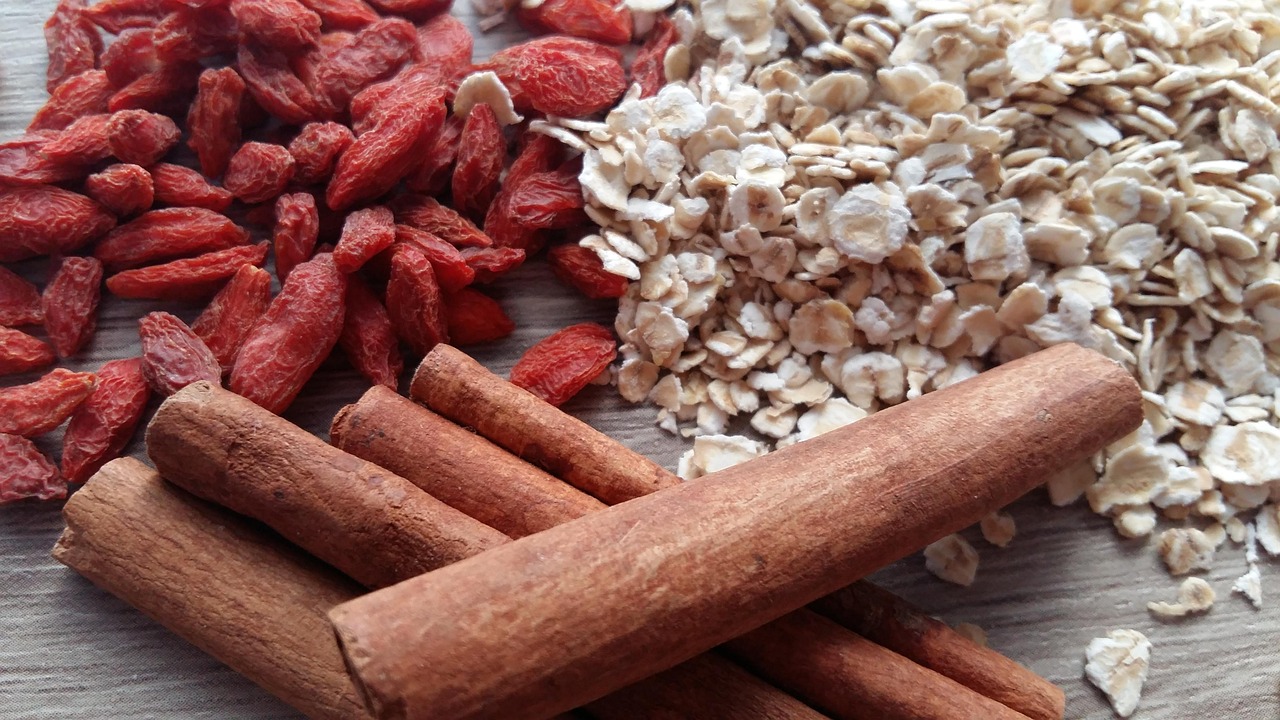
- Hearty Oatmeal with Toppings: Cook rolled oats with fortified plant milk. Top with walnuts, sliced apple, a sprinkle of flaxseeds, and a dash of cinnamon. (Nutrient boost: Fiber, Omega-3s, complex carbs, healthy fats, calcium).
- Tofu Scramble with Veggies: Crumble firm tofu and sauté with turmeric (for color), nutritional yeast (for cheesy flavor and B12), onions, bell peppers, and kale. Serve with a slice of whole-grain toast. (Nutrient boost: Protein, B12, iron, Vitamin C, fiber).
Actionable Takeaway: Prioritize whole grains, healthy fats, and a source of protein and fiber to kickstart your metabolism and maintain satiety until lunch.
Lunch: Sustaining Energy & Focus
Keep your energy levels stable with a balanced mid-day meal that’s easy to prepare.
- Mediterranean Quinoa Salad: Mix cooked quinoa with chickpeas, chopped cucumber, tomatoes, red onion, Kalamata olives, fresh parsley, and a lemon-tahini dressing. (Nutrient boost: Complete protein, fiber, healthy fats, iron, zinc, calcium, antioxidants).
- Lentil Soup with Whole-Grain Bread: A hearty lentil soup with carrots, celery, and spinach. Serve with a slice of whole-grain bread for added fiber and complex carbs. (Nutrient boost: Protein, fiber, iron, Vitamin A, B vitamins).
- Hummus & Veggie Wrap: Spread hummus generously on a whole-wheat tortilla. Fill with spinach, grated carrots, sliced bell peppers, cucumber, and a sprinkle of pumpkin seeds. (Nutrient boost: Protein, fiber, healthy fats, iron, zinc, Vitamin C).
Actionable Takeaway: Prepare components of your lunch ahead of time (e.g., cook a batch of quinoa or lentils) to make assembling healthy vegan meals quick and easy.
Dinner: Wholesome & Satisfying Feasts
End your day with a nourishing meal that promotes recovery and satisfies your taste buds.
- Black Bean Burgers with Sweet Potato Fries: Make homemade black bean burgers (or buy good quality vegan ones) and serve on a whole-grain bun with plenty of lettuce, tomato, and avocado. Pair with baked sweet potato fries. (Nutrient boost: Protein, fiber, Vitamin A, healthy fats, complex carbs).
- Creamy Cashew Pasta with Roasted Broccoli: A whole-wheat pasta tossed in a creamy sauce made from blended cashews, nutritional yeast, garlic, and lemon juice. Serve with a generous side of roasted broccoli. (Nutrient boost: Protein, complex carbs, healthy fats, B vitamins, calcium, fiber, Vitamin C).
- Chickpea & Spinach Curry: A flavorful curry with chickpeas, spinach, diced tomatoes, and coconut milk, served over brown rice. (Nutrient boost: Protein, fiber, iron, Vitamin K, healthy fats, complex carbs).
Actionable Takeaway: Experiment with different herbs and spices to enhance flavor without relying on excessive salt or unhealthy fats, making your nutrient-dense vegan meals exciting and diverse.
Smart Snacking for Optimal Nutrition
Mindful snacking can help bridge nutrient gaps and prevent overeating at main meals.
- Apple Slices with Almond Butter: A classic pairing providing fiber, healthy fats, and some protein.
- Handful of Mixed Nuts & Seeds: Walnuts, almonds, pumpkin seeds, and sunflower seeds offer protein, healthy fats, and various minerals.
- Edamame Pods: Steamed and lightly salted, they’re a quick source of complete protein and fiber.
- Veggies & Hummus: Carrot sticks, bell pepper strips, or cucumber slices with a generous scoop of hummus.
Actionable Takeaway: Choose snacks that combine fiber, protein, and healthy fats to provide sustained energy and prevent sugar crashes.
Maximizing Absorption & Addressing Individual Needs
Eating nutrient-dense foods is one thing; ensuring your body can properly absorb and utilize those nutrients is another. A few simple strategies can make a big difference.
Boosting Bioavailability: Smart Food Pairings
Certain food combinations can enhance the absorption of key nutrients.
- Vitamin C with Iron: As mentioned, combining plant-based iron (e.g., lentils, spinach) with Vitamin C-rich foods (e.g., citrus fruits, bell peppers, broccoli) significantly increases iron absorption.
- Healthy Fats with Fat-Soluble Vitamins: Vitamins A, D, E, and K require fat for proper absorption. Drizzle olive oil on salads with leafy greens (Vitamin K, A) or add avocado to your meal.
- Soaking & Sprouting: For legumes and grains, soaking, sprouting, or fermenting can reduce phytates, compounds that can inhibit mineral absorption, making nutrients more available.
Actionable Takeaway: Be mindful of how you combine your foods. Simple pairings can have a powerful impact on your nutrient status.
Thoughtful Supplementation: When and Why
While a well-planned vegan diet can provide most nutrients, some may require extra attention, often through supplementation.
- Vitamin B12: Essential for all vegans. A reliable supplement is crucial as it’s not consistently available in plant foods.
- Vitamin D: Especially for those with limited sun exposure, a D3 supplement (lichen-derived vegan option) is often recommended.
- Omega-3s (EPA/DHA): While ALA from seeds is good, converting it to EPA and DHA can be inefficient. Algae-based Omega-3 supplements provide these active forms directly.
- Iodine: While fortified salt provides some, sea vegetables are a natural source. If not regularly consumed, a small supplement might be considered.
Actionable Takeaway: Discuss your individual needs with a healthcare professional or a registered dietitian. They can help you determine if supplementation is necessary and at what dosage.
Personalizing Your Plant-Based Journey
Every individual is unique, and dietary needs can vary based on age, activity level, health conditions, and geographical location.
- Listen to Your Body: Pay attention to how different foods make you feel. Are you energized? Do you feel satisfied?
- Track Your Intake (Initially): If you’re new to veganism, consider tracking your food intake for a few days using an app to ensure you’re meeting your nutrient targets.
- Consult a Professional: A registered dietitian specializing in plant-based nutrition can provide personalized guidance and ensure your diet is nutritionally adequate and tailored to your specific goals.
Actionable Takeaway: Don’t be afraid to adjust your diet based on your body’s signals and seek professional advice for personalized guidance. Your vegan journey is unique!
Conclusion
Embracing vegan nutrient-dense meals is a powerful step towards a healthier, more vibrant life. By focusing on whole, unprocessed plant foods, strategically combining ingredients for optimal absorption, and being mindful of key nutrients like B12 and Omega-3s, you can build a diet that not only nourishes your body but also delights your taste buds. The plant kingdom offers an incredible abundance of choices, proving that veganism is far from restrictive—it’s an invitation to explore a world of flavors and unparalleled health benefits. Fuel your body with the best nature has to offer, and thrive on your plant-powered path!