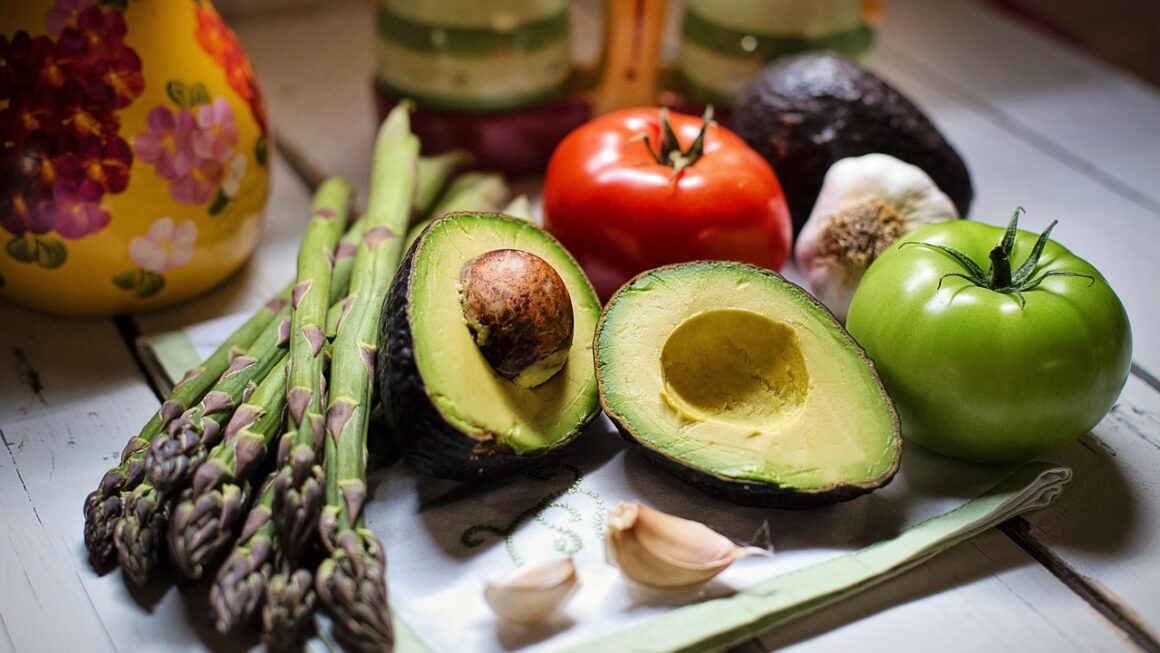
Imagine a plate bursting with the vibrant colors of nature, alive with nutrients, and teeming with energy. This isn’t just a picturesque fantasy; it’s the daily reality for those who embrace raw vegan meals. Far from being restrictive, a raw vegan diet opens up a world of culinary creativity, transforming fresh, uncooked plant-based ingredients into extraordinarily delicious and health-boosting dishes. If you’re curious about unlocking peak vitality, exploring a sustainable lifestyle, and savoring food in its purest form, dive into the exciting universe of raw vegan cuisine.
What Are Raw Vegan Meals? Understanding the Core Principles
At its heart, a raw vegan diet is a plant-based eating pattern that emphasizes foods consumed in their natural, uncooked state. This approach centers on preserving the integrity of nutrients, enzymes, and vital energy often diminished or destroyed by heat.
Defining Raw Veganism
The primary characteristic of raw veganism is its commitment to foods that haven’t been cooked above a specific temperature, typically 118°F (48°C). This threshold is believed to maintain the full spectrum of enzymes, vitamins, and minerals inherently present in fresh produce. The diet strictly excludes all animal products, including meat, dairy, eggs, and honey (though some raw vegans consume raw, unheated honey).
- Uncooked: Foods are consumed raw, or gently warmed below 118°F.
- Plant-Based: Exclusively fruits, vegetables, nuts, seeds, sprouts, and grains (soaked/sprouted).
- Minimally Processed: Focus on whole, unprocessed ingredients.
- Living Foods: Emphasis on foods that are enzyme-rich and full of life force.
Why Choose Raw? The Philosophy Behind It
Adherents to raw veganism often cite a range of motivations, from profound health benefits to ethical and environmental concerns. The core philosophy revolves around the belief that consuming foods in their natural state provides the body with optimal nutrition and vitality.
- Nutrient Preservation: Cooking, especially at high temperatures, can degrade heat-sensitive vitamins (like Vitamin C and some B vitamins) and alter proteins and fats.
- Enzyme Activity: Raw food advocates believe that natural enzymes in uncooked foods aid digestion and reduce the body’s enzymatic burden.
- Detoxification and Energy: Many report increased energy levels, improved digestion, and enhanced detoxification processes when consuming a raw vegan diet.
- Ethical and Environmental Impact: Aligning with broader vegan principles, raw veganism supports animal welfare and a reduced ecological footprint.
Actionable Takeaway: To dip your toes into raw veganism, start by understanding that it’s about embracing foods in their most natural, unprocessed form, prioritizing nutrient density over culinary alteration.
The Abundant Benefits of Embracing Raw Veganism
Beyond the philosophical appeal, the practical benefits of incorporating more raw vegan meals into your diet are numerous and often profound. From enhanced physical health to a positive environmental impact, this lifestyle offers a holistic approach to well-being.
Enhanced Nutritional Intake
Raw vegan meals are inherently packed with crucial nutrients that support overall health, often surpassing the nutrient density of conventional diets.
- Rich in Vitamins and Minerals: Fresh fruits and vegetables are powerhouses of vitamins (C, A, K, folate) and minerals (potassium, magnesium).
- Antioxidant Abundance: A colorful array of raw produce delivers a high dose of antioxidants, which combat free radicals and reduce oxidative stress.
- Fiber-Dense: High fiber content aids digestion, promotes satiety, and supports a healthy gut microbiome.
- Superior Hydration: Water-rich foods like cucumbers, celery, and melon contribute significantly to daily hydration requirements.
Potential Health Improvements
Many individuals experience significant improvements in various aspects of their health when transitioning to a raw vegan diet, often attributed to the high nutrient and enzyme content.
- Weight Management: Naturally low in calories and high in fiber, raw vegan meals can support healthy weight loss and maintenance.
- Increased Energy Levels: Many report a noticeable boost in energy and mental clarity, often attributing it to improved digestion and nutrient absorption.
- Reduced Risk of Chronic Diseases: A diet rich in whole, unprocessed plant foods is associated with a lower risk of heart disease, type 2 diabetes, and certain cancers.
- Improved Skin and Hair: The abundance of antioxidants, vitamins, and hydrating foods can lead to a healthier, more radiant complexion and stronger hair.
Environmental and Ethical Impact
Choosing raw vegan meals extends benefits beyond personal health, contributing to a more sustainable and compassionate world.
- Reduced Carbon Footprint: Plant-based diets generally require fewer resources (land, water, energy) and produce fewer greenhouse gas emissions than diets high in animal products.
- Support for Sustainable Agriculture: Focusing on whole, often locally sourced produce encourages sustainable farming practices.
- Ethical Choices: By abstaining from all animal products, raw veganism aligns with a compassionate stance towards animal welfare.
Actionable Takeaway: Incorporate at least one raw vegan meal into your day, such as a large salad for lunch or a fruit-and-green smoothie for breakfast, to immediately boost your nutrient intake.
Essential Ingredients and Tools for Your Raw Vegan Kitchen
Setting up your raw vegan kitchen doesn’t require a complete overhaul, but a few key staples and gadgets can significantly enhance your culinary journey, making delicious raw vegan meals more accessible and enjoyable.
Must-Have Raw Vegan Staples
Stocking your pantry and fridge with these versatile ingredients will lay the foundation for countless creative raw vegan dishes.
- Abundant Fruits: Apples, bananas, berries (strawberries, blueberries), oranges, melons, grapes – for smoothies, snacks, and desserts.
- Leafy Greens & Vegetables: Spinach, kale, romaine lettuce, cucumbers, carrots, bell peppers, zucchini, broccoli – for salads, wraps, and bases.
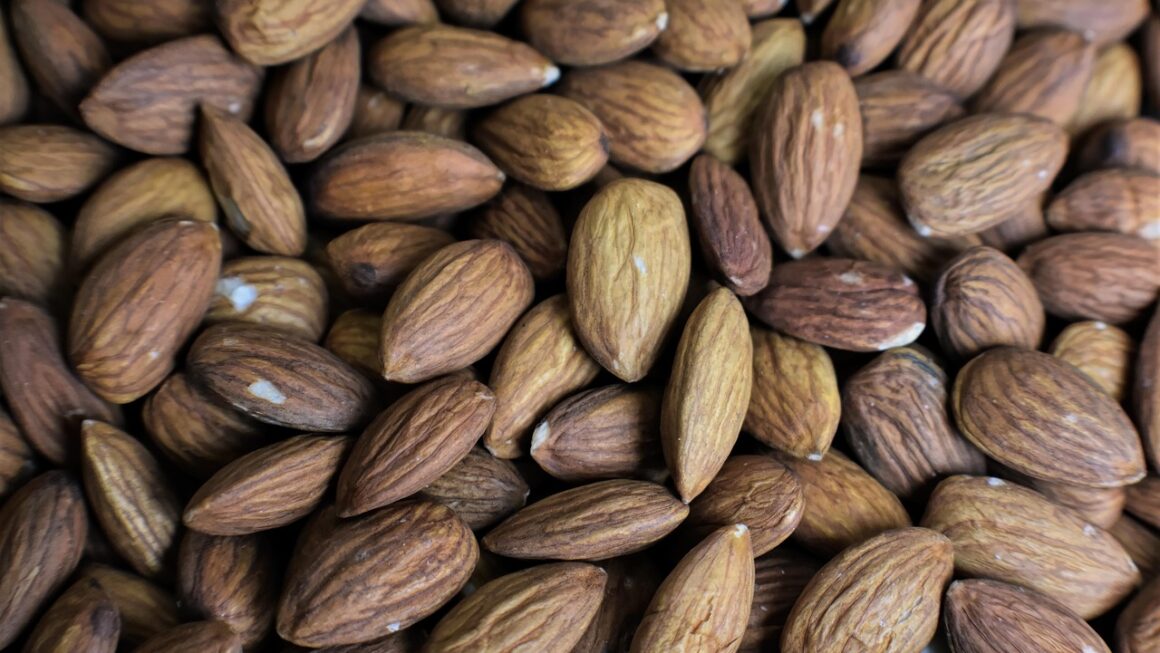
- Nuts & Seeds: Almonds, cashews, walnuts, pecans, chia seeds, flax seeds, hemp seeds, sunflower seeds – for milks, cheeses, dressings, and energy bites. Always buy raw, unsalted varieties.
- Healthy Fats: Avocados, cold-pressed olive oil, coconut oil (use sparingly if trying to stay fully raw, as it can solidify) – for richness and satiety.
- Superfoods & Flavor Boosters: Cacao powder, spirulina, nutritional yeast, sea salt, dried herbs and spices, dates, agave nectar or maple syrup (raw variety) – for flavor and nutrient enhancement.
- Sprouted Grains & Legumes: If incorporating grains/legumes, ensure they are soaked and sprouted (e.g., buckwheat, quinoa, lentils) rather than cooked.
Key Kitchen Gadgets
While not strictly necessary to start, these tools can greatly expand your raw vegan meal repertoire and simplify preparation.
- High-Speed Blender: Indispensable for silky-smooth smoothies, creamy dressings, nut milks, and raw soups. Brands like Vitamix or Blendtec are popular choices.
- Food Processor: Essential for making raw “rice,” nut-based cheeses, pâtés, burger patties, and processing larger quantities of vegetables.
- Dehydrator: Perfect for creating raw crackers, kale chips, fruit leathers, vegetable wraps, and warming foods gently without cooking.
- Spiralizer: Transforms vegetables like zucchini, carrots, and cucumbers into “noodles” for pasta dishes, adding a fun and healthy twist.
- Juicer: For fresh, enzyme-rich vegetable and fruit juices.
Actionable Takeaway: Invest in a good quality high-speed blender first, as it’s the most versatile tool for easily making delicious raw vegan meals. Stock up on a variety of fresh produce, nuts, and seeds to ensure diverse options.
Delicious and Diverse Raw Vegan Meal Ideas
Dispelling the myth that raw vegan meals are bland or limited, this section offers a glimpse into the incredible diversity and flavors you can create, from energizing breakfasts to gourmet dinners.
Breakfast Brilliance
Start your day with a burst of energy and nutrients that will keep you feeling full and vibrant.
- Green Smoothies: Blend leafy greens (spinach, kale), fruits (banana, berries), water or nut milk, and optional superfoods like chia seeds or spirulina.
- Chia Seed Pudding: Soak chia seeds in nut milk with a touch of sweetener (dates, maple syrup) overnight, then top with fresh fruit, nuts, and shredded coconut.
- Fruit Salads: A simple yet powerful start, combining seasonal fruits for natural sweetness and hydration.
- Overnight Oats (Raw Version): Soak raw rolled oats (ensure they are truly raw/gluten-free if needed) in nut milk with spices and fruit overnight.
Lunchtime Delights
Keep your energy steady through the afternoon with light yet satisfying raw vegan lunches.
- Massive Mason Jar Salads: Layer dressing at the bottom, then hard vegetables (carrots, bell peppers), grains/beans (sprouted quinoa), softer veggies, and finally leafy greens on top. Shake and serve!
- Lettuce Wraps/Tacos: Use large lettuce leaves (romaine, butter lettuce) as wraps for a filling of seasoned nut “meat,” chopped veggies, and a creamy cashew sour cream.
- Zucchini Noodles with Pesto: Spiralize zucchini into “zoodles” and toss with a vibrant raw pesto made from basil, pine nuts (or walnuts), nutritional yeast, garlic, and olive oil.
- Raw “Sushi” Rolls: Instead of rice, use finely chopped cauliflower or a mix of nuts and seeds for the base, then roll with nori sheets, avocado, cucumber, and carrots.
Savory Dinners and Snacks
Experience the richness and complexity of raw vegan dinners, proving that “no-cook” doesn’t mean “no flavor.”
- Raw Lasagna: Layer thinly sliced zucchini or eggplant “pasta” with rich cashew cheese, marinara sauce (blended tomatoes, herbs), and spinach.
- Raw Pizza: Create a crust from dehydrated nuts and seeds, then top with fresh tomato sauce, cashew ricotta, and an abundance of fresh vegetables and herbs.
- Nut Loafs/Burgers: Blend nuts, seeds, mushrooms, and spices, then dehydrate or simply shape into patties for a hearty, savory meal.
- Kale Chips: Toss kale with a savory dressing (e.g., tahini, nutritional yeast, lemon) and dehydrate until crispy for a healthy, addictive snack.
- Energy Balls: Dates, nuts, seeds, and superfoods blended and rolled into bite-sized treats.
Practical Tip for Meal Prep: Prep your dressings and sauces in advance. Soak nuts and seeds overnight for easier blending and digestion. Chop a variety of veggies at the beginning of the week to quickly assemble salads and wraps.
Actionable Takeaway: Experiment with one new raw vegan meal idea this week. Try a gourmet raw lasagna or simple zucchini noodles with pesto to discover how flavorful raw can be.
Transitioning to a Raw Vegan Lifestyle: Tips for Success
Embracing a raw vegan diet can be a transformative experience, but like any significant dietary change, it benefits from a thoughtful and gradual approach. Here’s how to set yourself up for success.
Start Gradually
Sudden, drastic changes can be overwhelming and difficult to sustain. Ease into the raw vegan lifestyle at a pace that feels comfortable for you.
- Add More, Not Just Subtract: Focus on increasing your intake of raw fruits and vegetables rather than immediately restricting cooked foods.
- Replace One Meal: Start by making one meal per day (e.g., breakfast or lunch) entirely raw. A green smoothie for breakfast is an easy entry point.
- Increase Percentage: Gradually aim for 50%, then 75%, and eventually 100% raw if that’s your goal. Listen to your body throughout the process.
Focus on Variety and Nutrient Density
A successful raw vegan diet is diverse and ensures all nutritional needs are met. Avoid falling into the trap of eating only a few types of food.
- Eat the Rainbow: Consume a wide array of colorful fruits and vegetables to ensure a broad spectrum of vitamins, minerals, and antioxidants.
- Include Healthy Fats: Don’t shy away from avocados, nuts, and seeds. They provide essential fatty acids, satiety, and aid in the absorption of fat-soluble vitamins.
- Source Protein Smartly: Ensure adequate protein from leafy greens, sprouts, nuts, seeds, and superfoods like spirulina.
Hydration and Supplementation
Proper hydration is crucial, and certain supplements may be necessary, especially if you plan to go 100% raw vegan long-term.
- Drink Plenty of Water: Even though raw foods are hydrating, plain filtered water is essential. Herbal teas are also a great option.
- Consider B12: Vitamin B12 is not reliably found in plant foods, so supplementation is recommended for all vegans, raw or otherwise.
- Vitamin D: Depending on sun exposure, Vitamin D supplementation may be beneficial.
- Omega-3s: While flax and chia seeds provide ALA, some may consider an algal oil supplement for EPA/DHA.
Seek Community and Resources
Connecting with others and utilizing available resources can provide invaluable support and inspiration on your raw vegan journey.
- Cookbooks and Blogs: Explore the vast world of raw vegan recipes online and in print to keep your meals exciting.
- Online Communities: Join forums, social media groups, or local meetups for shared experiences, tips, and motivation.
- Consult a Professional: If you have specific health concerns or are considering a complete transition, consult a nutritionist or dietitian experienced in plant-based diets.
Actionable Takeaway: Start by replacing one cooked meal a day with a raw vegan alternative. Focus on adding more raw foods to your plate and ensure you are consuming a wide variety of plant-based ingredients for balanced nutrition.
Conclusion
Embarking on a journey with raw vegan meals is an invitation to experience food in its most natural, vibrant, and health-enhancing form. It’s a path that promises a deep connection to nature’s bounty, delivering an abundance of nutrients, enzymes, and life-giving energy directly to your plate. From the simplicity of a green smoothie to the gourmet complexity of a raw lasagna, the possibilities for delicious and satisfying raw vegan cuisine are truly endless. By embracing fresh, whole, unprocessed plant foods, you’re not just choosing a diet; you’re choosing a lifestyle rich in vitality, sustainability, and unparalleled flavor. Dive in, experiment, and discover the transformative power of raw vegan meals for yourself.