Gone are the days when a vegan diet was synonymous with a protein deficiency. In fact, a thoughtfully planned plant-based diet can easily provide all the protein your body needs to thrive, build muscle, and stay energized. Whether you’re a seasoned vegan, curious about transitioning, or simply looking to incorporate more plant-based goodness into your diet, understanding how to craft delicious and satisfying high-protein vegan meals is key. Prepare to discover a world where robust flavors meet incredible nutritional power, proving that plants are indeed mighty protein sources.
Why Focus on High-Protein Vegan Meals?
Protein is a fundamental macronutrient, crucial for virtually every bodily function. While concerns about protein intake are often raised when discussing plant-based diets, the reality is that a diverse vegan diet can easily meet, and even exceed, protein requirements. Focusing on high-protein vegan meals offers a myriad of health and performance benefits.
The Multifaceted Benefits of Protein
- Muscle Growth and Repair: Protein is the building block of muscle tissue. Adequate intake is essential for repairing muscle fibers after exercise and promoting new muscle synthesis, making it vital for athletes and active individuals.
- Satiety and Weight Management: Protein has a high satiety index, meaning it helps you feel fuller for longer. This can reduce overall calorie intake and support healthy weight management goals by curbing cravings.
- Metabolic Boost: The thermic effect of food (TEF) is higher for protein than for carbohydrates or fats, meaning your body burns more calories digesting and metabolizing protein.
- Hormone and Enzyme Production: Proteins are integral to the creation of hormones, enzymes, and other crucial molecules that regulate various bodily processes.
- Bone Health: Emerging research suggests that adequate protein intake, particularly from plant sources, is beneficial for bone mineral density and overall bone health.
Actionable Takeaway: Prioritize protein in your meals to support muscle health, manage hunger, and boost your metabolism. Don’t underestimate the power of plants to deliver this essential nutrient.
Dispelling the Protein Myth: Plants Pack a Punch
The misconception that plant-based diets are inherently low in protein is stubbornly persistent. However, the plant kingdom is abundant with protein-rich foods. The key is variety and conscious choices. With a diverse array of legumes, grains, nuts, seeds, and soy products, meeting your daily protein needs on a vegan diet is not only achievable but often comes with added benefits like fiber and essential micronutrients.
- Comprehensive Amino Acid Profiles: While some individual plant proteins may be “incomplete” (lacking one or more essential amino acids), combining various plant proteins throughout the day (e.g., beans and rice) ensures you get all essential amino acids. Many plant foods, like soy and quinoa, are complete proteins on their own.
- Fiber-Rich Goodness: Unlike animal proteins, plant proteins come packaged with dietary fiber, which aids digestion, promotes gut health, and helps regulate blood sugar levels.
Actionable Takeaway: Forget the myth! Embrace a wide variety of plant foods to ensure a complete and robust amino acid profile. Most protein deficiencies in the world are related to calorie deficiency, not a lack of specific protein sources.
Top Plant-Based Protein Powerhouses
Understanding which plant foods are highest in protein is your first step to crafting incredible high-protein vegan meals. These staples should form the backbone of your diet.
Legumes & Pulses: The Unsung Heroes
Beans, lentils, and chickpeas are incredibly versatile, affordable, and nutrient-dense, offering substantial protein per serving.
- Lentils: Approximately 18g of protein per cooked cup. Excellent in soups, stews, dahls, or as a base for vegan “meat” loaf.
- Black Beans/Kidney Beans: Around 15g of protein per cooked cup. Perfect for chili, tacos, burritos, or homemade veggie burgers.
- Chickpeas (Garbanzo Beans): About 15g of protein per cooked cup. The star of hummus, roasted snacks, curries, and salads.
Practical Tip: Keep canned legumes stocked for quick meals, or buy dried varieties and cook in bulk for cost savings.
Soy Products: Complete Protein Champions
Soy foods are not only high in protein but also considered complete proteins, containing all nine essential amino acids.
- Tofu: 10-20g of protein per 100g, depending on firmness. A culinary chameleon, it absorbs flavors beautifully. Use extra-firm for scrambles, stir-fries, or baking; silken for creamy sauces and smoothies.
- Tempeh: Around 19g of protein per 100g. Fermented soybean product with a firmer texture and nutty flavor. Great for grilling, frying, or crumbling into pasta sauces.
- Edamame: About 11g of protein per 100g. Young soybeans, delicious steamed as a snack or added to salads and bowls.
Practical Tip: Marinate tofu or tempeh for at least 30 minutes to infuse flavor and enhance their deliciousness.
Grains & Seeds: Tiny but Mighty
Many grains and seeds offer a significant protein boost, alongside healthy fats and fiber.
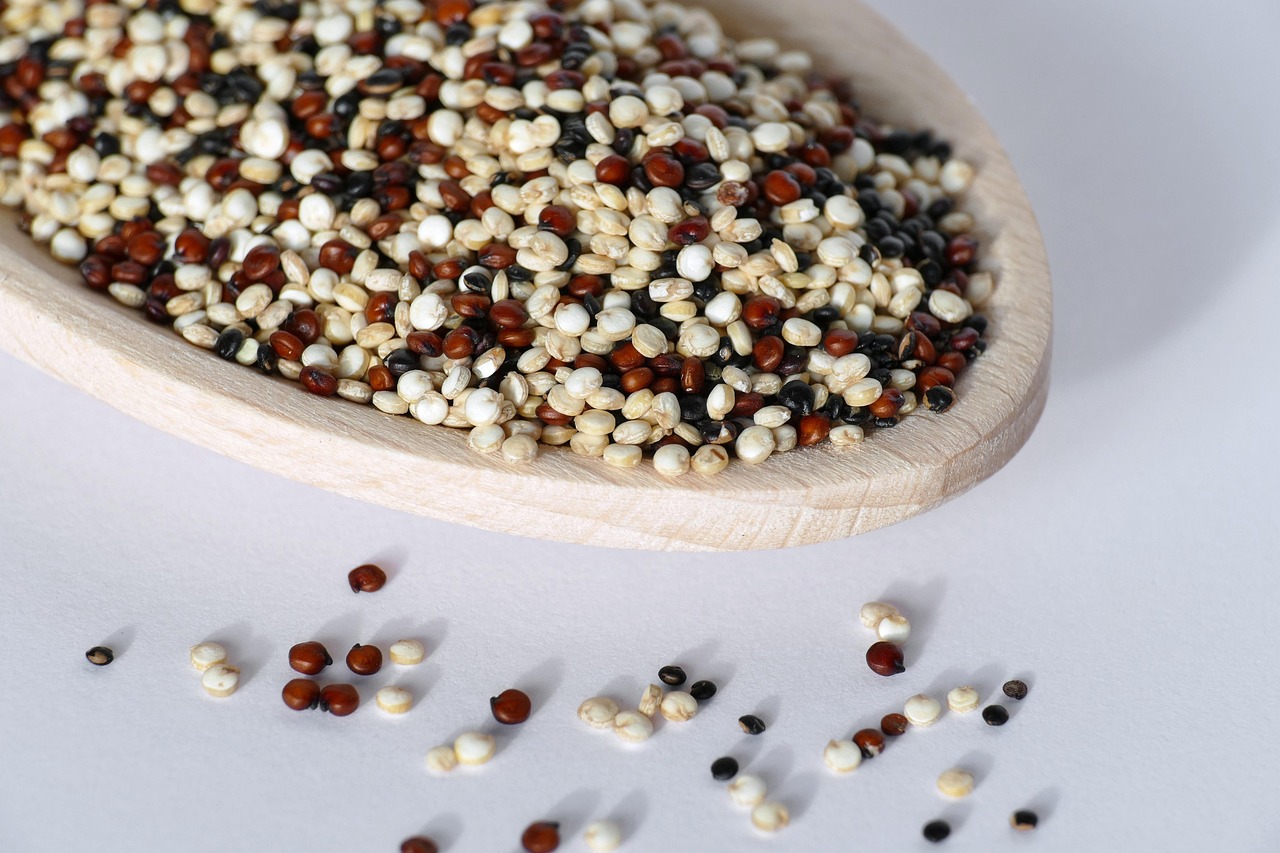
- Quinoa: About 8g of protein per cooked cup. A complete protein, fantastic as a side dish, salad base, or breakfast porridge.
- Chia Seeds: Approximately 5g of protein per 2 tablespoons. Also rich in omega-3s and fiber. Use in puddings, smoothies, or as an egg replacer.
- Hemp Seeds: About 10g of protein per 3 tablespoons. Boasts a soft texture and nutty flavor. Sprinkle on salads, oatmeal, or blend into dressings.
- Oats: Roughly 6g of protein per 1/2 cup dry. A breakfast staple that can be easily boosted with nuts and seeds.
Practical Tip: Incorporate a variety of seeds into your daily diet for a diverse nutrient profile. They are easy to add to almost anything!
Nuts & Nut Butters: Healthy Fats and Protein
While higher in fat, nuts and their butters provide a convenient protein source.
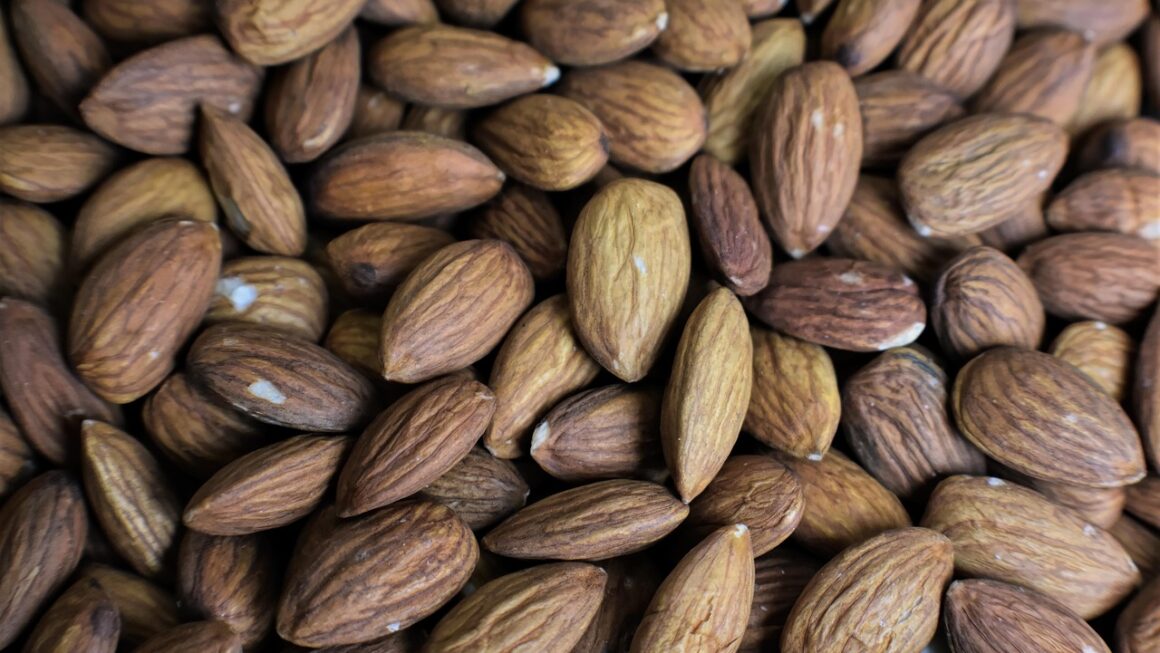
- Almonds: About 6g of protein per ounce (approx. 23 almonds).
- Peanuts/Peanut Butter: Around 7g of protein per 2 tablespoons of peanut butter.
- Cashews: Roughly 5g of protein per ounce.
Practical Tip: Choose natural, unsweetened nut butters to avoid added sugars and unhealthy oils.
Specialty Vegan Proteins: Seitan & Protein Powders
For those looking for highly concentrated protein options, these can be excellent additions.
- Seitan: Made from wheat gluten, seitan is incredibly high in protein, often 20-25g per 100g. It has a chewy, “meaty” texture, perfect for stir-fries, stews, or grilling. (Note: Not suitable for gluten-sensitive individuals).
- Vegan Protein Powders: Pea, rice, hemp, or mixed-plant protein powders can provide an easy 20-30g of protein per scoop, ideal for post-workout shakes or meal replacements.
Actionable Takeaway: Stock your pantry with a variety of these high-protein staples. Experiment with different combinations to keep your meals exciting and nutritionally complete.
Crafting Balanced High-Protein Vegan Meals
It’s not just about individual ingredients; it’s about combining them smartly to create delicious, balanced, and high-protein vegan meals for any time of day.
Breakfast Power-Ups: Start Your Day Strong
Kickstart your metabolism and keep hunger at bay with these protein-packed breakfast ideas.
- Tofu Scramble Supreme: Crumble extra-firm tofu and sauté with nutritional yeast (for cheesy flavor), turmeric (for color), black salt (for eggy flavor), onions, bell peppers, and spinach. Serve with a side of black beans or avocado.
- Protein-Packed Oatmeal: Cook oats with plant milk, then stir in a scoop of vegan protein powder, chia seeds, hemp seeds, and a spoonful of nut butter. Top with fresh berries.
- Green Smoothie Bomb: Blend spinach, plant milk, a banana, a scoop of vegan protein powder, chia seeds, and a spoonful of almond butter for a quick, nutrient-dense breakfast.
Practical Example: A serving of tofu scramble with a quarter cup of black beans can provide over 20g of protein before even considering other additions.
Lunch & Dinner Delights: Hearty and Satisfying
These meal ideas are perfect for keeping you full and energized throughout the afternoon and evening.
- Lentil Shepherd’s Pie: A savory base of lentils, carrots, peas, and herbs, topped with creamy mashed potatoes. Hearty and comforting.
- Chickpea and Vegetable Curry: Simmer chickpeas and a medley of vegetables (broccoli, bell peppers, spinach) in a rich coconut milk curry sauce. Serve with quinoa or brown rice.
- Protein Bowl Extravaganza: Create a customizable bowl with a base of quinoa or brown rice, roasted tofu or tempeh, steamed edamame, mixed greens, avocado, and a tahini-lemon dressing.
- Black Bean Burgers with a Twist: Make homemade black bean burgers, packed with spices and oats, and serve on a whole-grain bun with all your favorite toppings.
Practical Example: A Protein Bowl with 1 cup cooked quinoa (8g protein), 4 oz roasted tempeh (22g protein), 1/2 cup edamame (9g protein), and a spoonful of hemp seeds (3g protein) easily totals over 40g of protein for a single meal.
Snack Smart: Protein Between Meals
Don’t let your protein intake dip between meals. Smart snacking keeps energy levels stable.
- Roasted Chickpeas: Toss chickpeas with spices (smoked paprika, cumin, salt) and roast until crispy for a satisfying, crunchy snack.
- Edamame Pods: Steamed edamame, lightly salted, makes a perfect protein-rich snack.
- Apple Slices with Peanut Butter: A classic combination that delivers both fiber and protein.
- Vegan Protein Bars: Choose bars with whole-food ingredients and minimal added sugars for a convenient protein boost.
Actionable Takeaway: Plan your meals and snacks in advance to ensure consistent protein intake throughout the day. Don’t be afraid to experiment with different combinations to find your favorites.
Practical Tips for Maximizing Protein Intake
Beyond knowing your protein sources, a few strategic approaches can help you optimize your protein intake on a vegan diet.
Portion Sizes Matter
While many plant foods contain protein, the amount varies. Pay attention to portion sizes, especially for staples like legumes, tofu, and grains, to ensure you’re getting enough. For instance, a small handful of nuts is a good snack, but a larger serving might be needed if it’s your primary protein source for that meal.
- Be Mindful of Your Needs: General recommendations suggest around 0.8 grams of protein per kilogram of body weight for average adults. Active individuals or those aiming for muscle gain may benefit from 1.2-2.0 grams per kilogram.
- Use a Food Tracker (Initially): If you’re unsure, tracking your intake for a few days can help you understand how much protein you’re currently consuming and where you can make adjustments.
Actionable Takeaway: Estimate your daily protein goal and consciously add protein-rich components to each meal and snack to reach it.
Strategic Snacking
Don’t just snack on fruits and vegetables alone. Pair them with a protein source to increase satiety and stabilize blood sugar.
- Pairing Power: Combine an apple with almond butter, carrots with hummus, or berries with a handful of pumpkin seeds.
- Prep Ahead: Have pre-portioned containers of roasted chickpeas, edamame, or trail mix ready for easy grab-and-go options.
Actionable Takeaway: Make your snacks count by ensuring they include a significant protein component. This helps prevent energy crashes and overeating at main meals.
Cooking Methods for Protein Retention
While most cooking methods don’t drastically alter protein content, some practices can make your plant proteins more digestible and appealing.
- Soaking and Sprouting: Soaking legumes and grains before cooking can improve digestibility and nutrient absorption by reducing anti-nutrients. Sprouting takes this a step further, often enhancing protein bioavailability.
- Minimal Processing: Opt for whole-food protein sources over highly processed vegan meats when possible, to maximize nutrient density and minimize additives.
Actionable Takeaway: Incorporate traditional preparation methods like soaking and sprouting to enhance the nutritional value and digestibility of your plant-based proteins.
Consider Supplementation (When Appropriate)
While most protein needs can be met through whole foods, vegan protein powders can be a convenient supplement for specific situations.
- Post-Workout Recovery: A protein shake can be an efficient way to deliver amino acids to muscles quickly after intense exercise.
- Meal Replacement: For busy individuals, a protein shake can serve as a quick, balanced meal when whole food options are not feasible.
- Boosting Intake: If you struggle to meet your protein goals through diet alone, a daily scoop of protein powder can help bridge the gap.
Actionable Takeaway: Use vegan protein supplements strategically as a complement to your whole-food diet, not as a replacement for nutrient-dense meals.
Hydration & Digestion
Protein, especially when increasing intake, requires adequate hydration for optimal digestion and kidney function. Fiber-rich plant proteins also benefit from plenty of water.
- Drink Water Regularly: Aim for at least 8 glasses of water throughout the day.
- Chew Thoroughly: Proper chewing breaks down food, aiding the digestive process and nutrient absorption.
Actionable Takeaway: Don’t forget the basics! Adequate water intake and mindful eating habits are crucial for maximizing the benefits of your high-protein vegan diet.
Conclusion
Embracing high-protein vegan meals is not only achievable but can also be incredibly delicious, diverse, and beneficial for your health. By understanding the power of plant-based protein sources like legumes, soy products, grains, and seeds, you can effortlessly craft satisfying meals that fuel your body, support muscle growth, and keep you feeling full and energized. Forget the protein myths and unlock the full potential of a plant-powered plate. With a little planning and creativity, you’ll discover that a high-protein vegan lifestyle is not just possible, but incredibly rewarding.