In our increasingly busy lives, finding time to prepare nutritious and delicious meals can often feel like a juggling act. But what if there was a way to create wholesome, flavor-packed dinners with minimal effort, allowing you to reclaim your evenings? Enter the humble slow cooker – a kitchen marvel that, when paired with the vibrant world of vegetarian ingredients, transforms into your ultimate ally for easy, healthy, and incredibly satisfying plant-based meals. Imagine coming home to the comforting aroma of a perfectly cooked curry or a hearty stew, ready to be served, all thanks to a few minutes of prep earlier in the day. Get ready to unlock the magic of veg slow cooker meals and revolutionize your approach to home cooking.
Why Embrace Veg Slow Cooker Meals?
The slow cooker isn’t just a gadget; it’s a lifestyle enhancer, especially for those embracing a plant-based diet. Its “set it and forget it” nature makes it perfect for busy individuals and families, ensuring you never have to compromise on nutrition or taste, even on the most hectic days.
Time-Saving Convenience
- Hands-off Cooking: Simply add your ingredients in the morning, switch it on, and let it simmer throughout the day. No constant stirring, no worrying about burning.
- Reduced Evening Stress: Eliminate the frantic rush of dinner prep after a long day. Your meal is ready when you are.
- Batch Cooking & Meal Prep: Easily cook larger quantities for leftovers, lunches, or freezing, streamlining your meal planning for the entire week. This is a game-changer for vegetarian meal prep.
Actionable Takeaway: Dedicate 15-20 minutes on a Sunday evening to chop vegetables and measure spices for 2-3 slow cooker meals to be cooked later in the week. Store prepped ingredients in separate containers in the fridge.
Nutrient Retention & Flavor Development
- Gentle Cooking Process: The low, consistent heat helps retain more water-soluble vitamins and minerals compared to high-heat cooking methods.
- Deep, Mellow Flavors: Long cooking times allow flavors to meld and deepen beautifully. Spices bloom, vegetables soften to perfection, and sauces become rich and complex, making your plant-based crockpot dishes incredibly satisfying.
- Tender Textures: Tougher vegetables and legumes break down slowly, resulting in wonderfully tender and digestible meals.
Actionable Takeaway: Utilize dried herbs and spices in your slow cooker as their flavors intensify over time. For fresh herbs, add them towards the end of cooking to preserve their vibrant taste and aroma.
Budget-Friendly and Waste-Reducing
- Economical Ingredients: Slow cookers excel with inexpensive ingredients like lentils, beans, root vegetables, and tougher greens, transforming them into gourmet-tasting dishes.
- Less Food Waste: Extend the life of wilting vegetables by tossing them into a slow cooker soup or stew. It’s a fantastic way to use up odds and ends from your fridge, making your vegan slow cooker recipes both delicious and sustainable.
- Homemade Savings: Cooking at home, especially in bulk, is significantly cheaper than eating out or relying on processed foods.
Actionable Takeaway: Keep a “slow cooker scrap bag” in your freezer for vegetable ends, peels, and wilting greens. Once full, use them to make a rich vegetable broth for your next slow cooker creation.
Essential Gear & Prep Tips for Veg Slow Cooking
While slow cooking is inherently simple, a few considerations regarding your equipment and preparation can significantly enhance your experience and the quality of your meals.
Choosing Your Slow Cooker
Not all slow cookers are created equal. Understanding the options will help you pick the best one for your needs.
- Capacity:
- 2-3 quart: Ideal for 1-2 people or small side dishes.
- 4-6 quart: Standard size, great for families of 3-5 or for moderate meal prepping. This is often the most versatile size for vegetarian slow cooker recipes.
- 7+ quart: Best for large families, entertaining, or extensive batch cooking.
- Features:
- Programmable Timers: Allow you to set specific cooking times and then automatically switch to a “warm” setting.
- Keep Warm Function: Essential for preventing overcooking if you’re not home exactly when the meal finishes.
- Sear Function: Some modern slow cookers or multi-cookers (like Instant Pots with a slow cooker function) allow you to sear ingredients directly in the pot, building foundational flavor before slow cooking.
- Shape: Oval is generally preferred for larger cuts of vegetables or casseroles, while round is good for stews and soups.
Actionable Takeaway: If you’re new to slow cooking, start with a 4-6 quart programmable model. It offers flexibility without being overly complex.
Must-Have Pantry Staples for Veg Slow Cooker Meals
Having a well-stocked pantry is key to whipping up delicious easy healthy slow cooker meals on a whim.
- Legumes: Dried or canned beans (chickpeas, black beans, kidney beans), lentils (red, green, brown), split peas.
- Grains: Quinoa, farro, barley, brown rice (note: some grains are better added towards the end to prevent mushiness).
- Canned Goods: Diced tomatoes, crushed tomatoes, tomato paste, coconut milk, vegetable broth.
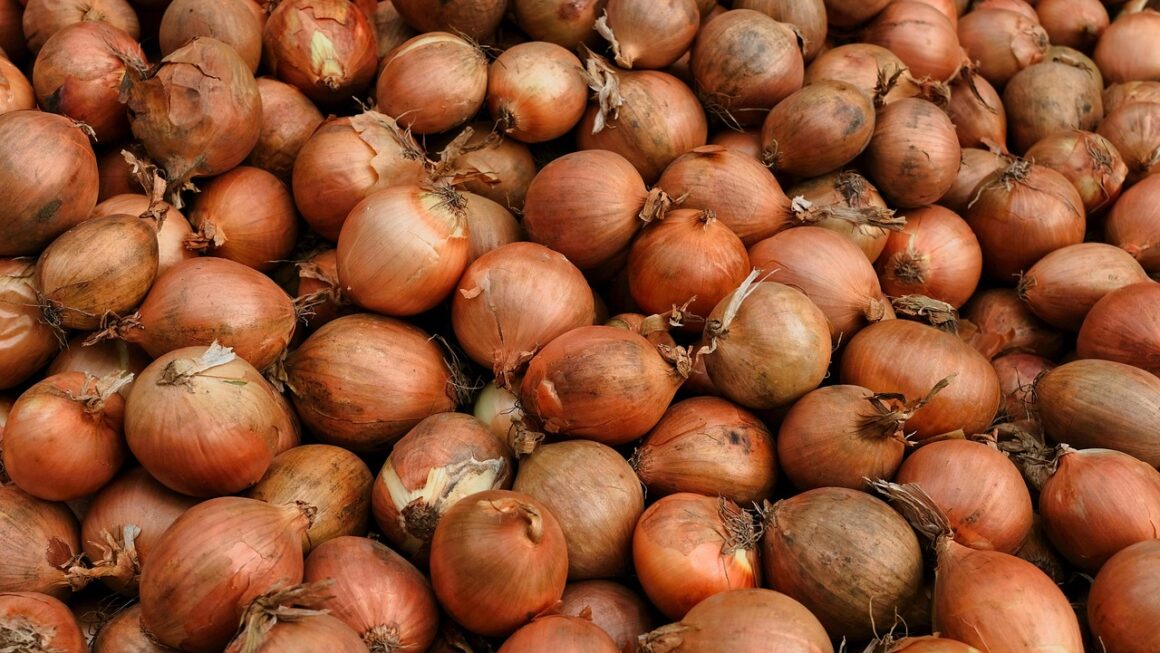
- Aromatics: Onions, garlic, ginger (fresh or pre-minced).
- Spices & Herbs: Cumin, coriander, turmeric, smoked paprika, chili powder, curry powder, bay leaves, oregano, thyme.
- Root Vegetables: Potatoes, sweet potatoes, carrots, parsnips.
- Acids: Vinegar (apple cider, red wine), lemon juice for brightness.
Actionable Takeaway: Create a dedicated “slow cooker essentials” shelf in your pantry to quickly grab ingredients for your next meal.
Smart Ingredient Prep
A little upfront prep makes a big difference in the final outcome.
- Chop Evenly: For vegetables like carrots, potatoes, and sweet potatoes, cut them into roughly equal-sized pieces to ensure even cooking. Smaller pieces cook faster.
- Layering Matters: Place tougher, slower-cooking vegetables (like carrots, potatoes) at the bottom of the slow cooker, closer to the heat source. More delicate vegetables (like bell peppers, spinach) can go on top or be added later.
- Sautéing Aromatics (Optional but Recommended): Briefly sautéing onions, garlic, and spices in a pan before adding them to the slow cooker can deepen their flavor, resulting in a richer base for your vegetarian crockpot recipes.
- Mind Your Liquid: Slow cookers retain a lot of moisture, so you generally need less liquid than conventional stovetop recipes. Start with less and add more if needed.
Actionable Takeaway: Always aim to cut your root vegetables into 1-inch chunks or smaller for consistent tenderness and to avoid crunchy surprises in your finished dish.
Top Veg Slow Cooker Meal Categories & Recipe Ideas
The versatility of a slow cooker means you can explore a wide array of international and comfort food dishes, all plant-based and bursting with flavor.
Hearty Soups & Stews
Perfect for cold weather or anytime you crave a comforting, one-pot meal.
- Classic Vegetable & Barley Stew: Combine diced carrots, celery, potatoes, onions, mushrooms, vegetable broth, bay leaves, and pearl barley. Season with thyme and rosemary. Cook on low for 6-8 hours.
- Minestrone Soup: A medley of seasonal vegetables, cannellini beans, diced tomatoes, vegetable broth, and small pasta (add pasta in the last 30 minutes). Finish with fresh basil.
- Split Pea Soup with Smoked Paprika: Green split peas, diced carrots, celery, onion, vegetable broth, and a generous amount of smoked paprika for a smoky, savory depth.
Actionable Takeaway: For a thicker soup or stew, mash a portion of the cooked vegetables against the side of the pot before serving, or blend a cup of the mixture and return it to the pot.
Flavorful Curries & Chili
The slow cooker is an ideal vessel for developing the complex flavors of spiced dishes.
- Red Lentil & Spinach Curry: Red lentils, diced onion, garlic, ginger, coconut milk, diced tomatoes, curry powder, turmeric, and fresh spinach (add in the last 30 minutes). Serve over rice or with naan. A fantastic vegetarian slow cooker curry.
- Chickpea & Sweet Potato Chili: Chickpeas, diced sweet potatoes, bell peppers, onions, crushed tomatoes, chili powder, cumin, and a touch of cocoa powder for richness. Top with avocado and cilantro.
- Thai Peanut Tofu Curry: Cubed firm tofu (pressed), red curry paste, peanut butter, coconut milk, bell peppers, and snap peas (add later). Garnish with crushed peanuts and lime.
Actionable Takeaway: Bloom your curry paste or chili powder with a little oil in a pan for a minute before adding to the slow cooker to intensify its aroma and flavor. This makes a noticeable difference in your veg slow cooker curries.
Satisfying Dals & Lentil Dishes
Legumes shine in the slow cooker, becoming incredibly tender and absorbent of flavors.
- Makhani Dal (Indian Lentil Dish): Black lentils, kidney beans, crushed tomatoes, ginger, garlic, turmeric, garam masala, and a swirl of dairy-free cream or butter at the end.
- Hearty Lentil Ragu: Brown or green lentils, crushed tomatoes, carrots, celery, onion, herbs like oregano and basil, and vegetable broth. Serve over pasta, polenta, or zucchini noodles.
- Lemon Herb Lentils: Green lentils, vegetable broth, diced carrots, celery, bay leaf, and fresh herbs (rosemary, thyme). Finish with fresh lemon juice and zest.
Actionable Takeaway: Soaking dried lentils or beans overnight can reduce cooking time slightly and improve digestibility, though it’s not strictly necessary for most slow cooker recipes.
Versatile Casseroles & Roasts
Beyond liquid-based dishes, your slow cooker can create wonderful baked-style meals.
- Root Vegetable Gratin/Roast: Layers of thinly sliced potatoes, sweet potatoes, carrots, onions, and garlic, bathed in a creamy (dairy-free) sauce or simply seasoned with herbs and olive oil. Cook until tender and slightly caramelized on the edges.
- Stuffed Bell Peppers: Halved bell peppers filled with a mixture of cooked grains (like quinoa or brown rice), black beans, corn, diced tomatoes, and spices. Place them upright in the slow cooker.
- Vegetarian Pot Roast: Large chunks of mushrooms (like portobello), carrots, potatoes, onions, and celery simmered in a rich umami-packed broth (with soy sauce/tamari, tomato paste, herbs) until incredibly tender.
Actionable Takeaway: For dishes like gratins or stuffed peppers, lightly oil the slow cooker insert to prevent sticking and ensure even browning if possible (some slow cookers allow for a slight crisping at the end).
Maximizing Flavor and Nutrition in Your Plant-Based Crockpot
While the slow cooker does most of the work, a few simple techniques can elevate your veg slow cooker meals from good to truly exceptional.
Layering Flavors
Building a strong flavor base is crucial for slow-cooked dishes.
- Aromatics First: Always start with onions, garlic, and ginger. Sautéing them briefly before adding to the slow cooker will unlock their full flavor potential.
- Spices: Add dried spices with your aromatics or liquids to allow them to bloom. For fresh spices (like grated ginger), consider adding some at the beginning and some towards the end for different flavor profiles.
- Acids: A splash of vinegar (apple cider, balsamic) or lemon/lime juice at the beginning or end can brighten flavors and cut through richness.
Actionable Takeaway: Don’t skip the step of pre-sautéing onions and garlic for 5-7 minutes. It caramelizes their natural sugars and develops a depth of flavor that raw aromatics won’t provide.
Boosting Umami
Umami is the savory fifth taste that makes food deeply satisfying. It’s especially important in plant-based cooking.
- Mushrooms: Dried porcini mushrooms (rehydrated, then chopped) or fresh cremini/portobello mushrooms add a rich, earthy umami.
- Tomato Paste: Sautéing tomato paste for a few minutes before adding liquids intensifies its flavor and provides a concentrated umami boost.
- Soy Sauce/Tamari/Miso Paste: These fermented ingredients are umami powerhouses. Add a tablespoon or two to stews, chilis, or gravies.
- Nutritional Yeast: Offers a cheesy, savory flavor without dairy. Great for soups and sauces.
Actionable Takeaway: Keep a tube of tomato paste and a package of nutritional yeast on hand. A teaspoon of either can dramatically enhance the savoriness of your plant-based slow cooker recipes.
Incorporating Superfoods
Easily boost the nutritional value of your meals by adding nutrient-dense ingredients.
- Leafy Greens: Stir in spinach, kale, or Swiss chard during the last 30-60 minutes of cooking. They wilt quickly and add vitamins and minerals without overcooking.
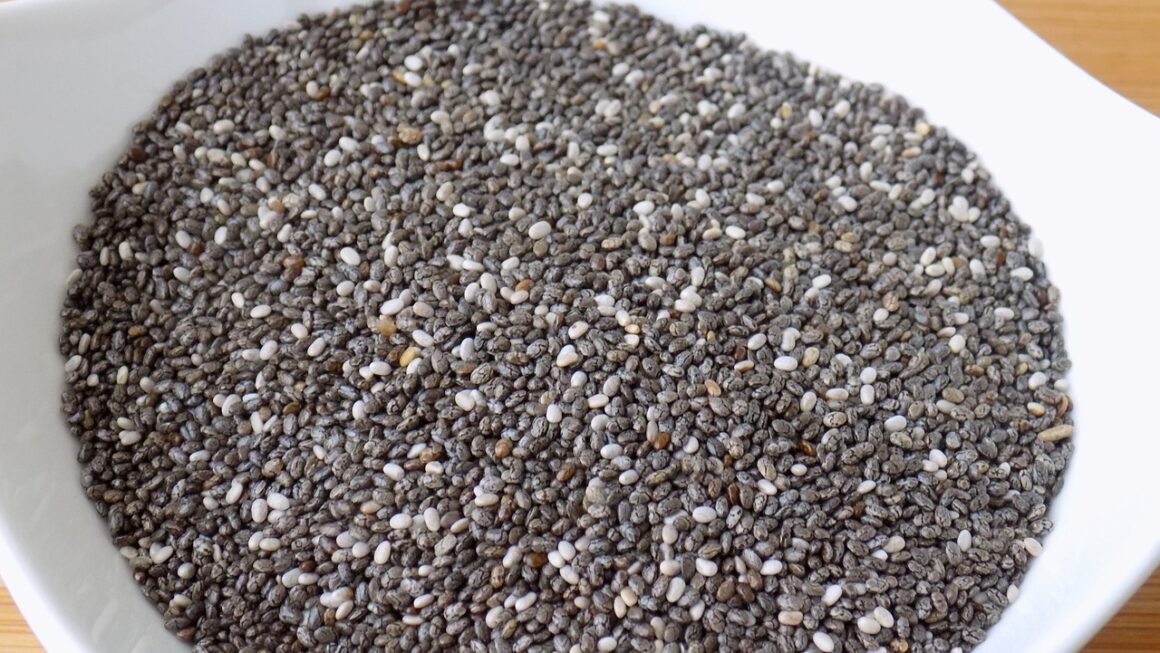
- Seeds: Hemp seeds, chia seeds, or flax seeds can be stirred in at the end of cooking or sprinkled on top for extra fiber, protein, and omega-3s.
- Nuts: Cashews, almonds, or walnuts can add healthy fats and protein. Consider blending soaked cashews into a creamy sauce for curries or adding them chopped to stews.
Actionable Takeaway: Always have a bag of frozen spinach or kale in your freezer. It’s easy to toss into your slow cooker dishes for a quick nutritional upgrade.
Finishing Touches
The final few minutes of prep can bring your dish to life.
- Fresh Herbs: Delicate herbs like cilantro, parsley, basil, or chives lose their potency when cooked for long periods. Stir them in just before serving.
- Citrus Zest & Juice: A squeeze of lemon or lime juice and a sprinkle of zest adds brightness and cuts through rich flavors.
- Aromatic Oils: A drizzle of high-quality extra virgin olive oil, toasted sesame oil, or chili oil just before serving can add another layer of flavor and aroma.
- Garnishes: Toasted nuts, seeds, croutons, or a dollop of dairy-free yogurt can add texture and visual appeal.
Actionable Takeaway: Always taste and adjust seasoning (salt, pepper, acid) at the very end. A pinch of salt, a dash of hot sauce, or a squeeze of lemon can transform a dish.
Common Mistakes to Avoid & Troubleshooting
Even seasoned slow cooker users can occasionally run into issues. Knowing common pitfalls can help you avoid them.
Overcooking Vegetables
While slow cooking is gentle, delicate vegetables can still become mushy if cooked for too long.
- Solution: Add faster-cooking vegetables (like zucchini, bell peppers, broccoli florets, leafy greens) during the last 30-60 minutes of cooking.
- Tip: Cut heartier root vegetables (potatoes, carrots) into larger, more uniform pieces to help them hold their shape better.
Actionable Takeaway: If a recipe calls for delicate veggies, make a note to add them later. You can quickly stir them in when you get home, and they’ll be perfectly tender by the time you’re ready to eat.
Too Much Liquid
Slow cookers have tight-fitting lids that trap moisture, meaning less evaporation compared to stovetop cooking. This is a frequent issue in vegetarian slow cooker recipes.
- Solution: Reduce the liquid by about one-third to one-half compared to a traditional stovetop recipe. Only fill the slow cooker about two-thirds full.
- Fix: If your dish is too watery at the end, remove the lid for the last hour or two of cooking to allow some evaporation. You can also thicken it by stirring in a slurry of cornstarch or arrowroot powder mixed with a little cold water.
Actionable Takeaway: When converting a stovetop recipe, always start with less liquid than you think you’ll need. You can always add more during cooking, but it’s harder to take it away.
Bland Flavors
Sometimes, slow-cooked dishes can taste a bit flat if not properly seasoned.
- Solution: Don’t skimp on aromatics (onions, garlic, ginger) and spices. Toasting dry spices briefly before adding them can awaken their flavors.
- Tip: Use umami-rich ingredients (tomato paste, mushrooms, soy sauce/miso, nutritional yeast). Always taste and adjust seasoning at the end, adding fresh herbs, lemon juice, or a pinch of salt/pepper to brighten flavors.
Actionable Takeaway: Follow the “layering flavors” and “boosting umami” tips religiously. These are your best defenses against a bland dish.
Food Safety Tips
Slow cookers are generally safe, but a few precautions are essential.
- Thawing: Always use fully thawed ingredients. Do not put frozen vegetables or legumes directly into a slow cooker, as they can keep the temperature in the “danger zone” for too long.
- Temperature: Ensure your slow cooker heats food to at least 165°F (74°C) within a few hours.
- Refrigeration: Cool leftovers quickly (within 2 hours) and refrigerate in shallow containers. Reheat thoroughly to 165°F (74°C).
- Lid On: Avoid lifting the lid frequently, as each lift can add 20-30 minutes to the cooking time.
Actionable Takeaway: Always plan ahead to ensure all your ingredients, especially frozen ones, are completely thawed before starting your slow cooker meal.
Conclusion
The slow cooker is a powerful, versatile tool for anyone looking to simplify their cooking without sacrificing flavor or nutrition, and it truly shines when preparing veg slow cooker meals. From hearty stews and vibrant curries to satisfying dals and comforting casseroles, the possibilities are endless for creating easy, healthy, and incredibly flavorful plant-based dishes. By understanding the basics, embracing smart prep techniques, and being mindful of a few common pitfalls, you can consistently produce delicious, wholesome meals that fit seamlessly into your busy life. So, dust off that crockpot, experiment with new ingredients, and let the gentle magic of slow cooking transform your kitchen into a hub of effortless culinary delight. Happy slow cooking!