Embarking on a dietary journey that combines the principles of veganism with the necessity or preference for gluten-free eating might seem daunting at first glance. However, far from being restrictive, the world of vegan gluten-free meals is a vibrant landscape of nutritious, delicious, and incredibly diverse culinary possibilities. Whether you’re navigating food allergies, managing an autoimmune condition like Celiac disease, seeking to improve your overall health, or simply exploring a more compassionate and sustainable lifestyle, this powerful combination offers a wealth of benefits. Get ready to discover how to effortlessly integrate these two dietary approaches into a fulfilling and flavor-packed everyday routine.
The Power Duo: Why Vegan and Gluten-Free?
Understanding the ‘why’ behind combining a vegan and gluten-free diet is the first step to embracing its full potential. This powerful duo offers a unique blend of health, ethical, and environmental advantages that cater to a wide spectrum of needs and values.
What is Veganism?
Veganism is a lifestyle that seeks to exclude all forms of animal exploitation and cruelty, whether for food, clothing, or any other purpose. In dietary terms, this means abstaining from all animal products, including meat, fish, poultry, dairy, eggs, and honey. The motivations for adopting a vegan diet are diverse:
- Ethical Concerns: A belief in animal rights and a desire to reduce animal suffering.
- Environmental Impact: Recognizing the significant footprint of animal agriculture on climate change, deforestation, and water usage.
- Health Benefits: A plant-based diet is often rich in fiber, vitamins, and minerals, and low in saturated fat and cholesterol.
What is Gluten-Free?
A gluten-free diet involves abstaining from foods containing gluten, a protein found in wheat, barley, and rye. For many, this isn’t a choice but a medical necessity:
- Celiac Disease: An autoimmune disorder where gluten consumption damages the small intestine.
- Non-Celiac Gluten Sensitivity: Individuals who experience symptoms similar to Celiac disease without the intestinal damage.
- Allergies: A wheat allergy is distinct from Celiac disease but also necessitates avoiding wheat.
- Personal Preference: Some individuals choose to avoid gluten due to perceived health benefits like improved digestion or reduced inflammation.
The Synergistic Benefits of Vegan Gluten-Free Meals
When combined, vegan and gluten-free diets offer amplified advantages:
- Reduced Inflammation: Both diets independently contribute to lower inflammation, and together they can be particularly effective.
- Improved Digestion: Eliminating common digestive irritants (gluten, dairy) and increasing fiber intake from whole plant foods can lead to better gut health.
- Weight Management: Often rich in whole foods, fiber, and lean plant proteins, this dietary pattern can support healthy weight.
- Increased Energy & Vitality: Many report feeling lighter, more energetic, and experiencing fewer “food hangovers.”
- Nutrient Density: Focus on fruits, vegetables, legumes, nuts, and seeds ensures a wide array of essential nutrients.
Actionable Takeaway: Embrace the “why” behind your choices. Understanding the ethical, environmental, or health benefits can serve as a powerful motivator to maintain your plant-based GF lifestyle.
Stocking Your Kitchen: Vegan GF Pantry Essentials
A well-stocked pantry is the cornerstone of effortless and delicious vegan gluten-free cooking. Having the right staples on hand will make meal preparation quicker, less stressful, and ensure you always have options.
Grains & Flours
These are the backbone of many meals, providing energy and substance:
- Quinoa: A complete protein, versatile for salads, bowls, or as a side.
- Brown Rice & Wild Rice: Excellent whole grain options for stir-fries, curries, or pilafs.
- Certified Gluten-Free Oats: Perfect for breakfast porridge, baking, or homemade granola.
- Millet & Buckwheat: Nutritious and often overlooked grains for variety.
- GF Flours & Blends: Almond flour, coconut flour, rice flour, tapioca starch, and pre-mixed gluten-free all-purpose flour blends are essential for baking and thickening.
Legumes & Plant Proteins
Packed with fiber and protein, these are central to healthy vegan gluten-free diets:
- Lentils: Red, green, or brown – great for soups, stews, and curries.
- Chickpeas: Versatile for hummus, roasted snacks, curries, or salads.
- Black Beans & Kidney Beans: Staples for tacos, chili, and hearty bowls.
- Tofu & Tempeh: Excellent sources of plant protein; versatile for stir-fries, scrambles, or grilling.
- Nutritional Yeast: Adds a cheesy, umami flavor to sauces, scrambles, and popcorn.
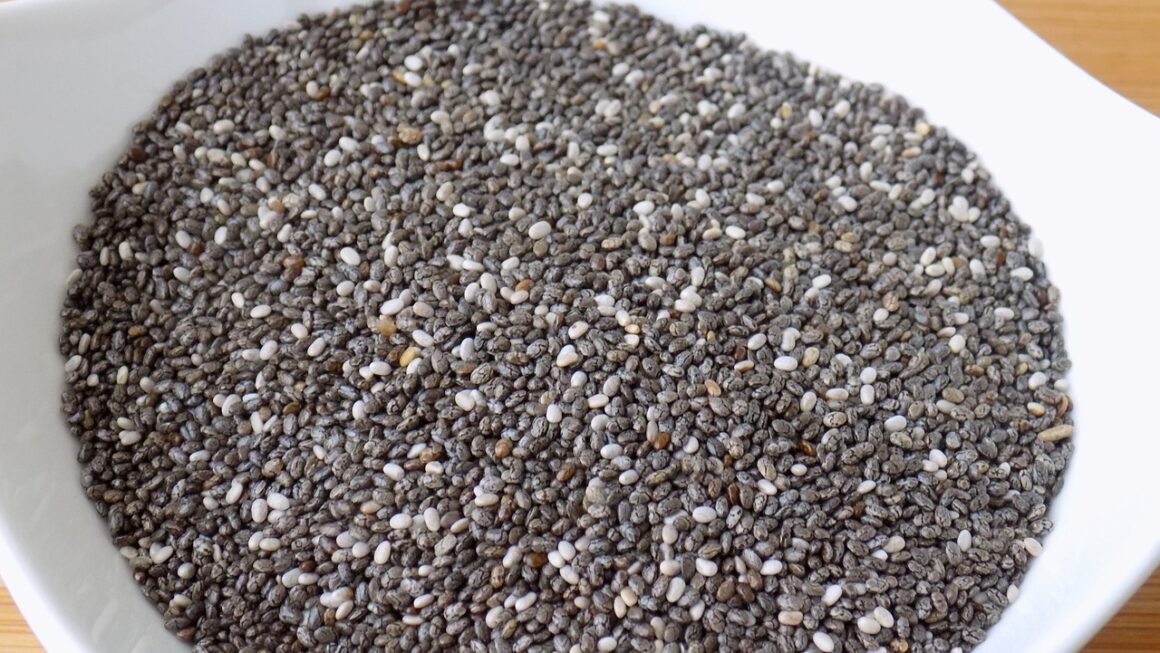
- Nuts & Seeds: Almonds, walnuts, cashews, chia seeds, flax seeds, hemp seeds – for snacking, baking, and adding to meals.
Healthy Fats & Flavor Enhancers
These elevate your dishes and provide essential nutrients:
- Olive Oil & Avocado Oil: For cooking, roasting, and dressings.
- Coconut Oil: Great for certain types of cooking and baking.
- Avocados: Healthy fats, creamy texture, and rich in nutrients.
- Tahini: Sesame paste, essential for hummus and creamy dressings.
- Tamari (GF Soy Sauce): A must-have for Asian-inspired dishes.
- Apple Cider Vinegar & Balsamic Vinegar: For dressings, marinades, and flavor.
- Herbs & Spices: A wide variety can transform simple ingredients into gourmet meals.
Fresh Produce
While not strictly pantry items, always keep a rotating stock of fresh fruits and vegetables. They are the foundation of any balanced diet and add vital nutrients, color, and flavor to every meal.
Actionable Takeaway: Dedicate time to building your vegan GF pantry. Create a shopping list based on these staples and gradually stock up. You’ll find meal prep becomes much smoother!
Delicious & Diverse Vegan Gluten-Free Meal Ideas
Dispelling the myth that vegan and gluten-free eating is bland or restrictive, this section offers a burst of inspiration for every meal of the day. The possibilities are truly endless for creative and satisfying gluten-free vegan recipes.
Energizing Breakfasts
Start your day right with options that are both nutritious and delightful:
- Overnight Oats or Chia Seed Pudding: Mix certified GF oats or chia seeds with plant milk, fruit, nuts, and a touch of maple syrup. Prepare the night before for an easy grab-and-go breakfast.
- Tofu Scramble with Veggies: Crumble firm tofu and sauté with onions, bell peppers, spinach, turmeric (for color), and nutritional yeast for a savory, protein-packed start.
- Smoothie Bowls: Blend frozen fruit with plant milk and protein powder, then top with fresh fruit, granola (certified GF), seeds, and shredded coconut.
- GF Pancakes or Waffles: Use a gluten-free flour blend and serve with fresh berries and maple syrup.
Satisfying Lunches
Power through your midday with light yet filling options:
- Hearty Quinoa Salad: Combine cooked quinoa with roasted vegetables (e.g., sweet potato, broccoli), chickpeas, leafy greens, and a lemon-tahini dressing.
- Lentil Soup or Chili: Batch cook a large pot of flavorful lentil soup or black bean chili and enjoy throughout the week. Serve with GF crackers or a slice of GF bread.
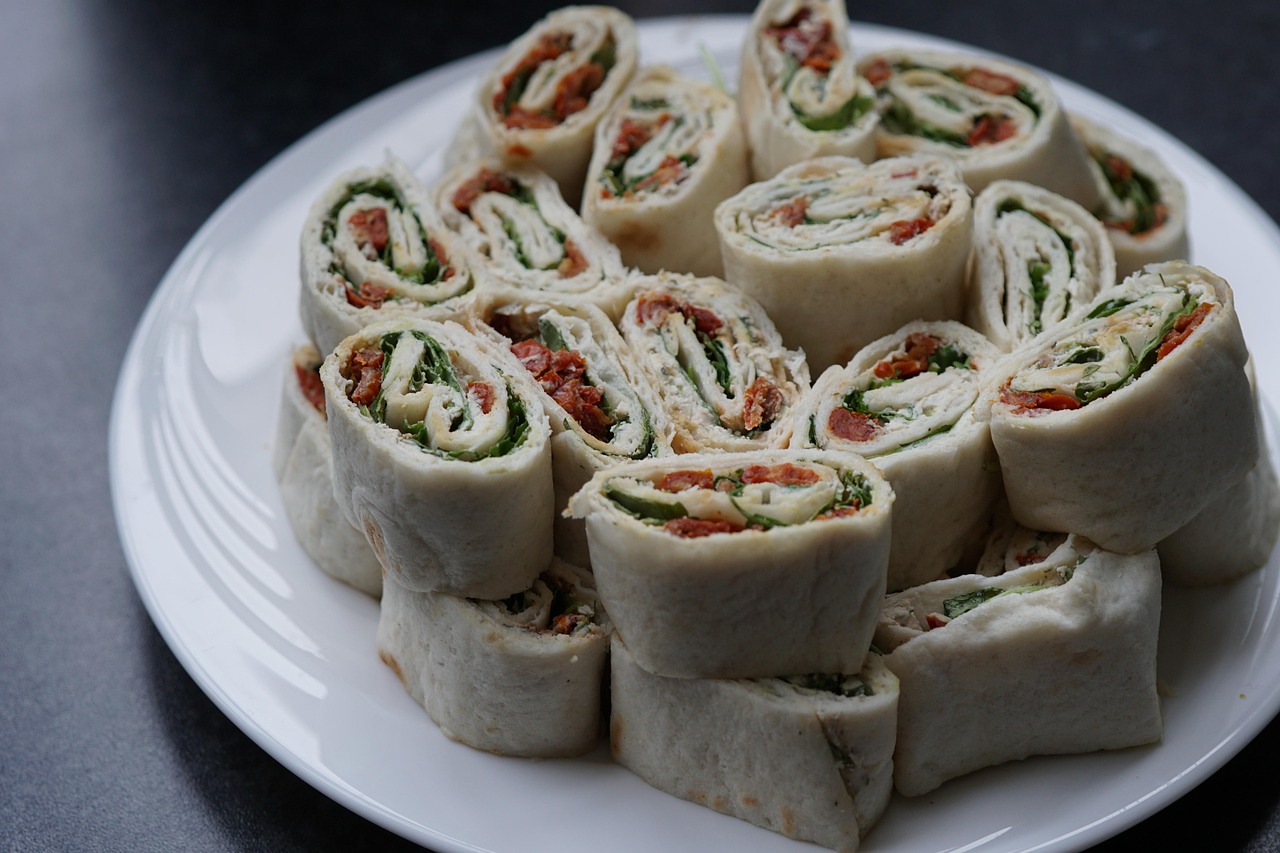
- Lettuce Wraps or GF Tortilla Wraps: Fill large lettuce leaves or certified GF tortillas with seasoned tofu, black beans, salsa, avocado, and shredded veggies.
- Buddha Bowls: A customizable bowl with a base of brown rice or quinoa, topped with roasted vegetables, a plant-based protein (tempeh, edamame), and a delicious sauce.
Hearty Dinners
End your day with comforting and robust dishes:
- Chickpea & Spinach Curry: A creamy, aromatic curry made with coconut milk, chickpeas, spinach, and a blend of spices. Serve over brown rice or with GF naan bread.
- Lentil Shepherd’s Pie: A savory lentil and vegetable base topped with a fluffy sweet potato mash. It’s comforting and deeply satisfying.
- Black Bean Burgers: Homemade black bean patties on a gluten-free bun with all your favorite toppings. Serve with a side of sweet potato fries.
- Tofu/Tempeh Stir-Fry: Sauté cubed tofu or tempeh with a rainbow of vegetables and a flavorful sauce made with GF tamari, ginger, and garlic. Serve with rice noodles or brown rice.
- Zucchini Noodle “Pasta” with Pesto: Use spiralized zucchini as a pasta alternative and toss with a homemade vegan pesto (nutritional yeast, basil, pine nuts, olive oil).
Actionable Takeaway: Experiment with different flavor profiles and ingredients. Don’t be afraid to adapt your favorite traditional recipes to be plant-based GF – there’s almost always a delicious workaround!
Navigating the Vegan GF Lifestyle with Confidence
Embracing a vegan gluten-free diet successfully involves more than just cooking at home. It requires vigilance, preparation, and an understanding of how to manage various situations, from grocery shopping to dining out.
Reading Labels Like a Pro
This is perhaps the most crucial skill for both vegan and gluten-free living. Always check ingredient lists:
- Look for Certifications: Seek products explicitly labeled “Certified Vegan” and “Certified Gluten-Free.” These labels offer the highest assurance.
- Common Hidden Gluten: Be aware that gluten can lurk in unexpected places like soy sauce (unless tamari), malt extract, modified food starch, and even some spices.
- Common Hidden Animal Products: Look out for dairy (whey, casein, lactose), eggs, gelatin, honey, and sometimes even in unexpected places like certain sugars (bone char filtering) or candies.
- Cross-Contamination: If you have Celiac disease or severe sensitivities, also look for “may contain wheat/gluten” warnings, even if ingredients are gluten-free.
Meal Planning & Batch Cooking
Planning is your secret weapon for a stress-free vegan GF diet:
- Weekly Menu: Plan your meals for the week, including snacks. This reduces impulse buys and ensures variety.
- Grocery List: Create a detailed list based on your menu to avoid multiple store trips and food waste.
- Batch Cook Staples: Cook large batches of grains (quinoa, brown rice), roast vegetables, and prepare legumes at the beginning of the week. This makes assembling meals quick and easy.
- Prepare Components: Chop vegetables, make dressings, or marinate tofu/tempeh ahead of time.
Dining Out & Social Situations
Navigating meals outside your home can be tricky, but it’s manageable with a proactive approach:
- Research Ahead: Look up restaurant menus online or call ahead to inquire about vegan and gluten-free options.
- Communicate Clearly: When ordering, clearly explain your dietary needs to your server. Use phrases like “no gluten, no meat, no dairy, no eggs.”
- Be Prepared: Carry a small snack or a piece of fruit in case options are limited or you get hungry while waiting.
- Focus on Fresh: Opt for simpler dishes like salads (dressing on the side), plain roasted vegetables, or rice dishes, as these are often easier to verify.
Nutritional Considerations
While a well-planned vegan gluten-free diet is very healthy, it’s important to be mindful of certain nutrients:
- Vitamin B12: This is the only vitamin that is not reliably available from plant sources and requires supplementation or fortified foods.
- Iron: Consume iron-rich plant foods (lentils, spinach, tofu) with Vitamin C sources (citrus, bell peppers) to enhance absorption.
- Calcium: Fortified plant milks, tofu set with calcium sulfate, kale, and collard greens are good sources.
- Vitamin D: Sun exposure, fortified plant milks, and supplements are important.
- Omega-3 Fatty Acids: Include flax seeds, chia seeds, hemp seeds, and walnuts in your diet. An algal oil supplement can also be beneficial.
Actionable Takeaway: Empowerment comes from knowledge and preparation. Invest time in learning about ingredients, planning your meals, and knowing how to advocate for your needs, especially when dining out.
Conclusion
The journey into vegan gluten-free meals is an exciting adventure that opens up a world of culinary creativity, vibrant flavors, and profound health benefits. Far from being a diet of limitations, it’s an opportunity to explore new ingredients, rediscover old favorites in a new light, and align your eating habits with your values. Whether you’re managing health conditions, seeking ethical choices, or simply aiming for a more nutritious lifestyle, embracing the synergy of vegan and gluten-free living offers a path to enhanced well-being and a joyful relationship with food. So, arm yourself with knowledge, stock your pantry, and get ready to savor every delicious, wholesome bite.