The culinary landscape is constantly evolving, with more individuals exploring the incredible benefits of plant-based eating. For those seeking to optimize their health, build muscle, or manage weight, the combination of a high protein and low carbohydrate approach often emerges as a powerful strategy. But can these three pillars—high protein, low carb, and vegan—coexist harmoniously? Absolutely! This comprehensive guide will demystify the art of crafting delicious, satisfying, and nutritionally robust high protein low carb vegan meals, proving that health-conscious eating doesn’t have to compromise on flavor or ethical choices.
Unlocking the Power of High Protein Low Carb Vegan Diets
Embracing a diet that is simultaneously high in protein, low in carbohydrates, and completely vegan might seem like a complex puzzle at first glance. However, with the right knowledge and ingredients, it’s not only achievable but also incredibly rewarding for your health and well-being.
What Defines “High Protein Low Carb Vegan”?
To successfully navigate this dietary path, it’s crucial to understand what each component entails:
- High Protein: Generally implies that protein accounts for a significant portion of daily caloric intake, often 20-35% or more, or aiming for specific gram targets (e.g., 0.8-1.2 grams per kilogram of body weight for general health, higher for athletes).
- Low Carb: This usually means restricting net carbohydrate intake (total carbs minus fiber) to a specific threshold, typically under 50-100 grams per day, depending on individual goals and activity levels. For very strict low-carb approaches like vegan keto, this can be as low as 20-30g net carbs.
- Vegan: The complete exclusion of all animal products, including meat, fish, dairy, eggs, and honey.
The synergy of these three elements allows for a diet rich in fiber, healthy fats, and essential micronutrients, while providing sustained energy and supporting various health goals.
The Nutritional Benefits
Adopting a high protein low carb vegan meals plan offers a multitude of health advantages:
- Weight Management: Protein and fiber promote satiety, helping to reduce overall calorie intake. Stable blood sugar from low carb intake minimizes cravings and fat storage.
- Muscle Preservation & Growth: Adequate protein intake is vital for repairing and building muscle tissue, especially important for active individuals.
- Stable Energy Levels: By reducing reliance on quick-burning carbohydrates, your body learns to efficiently use fat for fuel, leading to more consistent energy throughout the day and avoiding post-meal crashes.
- Improved Blood Sugar Control: A low carbohydrate intake is beneficial for managing and preventing insulin resistance and type 2 diabetes.
- Enhanced Digestive Health: While low carb, this vegan approach is typically rich in fiber from non-starchy vegetables, nuts, and seeds, which supports a healthy gut microbiome.
- Heart Health: A diet rich in plant-based proteins, healthy fats (like those from avocados, nuts, and seeds), and fiber can contribute to lower cholesterol levels and improved cardiovascular health.
Actionable Takeaway: Begin by tracking your current protein and carb intake to establish a baseline. Gradually adjust your diet to meet the high protein low carb vegan criteria, focusing on whole, unprocessed foods. If you have specific health conditions or athletic goals, consider consulting a registered dietitian for personalized guidance.
Essential Plant-Based Proteins for Your Low Carb Vegan Plate
The misconception that plant-based protein sources are limited or inherently high in carbs is easily dispelled once you explore the vast array of options available. The key is knowing which sources offer the best protein-to-carb ratio.
Legumes & Lentils (Strategically Used)
While many legumes are higher in carbs, a few stand out as excellent low-carb, high-protein choices, especially when used in moderation.
- Black Soybeans: These are a game-changer for low-carb vegans, offering a remarkably low net carb count (often 1g net carb per serving) and substantial protein. They can be used similarly to black beans in recipes.
- Lupini Beans: Another hidden gem, lupini beans are incredibly high in protein and fiber while being very low in carbs. They are often sold pickled or dried.
- Edamame: Fresh or frozen, edamame (soybeans in the pod) provides around 11g of protein and 5g net carbs per cup, making it a great snack or addition to stir-fries.
Actionable Tip: For other legumes like chickpeas or regular black beans, enjoy them in smaller portions to keep overall carb counts down, or prioritize the truly low-carb varieties.
Tofu, Tempeh, and Seitan
These soy- and wheat-based products are cornerstones of many high-protein vegan diets and are naturally low in carbohydrates.
- Tofu: Made from condensed soy milk, tofu is incredibly versatile. Extra-firm or firm tofu varieties are best for cooking, providing about 10-12g of protein and 2-3g net carbs per 100g. It absorbs flavors beautifully, making it perfect for scrambles, stir-fries, or baked dishes.
- Tempeh: A fermented soybean product, tempeh has a firmer texture and a nutty, earthy flavor. It boasts an impressive protein content (around 19g per 100g) and about 9g net carbs, with added benefits of fermentation for gut health.
- Seitan: Crafted from wheat gluten, seitan is a powerhouse of protein (up to 25g per 100g) and very low in carbs (around 4g net carbs). It has a chewy, “meaty” texture, making it an excellent substitute for chicken or beef in various dishes. Note: Not suitable for gluten-sensitive individuals.
Nuts, Seeds, and Their Butters
These nutrient-dense foods provide a fantastic combination of protein, healthy fats, and fiber.
- Hemp Seeds: Often called “hemp hearts,” these provide about 10g of protein and 1-2g net carbs per 3 tablespoons. Rich in Omega-3s.
- Chia Seeds: Excellent for thickening and adding fiber, chia seeds contain around 5g of protein and 1g net carb per 2 tablespoons.
- Flax Seeds: Similar to chia, flax seeds offer about 3g of protein and 0-1g net carb per 2 tablespoons. Best ground for nutrient absorption.
- Pumpkin Seeds & Sunflower Seeds: Great for snacking or adding to salads, these offer good protein and healthy fats.
- Almonds, Walnuts, Pecans, Brazil Nuts: While they contain some carbs, their high fiber and fat content make the net carb count very low. They are excellent sources of healthy fats and micronutrients.
- Nut Butters (Unsweetened): Almond butter, peanut butter (in moderation for carb count), and seed butters (like tahini or sunflower seed butter) are excellent high-fat, moderate-protein additions.
Protein Powders & Specialized Products
For an extra boost or convenience, protein powders and specific vegan products can be invaluable.
- Pea Protein Isolate: One of the most popular vegan protein powders, high in protein and very low in carbs.
- Brown Rice Protein: Another common option, often blended with pea protein to create a more complete amino acid profile.
- Hemp Protein Powder: Offers protein along with fiber and Omega-3s, though typically lower in protein concentration than pea or rice.
- Nutritional Yeast: While not a primary protein source, it adds a cheesy flavor and some protein (around 8g per 1/4 cup) along with B vitamins.
Actionable Takeaway: Aim to include a variety of these protein sources in your daily diet to ensure you’re getting a full spectrum of amino acids and diverse nutrients. Experiment with different preparations to keep your meals exciting.
Meal Planning & Preparation: Your High Protein Low Carb Vegan Roadmap
Successful adherence to any dietary plan, especially one with specific parameters, hinges on effective meal planning and preparation. With high protein low carb vegan recipes, creativity and foresight are your best allies.
Building a Balanced Plate
Every high protein low carb vegan meal should thoughtfully combine key components to ensure nutritional completeness and satiety.
- Generous Protein Source: Make this the star of your meal. Think baked tofu, pan-fried tempeh, seitan “steaks,” or a serving of black soybeans.
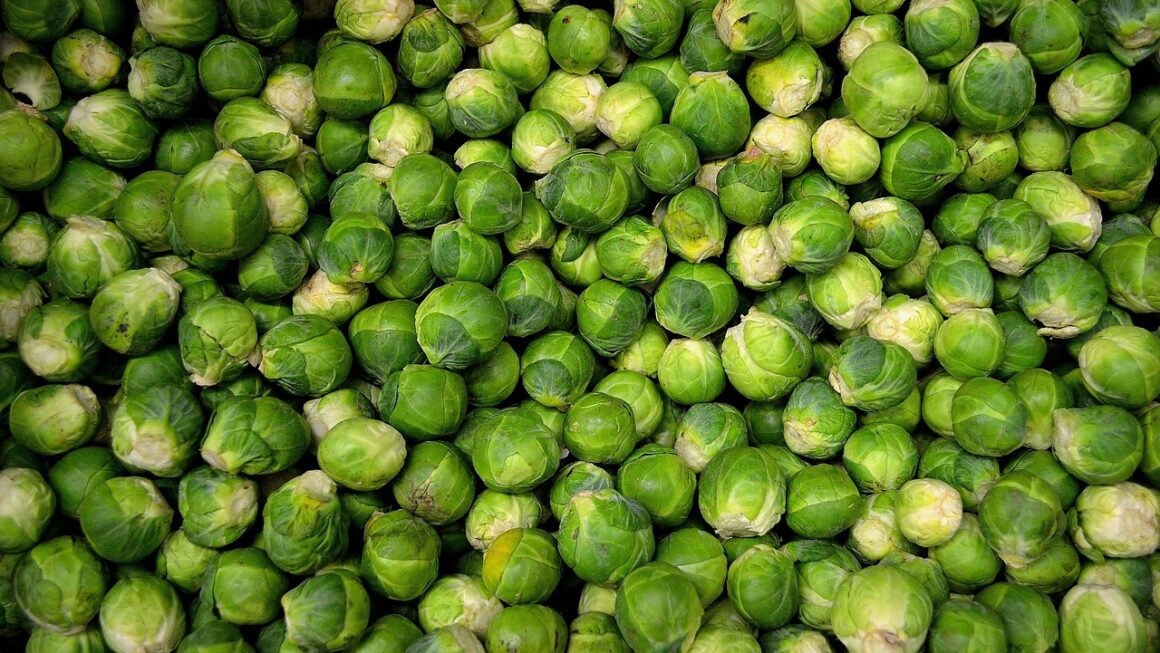
- Non-Starchy Vegetables: These are your carb-friendly volume fillers. Broccoli, cauliflower, spinach, kale, zucchini, bell peppers, asparagus, Brussels sprouts, and green beans are excellent choices. They provide fiber, vitamins, and minerals without significantly impacting carb count.
- Healthy Fats: Crucial for satiety, nutrient absorption, and flavor. Avocado, olive oil, coconut oil, nuts, seeds, and nut butters are your friends.
- Flavor Enhancers: Don’t forget herbs, spices, vinegars, tamari (gluten-free soy sauce), nutritional yeast, and low-carb sauces to make your meals delicious and prevent boredom.
Sample Meal Ideas & Recipes
Here are some practical examples of high protein low carb vegan meals for different times of the day:
Breakfast:
- Tofu Scramble Power Bowl: Crumble extra-firm tofu and sauté with spinach, mushrooms, bell peppers, and nutritional yeast for a cheesy flavor. Serve with sliced avocado and a sprinkle of hemp seeds.
- Green Protein Smoothie: Blend pea protein powder with unsweetened almond milk, a handful of spinach, a few berries (for antioxidants without excess carbs), chia seeds, and a dollop of unsweetened almond butter.
- Chia Seed Pudding: Mix chia seeds with unsweetened plant milk, a scoop of vanilla pea protein, and a dash of cinnamon. Top with chopped almonds and a few raspberries after it sets.
Lunch:
- Loaded Salad with Tempeh “Bacon”: A large bowl of mixed greens, topped with pan-fried tempeh strips (seasoned to mimic bacon), sliced cucumbers, bell peppers, shredded carrots (small amount), sunflower seeds, and a creamy tahini-lemon dressing.
- Low Carb Vegan “Tuna” Salad: Mash chickpeas or a blend of sunflower seeds and celery, mix with vegan mayo, dill, and celery. Serve in lettuce cups or on low-carb crackers.
- Leftover Stir-fry: Combine leftover seitan or tofu with a medley of steamed broccoli, snap peas, and cauliflower rice, tossed in a low-carb tamari-ginger sauce.
Dinner:
- Cauliflower Rice “Burrito” Bowl: A base of cauliflower rice, topped with seasoned black soybeans, diced avocado, salsa (check for low sugar), a generous dollop of vegan sour cream or cashew cream, and plenty of fresh cilantro.
- Zucchini Noodle “Pasta” with “Meatballs”: Spiralized zucchini noodles tossed in a rich marinara sauce (sugar-free) with homemade vegan “meatballs” made from mushrooms, walnuts, and vital wheat gluten (seitan) or black soybeans.
- Baked Tofu or Tempeh Steaks with Roasted Veggies: Marinate thick slices of tofu or tempeh in tamari, garlic, ginger, and sesame oil, then bake until crispy. Serve with a side of roasted asparagus and Brussels sprouts drizzled with olive oil.
Snacks:
- Handful of almonds or walnuts.
- Edamame (in the pod or shelled).
- Celery sticks with unsweetened almond butter.
- Small protein shake.
Tips for Success
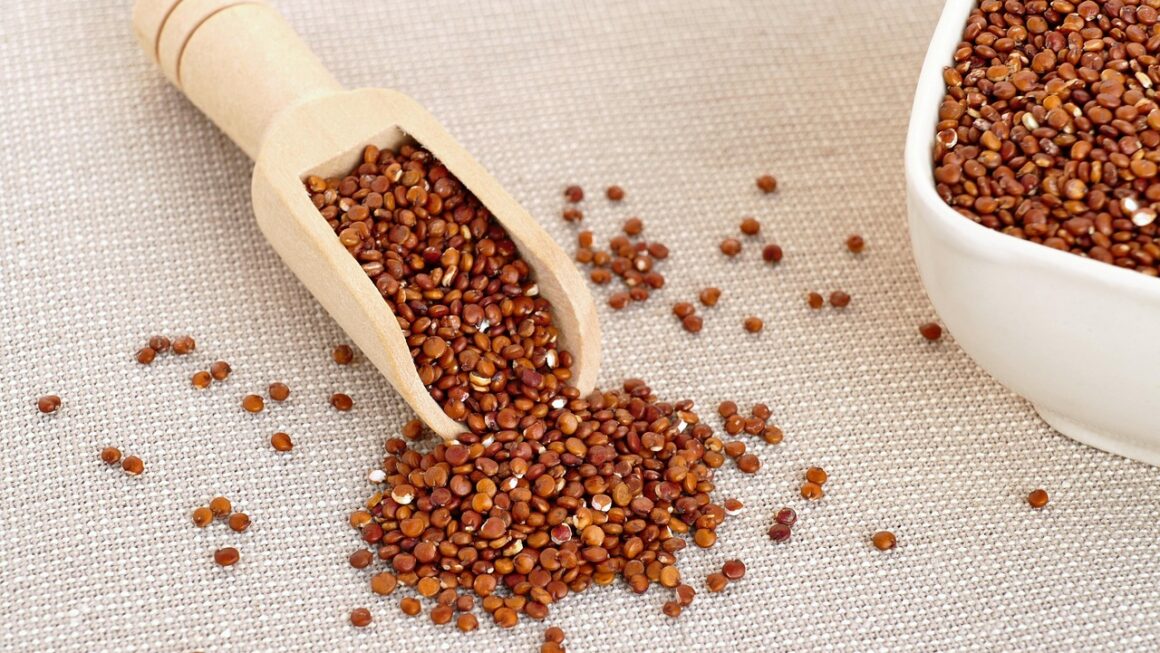
- Meal Prep is Key: Dedicate a few hours each week to chop vegetables, cook grains (like quinoa if moderately low carb, or cauliflower rice), and prepare your protein sources.
- Read Labels Meticulously: Hidden sugars and carbs can be lurking in sauces, dressings, and processed vegan products. Opt for whole foods as much as possible.
- Hydrate Abundantly: Drink plenty of water throughout the day, especially when increasing fiber and protein intake.
- Spice it Up: Don’t be afraid to experiment with herbs and spices to keep your meals flavorful and exciting.
- Batch Cook Components: Cook larger batches of baked tofu, roasted veggies, or seitan, which can then be assembled into different meals throughout the week.
Actionable Takeaway: Start by planning 2-3 days of meals in advance, focusing on your protein sources and complementary low-carb vegetables. Gradually build up your repertoire of recipes and meal prep habits.
Overcoming Obstacles and Optimizing Nutrient Intake
Embarking on a specific dietary journey like high protein low carb vegan meals comes with its unique set of challenges. Being aware of these and having strategies to overcome them is crucial for long-term success and optimal health.
Common Challenges & Solutions
- Finding Variety: It’s easy to fall into a rut.
- Solution: Explore international cuisines (e.g., Asian-inspired tofu dishes, Mexican-style black soybean bowls, Mediterranean salads). Experiment with different cooking methods (baking, grilling, stir-frying).
- Carb Creep: Unintended carbohydrates can sneak into your diet.
- Solution: Be vigilant with label reading, especially for sauces, condiments, and “sugar-free” items that might contain sugar alcohols or starches. Measure portions of higher-carb ingredients like nuts or seeds if you’re aiming for very low carb.
- Social Eating: Dining out can be tricky.
- Solution: Research menus online beforehand. Don’t hesitate to ask for modifications (e.g., dressing on the side, no rice/bread, extra vegetables instead of starchy sides). Offer to host potlucks with your preferred dishes.
- Cost: Some specialized vegan products can be expensive.
- Solution: Focus on whole, unprocessed foods. Buy in bulk when possible (e.g., dried lentils, bulk nuts and seeds). Make your own dressings and sauces.
Essential Nutrients to Monitor
Any restrictive diet requires careful attention to nutrient adequacy. For vegans, particularly those following a low-carb approach, some nutrients need extra consideration.
- Vitamin B12: This vitamin is primarily found in animal products.
- Solution: Supplementation is absolutely critical for all vegans. Look for methylcobalamin B12. Fortified plant milks and nutritional yeasts can provide some, but a supplement is the most reliable source.
- Iron: Plant-based iron (non-heme) is less readily absorbed than heme iron from animal sources.
- Solution: Pair iron-rich foods (dark leafy greens, black soybeans, lentils, pumpkin seeds, fortified cereals) with Vitamin C sources (bell peppers, citrus, broccoli) to enhance absorption. Cook in a cast iron pan.
- Calcium: Important for bone health.
- Solution: Choose calcium-fortified plant milks and yogurts, fortified tofu, dark leafy greens (kale, collard greens), sesame seeds (tahini), and almonds.
- Omega-3 Fatty Acids: Particularly EPA and DHA, important for brain and heart health.
- Solution: While flax, chia, and hemp seeds provide ALA (which the body converts to EPA/DHA), conversion rates vary. Consider an algae-based EPA/DHA supplement for direct sources.
- Zinc: Vital for immune function and cell growth.
- Solution: Found in pumpkin seeds, hemp seeds, cashews, lentils, and fortified plant foods. Soaking and sprouting legumes/grains can improve absorption.
- Iodine: Essential for thyroid function.
- Solution: Use iodized salt in moderation. Seaweed (like nori) is a good source, but consumption should be varied to avoid excessive intake.
Supplementation & Professional Guidance
While a well-planned high protein low carb vegan diet can provide most nutrients, supplementation is often a wise choice for specific nutrients. Always prioritize whole foods first, but don’t shy away from supplements when necessary.
- Consider a Multivitamin: A good quality vegan multivitamin can act as an insurance policy for general nutrient intake.
- Consult a Registered Dietitian (RD): Especially one specializing in plant-based diets. An RD can help you create a personalized meal plan, assess your nutrient intake, and recommend appropriate supplements based on your individual needs and health goals. This is particularly important if you are pregnant, breastfeeding, an athlete, or have underlying health conditions.
Actionable Takeaway: Be proactive about monitoring your nutrient intake. Keep a food diary for a few days to identify potential gaps, and don’t hesitate to seek professional advice to ensure your diet is nutritionally complete and sustainable.
Conclusion
The journey to embracing high protein low carb vegan meals is not just a dietary choice; it’s a powerful statement about conscious eating, health optimization, and ethical living. As we’ve explored, this approach is far from restrictive; it’s a gateway to an exciting world of diverse, delicious, and incredibly nourishing plant-based foods.
By understanding the core principles, identifying abundant plant-based protein sources, mastering meal planning, and proactively addressing nutrient needs, you can confidently craft a diet that supports your energy, muscle health, weight goals, and overall well-being. This way of eating proves that you don’t have to compromise your values or your health. So, step into your kitchen, unleash your culinary creativity, and savor the incredible potential of a high protein low carb vegan lifestyle!