The journey to a healthier, more sustainable lifestyle often raises questions, especially concerning nutrition. One of the most common myths surrounding plant-based eating is the perceived challenge of obtaining adequate protein. However, embracing a vegan diet doesn’t mean sacrificing your protein goals; in fact, it opens up a vibrant world of delicious, nutrient-dense, and protein-packed foods. From athletes to everyday health enthusiasts, countless individuals thrive on vegan diets, proving that powerful plant protein is not only achievable but also incredibly beneficial. This guide will dismantle misconceptions and equip you with the knowledge and practical examples to effortlessly incorporate high-protein vegan meals into your daily life.
The Powerhouse of Plant Protein: Why It Matters
Protein is a fundamental macronutrient essential for virtually every bodily function, from building and repairing tissues to producing enzymes and hormones. While traditional thinking often links protein solely to animal products, the plant kingdom offers an incredible array of protein sources, often with added benefits.
Understanding Protein Needs
Your daily protein requirements vary based on age, activity level, and health goals. The general recommendation for adults is around 0.8 grams of protein per kilogram of body weight, but active individuals or those aiming for muscle gain may benefit from higher intakes (e.g., 1.2-2.0 g/kg). The good news is, a well-planned vegan diet can easily meet these needs.
- Tissue Repair and Growth: Essential for muscle development and recovery after exercise.
- Enzyme and Hormone Production: Critical for metabolic processes and regulatory functions.
- Satiety: Protein helps you feel fuller for longer, aiding in weight management.
Beyond the Myths: Complete Proteins and Bioavailability
The “incomplete protein” myth has long been debunked. While some plant proteins may have lower amounts of one or two essential amino acids, eating a variety of plant foods throughout the day easily provides all necessary amino acids. Your body maintains an “amino acid pool” and can combine them as needed. Furthermore, plant proteins often come packaged with fiber, vitamins, minerals, and beneficial phytochemicals, contributing to overall health in ways animal proteins often don’t.
- Fiber-Rich: Plant proteins are often high in fiber, supporting digestive health and satiety.
- Lower Saturated Fat: Generally lower in saturated fat and cholesterol, promoting cardiovascular health.
- Antioxidants & Phytochemicals: Abundant in health-protective compounds unique to plants.
Top Vegan Protein Sources You Need to Know
Diversifying your protein sources is key to a balanced and enjoyable vegan diet. Here are some of the stars of the plant-based protein world, along with their approximate protein content per typical serving.
Legumes & Pulses
The backbone of many high-protein vegan meals, legumes are incredibly versatile and affordable.
- Lentils: ~9g protein per 1/2 cup cooked. Excellent in soups, stews, curries, or salads.
- Chickpeas (Garbanzo Beans): ~7.5g protein per 1/2 cup cooked. Perfect for hummus, roasted snacks, or added to salads and curries.
- Black Beans: ~7g protein per 1/2 cup cooked. A staple in tacos, burritos, and chili.
- Edamame: ~8g protein per 1/2 cup shelled. Great as a snack or in stir-fries.
Soy-Based Superstars
Soy products are often “complete proteins” and incredibly adaptable in cooking.
- Tofu: ~10g protein per 1/2 cup firm. Absorbs flavors beautifully, great for scrambles, stir-fries, or baking.
- Tempeh: ~15g protein per 1/2 cup. Fermented soybean cake with a firm, nutty texture, excellent in stir-fries, sandwiches, or grilled.
- Soy Milk: ~7-8g protein per cup. Use in smoothies, cereals, or coffee.
Gluten-Based Goodness
For those who can tolerate gluten, seitan is a protein powerhouse.
- Seitan (Wheat Gluten): ~20-25g protein per 3oz serving. Has a chewy, meat-like texture, ideal for grilling, stir-fries, or “meat” alternatives.
Grains & Seeds
Don’t overlook the significant protein contribution from these smaller but mighty sources.
- Quinoa: ~8g protein per 1 cup cooked. A complete protein, great as a side, in salads, or breakfast bowls.
- Hemp Seeds: ~10g protein per 3 tbsp. Sprinkle on salads, oatmeal, or blend into smoothies.
- Chia Seeds: ~5g protein per 2 tbsp. Excellent for puddings, overnight oats, or smoothie boosters.
- Oats: ~5g protein per 1/2 cup dry. A fantastic base for high-protein breakfasts.
Nuts & Nut Butters
Convenient and calorie-dense sources of protein and healthy fats.
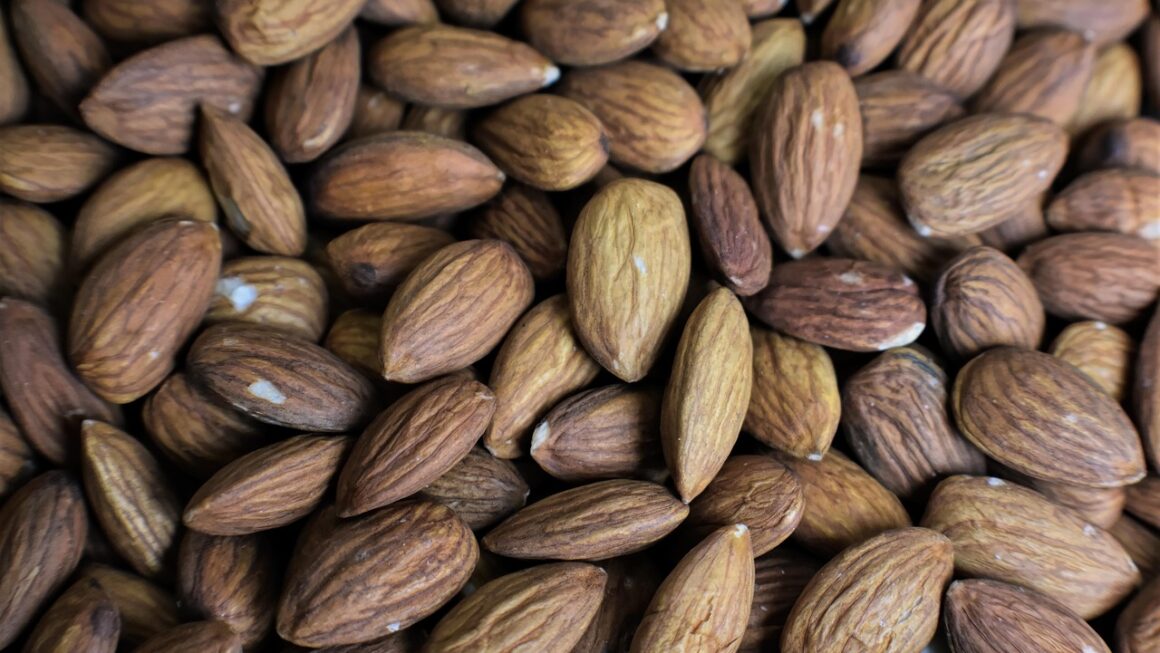
- Almonds: ~6g protein per 1/4 cup. A perfect snack or addition to meals.
- Peanuts / Peanut Butter: ~7g protein per 2 tbsp. A classic spread or ingredient in sauces.
- Pistachios: ~6g protein per 1/4 cup. Delicious snack, also good in salads.
Crafting High-Protein Vegan Breakfasts
Starting your day with a protein-rich meal sets you up for sustained energy and satiety. Forget sugary cereals; these options are delicious and functional.
The Mighty Tofu Scramble
A classic for a reason! Tofu scrambles mimic scrambled eggs in texture and can be loaded with veggies.
- Base: 1/2 block (7oz) firm or extra-firm tofu, crumbled.
- Flavor Boosters: Nutritional yeast (for cheesy flavor), black salt (kala namak for eggy flavor), turmeric (for color), garlic powder, onion powder.
- Add-ins: Sautéed spinach, mushrooms, bell peppers, onions, kale, diced tomatoes.
- Protein Power-Up: Add a tablespoon of hemp seeds or a side of black beans.
- Actionable Tip: Press your tofu before crumbling for a firmer, less watery scramble.
Power-Packed Smoothies
Quick, customizable, and an excellent way to pack in nutrients and protein.
- Liquid Base: Unsweetened soy milk or pea protein milk (higher protein options).
- Protein Boosters:
- 1 scoop vegan protein powder (pea, rice, hemp, or mixed blend)
- 1-2 tbsp chia or hemp seeds (~5-10g protein)
- 1/2 cup silken tofu (~7g protein)
- 1-2 tbsp nut butter (~4-8g protein)
- Fruits & Veggies: Banana, berries, spinach, kale.
- Actionable Tip: Prep smoothie packs with all dry ingredients (except liquid) in advance for quick morning blending.
Oats with an Oomph
Transform plain oatmeal into a high-protein breakfast that keeps you full for hours.
- Base: 1/2 cup rolled oats cooked with 1 cup soy milk.
- Mix-ins for Protein:
- 1/4 cup shelled edamame (savory oats) (~5g protein)
- 2 tbsp peanut or almond butter (~8g protein)
- 1 tbsp chia seeds (~2.5g protein) + 1 tbsp hemp seeds (~3g protein)
- 1/4 cup vegan protein powder mixed in after cooking (check package for protein amount, typically ~20g)
- Toppings: Berries, sliced banana, cinnamon, a drizzle of maple syrup.
- Actionable Tip: Make overnight oats for an even quicker grab-and-go option.
Satisfying Vegan Lunches & Dinners Packed with Protein
Lunch and dinner are prime opportunities to create hearty, protein-rich meals that are both delicious and nutritious. Focus on combining different plant protein sources for a complete nutrient profile.
Hearty Lentil & Bean Dishes
Lentils and beans are incredibly versatile and form the basis of many comforting, high-protein meals.
- Lentil Soup/Stew: A large bowl can easily provide 15-20g+ of protein. Combine brown or green lentils with vegetables like carrots, celery, potatoes, and a rich broth. Serve with whole-grain bread for extra fiber.
- Three Bean Chili: Use black beans, kidney beans, and pinto beans for a multi-textured, protein-dense dish. A generous serving can offer 20-25g of protein. Top with vegan sour cream or avocado.
- Chickpea Curry: Chickpeas simmered in a creamy coconut milk and spice base are both flavorful and protein-rich (~15g protein per serving). Serve with quinoa or brown rice.
- Actionable Tip: Cook a large batch of lentils or beans once a week to easily add to meals throughout the week.
Tempeh & Tofu Transformations
These soy-based proteins are fantastic for mimicking meat textures and absorbing flavors.
- Baked Tofu or Tempeh: Marinate slices or cubes in soy sauce, ginger, garlic, and a touch of maple syrup, then bake until crispy. Serve over a grain bowl with roasted vegetables (~15-20g protein per serving).
- Tofu or Tempeh Stir-fry: Quick and easy, combine firm tofu or tempeh with a medley of colorful vegetables and a savory sauce. Serve with brown rice or quinoa (~20-25g protein per serving).
- Tempeh Bacon: Thinly slice tempeh, marinate in a smoky, savory mixture, and pan-fry. Excellent in sandwiches or crumbled over salads for a protein boost.
- Actionable Tip: Experiment with pressing tofu to achieve different textures – firmer for baking, less pressed for softer scrambles.
Nutrient-Dense Protein Bowls
Build your own high-protein, balanced meal bowls with ease. The beauty is in the customization!
Components of a High-Protein Vegan Bowl:
- Protein Base (Choose 1-2):
- 1/2 cup cooked lentils or chickpeas (~8g protein)
- 1/2 block baked tofu or tempeh (~15g protein)
- 1/2 cup edamame (~8g protein)
- 3oz seitan strips (~20g protein)
- Grain (Choose 1):
- 1 cup quinoa (~8g protein)
- 1 cup brown rice (~5g protein)
- 1 cup farro (~7g protein)
- Veggies (Load up!): Roasted broccoli, sweet potatoes, leafy greens, shredded carrots, bell peppers.
- Healthy Fats/Toppings: Avocado slices, nuts (almonds, walnuts), seeds (hemp, pumpkin), a drizzle of tahini dressing or a nut-based sauce.
- Actionable Tip: Meal prep your grains and roasted vegetables at the beginning of the week to quickly assemble bowls for lunch or dinner.
Smart Snacking: Boosting Protein Between Meals
Snacks are not just for hunger pangs; they’re an opportunity to add more protein and nutrients to your day, keeping you energized and focused.
Quick & Convenient Options
Keep these on hand for an instant protein boost.
- Handful of Nuts or Seeds: Almonds, walnuts, pistachios, pumpkin seeds, or a mix. A small handful (~1/4 cup) offers 6-8g of protein.
- Roasted Edamame: Pre-portioned bags of shelled edamame are perfect. ~8g protein per 1/2 cup.
- Vegan Protein Bar: Choose bars with whole-food ingredients and minimal added sugar, typically 10-20g protein.
- Soy Yogurt: Look for unsweetened varieties. Many contain 7-10g protein per serving. Add berries and a sprinkle of hemp seeds.
DIY Protein Boosters
Whip up these easy snacks in advance for healthy choices throughout the week.
- Hummus with Veggies or Whole-Grain Crackers: Chickpea-based hummus is rich in protein. ~4g protein per 1/4 cup hummus.
- Nut Butter on Apple Slices or Celery: A classic for a reason. ~8g protein for 2 tbsp peanut butter.
- Chia Seed Pudding: Mix chia seeds with soy milk and let sit overnight. ~5g protein for 2 tbsp chia seeds in 1 cup soy milk.
- Homemade Energy Balls: Combine oats, dates, nut butter, and protein powder for a convenient, bite-sized snack.
- Actionable Tip: Portion out snacks into small containers at the start of the week to avoid overeating and make healthy choices easy.
Tips for Maximizing Protein Absorption & Variety
Beyond simply eating protein, consider how you combine and prepare your foods to get the most out of your plant-based diet.
Combine for Completeness
While the “complete protein” myth for individual meals isn’t a concern, pairing different plant proteins together can enhance nutrient synergy and flavor.
- Grains + Legumes: Rice and beans, hummus and pita, peanut butter on whole wheat toast.
- Legumes + Seeds: Lentil soup topped with hemp seeds, chickpea salad with sunflower seeds.
- Actionable Tip: Aim for a variety of protein sources throughout the day rather than obsessing over each meal’s “completeness.”
Don’t Forget the Fiber
Plant-based proteins are naturally rich in fiber, which is crucial for digestive health, blood sugar regulation, and satiety. However, for those new to a high-fiber diet, gradually increasing intake is key to avoid discomfort.
- Hydration: Drink plenty of water to help fiber move through your digestive system.
- Gradual Increase: Slowly introduce more fiber-rich foods to allow your body to adjust.
Meal Prepping for Success
Planning and preparing meals in advance is one of the most effective strategies for maintaining a high-protein vegan diet.
- Batch Cook Grains & Legumes: Cook large quantities of quinoa, brown rice, lentils, or beans to use throughout the week.
- Chop Veggies: Prepare vegetables in advance for quick stir-fries, salads, or roasted dishes.
- Pre-Marinate: Marinate tofu or tempeh ahead of time so it’s ready to cook when you are.
- Actionable Tip: Dedicate an hour or two on a weekend to grocery shopping and basic meal prep, which will save you time and stress during busy weekdays.
Conclusion
Embracing a vegan lifestyle does not mean compromising on protein. In fact, the plant kingdom offers a rich, diverse, and delicious array of protein sources that can easily meet and exceed your nutritional needs. By incorporating foods like lentils, beans, tofu, tempeh, quinoa, nuts, and seeds into your diet, you can build an incredibly satisfying and health-promoting eating plan. From energizing breakfasts to hearty dinners and smart snacks, the possibilities for high-protein vegan meals are endless. With a little planning and creativity, you’ll discover that fueling your body with plants is not just possible, but also a vibrant and rewarding culinary adventure. Start experimenting with these fantastic plant-based proteins today and unlock a world of sustainable, delicious nutrition!