Embarking on a dietary journey can often feel like navigating a complex maze, especially when combining two distinct and powerful eating philosophies. Imagine a world where the ethical and environmental benefits of a plant-based diet meet the metabolic advantages of ketosis. This isn’t a culinary fantasy; it’s the thriving reality of the vegan keto meal plan. Once considered a niche approach, vegan keto is rapidly gaining traction as a sustainable and health-promoting lifestyle for those seeking optimal wellness, weight management, and enhanced energy without compromising their plant-based principles. If you’re curious about how to harmoniously blend these two worlds, this comprehensive guide will illuminate the path, providing practical insights, delicious ideas, and actionable steps to help you thrive on a plant-powered ketogenic diet.
Understanding Vegan Keto: The Best of Both Worlds
The convergence of veganism and the ketogenic diet creates a unique dietary strategy that offers a multitude of benefits. To truly embrace this lifestyle, it’s crucial to understand its foundational principles.
What is Vegan Keto?
At its core, vegan keto is a dietary approach that combines the strictures of veganism—eschewing all animal products—with the macronutrient ratios of a ketogenic diet, which prioritizes very low carbohydrate intake, moderate protein, and high healthy fat consumption. The goal of the ketogenic aspect is to shift your body into a state of ketosis, where it burns fat for fuel instead of carbohydrates.
- Veganism: A lifestyle that excludes all animal products, including meat, fish, dairy, eggs, and honey. It’s often adopted for ethical, environmental, or health reasons.
- Ketogenic Diet: A very low-carb diet designed to induce ketosis, a metabolic state where the body primarily uses fat (in the form of ketones) for energy, rather than glucose. This typically means consuming around 70-75% of calories from fat, 20-25% from protein, and 5-10% from carbohydrates (usually under 20-50g net carbs per day).
- Vegan Keto Synergy: Combining these means focusing on plant-based foods that are naturally low in carbohydrates and rich in healthy fats and proteins.
Why Choose Vegan Keto?
The reasons for adopting a plant-based keto lifestyle are diverse and compelling, ranging from personal health goals to broader ethical considerations.
- Sustainable Weight Management: The ketogenic diet is well-known for its efficacy in weight loss due to increased satiety from fats and stable blood sugar levels. Combining this with a plant-based approach often leads to a higher fiber intake and nutrient density.
- Enhanced Energy and Mental Clarity: Many individuals report sustained energy levels and improved focus once adapted to ketosis, free from the energy crashes associated with high-carb meals.
- Reduced Inflammation: Plant-based diets are naturally anti-inflammatory, and keto diets can further contribute to reducing inflammation, potentially benefiting conditions like joint pain and certain chronic diseases.
- Ethical and Environmental Benefits: Maintaining a vegan diet significantly reduces your environmental footprint and aligns with animal welfare principles.
- Improved Blood Sugar Control: The low-carb nature of keto is excellent for managing blood sugar levels, making it a popular choice for individuals with insulin resistance or type 2 diabetes.
Key Principles of Vegan Keto
Success on a vegan ketogenic diet hinges on adhering to specific guidelines:
- Strict Carbohydrate Restriction: This is the cornerstone. You’ll need to carefully track net carbs (total carbs minus fiber and sugar alcohols) to stay within your personal ketogenic threshold, typically 20-50 grams per day.
- Prioritize Healthy Fats: Fats will be your primary energy source. Focus on monounsaturated and polyunsaturated fats, as well as medium-chain triglycerides (MCTs).
- Moderate Protein Intake: Enough protein to preserve muscle mass, but not so much that it kicks you out of ketosis (gluconeogenesis).
- Nutrient Density: Given the restrictive nature, it’s vital to choose nutrient-dense plant foods to avoid deficiencies.
- Hydration and Electrolytes: Ketosis can lead to increased water and electrolyte loss, making replenishment essential.
Essential Building Blocks: Foods to Embrace and Avoid
Navigating the grocery store for a vegan keto meal plan requires a shift in perspective. You’ll be focusing on a specific array of plant-based foods rich in healthy fats, moderate protein, and minimal carbohydrates.
Staple Vegan Keto Foods
Your shopping list will be brimming with delicious and versatile ingredients that form the backbone of a successful low-carb vegan lifestyle.
- Healthy Fats: These are your powerhouses.
- Avocados: Rich in monounsaturated fats, potassium, and fiber. Perfect in salads, smoothies, or on their own.
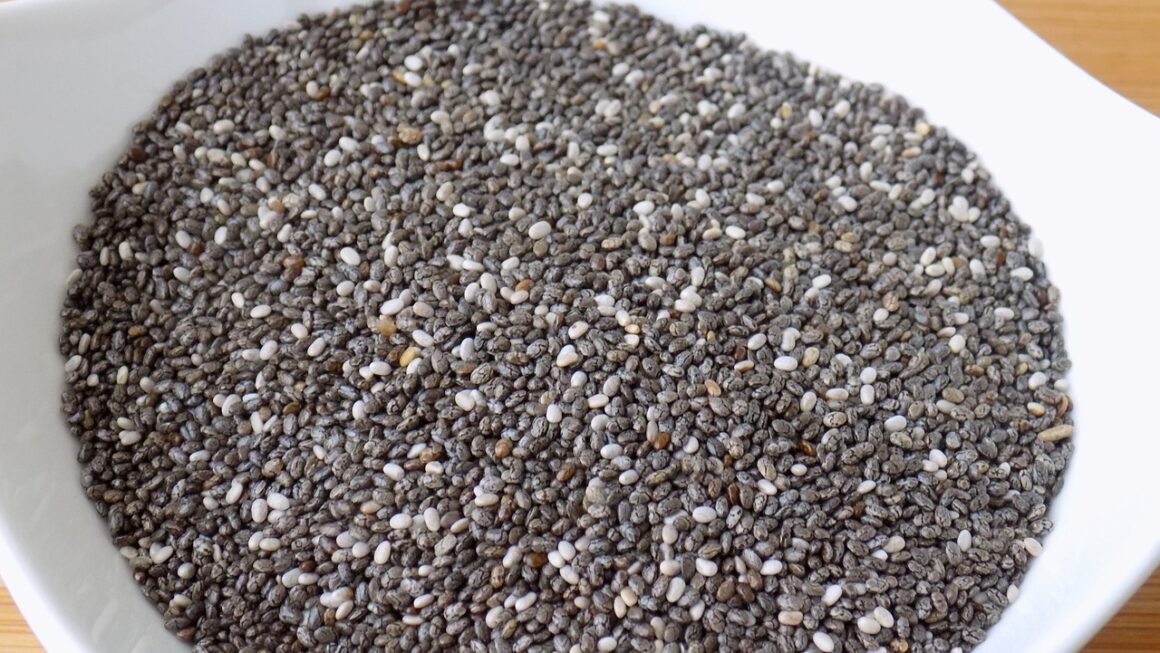
- Nuts and Seeds: Almonds, walnuts, pecans, macadamia nuts, chia seeds, flax seeds, hemp seeds, pumpkin seeds. Great for snacks, toppings, or in homemade milks. Be mindful of carb counts, especially with cashews.
- Coconut Oil & MCT Oil: Excellent for cooking, adding to smoothies, or consuming directly for a quick energy boost. MCT oil is particularly effective for ketone production.
- Olive Oil: A staple for dressings, sautéing, and finishing dishes.
- Nut Butters & Seed Butters: Unsweetened almond butter, macadamia butter, tahini.
- Protein Sources: Crucial for muscle maintenance and satiety.
- Tofu & Tempeh: Versatile soy products. Tofu is great for scrambles and stir-fries, while tempeh offers a firmer texture and a good source of probiotics.
- Seitan: A wheat-gluten based protein. Use in moderation as it can contain higher carbs than other options.
- Vegan Protein Powders: Pea protein, hemp protein, rice protein (ensure low-carb/unsweetened varieties).
- Low-Carb Vegetables: Your source of fiber, vitamins, and minerals.
- Leafy Greens: Spinach, kale, romaine, collard greens, Swiss chard, arugula. Eat in abundance!
- Cruciferous Vegetables: Broccoli, cauliflower, Brussels sprouts, cabbage. Great roasted, steamed, or as rice/mash alternatives.
- Other Low-Carb Veggies: Zucchini, asparagus, bell peppers (especially green), mushrooms, green beans, celery, cucumber.
- Dairy Alternatives: For creaminess and variety.
- Unsweetened Plant Milks: Almond milk, coconut milk, soy milk (check carb content carefully).
- Vegan Cheeses: Many brands now offer low-carb vegan cheese options made from nuts or coconut. Always check labels for hidden carbs and additives.
Foods to Avoid on Vegan Keto
To maintain ketosis, you’ll need to steer clear of high-carb plant foods that are typically staples in a standard vegan diet.
- Grains: Wheat, rice, oats, quinoa, barley, corn, bread, pasta.
- Most Legumes: Beans (black beans, kidney beans, chickpeas), lentils. While healthy, their carb count is too high for keto. Green beans are an exception in moderation.
- High-Sugar Fruits: Bananas, mangoes, grapes, most berries (except in very small quantities), dried fruit.
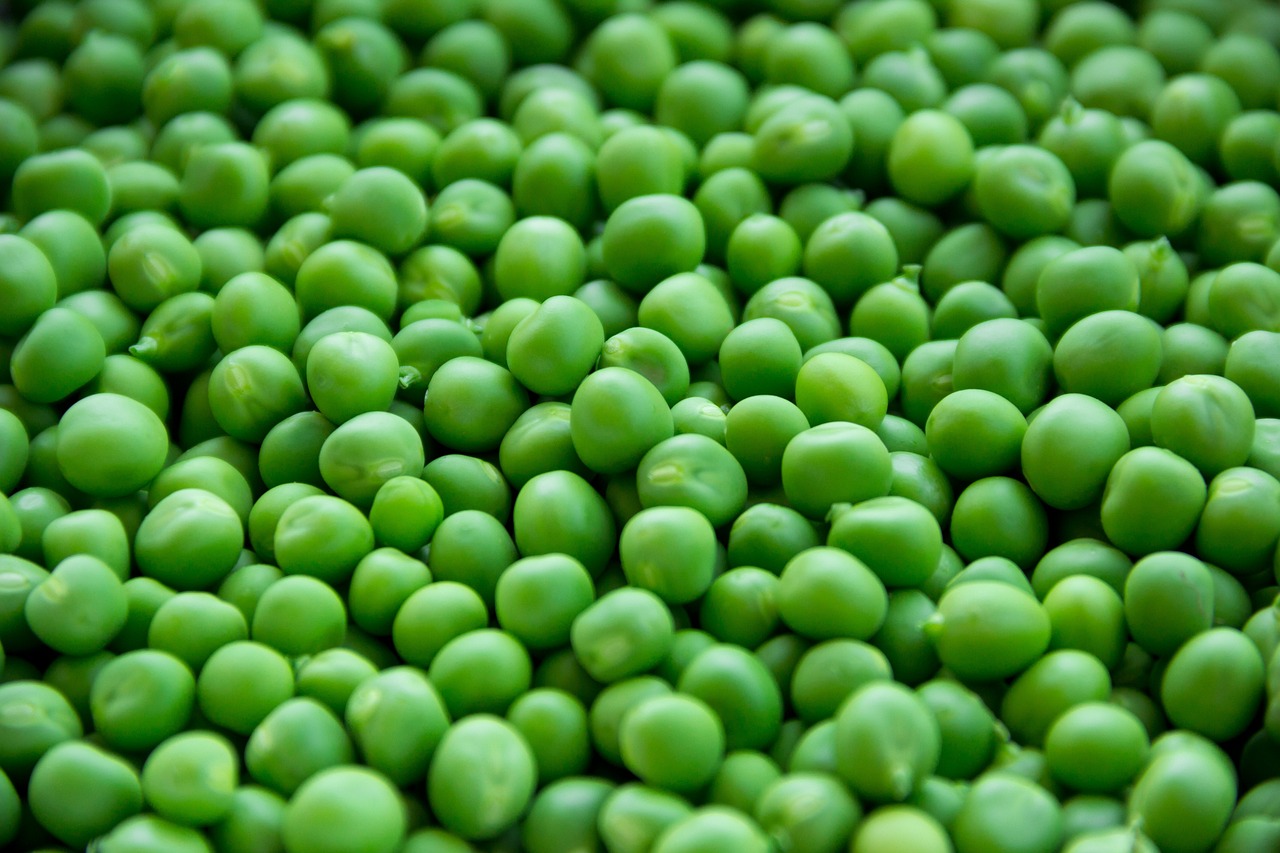
- Starchy Vegetables: Potatoes, sweet potatoes, corn, peas, parsnips.
- Sweeteners: Sugar, maple syrup, agave nectar, most artificial sweeteners (some keto-friendly options exist like erythritol, stevia, monk fruit).
- Processed Vegan Foods: Many vegan convenience foods, snacks, and meat alternatives contain added sugars, starches, and high-carb flours. Always read labels.
Crafting Your Vegan Keto Meal Plan: A Practical Guide
Building a successful vegan keto meal plan involves thoughtful planning, creativity, and a focus on nutrient density. Here’s how to structure your daily intake.
Sample Daily Meal Plan
This example demonstrates how a typical day on vegan ketogenic diet might look, providing a balance of fats, proteins, and low-carb vegetables.
- Breakfast: Tofu Scramble with Avocado and Spinach
- Scrambled extra-firm tofu seasoned with nutritional yeast (for cheesy flavor), turmeric, black salt.
- Sautéed with spinach, mushrooms, and a dash of olive oil.
- Served with half an avocado and a sprinkle of hemp seeds.
- Lunch: Large Green Salad with Tempeh and Nut Dressing
- Mixed greens (romaine, kale, arugula) as a base.
- Topped with pan-fried or baked tempeh strips (marinated in soy sauce/tamari and ginger), cucumber, bell peppers, olives, and pumpkin seeds.
- Drizzled with a creamy tahini-lemon dressing or an olive oil and vinegar dressing.
- Dinner: Cauliflower Rice Stir-fry with Seitan and Almond Butter Sauce
- Riced cauliflower as the base.
- Stir-fried with sliced seitan, broccoli florets, zucchini, and green onions.
- Sauce made from unsweetened almond butter, tamari/soy sauce, ginger, garlic, and a touch of stevia (optional).
- Snacks (as needed):
- A handful of almonds or macadamia nuts.
- Olives.
- Celery sticks with almond butter.
- Small portion of vegan keto “fat bombs” (made from coconut oil, cocoa, nut butter).
- Half an avocado with salt and pepper.
Actionable Takeaway: Start by mapping out your meals for 3-4 days using the staple foods list. This helps you visualize your intake and ensures you have all necessary ingredients on hand.
Meal Prep Strategies
Consistency is key on any diet, and vegan keto is no exception. Meal prepping can save you time, stress, and help prevent off-plan choices.
- Batch Cook Proteins: Cook a large batch of tofu or tempeh at the beginning of the week. Marinate and bake/fry for quick additions to meals.
- Chop Vegetables: Pre-chop low-carb vegetables like broccoli, cauliflower, zucchini, and leafy greens so they’re ready for stir-fries, salads, or snacking.
- Prepare Dressings/Sauces: Make a batch of your favorite low-carb vegan dressing or sauce (e.g., tahini dressing, pesto, almond butter sauce).
- Portion Snacks: Divide nuts, seeds, or other keto-friendly snacks into individual portions to grab and go.
- Sunday Cook-Up: Dedicate an hour or two on a Sunday to prepare ingredients for the week ahead.
Hydration and Electrolytes
Entering ketosis can lead to increased water and electrolyte excretion, often referred to as the “keto flu.” Proper hydration and mineral replenishment are paramount.
- Drink Plenty of Water: Aim for at least 8-10 glasses (2-2.5 liters) per day, more if you’re active.
- Electrolyte Supplementation: Consider supplements or natural sources for:
- Sodium: Use mineral-rich sea salt in cooking and on food.
- Potassium: Found abundantly in avocados, spinach, and mushrooms.
- Magnesium: Dark leafy greens, pumpkin seeds, and almonds are good sources. Supplementation may be beneficial.
- Broth: Vegetable broth can be a great way to replenish sodium and other minerals.
Navigating Challenges and Ensuring Success
While highly rewarding, the vegan keto diet can present unique challenges. Being prepared for these can significantly enhance your success.
Common Pitfalls and How to Overcome Them
Awareness of potential issues allows for proactive solutions, keeping you on track with your healthy vegan keto journey.
- Nutrient Deficiencies: Vegan diets require careful planning, and combining this with keto further narrows food choices.
- Iron: Focus on spinach, kale, pumpkin seeds, and tofu. Pair with vitamin C-rich foods for better absorption.
- Omega-3 Fatty Acids: Algae-based DHA/EPA supplements are essential. Flax seeds, chia seeds, and hemp seeds provide ALA, which converts inefficiently.
- Vitamin B12: Absolutely essential for vegans. Supplementation is non-negotiable as it’s not found reliably in plant foods.
- Calcium: Fortified plant milks, tofu (calcium-set), leafy greens, sesame seeds.
- Feeling Restricted or Lacking Variety:
- Solution: Experiment with diverse recipes. Utilize different cooking methods (roasting, grilling, raw). Explore international vegan keto recipes (e.g., Asian-inspired stir-fries, Mediterranean salads).
- Hidden Carbs: Many seemingly “healthy” vegan products or condiments can contain surprising amounts of sugar or starch.
- Solution: Always read labels meticulously. Prioritize whole, unprocessed foods.
- Social Situations: Dining out or attending social gatherings can be tricky.
- Solution: Research menus in advance, offer to bring a keto-friendly vegan dish, or eat a filling meal before you go.
Actionable Takeaway: Keep a food journal initially to track your macros and identify any potential nutrient gaps or hidden carb sources. This provides valuable data for adjustments.
Supplementation on Vegan Keto
Due to the restrictive nature of both veganism and keto, strategic supplementation is often necessary to ensure optimal health.
- Vitamin B12: As mentioned, this is crucial for all vegans. A sublingual form is often recommended.
- Vitamin D3: While sunlight is a source, many people are deficient. Look for vegan D3 (from lichen).
- Algae-based Omega-3 (DHA/EPA): Ensures adequate intake of these critical fatty acids often missing from plant-only diets.
- Magnesium: Many people are deficient, and magnesium plays a role in numerous bodily functions, including energy production and muscle function.
- Electrolytes: A good electrolyte blend (sodium, potassium, magnesium) can help prevent the “keto flu” and support overall well-being.
- Iodine: Seaweed (in moderation), iodized salt.
Monitoring Your Progress
Tracking your body’s response can help you fine-tune your approach and stay motivated.
- Ketone Testing:
- Urine Strips: Affordable, but can become inaccurate over time as your body adapts.
- Blood Ketone Meters: The most accurate method, providing a precise measurement of beta-hydroxybutyrate (BHB) levels.
- Breath Meters: Measure acetone in breath, offering a non-invasive way to track ketosis.
- Energy Levels and Mood: Pay attention to how you feel. Consistent energy and improved mental clarity are good indicators of successful adaptation.
- Physical Measurements: Weight, body fat percentage, and circumference measurements can track progress beyond the scale.
Beyond the Plate: Lifestyle and Mindset
A truly successful vegan keto lifestyle extends beyond just food choices. It encompasses a holistic approach to well-being.
Incorporating Exercise
Physical activity complements the benefits of a plant-based low-carb diet, enhancing fat burning and overall health.
- Strength Training: Helps preserve muscle mass, which can be beneficial during weight loss and boosts metabolism.
- Cardio: Low to moderate intensity cardio (walking, cycling, swimming) can be easily sustained in ketosis.
- Listen to Your Body: During the initial adaptation phase (keto flu), you might feel lower energy. Don’t push too hard. As you become fat-adapted, energy levels for exercise typically improve significantly.
Actionable Takeaway: Aim for a minimum of 30 minutes of moderate-intensity exercise most days of the week. Integrate both strength training and cardiovascular activities.
Mindful Eating Practices
Beyond what you eat, how you eat plays a significant role in long-term adherence and enjoyment.
- Eat Slowly and Savor: Pay attention to tastes, textures, and smells. This can increase satisfaction and help you recognize satiety signals.
- Tune into Hunger Cues: Distinguish between true hunger and emotional or habitual eating.
- Avoid Distractions: Try to eat meals without screens or other distractions to fully experience your food.
Consulting a Professional
While this guide provides a comprehensive overview, personalized advice is invaluable.
- Registered Dietitian (RD) or Nutritionist: Especially one familiar with both vegan and ketogenic diets, can help tailor a plan to your specific needs, health conditions, and goals.
- Doctor: Always consult your healthcare provider before making significant dietary changes, particularly if you have underlying health conditions or are on medication.
Conclusion
The vegan keto meal plan is far more than just a diet; it’s a powerful and sustainable lifestyle that combines the ethical and environmental virtues of veganism with the metabolic advantages of ketosis. While it demands careful planning and attention to nutrient density, the rewards—from sustainable weight management and enhanced energy to reduced inflammation and improved mental clarity—are substantial. By embracing healthy plant-based fats, diverse protein sources, and an abundance of low-carb vegetables, you can craft a delicious, satisfying, and health-promoting eating strategy.
Remember, success lies in understanding the principles, meticulously planning your meals, considering appropriate supplementation, and listening to your body. With the right approach and a commitment to whole, unprocessed plant foods, the vegan ketogenic diet can be a transformative journey towards optimal health and well-being. Are you ready to discover the incredible potential of plant-powered ketosis?