Embarking on a journey towards a healthier lifestyle often involves a closer look at our dietary choices. If you’re exploring the world of plant-based eating and aiming for weight management or simply a lighter, more vibrant diet, then low-calorie vegan meals are your secret weapon. Far from being restrictive, a well-planned vegan diet can be incredibly satisfying, nutrient-dense, and surprisingly low in calories, helping you achieve your health goals without compromising on flavor or fullness. Get ready to discover how to nourish your body with delicious, plant-powered meals that leave you feeling energized and thriving.
The Power of Plant-Based: Why Go Low-Calorie Vegan?
The misconception that vegan diets are inherently high in carbs or require expensive specialty ingredients often deters people. However, focusing on whole, unprocessed plant foods naturally leads to a diet rich in nutrients and fiber, which are critical for satiety and managing calorie intake. A low-calorie vegan approach capitalizes on the abundance of nature’s bounty to create satisfying and weight-friendly meals.
Health Benefits Beyond the Scale
While weight management is a primary motivator for exploring low-calorie vegan options, the benefits extend far beyond just shedding pounds. A diet centered around whole plant foods offers a plethora of advantages:
- Improved Heart Health: Naturally low in saturated fat and cholesterol-free, plant-based diets support cardiovascular well-being.
- Better Blood Sugar Control: High fiber content helps regulate blood sugar levels, reducing the risk of type 2 diabetes.
- Reduced Inflammation: Many plant foods are rich in antioxidants and anti-inflammatory compounds.
- Enhanced Digestive Health: The fiber in plants promotes a healthy gut microbiome and regular bowel movements.
- Increased Energy Levels: Nutrient-dense foods provide sustained energy without the post-meal slump.
The Nutrient Density Advantage
One of the core strengths of low-calorie vegan meals is their exceptional nutrient density. This means you’re getting a high amount of vitamins, minerals, and antioxidants for relatively few calories. Foods like leafy greens, cruciferous vegetables, and berries are packed with micronutrients but are incredibly low in caloric value, allowing you to eat a large volume of food and feel full without overconsuming calories. This “volume eating” strategy is key for sustainable weight management.
Core Components of a Low-Calorie Vegan Pantry
Building a successful low-calorie vegan meal plan starts with stocking your pantry and fridge with the right ingredients. Focus on whole, unprocessed foods that offer maximum nutritional bang for your caloric buck.
Vegetables: The Volume Eaters
Vegetables should form the backbone of your low-calorie vegan diet. They are incredibly versatile, packed with fiber, and brimming with essential nutrients.
- Leafy Greens: Spinach, kale, romaine, collard greens, Swiss chard. Perfect for salads, smoothies, or sautéing.
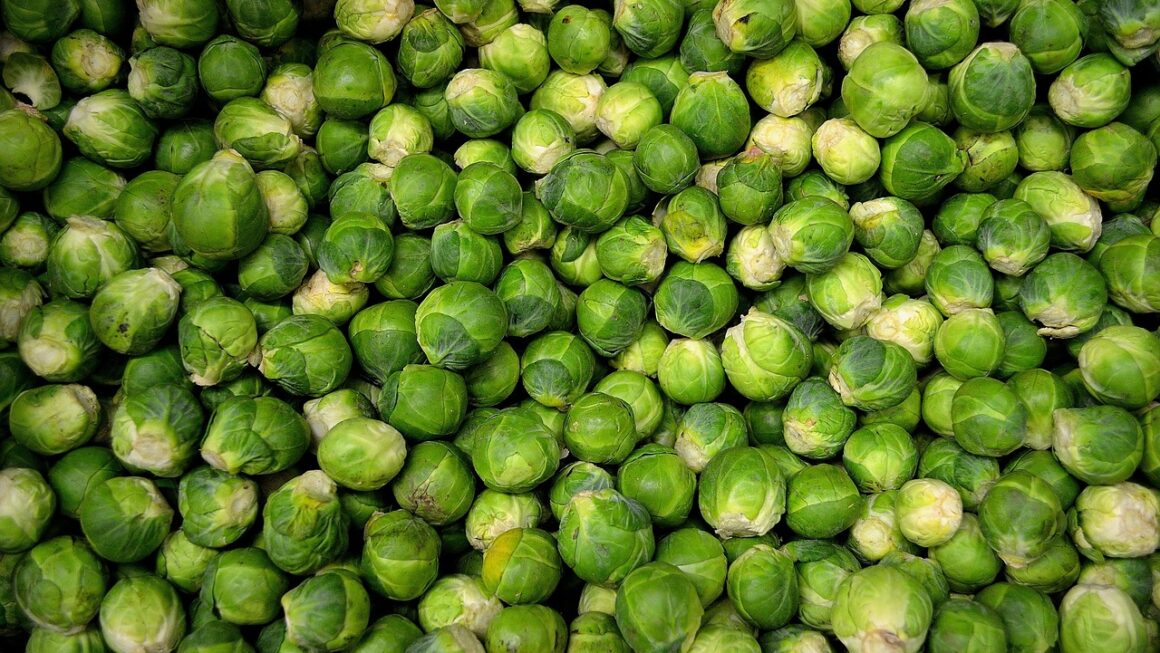
- Cruciferous Vegetables: Broccoli, cauliflower, Brussels sprouts, cabbage. Great roasted, steamed, or added to stir-fries.
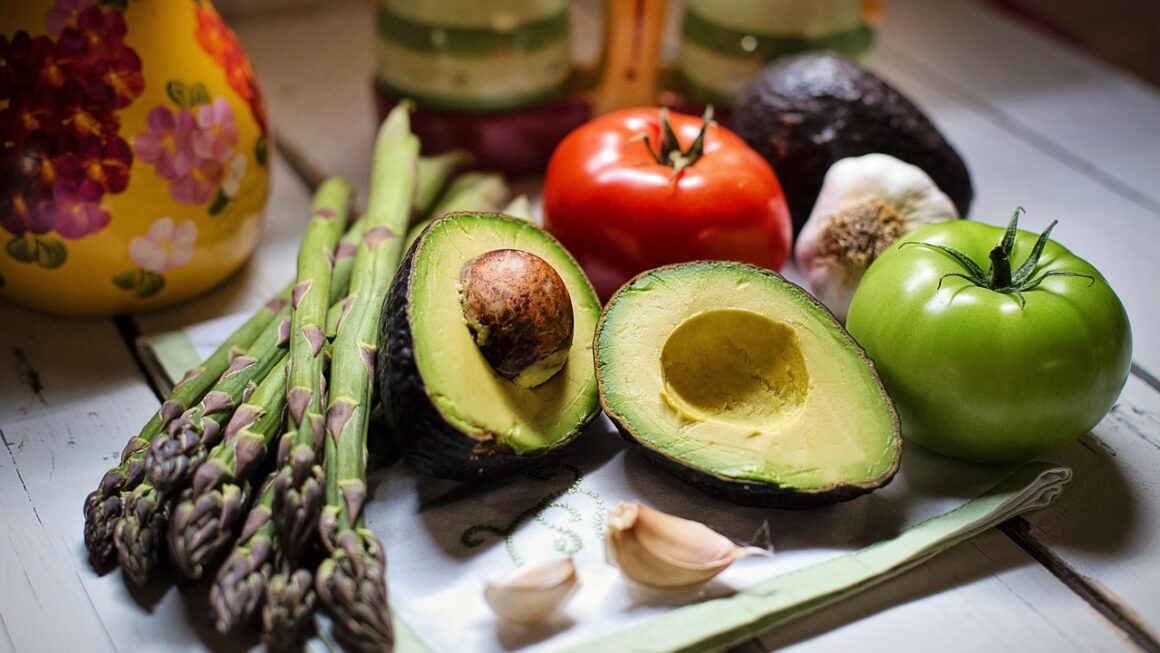
- Non-Starchy Vegetables: Zucchini, cucumber, bell peppers, mushrooms, asparagus, green beans, tomatoes, onions. Use generously in almost any dish.
- Root Vegetables (in moderation): Carrots, radishes, jicama. While slightly higher in carbs, they offer great crunch and flavor.
Actionable Takeaway: Aim to fill at least half of your plate with non-starchy vegetables at every meal. Roasting or steaming vegetables brings out their natural sweetness without adding excess oil.
Lean Proteins: Fueling Satiety
Protein is crucial for satiety, muscle maintenance, and overall body function. On a vegan diet, there are many excellent low-calorie protein sources.
- Legumes: Lentils, chickpeas, black beans, kidney beans, edamame. Versatile in soups, salads, and main dishes.
- Tofu & Tempeh: Firm tofu (pressed) and tempeh are excellent sources of complete protein. They absorb flavors wonderfully.
- Seitan: A wheat-based protein, high in protein and very low in fat.
- Plant-Based Protein Powders: Pea protein, rice protein, or blended plant proteins can supplement your intake, especially in smoothies.
Practical Tip: A 3.5-ounce serving of firm tofu contains approximately 76 calories and 8g of protein, while a cup of cooked lentils has about 230 calories and 18g of protein, making them incredibly efficient for your calorie budget.
Smart Carbs & Healthy Fats: Balance is Key
Not all carbs and fats are created equal. Opt for complex carbohydrates and healthy unsaturated fats in controlled portions.
- Whole Grains (portion-controlled): Quinoa, brown rice, oats, farro. Provide sustained energy and fiber.
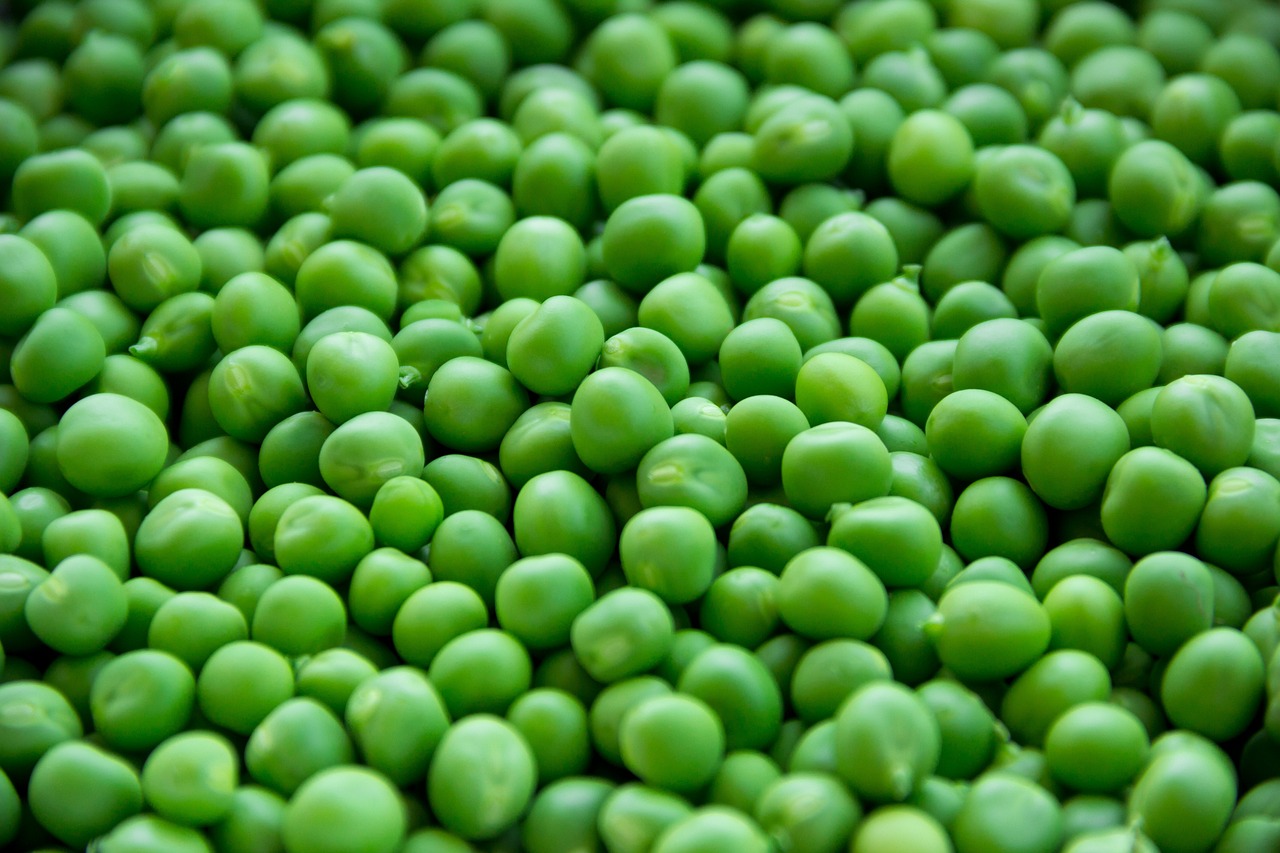
- Starchy Vegetables (portion-controlled): Sweet potatoes, corn, peas. Offer vitamins and minerals.
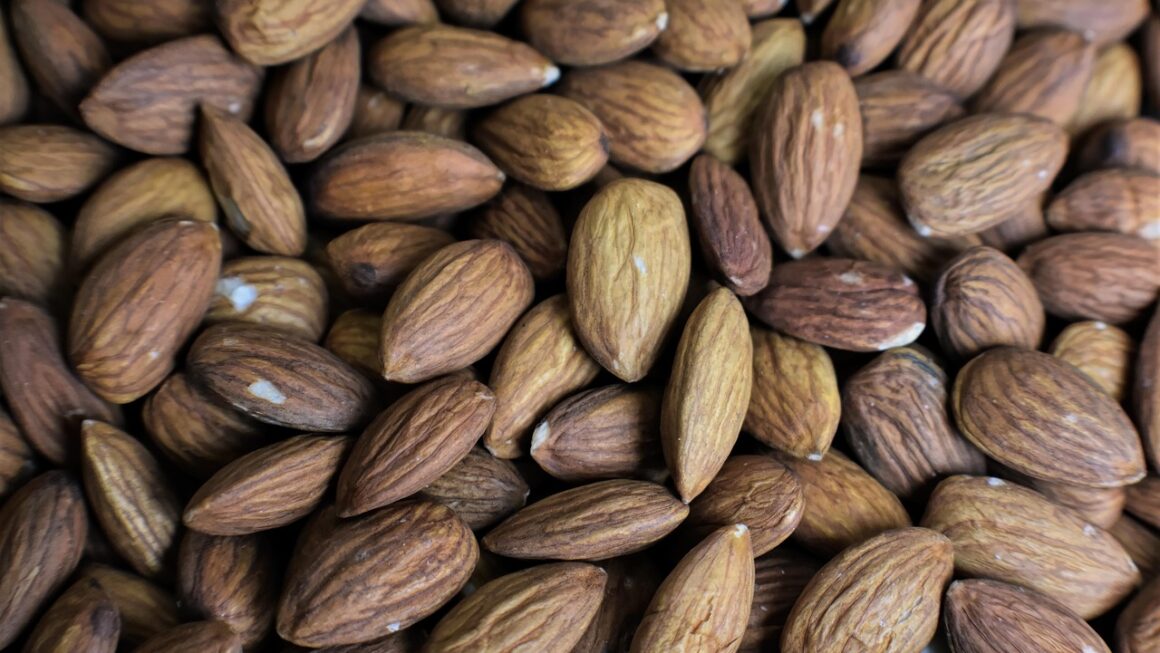
- Healthy Fats: Avocados, nuts (almonds, walnuts), seeds (chia, flax, hemp), olive oil. Essential for nutrient absorption and hormone production, but use sparingly due to high calorie density.
Actionable Takeaway: Incorporate healthy fats through sources like 1/4 of an avocado or a tablespoon of chia seeds rather than large amounts of oil. For carbs, prioritize fiber-rich whole grains and starchy vegetables in moderate servings.
Delicious & Satisfying Low-Calorie Vegan Meal Ideas
Eating low-calorie vegan doesn’t mean sacrificing flavor or variety. These ideas demonstrate how simple ingredients can come together to create truly enjoyable meals.
Breakfasts to Kickstart Your Day
Start your day right with energizing and satisfying options.
- Green Smoothie: Blend spinach, half a banana, 1/2 scoop of plant-based protein powder, unsweetened almond milk, and a tablespoon of chia seeds. (Approx. 200-250 calories)
- Tofu Scramble with Veggies: Crumble firm tofu and sauté with bell peppers, onions, spinach, and a pinch of turmeric for color. Serve with a side of salsa. (Approx. 180-220 calories)
- Overnight Oats with Berries: Mix 1/2 cup rolled oats, 1 cup unsweetened almond milk, 1 tablespoon chia seeds, and a handful of mixed berries. Refrigerate overnight. (Approx. 250-300 calories)
Lunches: Light, Fresh & Filling
Keep your midday meal light but robust enough to carry you through the afternoon.
- Giant Salad Bowl: A base of mixed greens topped with chickpeas, cucumber, tomatoes, shredded carrots, bell peppers, and a light lemon-tahini dressing. (Approx. 250-350 calories, depending on dressing and toppings)
- Lentil Soup: A hearty bowl of vegetable and lentil soup (homemade to control sodium and oil). Pair with a small side salad. (Approx. 200-280 calories)
- Lettuce Wraps with Spiced Tofu: Sauté crumbled tofu with soy sauce, ginger, garlic, and sriracha. Serve in large lettuce cups with shredded carrots and cilantro. (Approx. 200-280 calories)
Dinners: Flavorful & Satisfying
End your day with a satisfying meal that fits your calorie goals.
- Veggie-Loaded Stir-Fry: Broccoli, snap peas, mushrooms, carrots, bell peppers stir-fried with a small portion of brown rice noodles or quinoa, and a light soy-ginger sauce. Add edamame or a small serving of tofu for protein. (Approx. 300-450 calories)
- Cauliflower Rice “Burrito Bowl”: A base of riced cauliflower topped with black beans, corn salsa, avocado slices (small amount), chopped tomatoes, and a squeeze of lime. (Approx. 300-400 calories)
- Baked Sweet Potato with Chili: A medium baked sweet potato topped with a generous portion of homemade, bean-heavy vegetarian chili. (Approx. 350-450 calories)
Snacks & Desserts: Smart Indulgences
Don’t let cravings derail your progress. Choose smart, satisfying plant-based snacks and occasional treats.
- Apple Slices with 1 Tbsp Almond Butter: (Approx. 150 calories)
- Handful of Edamame (steamed): (Approx. 120 calories per 1/2 cup shelled)
- Cucumber Slices with Hummus (2 tbsp): (Approx. 100 calories)
- Fruit & Vegan Yogurt Parfait: Layer unsweetened plant-based yogurt with berries. (Approx. 150-200 calories)
- Frozen Grapes or Banana “Nice” Cream: Blend frozen banana with a splash of plant milk for a creamy, naturally sweet treat. (Approx. 100-150 calories)
Actionable Takeaway: Experiment with different herbs and spices to add big flavor without extra calories or unhealthy fats. Keep fresh fruits and pre-portioned nuts/seeds on hand for quick, healthy snacks.
Mastering Portion Control & Meal Prep for Success
Successfully maintaining a low-calorie vegan diet isn’t just about choosing the right foods; it’s also about managing how much you eat and planning ahead. These strategies are crucial for consistency and reaching your goals.
The Art of Portion Awareness
Even healthy foods can lead to calorie overconsumption if portions are not managed. This is particularly true for calorie-dense items like nuts, seeds, avocados, and oils.
- Use Measuring Tools: Invest in a food scale and measuring cups to accurately portion ingredients, especially at the beginning of your journey.
- Visual Cues: Learn to recognize standard portion sizes. For example, a serving of nuts is about the size of a golf ball, and a serving of cooked grains is half a cup.
- Listen to Your Body: Eat slowly and mindfully. Stop eating when you feel satisfied, not stuffed.
Practical Tip: Start by weighing your grains and legumes for a week to get a better visual sense of appropriate portion sizes. This awareness is a game-changer for calorie management.
Efficient Vegan Meal Prepping
Meal prepping is a cornerstone of a successful low-calorie vegan diet. It saves time, reduces decision fatigue, and ensures you always have healthy options available, preventing impulsive unhealthy choices.
- Plan Your Menu: Dedicate time once a week to plan your meals and snacks for the upcoming days.
- Shop Smart: Create a detailed grocery list based on your meal plan to avoid impulse buys.
- Batch Cook Staples: Cook large batches of quinoa, brown rice, lentils, roasted vegetables, or baked tofu at the beginning of the week.
- Pre-Chop Veggies: Wash and chop vegetables for salads, stir-fries, or snacks. Store them in airtight containers.
- Assemble Components: Prepare individual meal components that can be quickly assembled, like salad dressings, energy bites, or smoothie packs.
Actionable Takeaway: Dedicate 2-3 hours on a weekend to grocery shopping and basic meal prep. Having healthy ingredients ready to go drastically increases your chances of sticking to your low-calorie vegan plan.
Hydration and Mindful Eating
Often overlooked, adequate hydration and mindful eating practices play a significant role in calorie management and overall well-being.
- Drink Plenty of Water: Sometimes thirst is mistaken for hunger. Aim for 8 glasses of water daily, and consider drinking a glass before each meal.
- Eat Slowly: Savor each bite. It takes time for your brain to register fullness, so eating slowly can prevent overeating.
- Eliminate Distractions: Eat meals at a table, away from screens, to fully focus on your food and body’s signals.
Common Challenges and How to Overcome Them
Adopting any new dietary pattern comes with its unique set of challenges. Being prepared for these common hurdles can help you stay on track with your low-calorie vegan journey.
Avoiding Nutrient Deficiencies
A well-planned vegan diet is perfectly capable of providing all necessary nutrients, but a poorly planned one, especially when focused on being low-calorie, could lead to deficiencies.
- Vitamin B12: This is the only vitamin not reliably found in plant foods. Supplementation is essential for all vegans.
- Iron: Incorporate iron-rich plant foods like lentils, spinach, fortified cereals, and pair them with Vitamin C sources (like bell peppers or citrus) to enhance absorption.
- Calcium: Opt for fortified plant milks, tofu set with calcium, leafy greens, and sesame seeds.
- Omega-3s: Include flaxseeds, chia seeds, walnuts, and consider an algal oil supplement.
- Iodine: Use iodized salt or include sea vegetables like nori in moderation.
Actionable Takeaway: Consult with a registered dietitian specializing in plant-based nutrition to ensure your diet is balanced and meets all your nutritional needs, especially when restricting calories.
Dealing with Cravings and Hunger
Adjusting to a lower calorie intake can sometimes trigger cravings or feelings of hunger. The key is to address them with smart, plant-based strategies.
- Focus on Fiber: High-fiber foods naturally promote satiety. Load up on vegetables, fruits, and legumes.
- Adequate Protein: Ensure each meal contains a good source of plant-based protein to keep you feeling full.
- Healthy Snacks: Have pre-portioned, nutrient-dense snacks available to bridge the gap between meals.
- Hydration: As mentioned, often thirst is mistaken for hunger. Drink water or herbal tea.
- Mindful Indulgence: Don’t completely restrict yourself. Allow for occasional small, planned indulgences to prevent extreme cravings.
Dining Out & Social Situations
Navigating restaurants and social gatherings can be tricky when you’re committed to low-calorie vegan eating, but it’s entirely manageable with a little planning.
- Research Menus: Look up restaurant menus online beforehand to identify vegan-friendly and low-calorie options.
- Ask for Modifications: Don’t hesitate to ask for dressings on the side, extra vegetables, no oil, or steamed instead of fried options.
- Choose Wisely: Opt for salads with legumes, vegetable-based stir-fries (ask for minimal oil), or steamed vegetable dishes.
- Bring a Dish: If attending a potluck, offer to bring a delicious low-calorie vegan dish you know you can enjoy.
Actionable Takeaway: Be prepared, polite, and proactive. Most establishments are happy to accommodate dietary requests.
Conclusion
Embracing a lifestyle centered around low-calorie vegan meals is a powerful step towards enhanced health, sustainable weight management, and a deeper connection to nourishing your body. By focusing on whole, unprocessed plant foods, prioritizing nutrient density, mastering portion control, and planning ahead, you can create a diet that is not only effective for your goals but also incredibly diverse, delicious, and satisfying. Remember that consistency and an informed approach are key. With these practical tips and meal ideas, you’re well-equipped to unlock the vibrant world of plant-based eating and thrive on your wellness journey.