Are you constantly juggling a busy schedule, striving for healthier eating habits, and curious about embracing a more sustainable lifestyle? Look no further than vegan meal prep – a powerful strategy that transforms your week, saves you money, and nourishes your body with delicious, plant-based goodness. Forget last-minute cooking stress and expensive takeout; by dedicating a few hours to preparation, you unlock a world of convenience, vibrant flavors, and optimal nutrition. Whether you’re a seasoned vegan or just exploring plant-based eating, mastering meal prep can be the game-changer you’ve been searching for.
The Power of Vegan Meal Prep: Why Bother?
In today’s fast-paced world, finding time for balanced, home-cooked meals can feel like an Olympic sport. Vegan meal prep simplifies this challenge, offering a multitude of benefits that extend beyond just putting food on the table.
Time-Saving & Stress Reduction
Imagine coming home after a long day and having a nutritious, ready-to-eat meal waiting for you. That’s the magic of meal prep. By consolidating cooking tasks into one dedicated session, you:
- Free up weeknights: Spend less time cooking and cleaning during the week.
- Reduce decision fatigue: No more agonizing over what to eat when hunger strikes.
- Streamline your routine: A consistent food plan brings calm to chaotic days.
Studies show that individuals who plan and prepare their meals consume a higher quality diet and have more dietary variety.
Health & Nutrition Optimization
Vegan meal prep puts you in the driver’s seat of your nutrition. You have complete control over ingredients, portions, and cooking methods, leading to:
- Balanced meals: Easily incorporate diverse proteins, complex carbohydrates, healthy fats, and a rainbow of vegetables.
- Reduced processed foods: Rely less on pre-packaged, often unhealthy, convenience foods.
- Specific dietary goal achievement: Whether you’re focusing on weight management, muscle gain, or simply eating cleaner, meal prep helps you stay on track.
Actionable Takeaway: Plan meals around a protein source (lentils, beans, tofu), a complex carb (quinoa, brown rice, sweet potato), and plenty of non-starchy vegetables to ensure nutritional balance.
Budget-Friendly Eating
Eating out frequently, even at fast-casual vegan spots, can quickly deplete your wallet. Meal prepping is a savvy financial move:
- Bulk buying savings: Purchase ingredients like grains, legumes, and certain produce in larger, more economical quantities.
- Less food waste: Planned meals mean you use up what you buy, preventing spoilage and discarded food.
- Avoid impulse purchases: When healthy food is readily available, you’re less likely to grab expensive, less healthy options.
Environmental Impact
Embracing a plant-based diet is inherently more sustainable, and meal prep further amplifies its positive environmental impact:
- Reduced food waste: As mentioned, better planning means less food in landfills.
- Lower carbon footprint: A plant-based diet typically has a significantly lower environmental impact than one rich in animal products.
- Conscious consumption: Meal prep encourages a more thoughtful approach to your food choices and their origins.
Essential Tools and Pantry Staples for Vegan Meal Preppers
Getting started with vegan meal prep doesn’t require a complete kitchen overhaul, but having a few key tools and a well-stocked pantry can make the process significantly smoother and more enjoyable.
Kitchen Essentials
Invest in good quality items that will withstand frequent use:
- Sharp Knives & Cutting Boards: Essential for efficient vegetable chopping.
- Food Storage Containers: Air-tight, BPA-free containers (glass or sturdy plastic) in various sizes are crucial. Consider options with dividers.
- Large Pots & Sheet Pans: For batch cooking grains, soups, and roasting vegetables.
- High-Speed Blender/Food Processor: Great for sauces, dressings, dips, and chopping larger quantities of vegetables quickly.
- Measuring Cups & Spoons: For consistent recipes.
Pantry Powerhouses
These non-perishable items form the backbone of many delicious vegan meals:
- Grains: Quinoa, brown rice, oats, farro, whole wheat pasta.
- Legumes: Canned or dried beans (black beans, chickpeas, kidney beans), lentils (green, red, brown).
- Canned Goods: Diced tomatoes, coconut milk, vegetable broth.
- Oils & Vinegars: Olive oil, avocado oil, apple cider vinegar, balsamic vinegar.
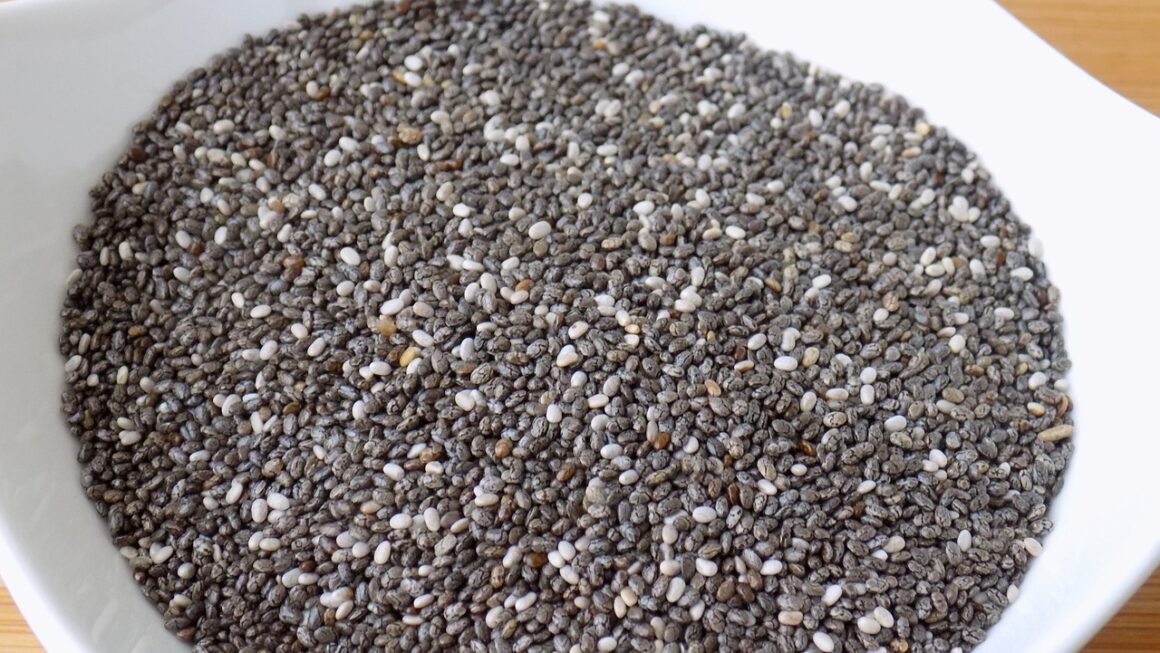
- Nuts & Seeds: Almonds, walnuts, chia seeds, flax seeds, hemp seeds (for healthy fats and protein).
- Spices & Herbs: Cumin, paprika, chili powder, garlic powder, onion powder, oregano, thyme – a well-stocked spice rack is a game-changer!
- Nutritional Yeast: Adds a cheesy, umami flavor to dishes.
- Sweeteners: Maple syrup, agave nectar (for dressings, baking).
Produce Picks
Focus on versatile, long-lasting fruits and vegetables that hold up well to cooking and storage:
- Root Vegetables: Sweet potatoes, carrots, potatoes, onions, garlic.
- Cruciferous Veggies: Broccoli, cauliflower, cabbage, Brussels sprouts.
- Hearty Greens: Kale, spinach (add later in the week for freshness).
- Fruits: Apples, oranges, bananas (can be frozen for smoothies), berries (freeze if not using immediately).
- Bell Peppers & Zucchini: Great for roasting or stir-fries.
Actionable Takeaway: Before your meal prep session, take inventory of your pantry and fridge to create an efficient shopping list, minimizing waste and ensuring you have everything you need.
Strategies for Successful Vegan Meal Prep
Successful vegan meal prep isn’t just about cooking; it’s about smart planning and execution. A strategic approach will save you time and ensure delicious, varied meals throughout the week.
Planning Your Menu
The foundation of effective meal prep is a solid plan. Consider these tips:
- Theme Days: Assign a theme to each day (e.g., “Taco Tuesday,” “Pasta Wednesday”) to simplify meal ideas.
- Recipe Rotation: Have a repertoire of 5-7 go-to recipes you love and rotate them to avoid boredom.
- Leverage Seasonal Produce: Buying in-season is often cheaper and tastier.
- Component-Based Planning: Instead of full meals, plan to prep individual components that can be mixed and matched (e.g., roasted veggies, cooked grains, a versatile sauce).
Example: For Monday’s “Grain Bowl,” Tuesday’s “Stir-fry,” and Wednesday’s “Wrap,” you could prep a batch of quinoa, chop various vegetables (carrots, bell peppers, broccoli), and make a large batch of peanut sauce.
Batch Cooking Techniques
This is where the magic happens – cooking larger quantities to last for multiple meals:
- Grains: Cook a big batch of quinoa, brown rice, or farro. One cup dry typically yields 3 cups cooked.
- Roasting Vegetables: Chop sturdy vegetables like sweet potatoes, broccoli, carrots, and Brussels sprouts. Toss with oil and spices, and roast them all at once on sheet pans.
- Legumes: Cook dried beans or lentils from scratch (cheaper) or simply open and rinse several cans.
- Protein Powerhouses: Bake or pan-fry a large block of tofu or tempeh, marinate chickpeas, or cook a large pot of chili or lentil soup.
- Sauces & Dressings: Prepare a versatile dressing (e.g., tahini-lemon, maple-dijon) or a simple sauce (e.g., marinara, pesto) that can be used for several dishes.
Component Prep vs. Full Meals
Decide which approach best suits your lifestyle and cooking style:
- Component Prep (most flexible): Prepare individual ingredients (cooked grains, roasted veggies, baked tofu, dressing) and assemble meals daily. This offers variety and prevents soggy meals.
- Full Meals (most convenient): Cook entire dishes like stews, curries, or pasta bakes and portion them directly into containers. Ideal for those who want zero cooking during the week.
Actionable Takeaway: Start with component prep if you’re new to meal prepping. It’s less overwhelming and allows for more creativity during the week.
Smart Storage Solutions
Proper storage is vital for food safety and freshness:
- Air-Tight Containers: Use glass or high-quality plastic containers to prevent spoilage and freezer burn.
- Separate Components: If doing component prep, store wet and dry ingredients separately until ready to eat (e.g., dressing separate from salad greens).
- Cool Completely: Always allow food to cool to room temperature before covering and refrigerating to prevent condensation and bacterial growth.
- Label & Date: Use labels with the meal name and date prepared. Most prepped meals are good for 3-5 days in the fridge.
- Freezing: Soups, stews, cooked grains, and some baked goods freeze beautifully for longer storage (up to 3 months).
Delicious & Diverse Vegan Meal Prep Ideas
The beauty of vegan meal prep lies in its versatility. From hearty breakfasts to satisfying dinners and energizing snacks, there’s a world of plant-based deliciousness waiting to be prepped.
Breakfast Power-Ups
Start your day right with prepped breakfasts that are both nutritious and time-saving:
- Overnight Oats: Combine rolled oats, plant milk, chia seeds, a sweetener, and your favorite fruit/nuts in jars. Refrigerate overnight.
- Example: Maple-Cinnamon Overnight Oats with Berries and Toasted Almonds.
- Tofu Scramble: Prepare a large batch of seasoned crumbled tofu with veggies (onions, bell peppers). Reheat and serve with avocado or salsa.
- Breakfast Burritos: Fill whole wheat tortillas with prepped tofu scramble, black beans, salsa, and spinach. Wrap tightly and freeze individually.
Lunchtime Legends
No more sad desk lunches! These ideas are packed with flavor and nutrition:
- Buddha Bowls: A foundation of cooked grains, topped with roasted veggies, a protein (baked tofu, chickpeas), and a flavorful dressing.
- Example: Quinoa with Roasted Sweet Potatoes & Broccoli, Garlic-Herb Chickpeas, and a Tahini-Lemon Dressing.
- Hearty Lentil Soup/Chili: Make a big pot of comforting lentil soup or bean chili. It tastes even better the next day!
- Mason Jar Salads: Layer dressing at the bottom, followed by hardier veggies, then grains/protein, and finally greens on top. Invert into a bowl when ready to eat.
Dinner Delights
Weeknight dinners become a breeze with these prepped options:
- One-Pan Roasted Vegetable & Chickpea Fajitas: Slice bell peppers and onions, toss with chickpeas and fajita seasoning. Roast. Serve with tortillas and prepped toppings (salsa, guacamole).
- Lentil Shepherd’s Pie: Prepare the lentil and vegetable base, and the mashed potato topping. Assemble and bake fresh, or freeze individual portions.
- Creamy Vegan Pasta Sauce: Make a large batch of cashew cream sauce or a rich marinara with hidden veggies. Store separately from cooked pasta, then combine and heat.
Snack Saviours
Keep hunger at bay with these easy-to-grab, healthy vegan snacks:
- Hummus & Veggie Sticks: Prep a batch of homemade hummus and cut up carrots, celery, and bell peppers.
- Energy Balls/Bars: No-bake balls made from oats, nut butter, dates, and seeds.
- Example: Peanut Butter Chocolate Chip Energy Bites.
- Roasted Chickpeas: Crispy and seasoned, a great alternative to chips.
Actionable Takeaway: Choose 2-3 recipes that excite you and focus on mastering them before expanding your repertoire. Start with meals you genuinely look forward to eating!
Overcoming Common Vegan Meal Prep Challenges
While vegan meal prep offers immense rewards, it’s not without its potential hurdles. Anticipating and addressing these challenges will help you maintain consistency and enjoyment.
Preventing Food Boredom
Eating the same thing all week can quickly lead to meal prep burnout. Keep things exciting by:
- Varying Spices & Sauces: Even with the same base ingredients, different seasonings or a new dressing can transform a meal.
- Texture Variety: Incorporate crunchy nuts/seeds, creamy avocado, soft grains, and crisp raw veggies.
- Recipe Rotation: As mentioned, have a rotating list of 5-7 favorite recipes.
- “Freezer Stash”: Keep a few different prepped meals in the freezer for when you need a complete change.
Example: Roast a large batch of sweet potatoes. On Monday, serve them in a savory bowl; on Tuesday, use them in a sweet breakfast hash; on Wednesday, blend them into a soup. Flexibility is key!
Keeping Produce Fresh
Preventing greens from wilting and veggies from going soggy is a common concern:
- Wash & Dry Thoroughly: Always wash leafy greens and herbs, then dry them completely using a salad spinner or paper towels before storing.
- Proper Storage: Store greens with a paper towel in an airtight container. Keep sturdy veggies separate from delicate ones.
- Whole vs. Cut: Cut vegetables generally spoil faster. Prep some whole veggies and chop them fresh on the day of use if you have time.
- Add Delicate Items Last: Ingredients like avocado, fresh herbs, or certain dressings are best added just before serving.
Time Management for Busy Schedules
If you’re already pressed for time, finding a 3-4 hour block for meal prep can be daunting:
- Break It Up: Divide tasks across two days (e.g., chop veggies on Friday, cook on Saturday).
- “Mini Preps”: Focus on just one or two components (e.g., just grains and protein) rather than a full week’s worth of meals.
- Utilize Shortcuts: Buy pre-chopped veggies, pre-cooked grains, or canned beans when time is extremely tight.
- Listen to Podcasts/Music: Make the prep time enjoyable and productive.
Ensuring Nutritional Balance
A common concern with any diet change is ensuring you get all necessary nutrients, particularly with veganism:
- Diverse Protein Sources: Regularly include legumes, tofu, tempeh, seitan, quinoa, nuts, and seeds. Aim for protein in every meal.
- Fortified Foods: Include plant milks and cereals fortified with Vitamin B12 and Vitamin D.
- Iron & Calcium: Incorporate leafy greens, fortified plant milks, tofu, lentils, and fortified cereals. Pair iron-rich foods with Vitamin C for better absorption.
- Omega-3s: Flax seeds, chia seeds, hemp seeds, and walnuts are excellent sources.
Actionable Takeaway: If you find yourself consistently battling a challenge, adjust your approach. There’s no single “right” way to meal prep; find what works best for your lifestyle.
Conclusion
Embracing vegan meal prep is more than just a kitchen hack; it’s a commitment to a healthier, more organized, and sustainable lifestyle. By dedicating time to planning and preparing your plant-based meals, you unlock a cascade of benefits: precious time saved, a well-nourished body, a healthier bank account, and a reduced environmental footprint. While challenges may arise, with smart strategies, essential tools, and a dash of creativity, you can overcome them and enjoy a week filled with delicious, satisfying, and convenient vegan food. So, roll up your sleeves, pick a recipe, and start your vegan meal prep journey today – your future self (and your taste buds!) will thank you.