Gone are the days when adopting a vegan diet meant sacrificing protein or constantly worrying about nutritional deficiencies. In fact, a thoughtfully planned plant-based diet can easily provide all the protein your body needs, whether you’re an athlete, looking to build muscle, or simply aiming for optimal health. The truth is, the plant kingdom is brimming with incredibly potent and versatile protein sources that can fuel your body, keep you feeling full, and support a vibrant lifestyle. This comprehensive guide will demystify high protein vegan meals, offering practical advice, delicious ideas, and the knowledge you need to thrive on a plant-powered plate.
The Power of Plant-Based Protein: Busting Myths
For too long, myths surrounding plant-based protein have deterred many from exploring a vegan lifestyle. Let’s set the record straight and understand the real potential of protein from plants.
How Much Protein Do You Really Need?
The average sedentary adult typically requires around 0.8 grams of protein per kilogram of body weight per day. For example, a 70kg individual would need approximately 56 grams of protein daily. However, requirements can increase for active individuals, athletes, pregnant women, or those aiming for muscle growth, potentially reaching 1.2 to 2.0 grams per kilogram. The good news? Meeting these targets with a diverse range of plant foods is not only achievable but often comes with added benefits like fiber, vitamins, and minerals that animal products lack.
- Sedentary Adults: ~0.8g protein per kg body weight
- Active Individuals/Athletes: 1.2-2.0g protein per kg body weight
- Key Takeaway: Most individuals can meet their protein needs with a varied whole-food vegan diet.
Complete vs. Incomplete Proteins
A common misconception is that plant proteins are “incomplete,” meaning they lack one or more of the nine essential amino acids our bodies can’t produce. While it’s true that some individual plant foods might be lower in certain amino acids, your body doesn’t need to consume all essential amino acids in a single meal. By eating a variety of protein-rich plant foods throughout the day – for example, combining grains with legumes – you effortlessly provide your body with everything it needs. Foods like quinoa, soy products (tofu, tempeh, edamame), and pistachios are considered complete proteins on their own.
- The “Complete” Myth: You don’t need to combine specific proteins in every meal.
- Strategy: Eat a diverse range of plant proteins daily to ensure all essential amino acids are consumed.
- Naturally Complete Plant Proteins: Quinoa, soy (tofu, tempeh, edamame), pistachios, hemp seeds, buckwheat.
Your Ultimate Guide to High-Protein Vegan Ingredients
Discover the incredible variety and versatility of plant-based protein sources that form the backbone of a high protein vegan diet.
Legumes and Pulses
These are the champions of plant-based protein, offering affordability, fiber, and an impressive protein punch.
- Lentils: Approximately 9g protein per ½ cup cooked. Perfect for soups, stews, curries, and even meatless loaves.
- Chickpeas (Garbanzo Beans): Around 7.5g protein per ½ cup cooked. Great for hummus, salads, roasted snacks, and chana masala.
- Black Beans & Kidney Beans: Roughly 7.5-8g protein per ½ cup cooked. Essential for tacos, burritos, chili, and bean burgers.
- Actionable Tip: Keep canned legumes stocked for quick meal additions or cook dried beans in bulk for cost savings.
Soy Products
Soy is a versatile and protein-rich powerhouse, offering complete protein and numerous health benefits.
- Tofu: 10-20g protein per ½ cup, depending on firmness. A neutral canvas for stir-fries, scrambles, or baked dishes. Pressing extra-firm tofu enhances its texture.
- Tempeh: Around 15g protein per ½ cup. Fermented soybean cake with a nutty, earthy flavor. Excellent for grilling, marinating, and in sandwiches.
- Edamame: Approximately 8.5g protein per ½ cup shelled. Delicious as a snack, in salads, or added to stir-fries.
- Actionable Tip: Experiment with different preparations – baking, frying, crumbling – to find your favorite way to enjoy soy.
Grains and Seeds
Don’t underestimate the protein content of these staples, especially when combined.
- Quinoa: ~8g protein per 1 cup cooked. A complete protein, fantastic as a side, in salads, or as a base for bowls.
- Oats: ~5g protein per ½ cup dry. A breakfast staple, great in overnight oats, porridges, or blended into smoothies.
- Hemp Seeds: ~10g protein per 3 tablespoons. Sprinkle over salads, smoothies, or yogurt for a boost of protein and omega-3s.
- Chia Seeds: ~5g protein per 2 tablespoons. Forms a gel, excellent in puddings, smoothies, or as an egg replacer.
- Actionable Tip: Always opt for whole grains over refined grains for better nutrient density and fiber.
Nuts and Nut Butters
Convenient, satisfying, and packed with healthy fats alongside protein.
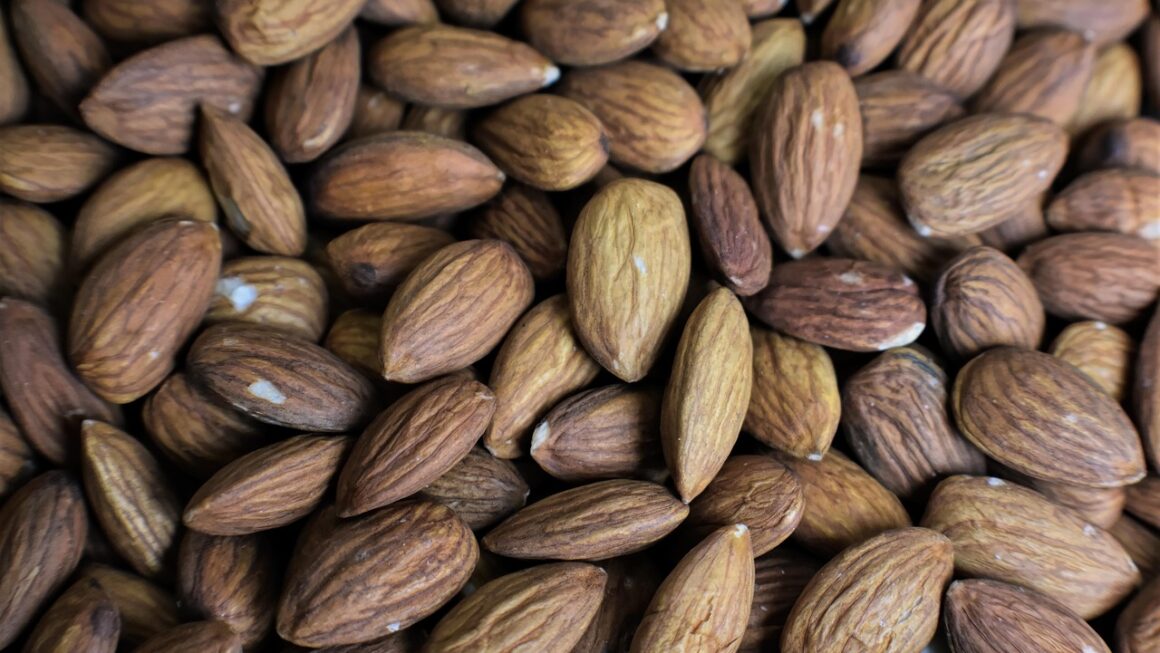
- Almonds: ~6g protein per ¼ cup. A great snack, or chopped for toppings.
- Peanuts/Peanut Butter: ~7g protein per 2 tablespoons. Classic spread, in sauces, or straight from the spoon.
- Cashews: ~5g protein per ¼ cup. Creamy, perfect for dairy-free sauces, or roasted for snacks.
- Actionable Tip: Choose unsalted nuts and natural nut butters without added sugars or oils.
Seitan and Plant-Based Meats
For those who love a meaty texture, these options are incredibly protein-dense.
- Seitan (Wheat Gluten): ~20-25g protein per 3oz serving. Known as “wheat meat,” it has a remarkably chewy texture, great for stir-fries, roasts, or grilling.
- Vegan Sausages/Burgers: Protein content varies widely (often 10-20g+ per serving). Read labels to choose options with higher protein and minimal artificial ingredients.
- Actionable Tip: If you’re sensitive to gluten, seitan is not for you. Explore homemade seitan recipes to control ingredients and flavor.
Delicious High Protein Vegan Meal Ideas for Every Time of Day
Fuel your body throughout the day with these protein-packed vegan meal suggestions.
Energizing Vegan Breakfasts
- High-Protein Tofu Scramble: Crumble extra-firm tofu, sauté with onions, bell peppers, spinach, and season with nutritional yeast (for cheesy flavor and B vitamins) and black salt. Serve with whole-wheat toast or avocado. (Estimated protein: 20-30g+)
- Power-Packed Protein Oatmeal: Cook rolled oats with plant milk, stir in a scoop of vegan protein powder (pea, soy, or hemp), chia seeds, and top with berries and a dollop of almond butter. (Estimated protein: 25-35g+)
- Green Goddess Protein Smoothie: Blend spinach, banana, a scoop of vanilla vegan protein powder, hemp seeds, almond milk, and a tablespoon of peanut butter until smooth. (Estimated protein: 20-30g+)
Satisfying Vegan Lunches
- Hearty Lentil Soup/Stew: A large bowl of lentil soup, rich with vegetables and herbs, served with a slice of whole-grain bread. (Estimated protein: 15-20g+)
- Chickpea Salad Sandwich/Wrap: Mash chickpeas with vegan mayo, celery, red onion, and seasonings. Serve on whole-grain bread or in a large lettuce wrap. Add a side of edamame. (Estimated protein: 18-25g+)
- Quinoa & Black Bean Power Bowl: A base of cooked quinoa topped with seasoned black beans, corn, salsa, avocado, and a squeeze of lime. Add some roasted sweet potatoes for extra nutrients. (Estimated protein: 18-25g+)
Hearty Vegan Dinners
- Tempeh & Veggie Stir-Fry: Cubed tempeh marinated in soy sauce (or tamari), ginger, and garlic, stir-fried with broccoli, carrots, snap peas, and served over brown rice. (Estimated protein: 25-35g+)
- Lentil Shepherd’s Pie: A rich lentil and vegetable filling topped with creamy mashed potatoes (use plant milk and vegan butter). (Estimated protein: 20-28g+)
- High-Protein Pasta with Creamy Cashew-Tofu Sauce: Use lentil or chickpea pasta (which has more protein than wheat pasta) and toss with a sauce made from blended cashews, silken tofu, nutritional yeast, and herbs. Add steamed greens. (Estimated protein: 25-40g+)
Smart Vegan Snacks
- Roasted Chickpeas: Crispy, savory, and satisfying. (Estimated protein: 7-8g per ½ cup)
- Edamame Pods: Lightly steamed and salted, a perfect healthy snack. (Estimated protein: 8-9g per ½ cup shelled)
- Hummus with Veggie Sticks: Dip carrots, celery, and bell peppers into protein-rich hummus. (Estimated protein: 5-7g per ¼ cup hummus)
- Handful of Almonds or Walnuts: Quick and convenient protein and healthy fats. (Estimated protein: 5-7g per ¼ cup)
Optimizing Your High Protein Vegan Diet
Beyond choosing the right ingredients, a few strategies can help you maximize your protein intake and overall nutritional success.
Combine Protein Sources for Synergy
While not strictly necessary at every meal, combining different plant protein sources throughout the day can ensure a complete amino acid profile and boost satiety. Think strategically about pairings:
- Legumes + Grains: Classic rice and beans, peanut butter on whole wheat toast, hummus with whole-grain pita.
- Seeds + Grains/Smoothies: Hemp or chia seeds sprinkled on oatmeal or blended into smoothies.
- Tofu/Tempeh + Vegetables: Tofu stir-fry provides protein and a spectrum of micronutrients.
- Actionable Takeaway: Don’t overthink it. A varied diet naturally covers your amino acid needs.
Focus on Whole Foods First
Prioritize whole, unprocessed plant foods. While vegan protein bars and some processed meat alternatives can be convenient, your primary focus should be on nutrient-dense staples.
- Benefits of Whole Foods: Higher in fiber, vitamins, minerals, and antioxidants.
- Avoid Over-Reliance: Don’t make highly processed vegan convenience foods your main protein source.
- Actionable Takeaway: Build your meals around ingredients like lentils, beans, tofu, tempeh, quinoa, nuts, and seeds.
Don’t Forget Vegan Protein Powders (When Appropriate)
Vegan protein powders can be a convenient supplement, especially for athletes, busy individuals, or those with higher protein needs. They are not essential but can be helpful.
- Types: Pea protein, brown rice protein, hemp protein, soy protein, or blends.
- Usage: Add to smoothies, oatmeal, baked goods, or mix with water/plant milk.
- When to Use: Post-workout recovery, as a meal replacement in a pinch, or to boost the protein content of existing meals.
- Actionable Takeaway: Choose a reputable brand with minimal added sugars and artificial ingredients.
Meal Prepping for Success
Preparation is key to maintaining a consistent high protein vegan diet. A little planning goes a long way.
- Batch Cook Staples: Cook large batches of quinoa, brown rice, lentils, or beans at the beginning of the week.
- Prepare Protein Components: Marinate and bake a block of tofu or tempeh, roast a tray of chickpeas.
- Assemble Components: Store individual components (grains, cooked beans, chopped veggies) separately to mix and match for quick meals.
- Actionable Takeaway: Dedicate an hour or two on a Sunday to prep, and you’ll thank yourself during busy weekdays.
Conclusion
Embracing a high protein vegan diet is not only possible but can be incredibly rewarding for your health, the environment, and animal welfare. By understanding the diverse and potent sources of plant-based protein, incorporating them into delicious meals, and utilizing smart strategies for preparation and absorption, you can easily meet and exceed your protein needs. So, step into the vibrant world of plant-based eating with confidence, knowing that every bite can be both nourishing and incredibly satisfying. Your journey to powerful, plant-fueled living starts now!