
Embarking on a plant-based journey often opens up a world of culinary possibilities, but for those aiming to balance high protein intake with a low-carb approach, the path can sometimes seem complex. Fear not! The fusion of these dietary principles—vegan high protein low carb meals—is not only achievable but also incredibly delicious and nutritionally robust. This comprehensive guide will demystify how to effectively combine the power of plants with strategic macronutrient planning, offering a roadmap to sustained energy, enhanced well-being, and a truly satisfying plate without compromising your values or health goals.
The Power of Plant-Based: Unpacking Vegan High Protein Low Carb
Understanding the fundamental principles of a vegan high protein low carb diet is the first step towards building a successful and sustainable eating plan. It’s about making informed choices that nourish your body while adhering to your dietary preferences.
What Defines Vegan High Protein Low Carb?
At its core, a vegan high protein low carb diet emphasizes:
- Plant-Based Only: Excludes all animal products, including meat, dairy, eggs, and honey.
- High Protein Focus: Prioritizes protein-rich plant sources to support muscle repair, satiety, and overall bodily functions. While “high” can vary, it generally means a higher percentage of calories from protein than a standard vegan diet.
- Low Carbohydrate Intake: Significantly limits carbohydrates, particularly refined sugars and starches. The specific carb limit can vary from moderate low-carb (e.g., 50-100g net carbs/day) to very low-carb, or ketogenic (e.g., 20-50g net carbs/day), depending on individual goals.
The aim is to shift your body’s primary fuel source from carbohydrates to healthy fats and proteins, promoting metabolic flexibility and stable energy levels.
Why Combine Them? Benefits for Health and Wellness
Adopting vegan high protein low carb meals can unlock a myriad of health advantages:
- Weight Management: High protein and healthy fats increase satiety, helping to reduce overall calorie intake, while a low-carb approach can aid in fat loss by promoting the use of stored fat for energy.
- Improved Blood Sugar Control: By drastically reducing carb intake, this diet can stabilize blood sugar levels, making it beneficial for individuals managing insulin resistance or type 2 diabetes.
- Sustained Energy Levels: Avoiding the carb-induced sugar spikes and crashes leads to more consistent energy throughout the day, preventing that dreaded afternoon slump.
- Enhanced Satiety: Protein and fiber from plant foods are incredibly filling, helping to curb cravings and prevent overeating.
- Gut Health: Many low-carb vegan staples like non-starchy vegetables are rich in fiber, which feeds beneficial gut bacteria, contributing to a healthy microbiome.
- Heart Health: Emphasizing healthy plant fats and minimizing processed foods can support cardiovascular well-being.
- Ethical and Environmental Impact: Aligning your diet with ethical values of animal welfare and environmental sustainability.
Actionable Takeaway: Understand your personal carb tolerance and protein needs. Start by gradually reducing processed carbs and integrating more diverse plant proteins to see how your body responds.
Your Go-To Plant Protein Arsenal
Building a successful vegan high protein low carb diet relies heavily on knowing your protein sources. Thankfully, the plant kingdom offers a vast array of nutrient-dense options.
Tofu, Tempeh, and Edamame
These soy-based powerhouses are staples for a reason:
- Tofu: A versatile, complete protein with very low net carbs, especially extra-firm varieties. It readily absorbs flavors.
- Example: Scrambled tofu with nutritional yeast, spinach, and bell peppers for a high-protein breakfast.
- Tempeh: Fermented soybeans, offering a firmer texture, nutty flavor, and even more protein and fiber than tofu. Fermentation also makes it easier to digest.
- Example: Tempeh “bacon” strips or grilled tempeh in salads.
- Edamame: Whole, immature soybeans, excellent as a snack or addition to stir-fries. They are a good source of fiber, protein, and various vitamins.
- Example: Steamed edamame pods with a sprinkle of sea salt.
Seitan (Wheat Gluten)
Seitan is a fantastic option for those without gluten sensitivities:
- Extremely High Protein: Often touted as one of the highest protein plant foods per serving, with minimal carbs.
- Versatile Texture: Its meaty texture makes it ideal for replicating dishes usually made with animal protein.
- Example: Seitan “steaks,” stir-fries, or in a rich stew.
Nuts and Seeds
Packed with protein, healthy fats, and fiber, nuts and seeds are perfect for satisfying hunger:
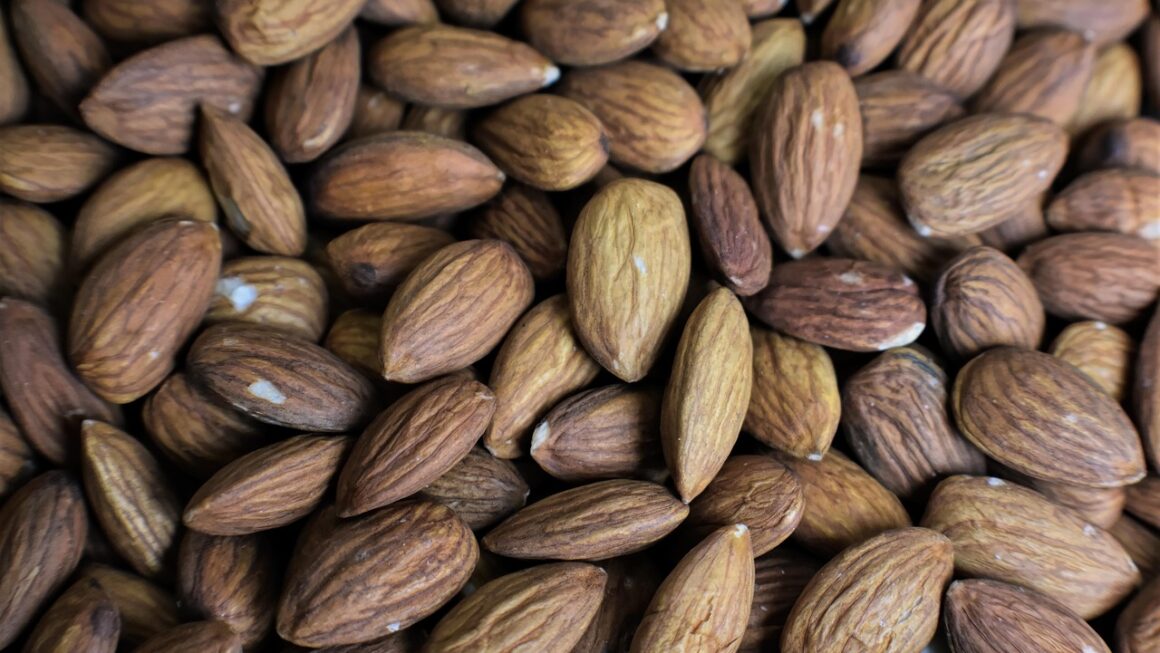
- Almonds, Walnuts, Pecans, Macadamia Nuts: Lower in carbs and rich in healthy fats.
- Chia Seeds: High in fiber, omega-3s, and protein. Excellent for thickening and adding texture.
- Flax Seeds: Similar to chia, great for omega-3s and fiber.
- Hemp Seeds: A complete protein, rich in omega-3 and omega-6 fatty acids, with a mild, nutty flavor.
- Example: Sprinkle hemp seeds over salads or blend into smoothies.
- Pumpkin Seeds: Good source of protein and magnesium.
Legumes (in Moderation)
While some legumes are higher in carbs, they can be included in smaller portions for their protein and fiber:
- Lentils (red, green, brown): Can be incorporated into low-carb meals in controlled amounts. Sprouted lentils can be a good option.
- Black Soybeans: A lesser-known but excellent low-carb legume option, very high in protein and fiber.
- Example: Small portion of black soybeans in a hearty salad or soup.
Protein Powders
For an extra boost or convenience, plant-based protein powders are invaluable:
- Pea Protein: A complete protein, generally easy to digest, and low in carbs.
- Hemp Protein: Good source of fiber and healthy fats, with a slightly earthy taste.
- Blended Proteins: Often combine pea, rice, and other proteins to create a complete amino acid profile.
- Tip: Always opt for unsweetened, unflavored varieties to control carb and sugar intake.
Actionable Takeaway: Diversify your protein sources daily. Aim for at least 20-30g of protein per meal to maximize satiety and muscle support.
Building Your Low Carb Vegan Plate: Vegetables and Healthy Fats
Beyond protein, the foundation of delicious and nutritious vegan high protein low carb meals is a vibrant array of non-starchy vegetables and wholesome fats.
Low Carb Vegetable Heroes
These vegetables are rich in nutrients, fiber, and flavor, without adding significant carbs:
- Leafy Greens: Spinach, kale, romaine lettuce, arugula, Swiss chard – use generously as bases for salads or sautéed sides.
- Cruciferous Vegetables: Broccoli, cauliflower, Brussels sprouts, cabbage – incredibly versatile and nutrient-dense.
- Example: Cauliflower rice, roasted broccoli florets.
- Zucchini and Summer Squash: Excellent for making “noodles” or spiralized dishes.
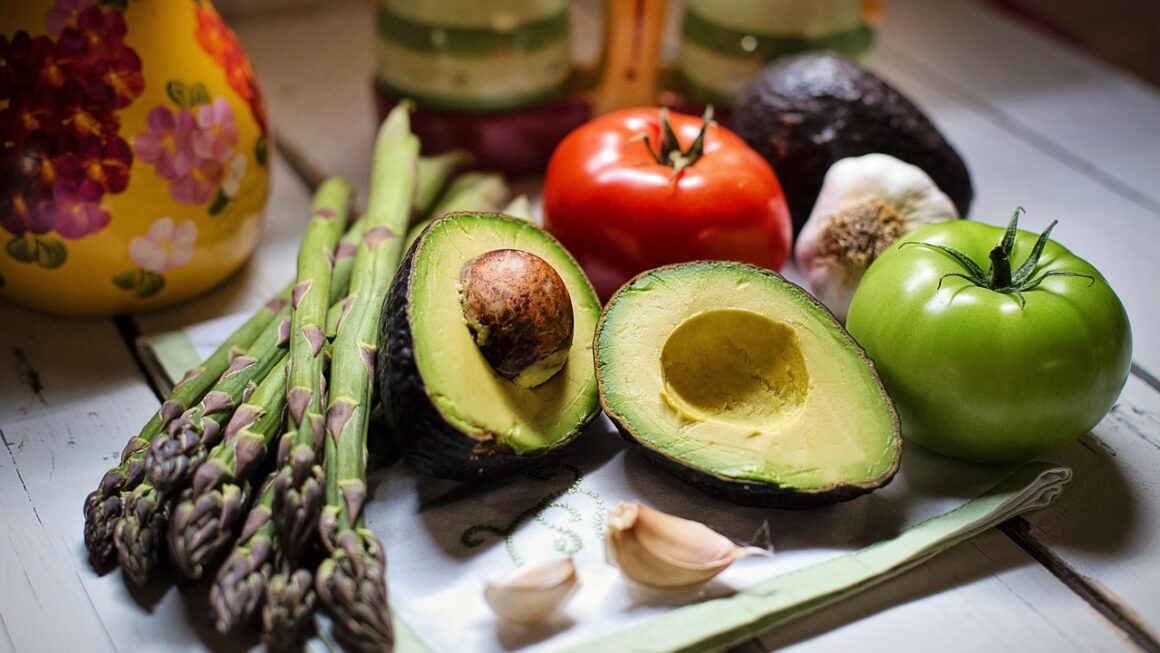
- Asparagus: A tender and flavorful spring vegetable.
- Bell Peppers: Red, yellow, orange (in moderation as they contain more sugar than green), and especially green bell peppers.
- Mushrooms: All varieties (cremini, button, shiitake, oyster) add umami and texture.
- Avocado: Technically a fruit, but a low-carb superstar packed with healthy fats and fiber.
- Green Beans: A versatile and widely available low-carb option.
Actionable Takeaway: Fill at least half your plate with a variety of colorful non-starchy vegetables at every meal.
Healthy Fats for Fuel and Flavor
On a low-carb diet, healthy fats become your primary energy source, critical for satiety, nutrient absorption, and flavor:
- Avocado: Creamy, satisfying, and full of monounsaturated fats.
- Olive Oil: Extra virgin olive oil is excellent for dressings, sautéing, and drizzling over finished dishes.
- Coconut Oil: Contains medium-chain triglycerides (MCTs), which can be easily converted to ketones for energy. Great for high-heat cooking.
- Nuts and Seeds: (As mentioned previously) Almonds, walnuts, chia seeds, flax seeds, hemp seeds.
- Nut Butters: Unsweetened almond butter, peanut butter (in moderation), or macadamia nut butter.
- Tip: Choose nut butters with minimal ingredients, ideally just nuts and salt.
Actionable Takeaway: Include a source of healthy fats with every meal to ensure satiety and adequate energy.
Delicious & Easy Vegan High Protein Low Carb Meal Ideas
Now for the exciting part—bringing it all together into satisfying and flavorful meals! Here are some practical ideas for your vegan high protein low carb journey.
Breakfast Boosters
- Tofu Scramble with Greens and Avocado: Sauté crumbled extra-firm tofu with turmeric, nutritional yeast, black salt (for eggy flavor), spinach, and mushrooms. Top with sliced avocado and a sprinkle of hemp seeds.
- High Protein Chia Seed Pudding: Mix 3 tbsp chia seeds with 1 cup unsweetened almond milk, 1 scoop unflavored pea protein powder, and a dash of cinnamon. Refrigerate overnight. Top with a few berries (strawberries, raspberries) and chopped almonds.
- Low Carb Protein Smoothie: Blend unsweetened almond milk, 1 scoop pea protein, 1/2 cup spinach, 1/4 avocado, 1 tbsp almond butter, and ice.
Lunch & Dinner Delights
- Grilled Tempeh Salad Bowl: A large bowl of mixed greens, cucumber, bell peppers, olives, and cherry tomatoes. Top with slices of grilled or pan-fried tempeh, a generous scoop of guacamole, and a dressing made from olive oil, apple cider vinegar, Dijon mustard, and herbs.
- Cauliflower Rice Stir-Fry with Tofu/Seitan: Sauté cauliflower rice with sesame oil, garlic, ginger, soy sauce (or tamari), and plenty of low-carb vegetables like broccoli, zucchini, and mushrooms. Add cubed firm tofu or sliced seitan for protein.
- Zucchini Noodles with Creamy Cashew Alfredo: Spiralize zucchini into noodles. Make a rich, creamy sauce by blending soaked cashews, nutritional yeast, garlic, lemon juice, and unsweetened plant milk. Toss with the “zoodles” and sautéed mushrooms or asparagus.
- Vegan “Meatless” Loaf (Low Carb Version): A savory loaf made from finely chopped mushrooms, walnuts, flax meal, vital wheat gluten (for binding and protein), and savory seasonings. Serve with a side of steamed green beans.
- Black Soy Bean & Avocado Salad: Combine cooked black soybeans (in moderation), diced avocado, red onion, cilantro, and a lime-cumin dressing.
Savory Snacks
- Edamame Pods: Steamed and lightly salted.
- Nut and Seed Mix: A handful of almonds, walnuts, pumpkin seeds, and sunflower seeds.
- Celery Sticks with Almond Butter: Unsweetened almond butter for dipping.
- Smoked Tofu Cubes: Pre-packaged or homemade, a quick and satisfying protein bite.
- Olives: A great source of healthy fats and flavor.
Actionable Takeaway: Experiment with different flavor profiles and cooking methods to keep your meals exciting and prevent dietary fatigue.
Mastering Your Vegan High Protein Low Carb Journey
Success on any dietary path comes with preparation and mindfulness. Here are key tips to help you thrive with vegan high protein low carb meals.
Meal Planning and Preparation
Consistency is key. Planning ahead will save you time and help you stick to your goals.
- Batch Cook: Prepare large quantities of core ingredients like baked tofu, grilled tempeh, roasted low-carb vegetables, or cauliflower rice at the beginning of the week.
- Weekly Menus: Plan your meals for the entire week, including snacks, to avoid last-minute, carb-heavy choices.
- Read Labels: Always check the nutrition labels on packaged vegan products. Many plant-based alternatives can be surprisingly high in sugar or hidden carbs.
Actionable Takeaway: Dedicate an hour or two once a week to plan your meals and prep essential ingredients. This small investment pays huge dividends.
Hydration and Electrolytes
When you reduce carbohydrates, your body processes electrolytes differently, making hydration even more critical.
- Drink Plenty of Water: Aim for at least 8-10 glasses of water daily.
- Supplement Electrolytes: Consider adding a low-carb electrolyte supplement, or naturally boost electrolytes with foods like avocado, spinach, and a pinch of high-quality sea salt.
Listen to Your Body and Consult Professionals
Every individual is unique. What works for one person might need adjustments for another.
- Adjust as Needed: Pay attention to your energy levels, digestion, and overall well-being. Don’t be afraid to adjust your macronutrient ratios or food choices.
- Seek Guidance: If you’re making significant dietary changes, especially for health conditions, consult with a registered dietitian or healthcare professional. They can provide personalized advice and ensure you meet all your nutritional needs.
Actionable Takeaway: Prioritize self-awareness. If you feel lethargic, ravenous, or unwell, re-evaluate your food choices and consider professional advice.
Avoiding Hidden Carbs
Carbohydrates can lurk in unexpected places, especially in processed foods.
- Sauces and Dressings: Many commercial sauces (ketchup, BBQ sauce, some salad dressings) are loaded with sugar. Opt for homemade or sugar-free alternatives.
- Processed Vegan Meats/Cheeses: While convenient, some highly processed vegan products can contain fillers that add unwanted carbs. Choose whole-food based options when possible.
- Sweeteners: Be mindful of artificial sweeteners or sugar alcohols, as some can still impact blood sugar or cause digestive upset.
Actionable Takeaway: Develop a habit of scanning ingredient lists and nutritional information, even on items you think are “safe.”
Conclusion
The journey to embracing vegan high protein low carb meals is a rewarding one, offering a compelling blend of ethical eating, sustainable living, and robust health benefits. By focusing on a diverse array of plant-based protein superstars like tofu, tempeh, seitan, nuts, and seeds, coupled with a generous intake of low-carb vegetables and healthy fats, you can craft a diet that is both incredibly satisfying and profoundly nourishing.
Remember, success lies in thoughtful planning, listening to your body, and continuous learning. With the right knowledge and a little culinary creativity, you’ll discover that a high protein, low carb vegan lifestyle is not just sustainable, but vibrant, flavorful, and incredibly empowering. Dive in, experiment, and enjoy the transformative power of plants!