Embarking on a vegan lifestyle doesn’t mean sacrificing protein or compromising your fitness goals. In fact, embracing a high-protein vegan diet is not only achievable but also incredibly beneficial for muscle growth, satiety, and overall health. Far too long, myths have circulated about the supposed difficulty of getting enough protein from plants. Today, we’re here to dismantle those misconceptions and equip you with the knowledge and delicious strategies to power your body with an abundance of plant-based protein, proving that a robust, protein-rich diet is well within reach for every vegan.
The Power of Plant-Based Protein: Debunking Myths and Maximizing Intake
Understanding your protein needs and recognizing the incredible versatility of plant-based sources is the first step towards a thriving high-protein vegan diet. Protein is crucial for countless bodily functions, from repairing tissues and building muscle to producing enzymes and hormones. For active individuals or those aiming for muscle gain, protein requirements can be higher, making strategic choices even more important.
Why Protein Matters for Vegans
- Muscle Growth and Repair: Adequate protein intake is essential for muscle protein synthesis, aiding in recovery post-workout and promoting lean muscle mass.
- Satiety and Weight Management: Protein helps you feel fuller for longer, reducing cravings and supporting healthy weight management.
- Overall Health: Proteins are the building blocks for enzymes, hormones, and antibodies, playing a vital role in immune function and metabolic processes.
Debunking the “Incomplete Protein” Myth
One of the most persistent myths surrounding vegan diets is the idea of “incomplete proteins.” While it’s true that some individual plant foods may be lower in one or two essential amino acids compared to animal sources, our bodies maintain an amino acid pool. Eating a variety of plant-based proteins throughout the day easily provides all essential amino acids. You don’t need to combine specific foods in one meal (e.g., rice and beans) to create a “complete” protein; simply enjoying diverse whole plant foods over the course of a day is sufficient. Focus on variety!
Top Tier Vegan Protein Sources You Need to Know
The plant kingdom offers an incredible array of protein-packed foods. Incorporating these staples into your daily meals will ensure you easily meet your protein targets.
Legumes: The Unsung Heroes
- Lentils: Versatile and quick-cooking, lentils pack about 9g of protein per 1/2 cup cooked. Perfect for soups, stews, salads, and curries.
- Chickpeas (Garbanzo Beans): Offering around 7g of protein per 1/2 cup cooked, chickpeas are great in hummus, roasted snacks, salads, and curries.
- Black Beans/Kidney Beans: Rich in fiber and protein (approx. 7-8g per 1/2 cup cooked), these are excellent for chili, tacos, burritos, and bowls.
Soy-Based Products: Versatile & Potent
- Tofu: A fantastic source of complete protein. Firm or extra-firm tofu contains about 10-15g of protein per 1/2 cup serving. Great for scrambling, stir-frying, baking, or grilling.
- Tempeh: Fermented soybean product with a firmer texture and nutty flavor. Delivers an impressive 15-18g of protein per 1/2 cup serving. Excellent for grilling, marinating, or adding to stir-fries.
- Edamame: Whole, immature soybeans. A delicious snack with roughly 8-10g of protein per 1/2 cup shelled.
Grains, Nuts & Seeds: More Than Just Carbs and Fats
- Quinoa: A complete protein grain, providing about 8g of protein per 1 cup cooked. Use as a base for bowls, salads, or a side dish.
- Hemp Seeds: Tiny but mighty, offering about 10g of protein per 3 tablespoons. Sprinkle on smoothies, salads, oatmeal, or toast.
- Chia Seeds: Not just for omega-3s, chia seeds provide about 5g of protein per 2 tablespoons. Perfect for puddings, smoothies, or thickening.
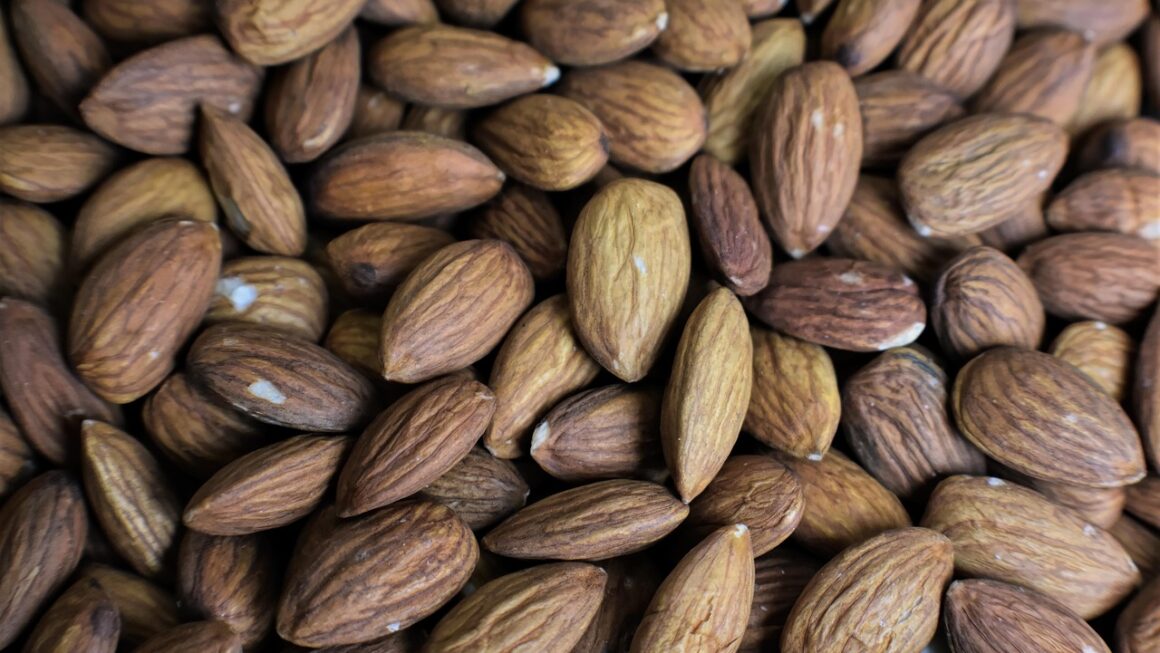
- Almonds/Walnuts: While primarily known for healthy fats, nuts also contribute protein (approx. 6g per 1/4 cup almonds). Ideal for snacking or adding to meals.
Protein-Rich Vegetables and Powders
- Broccoli: Contains about 2.6g of protein per cup chopped. While not as high as legumes, every bit adds up!
- Spinach: Roughly 5g of protein per cup cooked. Easily added to smoothies, stir-fries, or pasta dishes.
- Vegan Protein Powders: Pea, rice, hemp, or blended options. Can provide 20-30g of protein per scoop. Excellent for shakes, smoothies, or baking.
Strategic Meal Planning for High Protein Vegan Diets
Achieving high protein intake on a vegan diet is all about smart planning and combining ingredients. Focus on making protein the star of your plate, or at least a significant co-star.
Structuring Your High-Protein Vegan Meals
- Prioritize Protein: When building your plate, start with a generous portion of a high-protein source (e.g., lentils, tofu, tempeh).
- Combine for Synergy: While not strictly necessary for complete proteins, combining different plant protein sources in a meal (e.g., beans with quinoa, nuts with oats) can enhance the amino acid profile and variety.
- Snack Smart: Incorporate protein-rich snacks between meals to maintain energy levels and hit your daily targets.
Tips for Maximizing Protein Per Meal
- Double Up: Add an extra scoop of beans to your salad or an extra block of tofu to your stir-fry.
- Sneaky Additions: Blend silken tofu into smoothies, stir in protein powder to oatmeal, or sprinkle nutritional yeast (which contains ~4g protein per 2 tbsp) onto savory dishes.
- Portion Control: Pay attention to serving sizes of your protein sources. A typical serving of lentils or beans is 1/2 cup, but you can easily have 1 cup in a main meal.
Actionable Takeaway:
Plan your meals around core protein components like legumes, tofu, tempeh, and quinoa. Don’t be afraid to increase serving sizes of these foods to boost your protein count efficiently. Batch cooking lentils or beans at the start of the week can save time and ensure you always have a protein source ready.
Fueling Your Day: Delicious High Protein Vegan Meal Examples
Here are some practical and delicious meal ideas to help you integrate high-protein vegan eating into your daily routine, from breakfast to dinner and beyond.
Power-Packed Vegan Breakfasts
- Tofu Scramble with Veggies and Black Beans: Crumble extra-firm tofu, sauté with onions, peppers, spinach, and a generous 1/2 cup of black beans. Season with turmeric, nutritional yeast, and black salt. (~20-25g protein)
- Creamy Protein Smoothie: Blend 1 scoop vegan protein powder (pea, hemp, or rice), 1/2 cup silken tofu or a handful of spinach, 1 cup plant milk, 1 tbsp almond butter, 1 tbsp chia seeds, and berries. (~25-35g protein)
- Hearty Protein Oatmeal: Cook 1/2 cup rolled oats with plant milk, stir in 1/2 scoop protein powder, 1 tbsp hemp seeds, 1 tbsp chopped walnuts, and sliced banana. (~20-25g protein)
Satisfying High Protein Vegan Lunches
- Loaded Lentil Salad Bowl: Mix 1 cup cooked lentils with chopped cucumber, tomatoes, bell peppers, a generous handful of spinach, and a lemon-tahini dressing. Top with 2 tbsp pumpkin seeds. (~20-25g protein)
- Spicy Chickpea Salad Sandwich/Wrap: Mash 1 cup chickpeas with vegan mayo, celery, red onion, a dash of hot sauce, and seasonings. Serve on whole-grain bread or in a large lettuce wrap. (~18-22g protein)
- Quinoa & Edamame Power Bowl: Combine 1 cup cooked quinoa, 1/2 cup shelled edamame, roasted sweet potatoes, avocado, and a peanut dressing. (~20-25g protein)
Robust High Protein Vegan Dinners
- Tempeh Stir-Fry with Broccoli and Cashews: Sauté 6oz tempeh (marinated in soy sauce/tamari), broccoli florets, carrots, and bell peppers. Finish with a handful of cashews. Serve over 1 cup brown rice. (~30-35g protein)
- Black Bean Burgers on Whole Wheat Buns: Prepare homemade or high-quality store-bought black bean burgers (aim for >15g protein per patty). Serve with all your favorite fixings and a side of roasted sweet potato fries. (~20-30g protein per burger)
- High Protein Pasta with Lentil Bolognese: Use a protein-enriched pasta (e.g., chickpea or lentil pasta, 15-20g protein per serving) with a rich bolognese made from 1 cup red lentils, diced carrots, celery, onion, and crushed tomatoes. (~30-40g protein)
Smart High Protein Vegan Snacks
- Roasted chickpeas (~7g protein per 1/2 cup)
- Edamame pods (~8g protein per 1/2 cup)
- A handful of almonds or walnuts (~6-7g protein per 1/4 cup)
- Vegan protein bar (check labels for 15g+ protein)
- Apple slices with 2 tbsp peanut or almond butter (~8g protein)
Optimizing Your Vegan Protein Journey: Tips, Tricks, and Supplements
Beyond simply knowing what to eat, a few strategies can help you maximize your protein intake, especially if you have higher needs for athletic performance or specific health goals.
When to Consider Vegan Protein Supplements
While whole foods should always be your primary source of nutrition, vegan protein powders can be a convenient and effective way to boost your protein intake, especially for:
- Athletes and Bodybuilders: To quickly meet elevated protein needs for muscle recovery and growth.
- Busy Individuals: When time is short, a protein shake can be a quick and easy meal replacement or snack.
- Weight Management: Protein shakes can enhance satiety and help manage calorie intake.
Look for powders made from pea, brown rice, hemp, or a blend of these for a complete amino acid profile. Always check for third-party testing to ensure purity.
Hydration and Nutrient Synergy
Protein absorption and utilization are optimized when your body is well-hydrated and supplied with essential micronutrients. Ensure you’re drinking plenty of water throughout the day. A diverse diet rich in fruits, vegetables, and whole grains will provide the necessary vitamins and minerals that support metabolic functions, including protein synthesis.
Tracking Your Protein Intake
If you’re unsure whether you’re meeting your protein goals, consider tracking your intake for a few days. Apps like Cronometer or MyFitnessPal allow you to log your food and provide detailed macronutrient breakdowns, helping you identify areas where you can adjust your diet. Aim for roughly 1.6-2.2 grams of protein per kilogram of body weight for active individuals looking to build muscle, or 0.8-1.2 grams for general health.
Actionable Takeaway:
Integrate a high-quality vegan protein powder for convenience and to hit higher protein targets. Pair your protein-rich meals with plenty of water and a variety of colorful fruits and vegetables to support overall health and nutrient absorption. Don’t hesitate to track your intake temporarily to ensure you’re consistently meeting your needs.
Conclusion
Dispelling the myths around high-protein vegan meals has never been more crucial. As this guide demonstrates, the plant kingdom offers a vast and delicious bounty of protein-rich foods, making it entirely feasible – and incredibly enjoyable – to build a diet that supports muscle growth, keeps you satiated, and fuels your overall well-being. From versatile legumes and soy products to nutrient-dense grains, nuts, and seeds, you have all the tools you need to create diverse, satisfying, and protein-packed meals every day. Embrace the power of plants, experiment with new recipes, and discover firsthand how a high-protein vegan lifestyle can transform your health and vitality. Your journey to plant-powered strength starts now!