Embarking on a vegan lifestyle, or simply looking to incorporate more plant-based meals into your diet, doesn’t have to strain your wallet or your schedule. A common misconception is that going vegan is inherently expensive or requires elaborate cooking skills. The truth is, some of the most delicious, nutritious, and satisfying vegan meals are also incredibly budget-friendly and simple to prepare. This comprehensive guide will debunk those myths, providing you with practical strategies and mouth-watering ideas to enjoy cheap and easy vegan meals that are good for you, your finances, and the planet.
Embracing the Power of Plant-Based Staples
The foundation of any budget-friendly vegan diet lies in embracing whole, unprocessed plant foods. These staples are not only incredibly versatile and nutritious but also significantly cheaper than many processed foods or animal products. By building your meals around these ingredients, you unlock a world of affordable culinary possibilities.
Legumes: Your Budget-Friendly Protein Powerhouse
- Beans (Black, Kidney, Pinto, Chickpeas): Inexpensive, packed with protein and fiber. A can of beans typically costs less than a dollar, and dried beans are even cheaper per serving. They are fundamental for any affordable vegan cooking strategy.
- Lentils (Red, Green, Brown): Cook quickly and don’t require pre-soaking. Red lentils are fantastic for soups and dahl, while green/brown lentils hold their shape well in salads and stews.
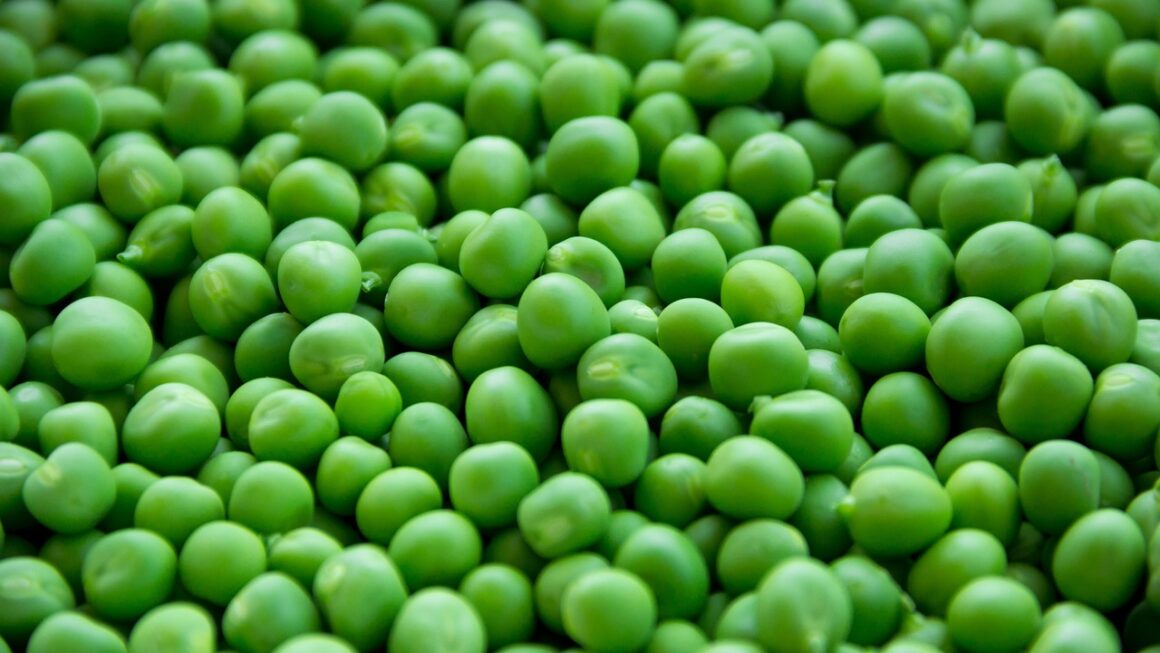
- Peas: Frozen peas are an affordable way to add green veggies and protein to almost any dish, making them ideal for quick vegan dinners.
Actionable Takeaway: Stock up on dried beans and lentils. They offer superior value and less sodium than canned versions (though canned are great for convenience). Look for them in bulk bins for even greater savings.
Grains: The Versatile and Filling Base
- Rice (Brown, White): A global staple for a reason. Brown rice offers more fiber and nutrients, while white rice cooks faster. Both are incredibly cheap and form the basis of many simple plant-based meals.
- Oats: A breakfast hero that can also be used in savory dishes or to thicken stews. Rolled oats are particularly economical.
- Pasta: A quick and easy dinner solution. Opt for whole wheat varieties for added fiber and sustained energy.
- Quinoa (Budget-Conscious Choice): While slightly pricier than rice, it’s a complete protein and still very affordable per serving, especially when bought in bulk.
Actionable Takeaway: Explore different grains beyond just rice. Experiment with oats, barley, or buckwheat for variety and added nutrition without breaking the bank, contributing to a truly healthy vegan on a budget lifestyle.
Smart Shopping Strategies for Maximum Savings
Saving money on your groceries doesn’t just happen; it’s a deliberate choice driven by smart shopping habits. With a few strategic shifts, you can significantly reduce your food bill while still enjoying a diverse and delicious vegan diet, focusing on truly budget-friendly plant-based options.
Buy in Bulk When Possible
For non-perishable items like dried beans, lentils, rice, pasta, oats, nuts, and seeds, buying in bulk often yields substantial savings. Many health food stores or large supermarkets offer bulk bins where you can purchase exact quantities, reducing waste and cost.
- Benefits: Lower unit cost, less packaging waste, ensures you always have staples on hand for easy vegan recipes.
- Example: A 5-pound bag of brown rice costs significantly less per pound than smaller boxes.
Actionable Takeaway: Invest in airtight containers to store bulk purchases properly, preserving freshness and preventing pests. This is a core tip for maintaining vegan pantry staples.
Prioritize Seasonal and Local Produce
Fruits and vegetables are often cheapest and freshest when they are in season and sourced locally. Out-of-season produce, especially if imported, can be surprisingly expensive.
- Farmers’ Markets: Often offer better prices directly from growers, especially towards the end of market hours.
- Community Supported Agriculture (CSA): Subscribing to a CSA box can provide a weekly bounty of fresh, seasonal produce at a set, often affordable, price.
- Frozen Fruits and Vegetables: A fantastic and often cheaper alternative to fresh, especially for items out of season. They are picked at peak ripeness and flash-frozen, locking in nutrients, making them perfect for cheap vegan meals.
Actionable Takeaway: Plan your meals around what’s in season. A quick online search can tell you what produce is abundant and affordable in your region, maximizing your budget for fresh ingredients.
Utilize Store Brands and Sales
Don’t overlook store-brand products. Generic versions of staples like canned goods, pasta, oats, and even some plant milks are usually identical in quality to their branded counterparts but come at a fraction of the cost. Always check weekly flyers for sales and coupons on your favorite vegan ingredients.
Actionable Takeaway: Compare unit prices (price per ounce/gram) to truly understand which product offers the best value, regardless of brand or sale price. This small habit can lead to significant savings on your overall grocery bill.
Mastering Meal Prep and Batch Cooking
Time is money, and nowhere is that more evident than in the kitchen. By dedicating a bit of time to meal preparation and batch cooking, you can ensure a week of cheap, easy, and healthy vegan meals, eliminating the temptation of expensive takeout.
Pre-Cook Grains and Legumes
Cooking a large batch of rice, quinoa, or lentils at the beginning of the week saves immense time during busy weekdays. Similarly, soaking and cooking a big pot of dried beans can provide servings for multiple meals.
- Example Applications:
- Cooked rice can become the base for stir-fries, bowls, or even a quick fried rice.
- Cooked lentils can be added to salads, made into a shepherd’s pie, or blended into a soup.
- Cooked chickpeas are perfect for adding to curries, making hummus, or roasting for a snack.
Actionable Takeaway: Dedicate an hour or two on a Sunday to cook your core grains and legumes for the week. Store them in airtight containers in the fridge for ready-to-use ingredients for your easy vegan recipes.
Chop and Store Vegetables
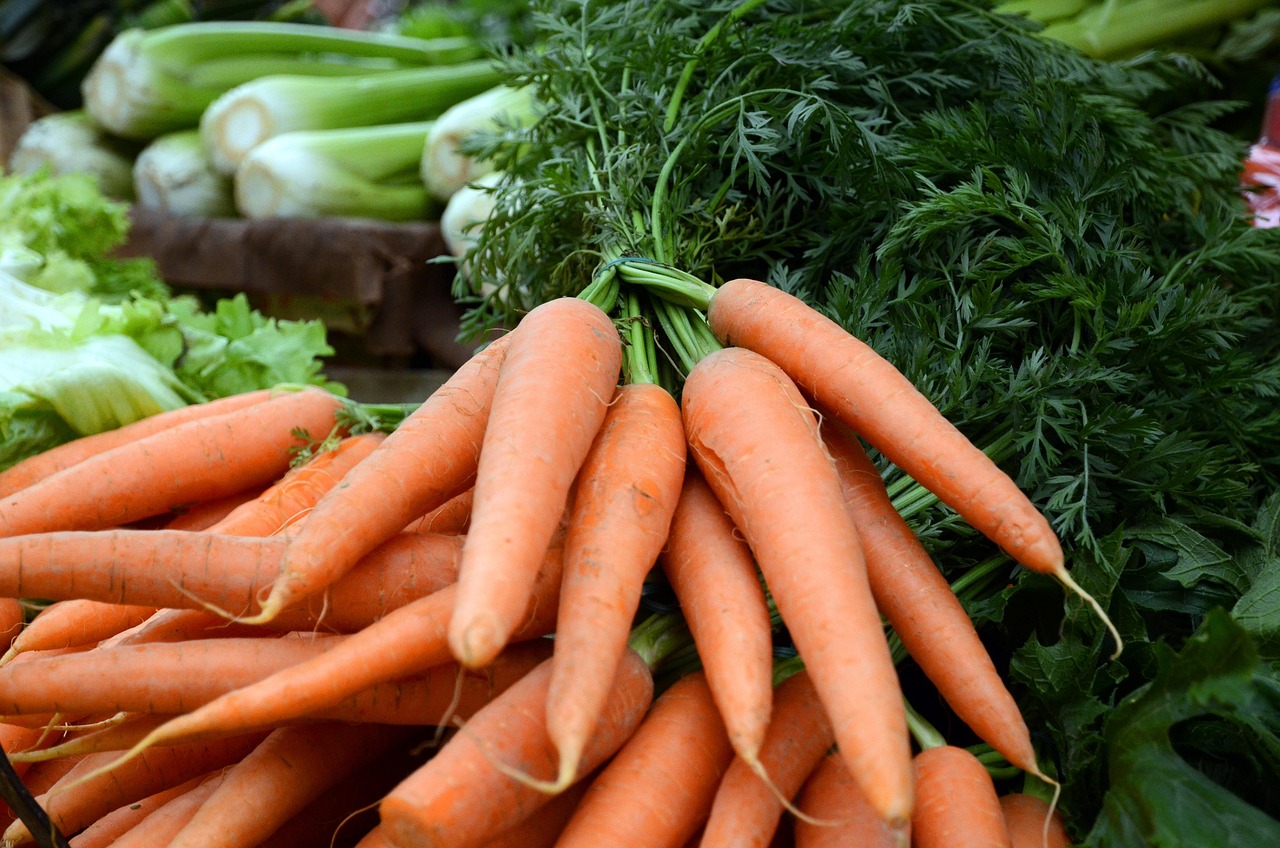
Having pre-chopped vegetables ready to go makes throwing together a meal incredibly fast. Wash, chop, and store your harder vegetables like carrots, celery, bell peppers, and onions in advance.
- Benefits: Reduces cooking time, encourages healthier eating, minimizes food waste by having ingredients ready to use.
- Tip: Softer vegetables like mushrooms or leafy greens are best chopped just before use to maintain freshness.
Actionable Takeaway: Invest in good quality food storage containers to keep your prepped ingredients fresh for longer, streamlining your cooking for simple plant-based meals.
Essential Cheap Vegan Pantry Staples and Recipes
A well-stocked pantry is the secret weapon of any budget-conscious vegan chef. Having these staples on hand means you’re always just a few steps away from a delicious, cheap, and easy meal, even when your fresh produce runs low.
Core Pantry Items for Quick Meals
- Canned Tomatoes (Diced, Crushed, Sauce): Basis for countless sauces, stews, and chilis.
- Nutritional Yeast: Adds a cheesy, umami flavor to dishes, excellent for sauces, popcorn, or scrambles.
- Herbs and Spices: Transform bland ingredients into flavor explosions. Garlic powder, onion powder, cumin, chili powder, turmeric, oregano, and basil are great starting points.
- Vinegars (Apple Cider, Balsamic, White): Essential for salad dressings, marinades, and adding tang.
- Oils (Olive, Canola): For cooking and dressings.
- Plant Milks (Oat, Soy, Almond): For cereals, coffee, smoothies, and cooking. Look for unsweetened varieties for maximum versatility.
Actionable Takeaway: Gradually build your spice rack. Buying spices in bulk from ethnic markets can be much cheaper than small supermarket jars, an excellent tip for affordable vegan cooking.
Cheap & Easy Vegan Meal Ideas
- Lentil Soup/Stew: Red lentils, canned tomatoes, onion, garlic, carrots, celery, vegetable broth, and your favorite spices. Hearty, filling, and incredibly cheap.
- Bean & Rice Burritos/Bowls: Cooked rice, black beans (canned or pre-cooked), salsa, avocado (if budget allows), and a sprinkle of nutritional yeast or hot sauce. A classic budget-friendly plant-based meal.
- Pasta with Marinara & Veggies: Whole wheat pasta, canned crushed tomatoes, garlic, onion, and whatever veggies you have on hand (e.g., spinach, zucchini, mushrooms).
- Oatmeal with Fruit: Rolled oats cooked with water or plant milk, topped with frozen berries (thawed) and a dash of cinnamon. An ideal healthy vegan on a budget breakfast.
- Tofu/Chickpea Scramble: Crumbled tofu or mashed chickpeas sautéed with turmeric (for color), black salt (kala namak for eggy flavor), onion, bell peppers, and spinach.
- Peanut Noodles: Cooked spaghetti or rice noodles tossed with a simple sauce of peanut butter, soy sauce, lime juice, ginger, and a touch of maple syrup. Add some steamed broccoli or shredded carrots for a complete meal.
Actionable Takeaway: Keep these core recipes in your rotation, then experiment with variations using different vegetables or spices to prevent meal fatigue.
Maximizing Your Ingredients: Reducing Waste and Saving More
Food waste is not only bad for the environment but also a direct hit to your grocery budget. By learning to utilize every edible part of your ingredients and creatively transforming leftovers, you can stretch your dollar further and minimize what ends up in the bin, ensuring you get the most out of your cheap vegan meals.
Creative Use of Vegetable Scraps
Instead of discarding vegetable trimmings, stalks, and peels, give them a new life:
- Vegetable Broth: Keep a bag in your freezer for vegetable scraps (onion peels, carrot tops, celery ends, mushroom stems). Once full, simmer with water and herbs for a homemade, flavorful broth that’s superior to store-bought.
- Roast or Sauté: Broccoli stems can be peeled and roasted or finely chopped into stir-fries. Carrot tops, if clean, can sometimes be used in pestos or salads.
Actionable Takeaway: Start a “broth bag” in your freezer today. It’s an effortless way to create a foundational ingredient for many cheap vegan meals and reduce waste.
Transforming Leftovers into New Meals
Don’t just reheat leftovers; reinvent them! This is where creativity truly shines and saves you money, turning yesterday’s dinner into today’s exciting lunch.
- Leftover Lentils: Can be turned into a “meatloaf,” veggie burgers, or a filling for stuffed bell peppers.
- Cooked Rice: Perfect for fried rice, rice bowls with new toppings, or even a quick veggie burger patty base, extending your easy vegan recipes.
- Roasted Vegetables: Blend them into a creamy soup, add them to a pasta dish, or turn them into a savory sandwich filling.
Actionable Takeaway: Plan for leftovers. When cooking, deliberately make extra portions of key ingredients knowing you’ll repurpose them later in the week, making your meal planning more efficient and economical.
Conclusion
Eating vegan doesn’t have to be a luxury; it’s a lifestyle accessible to everyone, regardless of budget. By focusing on whole plant-based staples, employing smart shopping strategies, mastering meal prep, and minimizing food waste, you can effortlessly create a repertoire of cheap and easy vegan meals that are both delicious and incredibly satisfying.
Embrace the simplicity of beans, lentils, grains, and seasonal vegetables. Get creative with your spices and sauces. With a little planning and a willingness to explore, you’ll discover that a plant-based diet can be one of the most economical and rewarding culinary journeys you ever embark on. Happy cooking!