Embarking on a weight loss journey can feel overwhelming, but what if your path to a healthier weight could also align with ethical and environmental values? A vegan meal plan for weight loss offers a powerful, nutrient-dense, and satisfying approach to shedding pounds sustainably. Far from being restrictive or boring, a well-structured plant-based diet can be incredibly diverse and effective, harnessing the natural benefits of whole foods to support your body’s weight management goals. This comprehensive guide will equip you with the knowledge and practical tools to create a successful vegan meal plan that not only helps you achieve your desired weight but also enhances your overall well-being.
The Power of a Plant-Based Diet for Weight Loss
Adopting a plant-based diet for weight loss isn’t just a trend; it’s a scientifically supported strategy. Research consistently shows that individuals following vegan diets tend to have lower body mass indexes (BMIs) and are less prone to obesity compared to those on omnivorous diets. This isn’t magic; it’s the inherent nutritional profile of plants working in your favor.
Why Veganism Supports Weight Loss
- High Fiber Content: Plant-based foods are naturally rich in dietary fiber. Fiber adds bulk to your meals without adding many calories, helping you feel full and satisfied for longer. This reduces the likelihood of overeating and snacking between meals.
- Lower Calorie Density: Many whole plant foods, especially fruits and vegetables, have a high water content and a lower calorie density compared to animal products. This means you can eat larger portions and feel more satiated on fewer calories.
- Reduced Saturated Fat: Vegan diets naturally eliminate animal fats, which are often high in saturated fat and cholesterol. While fats are essential, plant-based diets typically contain healthier unsaturated fats, which are beneficial for heart health and can still contribute to satiety in moderation.
- Improved Gut Health: The high fiber and diverse plant compounds in a vegan diet foster a healthy gut microbiome, which is increasingly linked to metabolism and weight management.
Key Nutrients to Prioritize
While the benefits are clear, a successful vegan weight loss plan must be well-rounded to ensure you’re getting all essential nutrients. Focus on a variety of whole foods to naturally cover your bases.
- Protein: Crucial for satiety, muscle maintenance, and metabolism. Prioritize plant-based protein sources like legumes, tofu, tempeh, seitan, quinoa, and nuts/seeds.
- Complex Carbohydrates: These provide sustained energy and are packed with fiber. Think whole grains (oats, brown rice, whole wheat pasta), starchy vegetables (sweet potatoes, squash), and fruits.
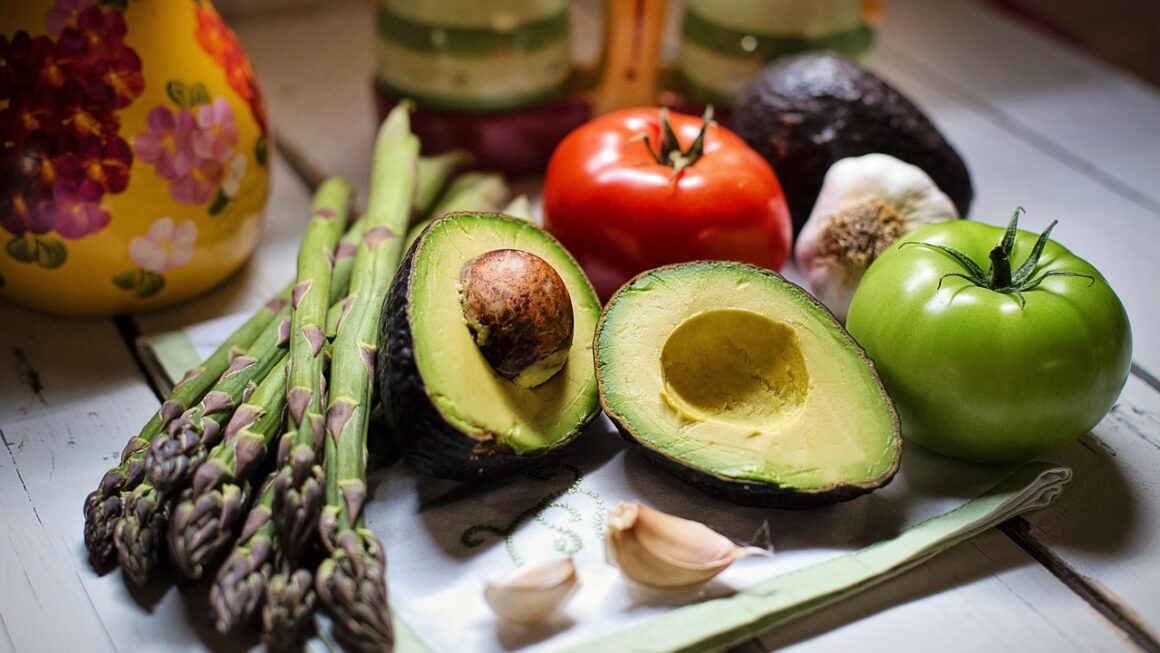
- Healthy Fats: Essential for hormone production, nutrient absorption, and satiety. Include avocados, nuts, seeds (chia, flax, hemp), and olive oil in moderation.
- Vitamins and Minerals: Pay attention to Vitamin B12 (supplementation is essential for vegans), Iron (leafy greens, lentils, fortified foods), Calcium (fortified plant milks, tofu, dark leafy greens), Vitamin D (fortification, sunlight, supplements), and Omega-3s (flax seeds, chia seeds, walnuts, algal oil).
Actionable Takeaway: Embrace whole, unprocessed plant foods as the foundation of your diet. Prioritize fiber and protein at every meal to maximize satiety and nutritional intake.
Building Your Balanced Vegan Meal Plan
A successful vegan weight loss journey hinges on balanced meals that provide sustained energy, satisfy hunger, and deliver all necessary nutrients without excess calories. It’s about smart substitutions and mindful eating, not deprivation.
Understanding Macronutrients for Weight Loss
Each macronutrient plays a vital role in weight loss and overall health. Balancing them is key.
- Protein Powerhouses: Protein is a superstar for weight loss because it’s the most satiating macronutrient and requires more energy to digest. It also helps preserve muscle mass while you’re losing weight.
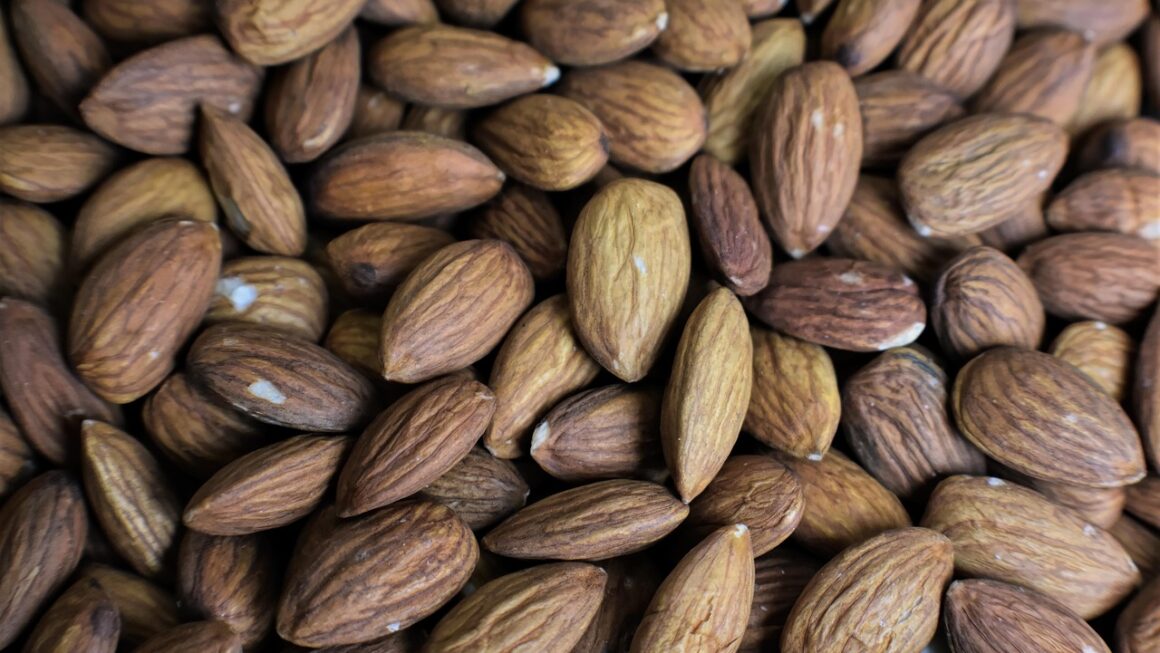
- Examples: 1/2 cup cooked lentils (~9g protein), 3 oz firm tofu (~8g protein), 1/2 cup black beans (~7g protein), 1/4 cup shelled edamame (~5g protein), 1/4 cup almonds (~6g protein). Aim for 20-30g of protein per main meal.
- Complex Carbohydrate Champions: Don’t fear carbs! Complex carbohydrates provide essential fiber and energy. They prevent energy crashes and cravings for sugary, processed foods.
- Examples: Quinoa, oats, brown rice, whole-wheat bread, sweet potatoes, broccoli, berries. These should form the bulk of your plate, especially colorful non-starchy vegetables.
- Healthy Fat Friends: Fats are calorie-dense, but healthy fats are crucial for satiety, nutrient absorption, and hormonal health. The key is moderation.
- Examples: Avocado (1/4 – 1/2 per meal), a small handful of nuts/seeds, a tablespoon of olive oil for cooking or dressing.
The Role of Portion Control and Calorie Awareness
Even healthy foods can lead to weight gain if consumed in excess. While focusing on whole, calorie-dense foods naturally helps, it’s still important to be mindful of portions, especially with nuts, seeds, avocados, and oils.
- Mindful Eating: Pay attention to your body’s hunger and fullness cues. Eat slowly, savor your food, and put down your fork between bites.
- Visual Cues: Use smaller plates, measure out higher-calorie items like nuts or oils, and aim for your plate to be 50% non-starchy vegetables, 25% protein, and 25% complex carbohydrates.
- Track (Initially): For some, using a food tracking app for a few days or weeks can provide valuable insight into calorie and macronutrient intake, helping to identify areas for adjustment.
Actionable Takeaway: Structure your meals around a generous serving of non-starchy vegetables, a solid source of plant-based protein, and a moderate portion of complex carbohydrates and healthy fats. Practice mindful eating to recognize true hunger.
Sample Vegan Meal Plan for a Week
This sample plan provides a template for a healthy, balanced vegan weight loss diet. Remember to adjust portion sizes based on your individual calorie needs, activity level, and hunger cues. This plan emphasizes whole, unprocessed foods and a variety of plant-based proteins.
Daily Structure and Meal Ideas
Consistency is key. Aim for three main meals and 1-2 optional snacks if you get hungry.
- Breakfast Ideas (Choose one):
- Tofu Scramble: 1/2 block firm tofu crumbled and sautéed with spinach, bell peppers, onions, turmeric (for color), and black salt (for eggy flavor). Serve with a slice of whole-wheat toast and 1/4 avocado.
- Overnight Oats: 1/2 cup rolled oats, 1 cup unsweetened plant milk, 1 tbsp chia seeds, 1/2 cup berries. Top with 1 tbsp chopped walnuts.
- Green Smoothie: 1 scoop vegan protein powder, 1 cup spinach, 1/2 banana, 1 tbsp flax seeds, 1 cup unsweetened plant milk.
- Lunch Ideas (Choose one):
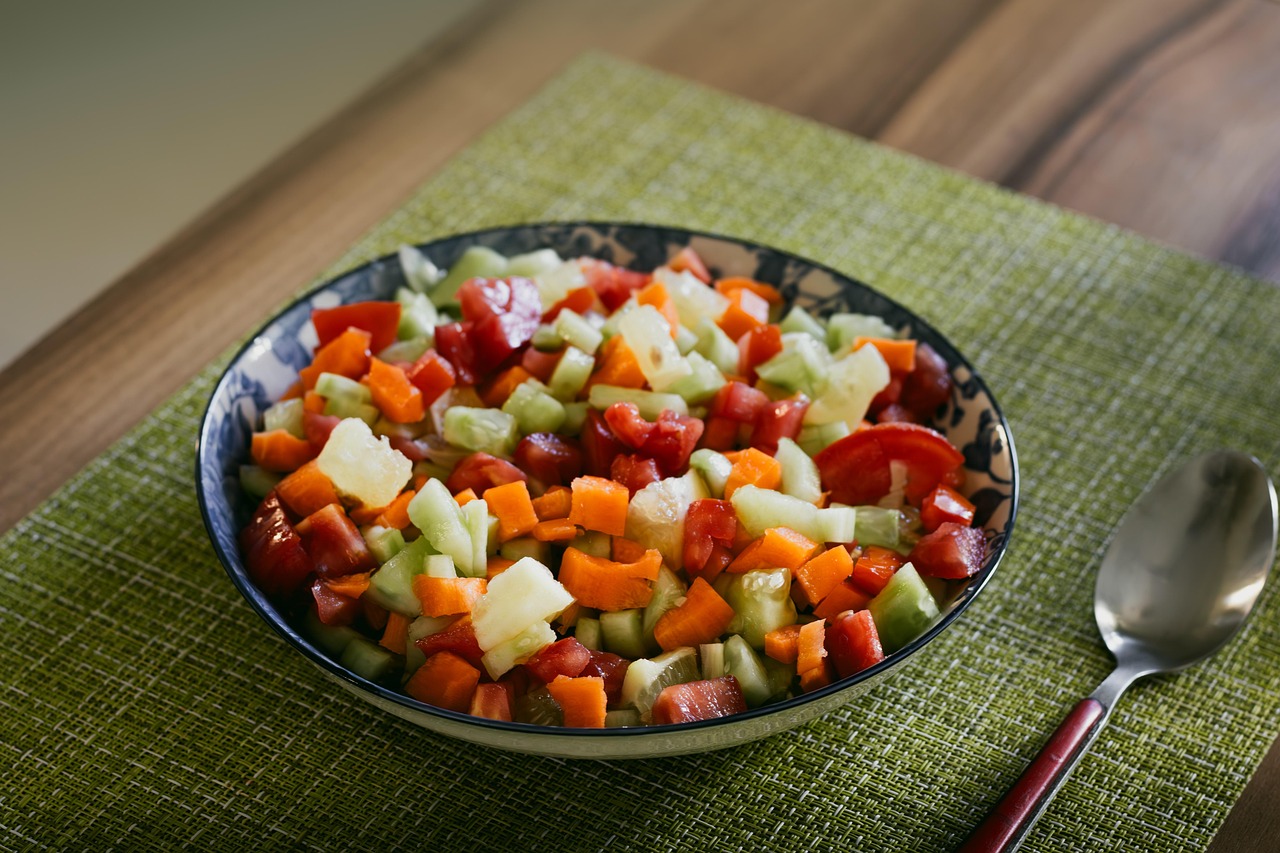
- Big Salad with Roasted Chickpeas: Mixed greens, cucumber, tomatoes, shredded carrots, bell peppers, 1/2 cup roasted chickpeas (tossed with spices), 1/4 cup quinoa, and a light lemon-tahini dressing.
- Lentil Soup with Whole-Grain Bread: A hearty bowl of homemade lentil soup (packed with veggies like carrots, celery, and kale) served with a small slice of whole-grain bread.
- Veggie & Hummus Wrap: Whole-wheat tortilla filled with 2-3 tbsp hummus, sliced cucumber, shredded carrots, mixed greens, and roasted red peppers.
- Dinner Ideas (Choose one):
- Black Bean Burgers: Homemade black bean burger patty (or a high-quality store-bought one) on a whole-wheat bun (or lettuce wrap) with plenty of lettuce, tomato, onion, and a side of steamed broccoli.
- Tofu & Veggie Stir-Fry: 3-4 oz extra-firm tofu, pressed and cubed, stir-fried with a generous mix of broccoli, snap peas, carrots, bell peppers, and a low-sodium soy sauce/tamari-based sauce. Serve over 1/2 cup brown rice.
- Pasta Primavera (Whole Wheat): Whole-wheat pasta tossed with a light tomato sauce, spinach, zucchini, cherry tomatoes, and 1/2 cup white beans or peas for added protein.
- Snack Ideas (1-2 per day, if needed):
- Apple slices with 1 tbsp peanut or almond butter.
- A handful of raw almonds or walnuts (approx. 1/4 cup).
- Carrot and celery sticks with 2 tbsp hummus.
- Small piece of fruit (e.g., orange, pear).
- Small bowl of plain soy/almond yogurt with a few berries.
Hydration and Mindful Eating Tips
- Stay Hydrated: Drink plenty of water throughout the day. Often, thirst is mistaken for hunger. Aim for 8 glasses (or more) daily. Herbal teas are also great.
- Listen to Your Body: Eat when you’re genuinely hungry and stop when you’re comfortably full, not stuffed.
- Plan Ahead: Meal prepping on weekends can save time and prevent impulsive unhealthy choices during busy weekdays.
Actionable Takeaway: Use the sample meal ideas as a starting point. Experiment with different whole-food plant-based recipes to keep your diet diverse and exciting. Prioritize hydration and consistent meal timing.
Overcoming Challenges and Sustaining Success
Even with the best intentions, challenges can arise on any weight loss journey. Being prepared for common pitfalls and developing strategies for long-term adherence will significantly increase your chances of success on a vegan meal plan for weight loss.
Common Pitfalls and How to Avoid Them
- Relying on Processed Vegan Foods: Just because it’s “vegan” doesn’t mean it’s healthy or low-calorie. Many vegan junk foods (cookies, ice cream, highly processed meat alternatives) are high in sugar, unhealthy fats, and refined carbs, which can hinder weight loss.
- Solution: Focus on whole, unprocessed plants. Read labels carefully, and limit highly processed items to occasional treats.
- Nutrient Deficiencies: An unplanned vegan diet can be deficient in certain nutrients like B12, iron, iodine, and Omega-3s. This can lead to fatigue, cravings, and negatively impact metabolism.
- Solution: Supplement B12, consider an Omega-3 (algal oil) supplement, and ensure a varied diet rich in fortified foods and nutrient-dense plants. Consult a doctor or registered dietitian if you have concerns.
- Lack of Variety: Eating the same meals repeatedly can lead to boredom, making it harder to stick to your plan.
- Solution: Explore new vegan recipes, try different cuisines, and experiment with a wide array of fruits, vegetables, grains, and legumes.
- Under-eating or Over-restricting: Cutting calories too drastically can slow your metabolism, lead to extreme hunger, and trigger binge eating.
- Solution: Aim for a moderate calorie deficit (e.g., 300-500 calories below maintenance) and ensure your meals are satisfying and nutrient-dense. Listen to your body and adjust as needed.
Tips for Long-Term Adherence
- Meal Prep for Success: Dedicate a few hours each week to chop vegetables, cook grains, and prepare dressings. Having healthy options readily available dramatically reduces the temptation for unhealthy choices.
- Find Your Favorites: Discover a repertoire of 5-7 go-to healthy vegan meals that you genuinely enjoy. This makes planning and cooking stress-free.
- Stay Hydrated: As mentioned, water is crucial for metabolic function and satiety. Keep a water bottle handy throughout the day.
- Incorporate Physical Activity: Exercise complements a healthy diet for weight loss and overall health. Find activities you enjoy and make them a regular part of your routine.
- Seek Support: Connect with online communities, friends, or family who support your vegan journey. A strong support system can make a big difference.
- Be Patient and Kind to Yourself: Weight loss is not always linear. There will be good days and challenging days. Focus on consistency, celebrate small victories, and remember that this is a journey towards sustainable health.
Actionable Takeaway: Be proactive in avoiding common traps by prioritizing whole foods and variety. Build sustainable habits like meal prepping and finding enjoyable physical activities to ensure long-term success.
Conclusion
A well-planned vegan meal plan for weight loss is a powerful, ethical, and sustainable approach to achieving your health goals. By focusing on whole, unprocessed plant foods, prioritizing fiber and protein, and being mindful of portion sizes, you can effectively shed excess weight while nourishing your body with an abundance of vitamins, minerals, and antioxidants. The journey to a healthier weight doesn’t have to be about deprivation; it can be a vibrant exploration of delicious plant-based foods that leave you feeling energized, satisfied, and in control. Embrace the rich diversity of the plant kingdom, commit to consistent healthy habits, and watch as your body transforms, inside and out. Start your plant-powered weight loss journey today and discover a healthier, happier you.