In a world increasingly focused on health, sustainability, and ethical living, two powerful dietary approaches often stand out: veganism and low-carbohydrate eating. While seemingly distinct, the truth is they can harmonize beautifully, offering a path to vibrant health without compromise. Imagine fueling your body with nutrient-dense, plant-based foods while maintaining stable blood sugar levels and supporting weight management goals. This isn’t just a trend; it’s a strategically powerful way to eat, offering a plethora of benefits for your body and the planet. Dive in as we explore the exciting and delicious world of vegan low carb meals.
Understanding the Synergy: Veganism Meets Low Carb
Combining a plant-based diet with a low-carbohydrate approach might sound complex, but it’s remarkably achievable and highly beneficial. This section demystifies what it means to eat vegan and low carb, highlighting its core principles and who stands to benefit most.
What is a Vegan Low Carb Diet?
At its core, a vegan low carb diet eliminates all animal products (meat, dairy, eggs, honey) while significantly reducing carbohydrate intake. The focus shifts to:
- Plant-based proteins: Tofu, tempeh, seitan, certain legumes (in moderation), nuts, seeds.
- Healthy fats: Avocados, nuts, seeds, olive oil, coconut oil.
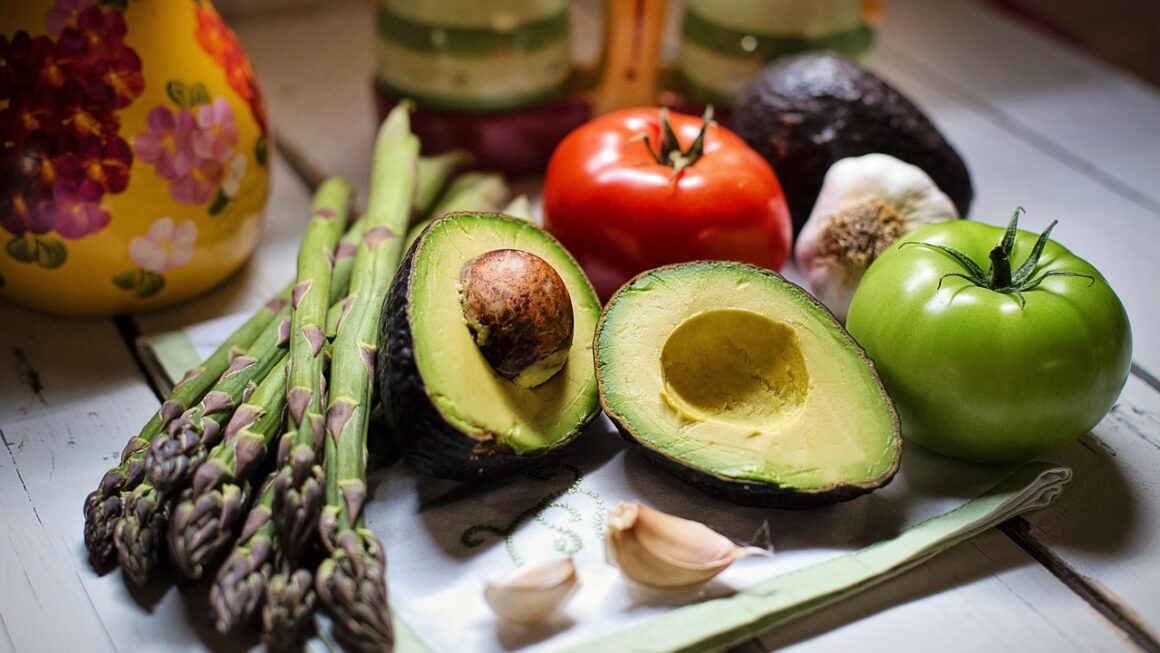
- Non-starchy vegetables: Leafy greens, broccoli, cauliflower, zucchini, bell peppers.
- Low-glycemic fruits: Berries (in moderation).
The aim is often to promote ketosis (if following a ketogenic version) or simply to stabilize blood sugar, enhance satiety, and support metabolic health, all through a purely plant-based lens.
The “Why”: Who Benefits from This Approach?
A plant-based low carb diet offers a unique blend of advantages, making it suitable for various individuals:
- Individuals seeking weight management: The combination of high fiber, protein, and healthy fats can significantly boost satiety and reduce caloric intake naturally.
- Those managing blood sugar levels: Eliminating refined carbs and focusing on whole, unprocessed foods can be highly effective for individuals with type 2 diabetes or insulin resistance.
- People looking for enhanced mental clarity and sustained energy: Stable blood sugar levels often translate to fewer energy crashes and improved cognitive function.
- Anyone interested in heart health: Emphasizing healthy plant fats, fiber, and antioxidant-rich vegetables supports cardiovascular well-being.
- Ethical and environmental advocates: Combining the health benefits with a commitment to animal welfare and environmental sustainability.
Actionable Takeaway: Begin by familiarizing yourself with acceptable plant-based low-carb food lists and identify your primary motivation for adopting this lifestyle to stay committed.
Unlocking the Benefits: Why Go Vegan Low Carb?
The convergence of veganism and low-carb eating creates a powerful dietary synergy, offering a compelling array of health, ethical, and environmental advantages.
Enhanced Health & Well-being
Adopting a vegan low carb diet can lead to significant improvements in various health markers:
- Weight Management: Studies often link low-carb diets to effective weight loss, and when combined with the lower caloric density of many plant-based foods, the effect can be profound. High fiber and protein keep you full, naturally reducing overeating.
- Improved Blood Sugar Control: By drastically reducing carbohydrate intake, especially from processed sources, this diet helps stabilize blood glucose levels, a critical factor for preventing and managing type 2 diabetes.
- Reduced Inflammation: A diet rich in plant-based whole foods, healthy fats, and antioxidants naturally combats chronic inflammation, a root cause of many modern diseases.
- Heart Health Benefits: Emphasizing healthy fats (like those from avocados, nuts, and seeds) and fiber, while avoiding saturated fats and cholesterol found in animal products, supports a healthy cardiovascular system.
- Sustained Energy & Mental Clarity: Stable blood sugar means fewer energy dips and crashes, promoting consistent energy levels and improved cognitive function.
Sustainable & Ethical Choices
Beyond personal health, choosing vegan low carb meals extends its positive impact to the planet and its inhabitants:
- Environmental Impact: Plant-based diets generally have a significantly smaller carbon footprint, use less water, and require less land compared to diets rich in animal products.
- Animal Welfare: A vegan approach inherently promotes animal welfare by excluding all animal-derived foods and products.
- Resource Efficiency: Producing plant-based proteins is often more resource-efficient than animal protein production, contributing to a more sustainable global food system.
Actionable Takeaway: Keep a journal of how you feel (energy levels, digestion, mood) in the first few weeks to truly appreciate the health benefits. Researching the environmental impact of your food choices can also be a strong motivator.
Your Vegan Low Carb Pantry: Essential Food Groups
Building a successful vegan low carb menu starts with stocking your pantry with the right ingredients. The focus is on nutrient density, healthy fats, and plant-based protein sources, ensuring you meet your nutritional needs while keeping net carbs low.
Powerhouse Proteins
Protein is crucial for satiety, muscle maintenance, and overall health. On a vegan low carb diet, you have excellent options:
- Tofu and Tempeh: Incredibly versatile, these soy products are excellent sources of protein. Tempeh, being fermented, also offers probiotic benefits. (e.g., 100g tempeh has ~7g net carbs, 19g protein).
- Seitan: Made from vital wheat gluten, seitan is high in protein and very low in carbs (check brands, some may add fillers). It has a meat-like texture.
- Lentils and Legumes (in moderation): While higher in carbs, small portions of certain lentils or black soybeans can be incorporated. Black soybeans are particularly low-carb.
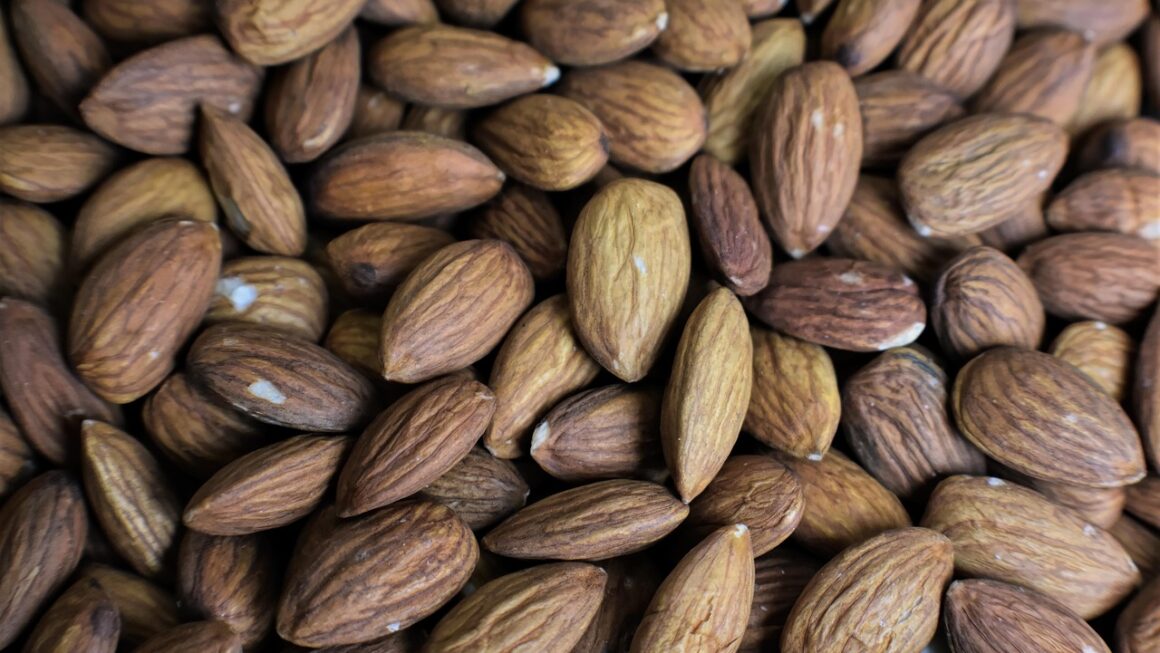
- Nuts and Seeds: Almonds, walnuts, chia seeds, flax seeds, hemp seeds, pumpkin seeds. They offer protein, healthy fats, and fiber.
- Protein Powders: Pea protein, hemp protein, or a mixed plant-based protein blend (ensure low-carb, no added sugars).
Healthy Fats for Fuel
Fats are your primary energy source on a low-carb diet. Choose wisely:
- Avocado and Avocado Oil: Rich in monounsaturated fats, fiber, and potassium. Avocado oil is great for cooking and dressings.
- Olives and Olive Oil: Extra virgin olive oil is a cornerstone of Mediterranean diets, packed with antioxidants.
- Coconut Oil: Contains medium-chain triglycerides (MCTs), which can be readily used for energy.
- Nuts and Nut Butters: Almonds, walnuts, pecans, macadamia nuts, and their unsweetened butter counterparts.
- Seeds: Chia, flax, hemp, pumpkin, sunflower seeds provide healthy fats, fiber, and some protein.
- MCT Oil: A concentrated source of MCTs, often added to smoothies or coffee for an energy boost.
Nutrient-Dense Non-Starchy Vegetables
These are your go-to for volume, fiber, vitamins, and minerals:
- Leafy Greens: Spinach, kale, romaine, arugula, collard greens, Swiss chard.
- Cruciferous Vegetables: Broccoli, cauliflower, Brussels sprouts, cabbage.
- Other Favorites: Zucchini, bell peppers (especially red and yellow), asparagus, mushrooms, green beans, artichoke hearts, eggplant.
- Herbs & Spices: Flavor enhancers that are carb-free and packed with antioxidants.
Low-Carb Fruits & Berries (in Moderation)
While most fruits are high in sugar, some can be enjoyed in small quantities:
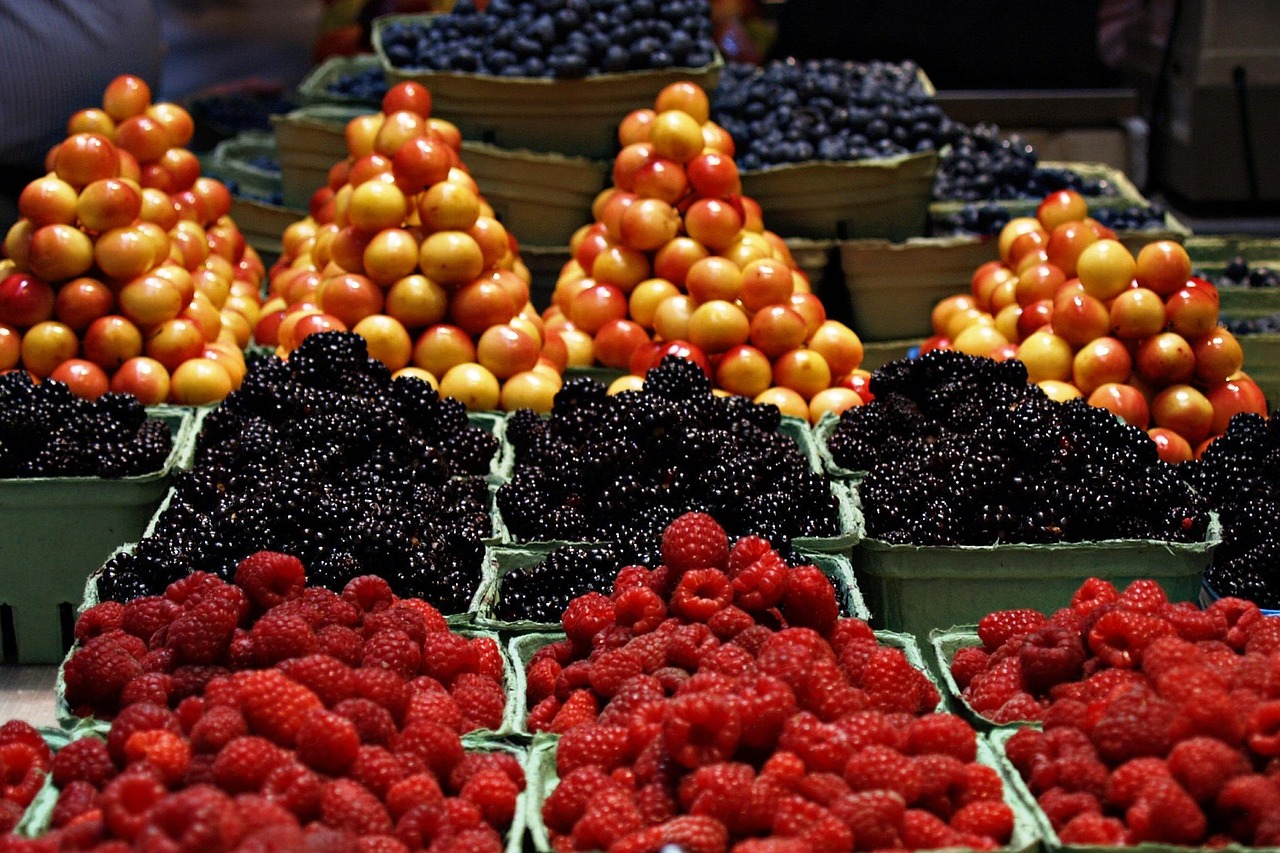
- Berries: Strawberries, blueberries, raspberries, blackberries are lower in carbs than most fruits.
- Lemons and Limes: Excellent for flavoring water and dishes with minimal carbs.
Actionable Takeaway: Create a shopping list based on these food groups. Focus on buying whole, unprocessed ingredients. Experiment with different protein sources and cooking methods to discover your favorites.
Mastering Meal Planning & Preparation
Successful adherence to a vegan low carb lifestyle largely depends on effective meal planning and preparation. With a little foresight, you can ensure a consistent supply of delicious, compliant meals, preventing last-minute unhealthy choices.
Building Balanced Vegan Low Carb Meals
Think of your plate as having three main components for each meal:
- A Generous Portion of Non-Starchy Vegetables: This should be the largest part of your meal, providing fiber, vitamins, and minerals. Think large salads, steamed greens, or roasted cauliflower.
- A Source of Plant-Based Protein: Tofu, tempeh, seitan, a handful of nuts, or a protein shake. This ensures satiety and muscle support.
- Healthy Fats: Drizzle of olive oil, avocado slices, a sprinkle of seeds, or a dollop of nut butter. Fats provide energy and enhance nutrient absorption.
Example: For lunch, a large spinach salad (vegetable) topped with grilled tempeh strips (protein), avocado slices, and a dressing made from olive oil and lemon juice (fats).
Essential Pantry Staples for Success
Keeping these items on hand makes meal prep a breeze:
- Shelf-Stable: Olive oil, coconut oil, avocado oil, nuts (almonds, walnuts, pecans), seeds (chia, flax, hemp), unsweetened plant milks (almond, coconut), canned black soybeans, low-carb flours (almond, coconut), sugar substitutes (erythritol, stevia).
- Refrigerated: Tofu, tempeh, vegan low-carb dressings, various non-starchy vegetables (broccoli, spinach, zucchini), avocado.
- Frozen: Frozen berries, frozen spinach or cauliflower rice, which can be quickly added to dishes.
Smart Meal Prep Strategies
Dedicate a few hours each week to prepare components for your meals:
- Batch Cook Proteins: Bake or grill a large batch of tofu or tempeh at the beginning of the week to add to salads, stir-fries, or wraps.
- Pre-Chop Vegetables: Wash and chop non-starchy vegetables like bell peppers, zucchini, and broccoli. Store them in airtight containers for quick use in cooking or salads.
- Prepare Dressings and Sauces: Make a sugar-free, oil-based dressing or a creamy low-carb sauce to have on hand for the week.
- Portion Out Snacks: Divide nuts and seeds into small containers for grab-and-go options to avoid overeating.
- Make “Master Batches”: Prepare a big batch of cauliflower rice or sautéed greens that can be customized with different seasonings and protein sources throughout the week.
Actionable Takeaway: Choose one day a week to dedicate to meal prep. Start with 2-3 recipes you want to make and prepare their components. As you get comfortable, you can expand your repertoire and prep volume.
Delicious & Practical Vegan Low Carb Meal Ideas
Eating vegan low carb doesn’t mean sacrificing flavor or variety. Here are some inspiring ideas for every meal, proving that plant-based, low-carb eating can be incredibly satisfying and delicious.
Energizing Breakfasts
- Tofu Scramble with Spinach and Mushrooms: Crumbled firm tofu sautéed with nutritional yeast (for cheesy flavor), turmeric (for color), spinach, and mushrooms. Serve with a slice of avocado.
- Chia Seed Pudding: Mix chia seeds with unsweetened almond or coconut milk, a few drops of stevia, and a dash of vanilla extract. Top with a handful of mixed berries and chopped almonds after chilling overnight.
- Green Smoothie: Blend unsweetened almond milk, a scoop of vegan low-carb protein powder, spinach, half an avocado, and a tablespoon of flax seeds.
- Avocado Toast (Low Carb Version): Serve mashed avocado with everything bagel seasoning on slices of toasted low-carb bread or “cloud bread.”
Satisfying Lunches
- Large Garden Salad with Grilled Tempeh: A base of mixed greens, cucumber, bell peppers, olives, and cherry tomatoes (in moderation), topped with grilled or pan-fried tempeh strips and an olive oil-based dressing.
- Broccoli & “Cheese” Soup: A creamy soup made with steamed broccoli, vegetable broth, unsweetened plant milk, and nutritional yeast for a cheesy flavor.
- Lettuce Wraps with Spicy Peanut Tofu: Sautéed tofu cubes coated in a low-carb peanut sauce (peanut butter, tamari, ginger, chili flakes, water) served in large lettuce cups.
- Leftover Dinner: Many dinner ideas transition perfectly into lunch, making meal prep efficient.
Wholesome Dinners
- Cauliflower Rice Stir-fry: Sauté cauliflower rice with broccoli florets, bell peppers, zucchini, and your choice of protein like seitan or seasoned tofu. Use a tamari-based sauce.
- Zucchini Noodles with Pesto: Spiralized zucchini “zoodles” tossed with a homemade vegan pesto (basil, pine nuts, garlic, nutritional yeast, olive oil) and cherry tomatoes.
- Loaded Portobello Mushrooms: Large portobello mushroom caps baked or grilled, filled with a mixture of sautéed spinach, diced bell peppers, and vegan cream cheese (low carb).
- Vegan Low Carb Pizza: Use a cauliflower crust or almond flour crust, top with sugar-free tomato sauce, low-carb vegetables, and vegan cheese (if desired).
Smart Snacks
- Handful of Almonds or Walnuts: Quick and satisfying.
- Celery Sticks with Almond Butter: Ensure the almond butter is unsweetened.
- Olives: A great source of healthy fats.
- Avocado Slices with Everything Bagel Seasoning: Simple and delicious.
- Small Portion of Berries: Strawberries or raspberries can curb a sweet craving.
- Vegan Protein Shake: Mix low-carb protein powder with water or unsweetened plant milk.
Actionable Takeaway: Pick 2-3 meal ideas from each category that sound appealing and add their ingredients to your shopping list. Don’t be afraid to experiment with different spices and cooking methods to keep things exciting.
Overcoming Common Challenges & Ensuring Nutritional Adequacy
While a vegan low carb diet offers numerous benefits, it’s essential to be mindful of potential challenges and ensure you’re getting all necessary nutrients. With a little knowledge and planning, these can be easily overcome.
Micronutrient Spotlight: B12, Iron, Calcium, Omega-3s
As with any restrictive diet, ensuring complete nutrition is key. For a plant-based keto or general low-carb vegan diet, pay attention to:
- Vitamin B12: This is the most crucial supplement for vegans. B12 is primarily found in animal products. Fortified foods (plant milks, nutritional yeast) can help, but a B12 supplement is highly recommended.
- Iron: While plant-based iron is available (spinach, lentils, seeds), it’s less bioavailable. Pair iron-rich foods with vitamin C (bell peppers, broccoli) to enhance absorption. Cast iron cookware can also contribute.
- Calcium: Found in fortified plant milks, tofu (calcium-set), collard greens, kale, broccoli, and sesame seeds (tahini).
- Omega-3 Fatty Acids: ALA is found in flax seeds, chia seeds, and walnuts. For EPA and DHA, consider a vegan algae-based omega-3 supplement.
- Vitamin D: Sun exposure is ideal, but a supplement might be necessary, especially in less sunny climates. Look for D2 or vegan D3.
- Iodine: Found in sea vegetables (like nori) or iodized salt.
Maintaining Variety & Flavor
Monotony is a common reason diets fail. Keep your vegan low carb meals exciting:
- Experiment with Herbs and Spices: Stock a diverse spice rack. Cumin, coriander, smoked paprika, garlic powder, onion powder, chili powder, and various fresh herbs can transform simple ingredients.
- Explore Different Cuisines: Many Asian (e.g., Thai, Indian, Japanese) and Mediterranean dishes can be adapted to be vegan and low carb.
- Texture Variety: Incorporate crunchy nuts and seeds, creamy avocados, soft tofu, and firm tempeh to keep meals interesting.
- DIY Dressings and Sauces: Homemade dressings from olive oil, vinegar, herbs, and spices, or creamy sauces from blended avocado or soaked cashews, add flavor without hidden sugars.
Social Situations & Dining Out
Navigating social events and restaurants requires a bit of planning:
- Research Ahead: Look up restaurant menus online beforehand. Many places are now accommodating to vegan and low-carb requests.
- Communicate Clearly: Don’t hesitate to politely ask your server about ingredients and request modifications (e.g., “no rice,” “extra vegetables instead of potatoes,” “oil and vinegar dressing”).
- Bring a Dish: If attending a potluck, bring a large, delicious vegan low carb dish that you know you can eat and share.
- Focus on the Company: Remember that social gatherings are about connection, not just food. Don’t let dietary restrictions overshadow the experience.
Actionable Takeaway: Consult with a doctor or registered dietitian if you have concerns about nutritional adequacy, especially when starting a new restrictive diet. Prioritize B12 supplementation and consider tracking your food intake initially to ensure you’re meeting your macro and micronutrient needs.
Conclusion
Embracing vegan low carb meals is a journey that offers incredible potential for improving your health, supporting ethical choices, and contributing to a more sustainable planet. From stabilizing blood sugar and aiding weight management to enhancing mental clarity, the benefits are compelling. While it requires thoughtful planning and an understanding of key food groups, the versatility and deliciousness of plant-based low-carb cooking are boundless. By stocking your pantry with wholesome ingredients, mastering meal prep, and being mindful of nutritional needs, you can unlock a vibrant and energetic lifestyle. Dive in, experiment with flavors, and discover the satisfying world where plants reign supreme and your body thrives on a low-carb approach. Your plate, your health, and the planet will thank you.