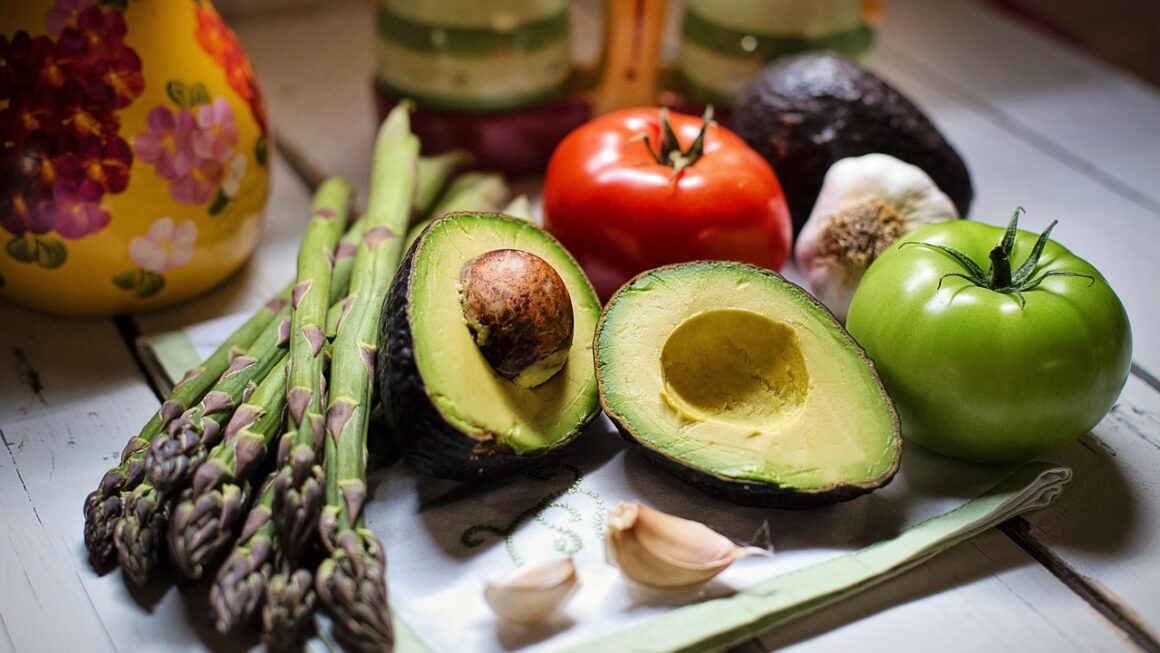
Embarking on a weight loss journey can often feel overwhelming, but what if a compassionate, vibrant, and incredibly effective approach was readily available? A vegan meal plan for weight loss isn’t just a diet; it’s a lifestyle shift that leverages the power of plant-based foods to help you shed pounds, boost energy, and improve overall health. Far from being restrictive, a well-planned vegan diet opens up a world of delicious, nutrient-dense possibilities that naturally support a healthy weight and sustainable well-being. If you’re ready to discover how to nourish your body, delight your taste buds, and achieve your weight loss goals with the abundance of the plant kingdom, you’ve come to the right place.
Here’s a detailed guide to crafting your ultimate vegan weight loss meal plan.
The Power of Plants: Why Veganism for Weight Loss?
Adopting a vegan diet can be a highly effective strategy for weight loss, backed by numerous studies. The very nature of whole, plant-based foods often lends itself to a lower calorie density and higher nutritional value, making it easier to create a caloric deficit without feeling deprived.
Nutrient Density & Calorie Control
Many plant-based foods are inherently low in calories but rich in essential vitamins, minerals, and antioxidants. This means you can eat larger portions of nutritious foods like vegetables, fruits, and whole grains, feeling full and satisfied, while still consuming fewer calories overall compared to diets rich in processed foods or animal products high in saturated fat.
- High Volume, Low Calories: Load up on leafy greens, non-starchy vegetables, and fruits, which provide significant volume without excess calories.
- Micronutrient Boost: Ensure your body gets the vitamins and minerals it needs for optimal metabolic function, which can be crucial for weight management.
Actionable Takeaway: Prioritize whole, unprocessed plant foods to naturally manage calorie intake while maximizing nutrient absorption.
Fiber’s Role in Satiety and Digestion
Fiber is an unsung hero in the weight loss journey, and plant-based diets are naturally abundant in it. Unlike animal products, all plant foods contain dietary fiber. Fiber promotes satiety by adding bulk to your meals, making you feel fuller for longer and reducing the likelihood of overeating or snacking on unhealthy foods.
- Prolonged Fullness: Soluble fiber forms a gel-like substance in the digestive tract, slowing digestion and nutrient absorption.
- Improved Gut Health: Insoluble fiber aids in regular bowel movements, preventing constipation and supporting a healthy gut microbiome, which is increasingly linked to weight management.
- Blood Sugar Regulation: Fiber helps stabilize blood sugar levels, preventing spikes and crashes that can lead to cravings.
Actionable Takeaway: Aim for a diverse intake of fiber-rich foods like legumes, whole grains, fruits, and vegetables at every meal to enhance satiety and digestive health.
Reduced Saturated Fat & Cholesterol
A well-planned vegan diet naturally eliminates dietary cholesterol and significantly reduces saturated fat intake, which are often found in animal products. While not directly a weight loss mechanism, reducing these can improve cardiovascular health and potentially aid in overall body composition goals by limiting calorie-dense, less nutritious food choices.
- Heart Health Benefits: Lower intake of saturated fat and cholesterol supports better heart health, a valuable side effect of a vegan diet.
- Focus on Healthy Fats: Encourages the intake of beneficial unsaturated fats from sources like avocados, nuts, and seeds.
Actionable Takeaway: By naturally cutting out sources of saturated fat and cholesterol, you streamline your diet towards healthier, less calorie-dense options.
Essential Nutrients on a Vegan Weight Loss Plan
A common misconception is that a vegan diet lacks essential nutrients. With proper planning, a plant-based diet can provide all the nutrients your body needs, especially important when focusing on weight loss and overall health.
Protein Powerhouses
Protein is vital for weight loss as it helps build and maintain muscle mass, increases satiety, and has a higher thermic effect (meaning your body burns more calories digesting it). Fortunately, the plant kingdom offers an abundance of protein-rich foods.
- Legumes: Lentils, chickpeas, black beans, kidney beans, edamame (1 cup cooked lentils = ~18g protein).
- Tofu & Tempeh: Versatile soy products (4 oz firm tofu = ~10g protein; 4 oz tempeh = ~20g protein).
- Seitan: Wheat gluten-based, very high in protein (3.5 oz seitan = ~25g protein).
- Whole Grains: Quinoa, oats, brown rice (1 cup cooked quinoa = ~8g protein).
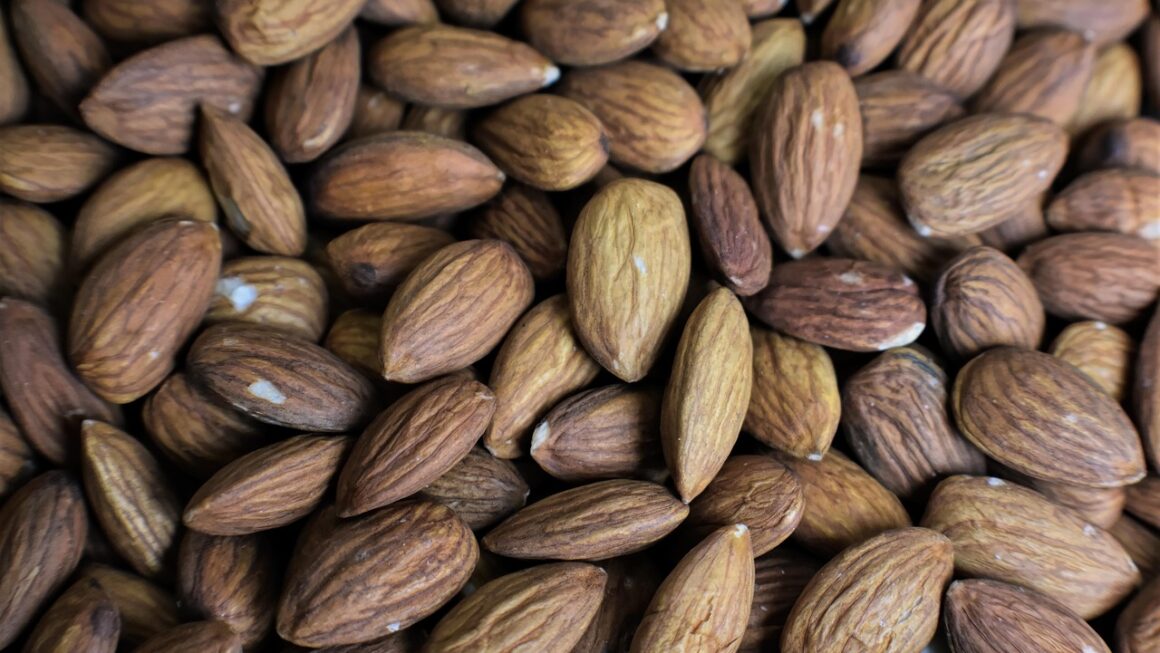
- Nuts & Seeds: Almonds, walnuts, chia seeds, flax seeds, hemp seeds (2 tbsp hemp seeds = ~6g protein).
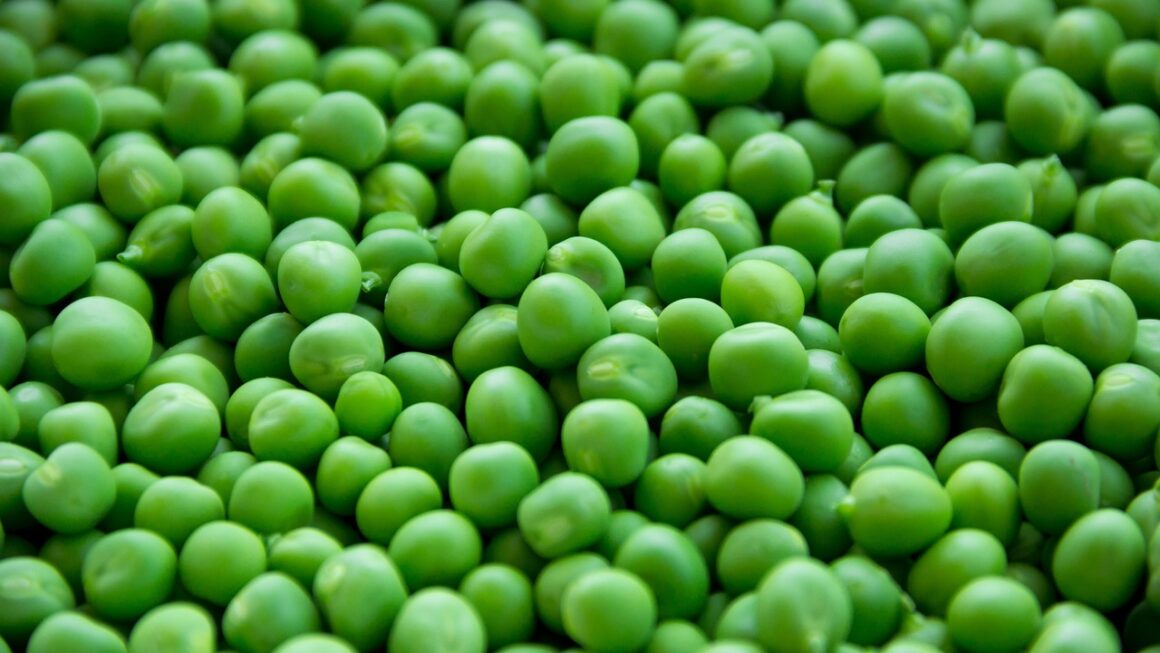
- Vegetables: Broccoli, spinach, peas contain smaller but significant amounts of protein.
Practical Example: Start your day with a protein-packed smoothie made with soy milk, spinach, a scoop of vegan protein powder, and chia seeds. For lunch, enjoy a large salad topped with grilled tofu and a variety of beans.
Actionable Takeaway: Include a source of plant-based protein in every meal to support muscle maintenance and satiety.
Healthy Fats for Satiation
While fat is calorie-dense, healthy fats are crucial for hormone production, nutrient absorption, and long-term satiety. Portion control is key with fats, even healthy ones, when aiming for weight loss.
- Avocado: Rich in monounsaturated fats.
- Nuts & Seeds: Almonds, walnuts, chia seeds, flax seeds, hemp seeds provide omega-3s and other essential fatty acids.
- Olive Oil: Use in moderation for cooking or dressing salads.
Practical Example: Add a quarter of an avocado to your salad or sprinkle a tablespoon of walnuts over your morning oatmeal. These additions provide healthy fats that keep you feeling full.
Actionable Takeaway: Incorporate small portions of healthy fats daily to support overall health and enhance feelings of fullness.
Crucial Vitamins & Minerals
Some nutrients require specific attention on a vegan diet, particularly when aiming for weight loss, as a calorie deficit can make it harder to hit targets. Focus on fortified foods or supplements when necessary.
- Vitamin B12: Essential for nerve function and red blood cell formation. Supplementation or fortified foods (plant milks, nutritional yeast, cereals) are crucial.
- Iron: Found in lentils, spinach, kale, fortified cereals. Pair with Vitamin C (e.g., bell peppers, citrus) to enhance absorption.
- Calcium: Abundant in fortified plant milks, tofu (calcium-set), collard greens, kale, broccoli, sesame seeds.
- Omega-3 Fatty Acids: ALA (alpha-linolenic acid) from flax seeds, chia seeds, hemp seeds, walnuts. Consider an algae-based DHA/EPA supplement for direct sources.
- Iodine: Found in iodized salt or sea vegetables like nori (use sparingly).
Practical Example: Ensure your daily routine includes a B12 supplement and try to incorporate foods like fortified almond milk, a handful of almonds, and a spinach salad with chickpeas and bell peppers to cover other key nutrients.
Actionable Takeaway: Be mindful of key nutrients like B12, iron, calcium, and omega-3s, and plan your meals or supplementation accordingly.
Crafting Your Vegan Weight Loss Meal Plan: A Practical Guide
The secret to successful weight loss on a vegan diet lies in thoughtful planning and consistent execution. Here’s how to structure your meals for optimal results.
Portion Control & Mindful Eating
Even healthy foods can lead to weight gain if consumed in excess. Pay attention to portion sizes and practice mindful eating – eating slowly, savoring your food, and listening to your body’s hunger and fullness cues.
- Use Smaller Plates: Visually tricks your brain into thinking you have more food.
- Measure Portions: Especially for calorie-dense foods like nuts, seeds, and grains.
- Eat Slowly: Gives your brain time to register fullness, which can take up to 20 minutes.
- Eliminate Distractions: Focus solely on your meal to better connect with your hunger signals.
Actionable Takeaway: Consistently practice mindful eating and monitor portion sizes, particularly for energy-dense plant foods.
Meal Timing & Frequency
While there’s no one-size-fits-all, distributing your calories throughout the day can help manage hunger and energy levels. Aim for 3 balanced meals and 1-2 small, healthy snacks if needed.
- Breakfast: Within an hour or two of waking to kickstart your metabolism.
- Lunch: Around midday.
- Dinner: Earlier in the evening, ideally a few hours before bedtime.
- Snacks: Opt for whole foods if hunger strikes between meals, like an apple with a tablespoon of almond butter, or a handful of berries.
Actionable Takeaway: Establish a consistent meal schedule to regulate hunger and optimize energy levels throughout the day.
Sample 3-Day Vegan Weight Loss Meal Plan
This sample plan provides approximately 1,500-1,800 calories, which is a good starting point for many individuals aiming for weight loss. Adjust portion sizes based on your individual needs, activity level, and gender.
Day 1
- Breakfast: Oatmeal (1/2 cup dry oats) cooked with 1 cup unsweetened almond milk, topped with 1/4 cup berries, 1 tbsp chia seeds, and a sprinkle of cinnamon.
- Lunch: Large mixed green salad with 1 cup cooked chickpeas, 1/2 avocado, mixed vegetables (cucumber, tomatoes, bell peppers), and a lemon-tahini dressing (2 tbsp).
- Snack: Apple slices with 2 tbsp almond butter.
- Dinner: Lentil soup (2 cups) made with carrots, celery, spinach, and a side of 1 slice whole-wheat toast.
Day 2
- Breakfast: Tofu scramble (1/2 block firm tofu) with spinach, mushrooms, and nutritional yeast, served with a side of 1/2 whole-wheat English muffin.
- Lunch: Quinoa bowl (1 cup cooked quinoa) with black beans (1/2 cup), corn (1/4 cup), salsa, and a squeeze of lime.
- Snack: Handful of grapes and 10 almonds.
- Dinner: Veggie stir-fry with tempeh (4 oz tempeh) and 2 cups mixed vegetables (broccoli, snap peas, carrots) cooked in a light soy sauce/ginger/garlic sauce, served with 1/2 cup brown rice.
Day 3
- Breakfast: Green smoothie: 1 cup spinach, 1/2 frozen banana, 1 scoop vegan protein powder, 1 tbsp flax seeds, 1 cup unsweetened soy milk.
- Lunch: Leftover veggie stir-fry.
- Snack: Small container of unsweetened soy yogurt with 1/4 cup blueberries.
- Dinner: Chickpea and vegetable curry (1.5 cups) made with coconut milk (light), chickpeas, cauliflower, and sweet potatoes, served with 1/2 cup brown rice.
Actionable Takeaway: Use this sample plan as a template, customizing it with your favorite plant-based foods while keeping portion sizes and nutritional balance in mind.
Smart Shopping & Meal Prep Strategies
Success on any weight loss journey, especially a vegan one, heavily relies on preparation. Strategic shopping and efficient meal prep can save you time, money, and help you stay on track.
Stocking Your Vegan Pantry
A well-stocked pantry makes healthy eating effortless. Focus on whole, unprocessed foods that form the backbone of a vegan weight loss plan.
- Legumes: Canned (rinsed) or dried beans, lentils, chickpeas.
- Grains: Quinoa, brown rice, oats, whole-wheat pasta, whole-grain bread.
- Nuts & Seeds: Almonds, walnuts, cashews, chia, flax, hemp seeds.
- Produce: A variety of fresh fruits and vegetables, and frozen options (berries, spinach, broccoli florets).
- Plant Milks: Unsweetened almond, soy, oat milk.
- Tofu & Tempeh: Keep on hand for versatile protein.
- Herbs & Spices: Flavor without added calories.
- Healthy Oils: Olive oil, avocado oil (use sparingly).
- Condiments: Nutritional yeast, low-sodium soy sauce/tamari, vinegars, mustard, sriracha.
Actionable Takeaway: Create a comprehensive vegan grocery list and make sure your pantry is stocked with staples to avoid last-minute unhealthy choices.
Batch Cooking for Success
Dedicate a few hours each week (e.g., Sunday afternoon) to preparing components of your meals. This significantly reduces cooking time during busy weekdays.
- Cook Grains: Prepare a large batch of quinoa or brown rice for the week.
- Roast Veggies: Chop and roast a variety of vegetables to add to salads, wraps, or as sides.
- Cook Legumes: Cook a large pot of dried beans or lentils (if not using canned).
- Prepare Protein: Bake or grill a batch of tofu or tempeh.
- Chop Produce: Wash and chop fruits and vegetables for easy snacking or meal additions.
- Make Dressings/Sauces: Prepare healthy salad dressings or stir-fry sauces in advance.
Practical Example: On Sunday, cook 3 cups of quinoa, roast a tray of broccoli and sweet potatoes, and prep a large bowl of salad greens. Then, throughout the week, combine these components for quick and easy meals.
Actionable Takeaway: Implement a weekly batch cooking session to streamline meal preparation and ensure healthy options are always available.
Eating Out & Social Situations
Eating out doesn’t have to derail your weight loss efforts. With a bit of planning, you can navigate restaurants and social gatherings successfully.
- Research Menus: Look up restaurant menus online beforehand to identify vegan-friendly and healthier options.
- Don’t Be Afraid to Ask: Politely inquire about ingredients and customization options.
- Choose Wisely: Opt for salads (dressing on the side), vegetable stir-fries (ask for minimal oil), bean burritos (no cheese/sour cream), or veggie-heavy soups.
- Portion Awareness: Restaurant portions are often oversized. Ask for a to-go box immediately and pack away half your meal.
- Bring Your Own (if appropriate): For potlucks or gatherings, offer to bring a healthy vegan dish that you know fits your plan.
Actionable Takeaway: Plan ahead when eating out, communicate your needs, and make smart, portion-controlled choices to stay consistent with your weight loss goals.
Common Challenges & How to Overcome Them
Every weight loss journey has its bumps. A vegan weight loss plan is no exception, but with proactive strategies, you can navigate common challenges successfully.
Cravings & Emotional Eating
Cravings, especially for highly processed or sugary foods, can be a major hurdle. Emotional eating, using food to cope with feelings, is another common challenge.
- Identify Triggers: Understand what situations, emotions, or times of day trigger your cravings or emotional eating.
- Healthy Alternatives: Have healthy vegan snacks readily available (e.g., fruit, air-popped popcorn, veggie sticks with hummus).
- Hydration: Sometimes thirst is mistaken for hunger. Drink a large glass of water and wait 15 minutes before reaching for food.
- Mind-Body Connection: Practice meditation, deep breathing, or journaling to address emotional eating without resorting to food.
Practical Example: If you crave something sweet, try a piece of fruit, a date, or a small square of dark chocolate (70%+ cocoa). If you’re feeling stressed, go for a walk instead of reaching for a comfort snack.
Actionable Takeaway: Develop a toolkit of non-food coping mechanisms and healthy alternatives to manage cravings and emotional eating effectively.
Dealing with Hunger
Feeling constantly hungry can make any diet unsustainable. On a vegan diet, focus on foods that are naturally filling and nutrient-dense.
- Load Up on Fiber: As discussed, fiber-rich foods are your best friends for satiety.
- Prioritize Protein: Ensure adequate protein intake at every meal.
- Stay Hydrated: Water and unsweetened herbal teas can contribute to feelings of fullness.
- Balance Meals: Ensure your meals contain a good balance of complex carbohydrates, protein, and healthy fats.
Practical Example: If you find yourself hungry shortly after a meal, evaluate if it contained enough protein and fiber. Add a side of lentils or an extra serving of vegetables next time.
Actionable Takeaway: Structure your meals with ample fiber and protein to promote sustained fullness and prevent excessive hunger.
Social Pressure & Misinformation
You might encounter skepticism or misinformation about vegan diets from friends, family, or the internet. This can be demotivating or lead to self-doubt.
- Educate Yourself: Be confident in your choices by knowing the facts about vegan nutrition and its benefits.
- Lead by Example: Show others how vibrant and healthy you are.
- Set Boundaries: You don’t need to justify your choices to everyone. A simple “I’m doing what feels best for my body” is often enough.
- Find Support: Connect with online communities or local vegan groups for encouragement and advice.
Practical Example: If someone questions your protein intake, confidently list a few of your favorite plant-based protein sources. If faced with a social event without vegan options, eat a healthy meal beforehand.
Actionable Takeaway: Arm yourself with knowledge and build a supportive network to confidently navigate social situations and misinformation.
Conclusion
Adopting a vegan meal plan for weight loss is a powerful and rewarding path, offering not just a leaner physique but also enhanced health, increased energy, and a positive impact on the planet. By focusing on whole, unprocessed plant foods, prioritizing essential nutrients like protein and fiber, and implementing smart strategies for meal planning and preparation, you can achieve sustainable weight loss without sacrificing flavor or satisfaction. Remember, consistency and self-compassion are key. Embrace the abundance of the plant kingdom, listen to your body, and enjoy the incredible journey to a healthier, happier you. Your plant-powered weight loss adventure starts now!