Imagine the sun-drenched hills of Tuscany, the bustling streets of Rome, or the serene canals of Venice. What comes to mind? Likely, it’s the rich, aromatic tapestry of Italian cuisine: pasta, pizza, vibrant vegetables, and the comforting hug of family meals. For too long, many believed that embracing a vegan lifestyle meant sacrificing these beloved flavors. But prepare to have your preconceptions delightfully shattered! The truth is, Italian food, at its heart, is inherently plant-friendly, built on a foundation of fresh produce, grains, and olive oil. This post will guide you through the exciting world of vegan Italian meals, proving that you can savor every authentic taste without compromise, celebrating health, ethics, and unparalleled flavor.
Embracing the Plant-Powered Italian Revolution
The culinary landscape is evolving, and Italian cuisine is beautifully adapting to the plant-based movement. Far from being a niche trend, vegan Italian food is a vibrant celebration of tradition, innovation, and incredible taste.
Why Vegan Italian? A Confluence of Benefits
- Health Advantages: A diet rich in plant-based foods is often lower in saturated fat and cholesterol, and higher in fiber, vitamins, and minerals. Think heart health, improved digestion, and sustained energy.
- Ethical Choices: Opting for vegan meals aligns with a compassionate lifestyle, reducing demand for animal products and promoting animal welfare.
- Environmental Sustainability: Plant-based diets generally have a smaller ecological footprint, requiring fewer resources (land, water) and producing less greenhouse gas emissions compared to meat and dairy-heavy diets.
- Unleashed Creativity: Going vegan opens up a world of new ingredients and culinary techniques, pushing boundaries while honoring classic flavors.
Dispelling Myths: Flavor is NOT Compromised
One of the biggest misconceptions about vegan food is that it lacks flavor or richness. In Italian cuisine, this couldn’t be further from the truth. The core of Italian cooking lies in its simplicity and the quality of its ingredients – ripe tomatoes, aromatic garlic, fresh basil, and robust olive oil. These are all naturally vegan and form the backbone of countless iconic dishes.
- Umami Powerhouses: Ingredients like mushrooms, sun-dried tomatoes, nutritional yeast, and deep-fried garlic contribute profound umami, mimicking the savory depth often associated with animal products.
- Herb & Spice Maestros: The skillful use of oregano, basil, parsley, rosemary, and red pepper flakes creates complex flavor profiles that shine brightly.
- Texture & Richness: Techniques like blending cashews for creamy sauces, roasting vegetables for concentrated sweetness, and using legumes for satisfying body ensure a luxurious mouthfeel.
The Rich History of Plant-Based Eating in Italy
Long before “vegan” became a household term, many Italian regions, particularly in the south, practiced what is known as Cucina Povera – “poor cooking.” This tradition focused on utilizing readily available, inexpensive, and seasonal ingredients, which often meant a diet heavily reliant on vegetables, grains, and legumes. Think about it: pasta e fagioli, minestrone, fava beans, lentils, and an abundance of greens have always been staples. This heritage provides a natural blueprint for delicious, authentic vegan Italian meals.
Building Your Vegan Italian Pantry: Essential Ingredients
A well-stocked pantry is the cornerstone of effortless and authentic vegan Italian cooking. These staples will empower you to whip up incredible dishes on a whim.
Staple Grains & Pastas
Pasta is non-negotiable in Italian cuisine, and happily, most dry pastas are naturally vegan (made from durum wheat semolina and water). For fresh pasta, look for egg-free versions or make your own with semolina and water.
- Dry Pasta: Spaghetti, penne, fusilli, orecchiette, rigatoni, and linguine are versatile choices. Opt for bronze-die pasta for better sauce adhesion.
- Arborio Rice: Essential for creamy risottos.
- Polenta: A versatile cornmeal dish that can be served soft or fried.
- Crusty Bread: For mopping up sauces and making bruschetta.
The Power of Produce: Fresh & Preserved
The vibrancy of Italian cooking comes from its incredible produce. Prioritize fresh, seasonal ingredients whenever possible, but also keep quality preserved options on hand.
- Tomatoes: Canned San Marzano tomatoes (whole peeled, crushed, or diced), tomato paste, and sun-dried tomatoes (packed in oil or dry).
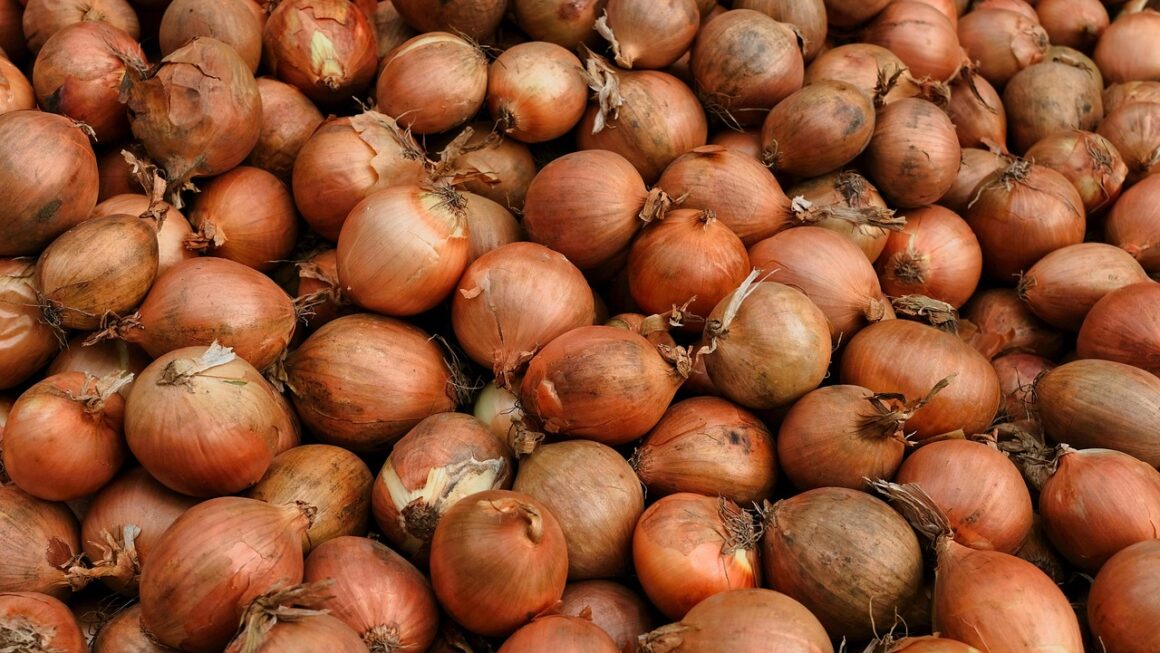
- Aromatics: Garlic, yellow onions, red onions, and shallots.
- Fresh Herbs: Basil, oregano, parsley, rosemary, thyme.
- Seasonal Vegetables: Eggplant, zucchini, bell peppers, spinach, kale, mushrooms, artichokes (fresh or jarred), olives (Kalamata, Castelvetrano).
Legumes & Nuts: Protein & Creaminess Powerhouses
These ingredients are vital for adding protein, texture, and creating creamy vegan alternatives.
- Beans: Cannellini beans, chickpeas, kidney beans – great for soups, stews, and salads.
- Lentils: Brown, green, or red lentils for hearty ragus and minestrone.
- Raw Cashews: Soaked and blended, they form the base for rich, creamy sauces (e.g., vegan alfredo, ricotta, or parmesan).
- Pine Nuts & Walnuts: For pestos and adding crunch.
Flavor Boosters & Fats: The Italian Essentials
These elements are what truly elevate a dish from good to unforgettable.
- Extra Virgin Olive Oil: Invest in a good quality, cold-pressed EVOO for finishing and dressings, and a more affordable one for cooking.
- Balsamic Vinegar: Aged balsamic for drizzling, and a regular one for cooking and vinaigrettes.
- Nutritional Yeast: A cheesy, savory flavor enhancer.
- Red Pepper Flakes: For a touch of heat.
- Sea Salt & Freshly Ground Black Pepper: The foundations of seasoning.
Crafting Classic Vegan Italian Dishes
Get ready to explore the endless possibilities of plant-based Italian cuisine, from tempting starters to satisfying main courses and delightful desserts.
Appetizers & Antipasti: Setting the Stage
Start your meal with vibrant, flavor-packed small plates that showcase Italian simplicity.
- Bruschetta al Pomodoro: Toasted bread rubbed with garlic, topped with diced fresh tomatoes, basil, and a drizzle of olive oil. Ensure the bread is vegan.
- Marinated Olives & Artichoke Hearts: A simple platter of good quality olives and jarred marinated artichokes, perhaps with sun-dried tomatoes.
- Focaccia with Rosemary & Sea Salt: A naturally vegan bread that is perfect for dipping in olive oil or balsamic.
- “Faux” Fried Calamari: Using king oyster mushrooms, thinly sliced and battered, to recreate the texture and savory flavor.
Hearty Main Courses: The Stars of the Show
From comforting pasta dishes to delightful risottos and pizzas, these mains will satisfy any craving.
- Pasta Aglio e Olio with Chili Flakes: A minimalist masterpiece of garlic, olive oil, and chili, enhanced with fresh parsley.
- Spaghetti alla Puttanesca: A robust sauce featuring tomatoes, olives, capers, garlic, and red pepper flakes.
- Mushroom Risotto: Creamy arborio rice cooked with vegetable broth, sautéed mushrooms (cremini, shiitake, or wild), garlic, onions, and finished with a swirl of vegan butter and nutritional yeast.
- Vegan Lasagna: Layers of pasta, rich marinara sauce, spinach, and a creamy cashew-based ricotta cheese, baked until bubbling.
- Plant-Based Pizza: Choose your favorite vegan dough (many pizzerias offer it), top with San Marzano tomato sauce, fresh basil, mushrooms, peppers, artichokes, and a sprinkle of quality vegan mozzarella or a cashew-parmesan crumble.
- Eggplant Parmigiana (Veganized): Layers of breaded and fried eggplant, marinara sauce, and vegan mozzarella/parmesan, baked to perfection.
Satisfying Sides & Salads: Complementing Flavors
Round out your meal with fresh, zesty sides that balance the richness of the main dishes.
- Panzanella Salad: A Tuscan bread salad with ripe tomatoes, cucumbers, red onion, basil, and soaked stale bread, dressed in a red wine vinaigrette.
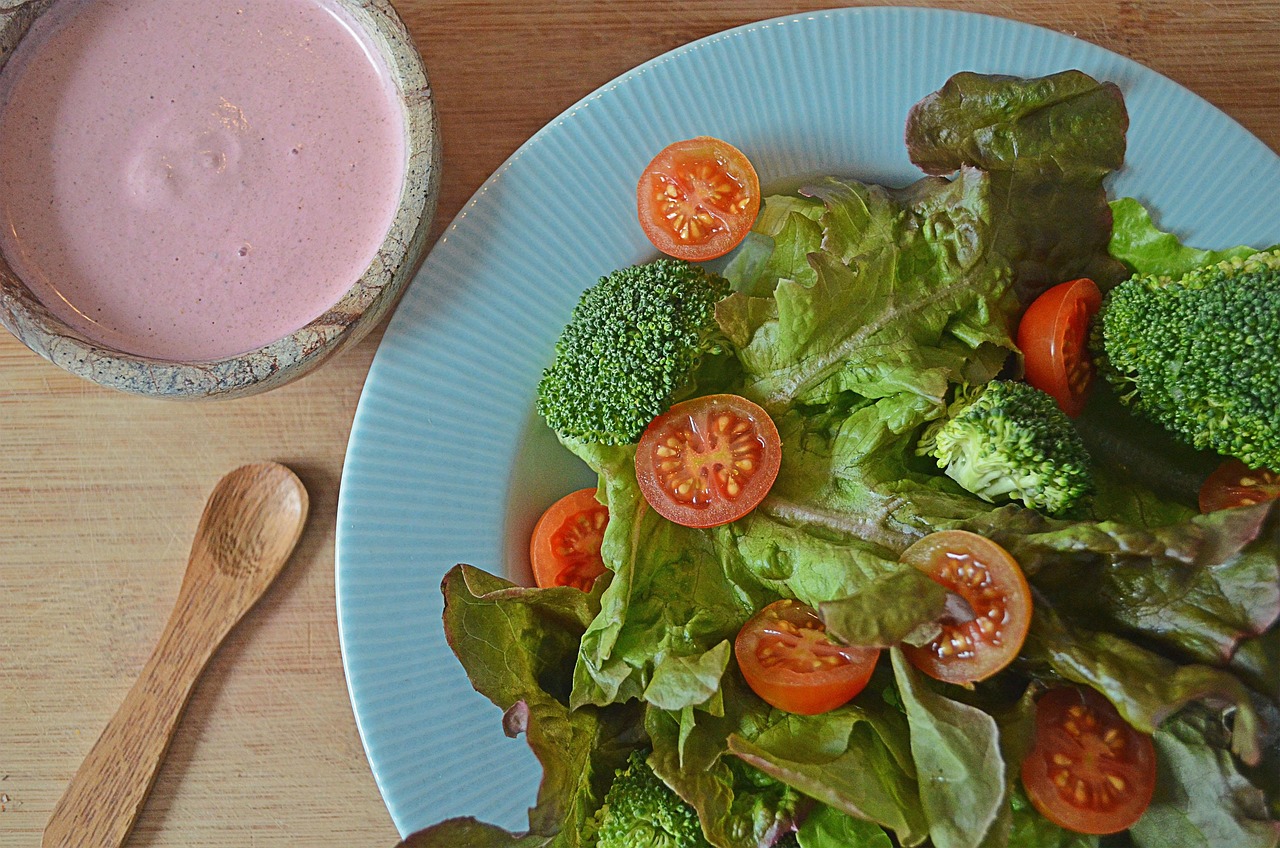
- Insalata Mista: A simple mixed green salad with a light lemon-olive oil dressing.
- Sautéed Greens with Garlic: Spinach, kale, or Swiss chard quickly cooked with olive oil and garlic.
Sweet Endings: Indulgent Vegan Desserts
Don’t forget dessert! Italian cuisine offers many naturally vegan or easily adaptable sweet treats.
- Fruit Sorbetti: Naturally dairy-free, vibrant, and refreshing. Lemon, raspberry, or mango are classic choices.
- Affogato: A scoop of vanilla bean vegan ice cream (often coconut or cashew-based) drowned in a shot of hot espresso.
- Fresh Fruit Platter: Simple, elegant, and always delicious, especially with seasonal berries, figs, or stone fruits.
- Vegan Panna Cotta: Made with coconut cream or other plant milks, often infused with vanilla or fruit purees.
- Tiramisu (Vegan Version): Layered vegan ladyfingers (or sponge cake) soaked in coffee, with a rich cashew-mascarpone cream and dusted with cocoa powder.
Mastering Vegan Italian Cooking Techniques & Tips
Beyond ingredients, understanding a few key techniques will elevate your vegan Italian cooking to an art form.
Layering Flavors: The Foundation of Italian Taste
Italian cooking is all about building flavors in sequence, allowing each ingredient to contribute its best.
- The Soffritto Base: Start many dishes with a soffritto – slowly sautéing finely diced onions, carrots, and celery in olive oil until translucent and sweet. This aromatic base adds incredible depth.
- Garlic First, But Not Burnt: Sauté garlic gently until fragrant before adding other ingredients; never let it brown or it will turn bitter.
- Deglazing with Wine: A splash of dry white or red wine after sautéing vegetables adds a complex layer of flavor and helps scrape up any browned bits from the pan. Ensure the wine is vegan-friendly.
Achieving Creaminess: Without the Dairy
Replicating the rich, velvety texture of dairy-based sauces is entirely possible with plant-based alternatives.
- Cashew Cream: Soaked and blended raw cashews create a luscious, neutral-tasting cream perfect for alfredo sauces, ricotta, or simply enriching soups.
- White Bean Puree: Blended cannellini beans add body and a subtle creaminess to pasta sauces or spreads.
- Starchy Pasta Water: Always reserve some pasta water! The starch helps emulsify sauces, creating a richer, glossier texture that clings beautifully to the pasta.
- Nutritional Yeast: Besides its cheesy flavor, it adds a subtle thickness to sauces.
Seasoning Like an Italian: Simplicity and Quality
The beauty of Italian food often lies in its understated elegance, letting high-quality ingredients shine.
- Salt & Pepper: Use good quality sea salt and freshly ground black pepper. Taste and adjust seasoning throughout the cooking process.
- Olive Oil is Key: Don’t skimp on quality olive oil. Use it generously for cooking, finishing, and dressings.
- Acid Balance: A squeeze of fresh lemon juice or a dash of good quality balsamic vinegar can brighten flavors and cut through richness.
- Fresh Herbs at the End: Add delicate fresh herbs like basil or parsley right before serving to preserve their vibrant flavor and color.
The Art of Simplicity: Less is More
True Italian cooking often celebrates a few star ingredients rather than an overwhelming medley.
- Focus on Quality: Use the best possible ingredients you can find. A perfect tomato needs little embellishment.
- Don’t Overcomplicate: Resist the urge to add too many ingredients to a single dish. Let each component speak for itself. For example, a simple spaghetti with a fresh tomato sauce and basil is often more satisfying than an overly complex one.
- Mise en Place: Prepare all your ingredients (chop, measure, etc.) before you start cooking. This makes the process smoother and more enjoyable, reflecting the relaxed efficiency of Italian kitchens.
Beyond the Plate: The Vegan Italian Lifestyle
Embracing vegan Italian cuisine extends beyond just cooking. It’s about a holistic appreciation for food, friends, and the Italian way of life.
Pairing Vegan-Friendly Wines
A good glass of wine can elevate any meal. Many Italian wines are naturally vegan, but some producers use fining agents like egg whites or casein. Look for labels that explicitly state “vegan-friendly” or use apps like Barnivore to check specific brands.
- Light-Bodied Whites: Pinot Grigio or Vermentino pair wonderfully with lighter pasta dishes, salads, and vegetable antipasti.
- Medium-Bodied Reds: Chianti or Montepulciano d’Abruzzo complement hearty tomato-based sauces, mushroom ragus, and vegan pizzas.
- Sparkling Prosecco: Perfect as an aperitif or with fruit-based desserts.
Dining Out Vegan Italian: Navigating the Menu
Eating out at an Italian restaurant as a vegan is often easier than you think, especially with a few tips:
- Ask About Pasta: Most dried pasta is vegan. Inquire about fresh pasta, as it often contains eggs.
- Marinara is Your Friend: Most marinara sauces are naturally vegan (tomatoes, garlic, basil, olive oil). Be wary of “Bolognese” or “vodka sauce” which typically contain meat or dairy.
- Hold the Cheese: Request “senza formaggio” (without cheese) on pizzas or pasta dishes.
- Antipasti Power: Olives, bruschetta (ask for no cheese), marinated vegetables, and simple salads are usually safe bets.
- Don’t Be Afraid to Ask: Politely explain your dietary needs. Many chefs are happy to adapt dishes.
Hosting a Vegan Italian Dinner Party: Tips for Success
Sharing is a cornerstone of Italian culture. Impress your friends and family with a delicious vegan Italian feast!
- Plan a Balanced Menu: Offer a variety of textures and flavors – perhaps a creamy risotto, a fresh salad, and a hearty pasta dish.
- Prep Ahead: Many Italian sauces and components can be made in advance, reducing stress on the day of the party.
- Decorate Simply: Use fresh herbs, candles, and a rustic tablecloth to create an inviting Italian ambiance.
- Offer Drink Options: Include vegan wine, sparkling water with lemon, or a pitcher of homemade iced tea.
- Don’t Forget Dessert: A fruit platter, sorbet, or a vegan panna cotta will end the meal on a high note.
Conclusion
The journey into vegan Italian cuisine is one of discovery, flavor, and immense satisfaction. It’s a testament to the versatility and inherent plant-friendliness of one of the world’s most beloved food traditions. From the robust simplicity of a garlic and olive oil pasta to the complex layers of a vegan lasagna, every dish tells a story of passion, fresh ingredients, and culinary mastery. By embracing plant-based Italian meals, you not only unlock a world of incredible tastes but also contribute to a healthier, more sustainable, and compassionate way of living. So, gather your finest olive oil, your ripest tomatoes, and your keenest appetite – the vegan Italian revolution is delicious, and it’s waiting for you to take a bite!