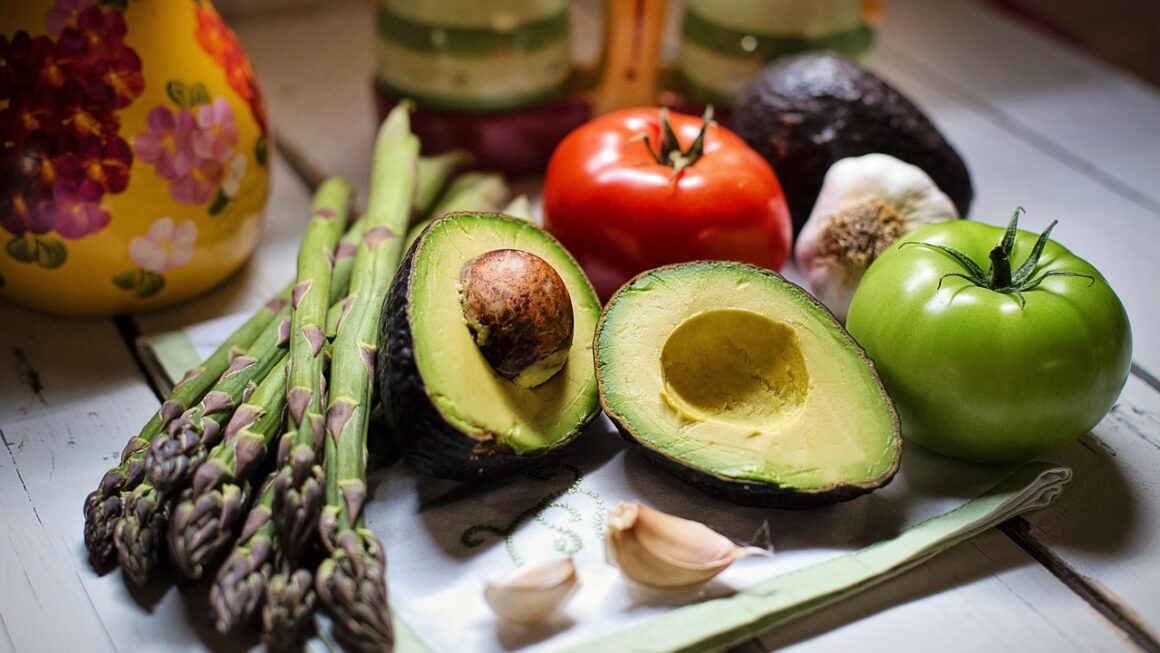
Gone are the days when building significant muscle mass was thought to be exclusive to meat-eaters. The landscape of fitness and nutrition has evolved dramatically, proving that a well-planned vegan diet can provide all the necessary fuel for impressive strength and hypertrophy. Whether you’re an aspiring bodybuilder, a seasoned athlete, or simply looking to get stronger and healthier, embracing vegan muscle building meals can unlock incredible potential. This comprehensive guide will walk you through the essentials of crafting a powerful, plant-based diet designed for optimal muscle growth, recovery, and performance.
The Power of Plant-Based Protein for Muscle Growth
Protein is the cornerstone of muscle building, and the myth that plants lack sufficient protein is precisely that – a myth. The plant kingdom offers an abundance of high-quality protein sources, often packed with additional benefits like fiber, vitamins, and minerals that are crucial for overall health and athletic performance.
Understanding Complete vs. Incomplete Proteins
Traditionally, animal proteins were called “complete” because they contain all nine essential amino acids in sufficient quantities, while some plant proteins were deemed “incomplete.” However, this concept is largely outdated in practical nutrition. A varied vegan diet easily provides all essential amino acids throughout the day. You don’t need to perfectly combine proteins at every single meal; your body’s amino acid pool does the work for you.
- Essential Amino Acids: The building blocks your body cannot produce on its own.
- Variety is Key: Eating a diverse range of plant proteins ensures you get all necessary amino acids.
- Myth Debunked: Focus on overall daily protein intake and variety rather than “completing” proteins at each meal.
Top Vegan Protein Sources
Building muscle as a vegan means knowing your protein powerhouses. Here are some of the best plant-based options to include regularly in your vegan muscle building meals:
- Legumes: Lentils, black beans, chickpeas, kidney beans (approx. 15-18g protein per cup cooked).
- Tofu & Tempeh: Soy-based superfoods, excellent sources of complete protein. Tofu (approx. 10-12g protein per 1/2 cup), Tempeh (approx. 15-20g protein per 1/2 cup).
- Seitan: Made from vital wheat gluten, it’s incredibly high in protein (approx. 20-25g per 3 oz serving). Note: not suitable for gluten-sensitive individuals.
- Quinoa: A complete protein grain (approx. 8g protein per cup cooked).
- Edamame: Whole, immature soybeans (approx. 18g protein per cup shelled).
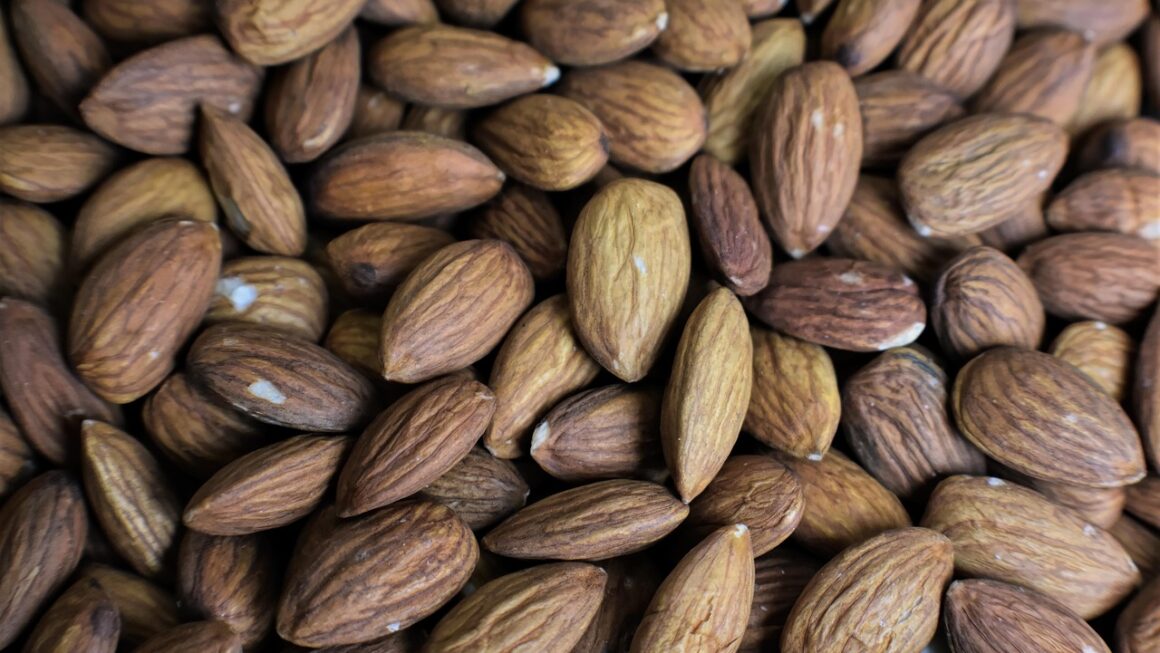
- Nuts & Seeds: Almonds, peanuts, walnuts, chia seeds, flax seeds, hemp seeds (varying protein content, also rich in healthy fats). Hemp seeds boast about 10g protein per 3 tbsp.
- Nutritional Yeast: A cheesy-flavored seasoning, also a complete protein source (approx. 8g protein per 2 tbsp).
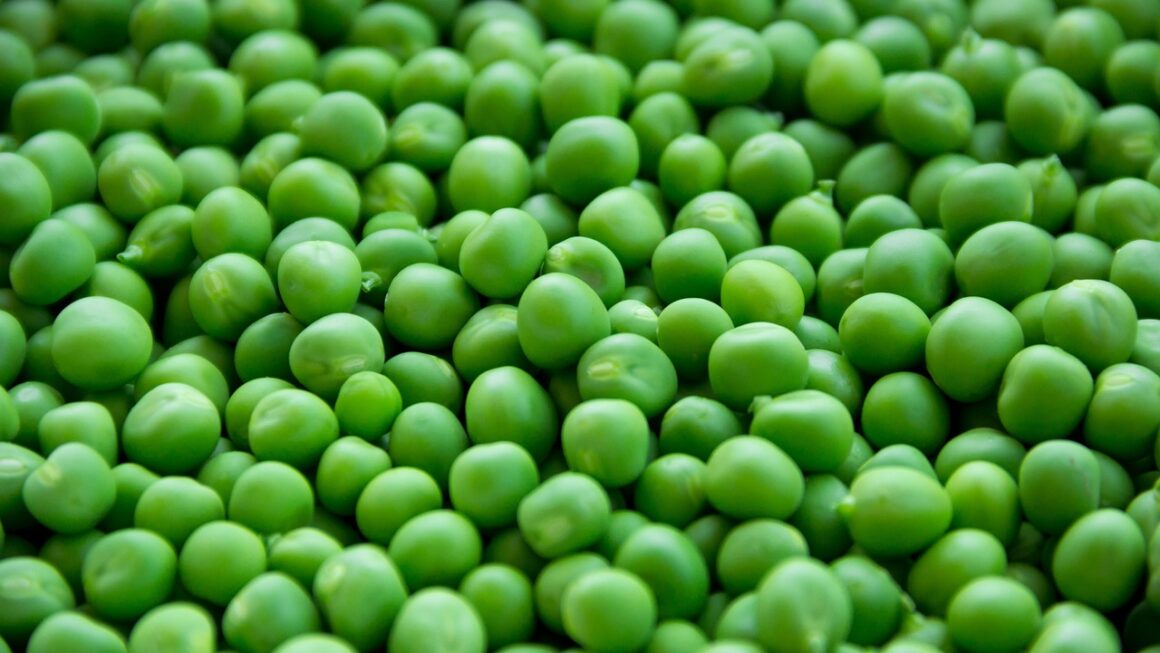
- Plant-Based Protein Powders: Pea protein, rice protein, hemp protein, soy protein, or blends offer a convenient protein boost (typically 20-30g per scoop).
Actionable Takeaway: Prioritize a diverse intake of these plant-based protein sources daily to ensure comprehensive amino acid consumption and fuel your muscle growth effectively.
Crafting Your Vegan Muscle Building Meal Plan
Building muscle isn’t just about protein; it’s about a holistic approach to nutrition. A well-structured meal plan considers calories, macronutrient ratios, and meal timing to optimize your gains.
Calorie Needs for Muscle Gain
To build muscle, you need to be in a caloric surplus – meaning you consume more calories than your body burns. This provides the energy necessary for tissue repair and growth. While the exact number varies by individual, a general guideline is to add 300-500 calories above your maintenance level.
- Calculate Your TDEE: Use an online Total Daily Energy Expenditure (TDEE) calculator to estimate your maintenance calories based on age, weight, height, and activity level.
- Gradual Increase: Don’t jump to a massive surplus, as this can lead to excessive fat gain. Start slowly and adjust based on your progress.
- Nutrient-Dense Choices: Focus on whole, unprocessed foods to meet your calorie goals, avoiding empty calories that offer little nutritional value.
Macronutrient Ratios for Gains
While individual preferences vary, these general guidelines for macronutrient distribution can help structure your vegan bodybuilding diet:
- Protein: Aim for 1.6 to 2.2 grams of protein per kilogram of body weight (0.7 to 1 gram per pound). This range supports muscle protein synthesis.
- Carbohydrates: These are your primary energy source for intense workouts and crucial for recovery. Carbs should typically make up 45-60% of your total daily calories. Opt for complex carbohydrates like oats, brown rice, quinoa, sweet potatoes, and whole grains.
- Fats: Healthy fats are vital for hormone production, nutrient absorption, and overall health. They should constitute 20-30% of your daily calories. Good sources include avocados, nuts, seeds, olive oil, and coconut oil.
Timing Your Meals for Optimal Results
While the overall daily intake is most important, strategic meal timing can enhance performance and recovery, especially around your workouts.
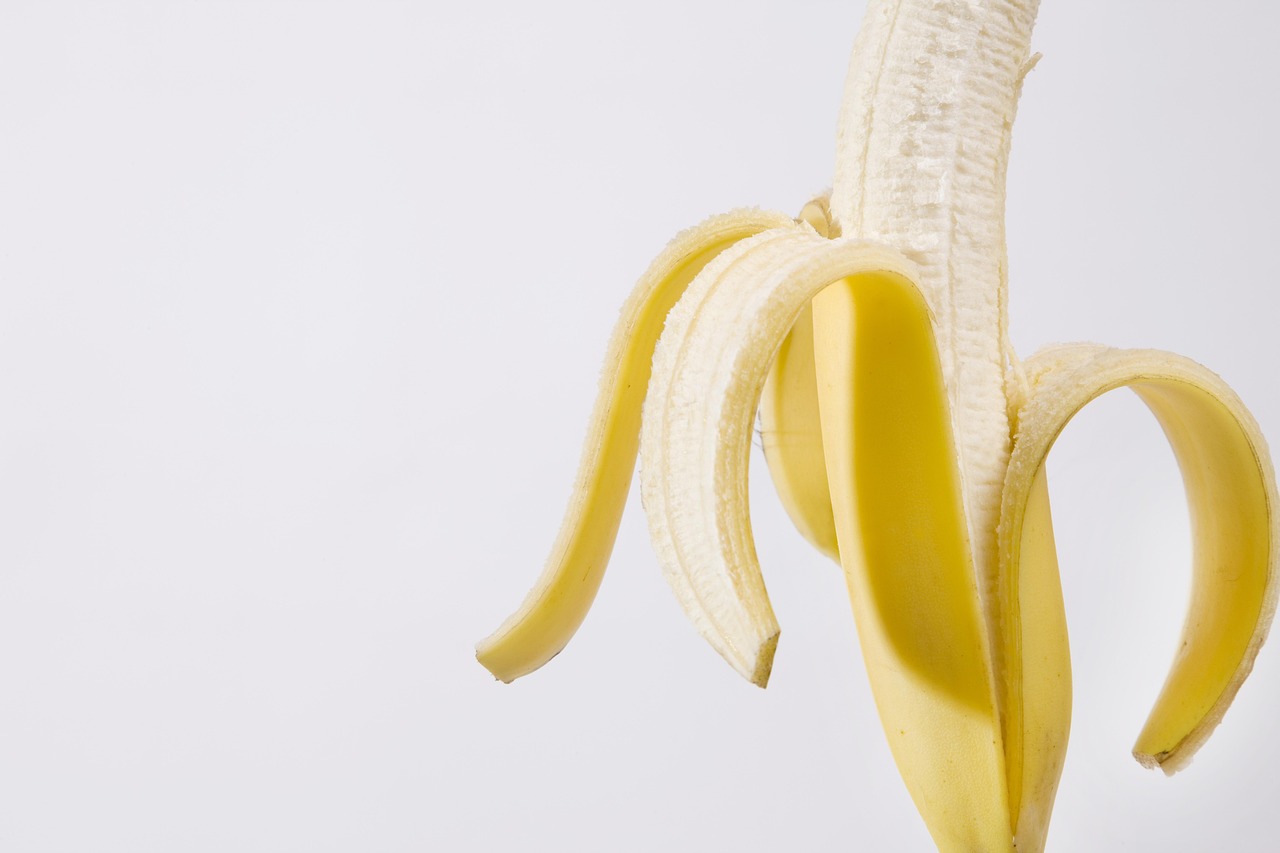
- Pre-Workout: Consume a meal rich in complex carbohydrates and some protein 2-3 hours before training. This provides sustained energy. A banana and a handful of almonds, or a bowl of oatmeal, are good examples.
- Post-Workout: The “anabolic window” isn’t as narrow as once thought, but consuming protein and carbohydrates within 1-2 hours after your workout helps replenish glycogen stores and initiate muscle repair. A protein shake with fruit or a meal with quinoa, beans, and veggies works well.
- Throughout the Day: Spread your protein intake across 4-6 meals or snacks to consistently provide your muscles with amino acids.
Actionable Takeaway: Calculate your specific calorie and macro needs, then structure your vegan muscle building meals to hit those targets consistently, paying attention to pre- and post-workout nutrition.
High-Protein Vegan Meal Ideas & Recipes
Transforming nutritional principles into delicious, practical meals is key. Here are some inspiring high-protein vegan muscle building meal ideas for every part of your day.
Breakfast of Champions
- Tofu Scramble with Veggies: Crumble extra-firm tofu, sauté with onions, bell peppers, spinach, and season with turmeric (for color), black salt (kala namak for eggy flavor), and nutritional yeast. Serve with whole-wheat toast or avocado. (Approx. 20-25g protein).
- Protein-Packed Oatmeal: Cook rolled oats with plant milk, stir in a scoop of vegan protein powder, chia seeds, hemp seeds, and top with berries and a spoonful of nut butter. (Approx. 25-30g protein).
- Chickpea Flour Pancakes: Blend chickpea flour (besan) with plant milk, a dash of baking powder, and sweetener. Cook like regular pancakes and serve with fruit and vegan yogurt. (Approx. 15-20g protein for a stack).
Power-Packed Lunches
- Lentil & Quinoa Salad: Mix cooked lentils, quinoa, chopped cucumbers, tomatoes, bell peppers, fresh herbs, and a lemon-tahini dressing. Add crumbled tempeh or baked tofu for an extra boost. (Approx. 20-25g protein).
- High-Protein Wraps/Bowls: Fill whole-wheat tortillas or a bowl with hummus, roasted chickpeas, kale, avocado, and a generous portion of seitan strips or seasoned black beans. (Approx. 20-35g protein depending on filling).
- Hearty Bean Chili: A classic for a reason. Load up on kidney beans, black beans, cannellini beans, diced tomatoes, onions, peppers, and spices. Serve with a dollop of vegan sour cream and a sprinkle of nutritional yeast. (Approx. 20-25g protein per large bowl).
Dynamic Dinners
- Black Bean Burgers with Sweet Potato Fries: Make homemade black bean burgers with oats, spices, and flaxseed meal. Serve on a whole-grain bun with plenty of greens and a side of baked sweet potato fries. (Approx. 18-25g protein per burger).
- Lentil Shepherd’s Pie: A comforting dish with a savory lentil and vegetable base, topped with creamy mashed potatoes (use plant milk and vegan butter). (Approx. 20-25g protein per serving).
- Tofu/Tempeh Stir-fry: Sauté cubed tofu or tempeh with a colorful array of vegetables and a savory peanut or soy-ginger sauce. Serve over brown rice or quinoa. (Approx. 25-35g protein).
Smart Snacks & Post-Workout Fuel
- Vegan Protein Smoothie: Blend plant milk, a scoop of vegan protein powder, a banana, spinach, and a tablespoon of nut butter or flax seeds. (Approx. 25-35g protein).
- Edamame Pods: Steamed edamame with a pinch of salt is a quick, easy, and satisfying protein snack. (Approx. 18g protein per cup).
- Apple Slices with Peanut Butter: A classic combination offering healthy fats, carbs, and protein. (Approx. 8-10g protein).
- Roasted Chickpeas: A crunchy, savory snack. Roast chickpeas with your favorite spices. (Approx. 10-15g protein per 1/2 cup).
Actionable Takeaway: Integrate these high-protein vegan recipes and snack ideas into your weekly meal prep to ensure you’re consistently fueling your muscles with delicious, nutrient-rich foods.
Essential Supplements for Vegan Bodybuilders
While a whole-foods vegan diet can provide most nutrients, certain supplements can be beneficial for optimizing performance and ensuring no nutritional gaps, particularly for those with higher demands for muscle building.
Vegan Protein Powders
Convenience is key, especially when you need to hit specific protein targets or for quick post-workout recovery. Vegan protein powders offer an efficient way to boost your protein intake without adding significant calories from fats or carbs.
- Types: Pea protein, brown rice protein, hemp protein, and soy protein are popular options. Blends often provide a more complete amino acid profile.
- Benefits: Easy to digest, versatile in smoothies or shakes, and a quick source of protein.
Creatine Monohydrate
One of the most researched and effective supplements for strength and muscle gain, creatine is naturally found in animal products, making supplementation particularly beneficial for vegans.
- Benefits: Enhances strength, power output, muscle endurance, and can increase lean muscle mass.
- Vegan-Friendly: Most creatine monohydrate supplements are synthetic and therefore vegan.
Vitamin B12 and Vitamin D
These vitamins are crucial for everyone, but particular attention is needed on a vegan diet.
- Vitamin B12: Essential for nerve function, red blood cell formation, and DNA synthesis. B12 is not reliably found in plant foods, so supplementation is crucial for vegans.
- Vitamin D: Important for bone health, immune function, and muscle function. While sunlight is a source, many people, including vegans, can be deficient. Look for D2 or vegan D3 (from lichen).
Omega-3 Fatty Acids (Algae-based)
Omega-3s, particularly EPA and DHA, are vital for brain health, heart health, and reducing inflammation. While flax seeds and chia seeds provide ALA (a precursor), direct sources of EPA and DHA are more readily available from marine sources.
- Vegan Source: Algae-based omega-3 supplements provide DHA and often EPA directly, bypassing the conversion limitations of ALA.
- Benefits: Supports recovery, reduces exercise-induced inflammation, and promotes overall cardiovascular and cognitive health.
Actionable Takeaway: Consider incorporating a vegan protein powder, creatine, and essential vitamins like B12 and D, along with algae-based omega-3s, to complement your whole-foods diet and optimize your muscle-building journey.
Conclusion
Building muscle on a vegan diet is not just possible; it’s a powerful and increasingly popular path for athletes and fitness enthusiasts worldwide. By understanding the abundance of plant-based protein sources, strategically planning your calorie and macronutrient intake, and embracing diverse, delicious vegan muscle building meals, you can achieve impressive strength and physique goals. Combine this with consistent training, adequate rest, and smart supplementation, and you’ll be well on your way to becoming a strong, thriving plant-based powerhouse. Embrace the journey, experiment with new recipes, and enjoy the incredible benefits of fueling your body the vegan way!