The world of bodybuilding has long been associated with mountains of chicken breast and endless egg whites. However, a powerful shift is underway, proving that you can build incredible strength and muscle on a wholly plant-based diet. Far from being a hindrance, a well-structured vegan bodybuilding meal plan can offer a plethora of health benefits while providing all the necessary fuel for intense training and optimal recovery. If you’ve ever wondered how to sculpt a powerful physique without animal products, this comprehensive guide will demystify the process, offering practical strategies and a detailed roadmap to plant-based muscle gains.
Demystifying Plant-Based Protein for Muscle Growth
One of the most common questions a vegan bodybuilder faces is, “Where do you get your protein?” The truth is, the plant kingdom is brimming with excellent protein sources. Building muscle requires a consistent intake of all essential amino acids, and a varied vegan diet can easily provide these.
Understanding Protein Requirements
- For active individuals and bodybuilders, protein intake typically ranges from 1.6 to 2.2 grams of protein per kilogram of body weight, or even higher during cutting phases.
- Focus on consuming protein throughout the day, aiming for 20-40 grams per meal and snack, to maximize muscle protein synthesis.
- It’s a myth that plant proteins are “incomplete.” While some individual plant foods may be lower in one or two essential amino acids, eating a variety of plant proteins throughout the day easily covers all your needs.
Top Plant-Based Protein Powerhouses
Incorporate these staples into your vegan bodybuilding meal plan to ensure adequate protein intake:
- Legumes: Lentils, chickpeas, black beans, kidney beans, edamame. A single cup of cooked lentils provides about 18 grams of protein.
- Soy Products: Tofu, tempeh, edamame, soy milk. Tempeh is particularly dense, offering around 31 grams of protein per cup. Tofu is incredibly versatile for various dishes.
- Seitan: Made from wheat gluten, seitan is a protein powerhouse with typically 20-25 grams per 3.5 ounces, making it an excellent meat substitute.
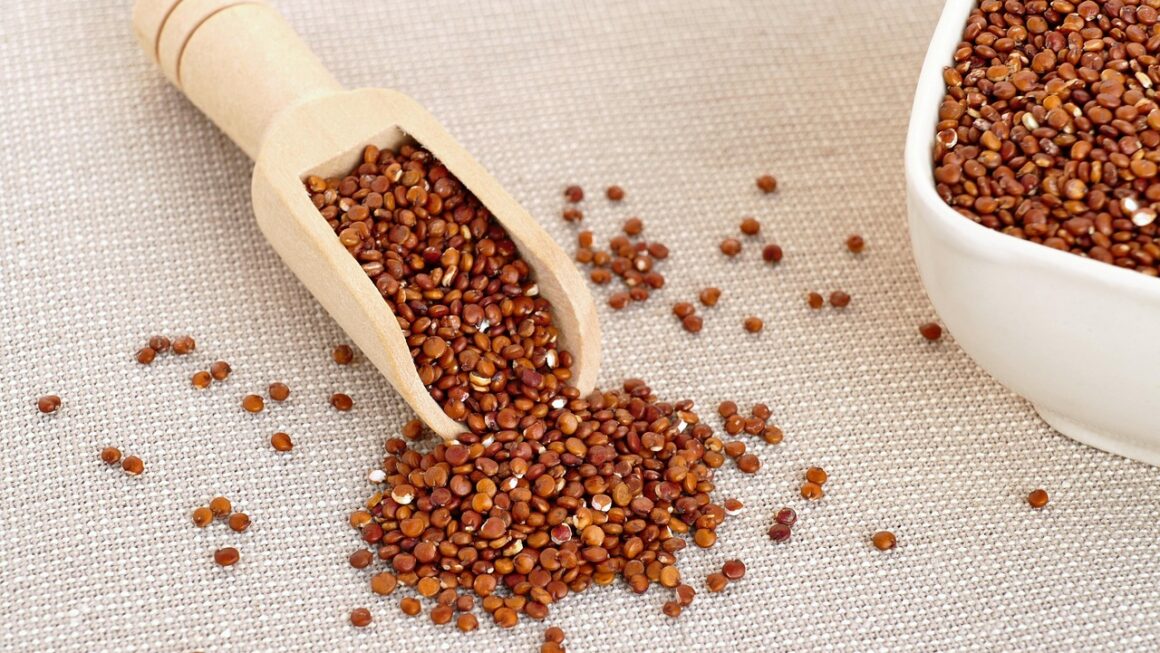
- Grains: Quinoa (a complete protein), oats, brown rice, whole wheat pasta.
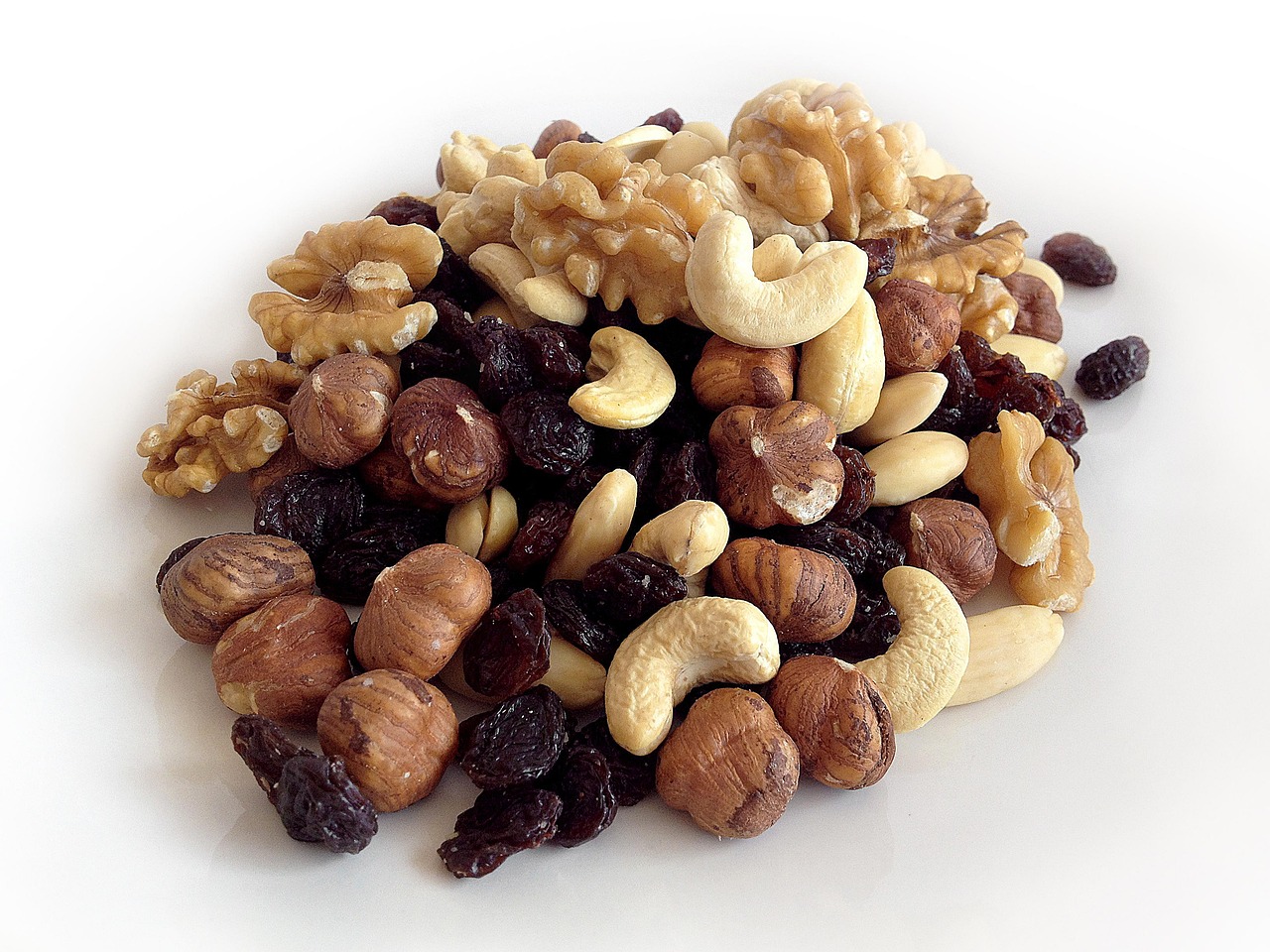
- Nuts and Seeds: Almonds, peanuts, cashews, chia seeds, flax seeds, hemp seeds. Hemp seeds offer about 10 grams of protein in just three tablespoons.
- Vegan Protein Powders: Pea protein, rice protein, soy protein, or mixed blends are convenient for boosting protein intake, especially post-workout.
Optimizing Carbohydrates and Healthy Fats for Performance
While protein often takes the spotlight, carbohydrates and healthy fats are equally crucial for a thriving vegan bodybuilding diet. They provide the energy for intense workouts, aid in recovery, and support overall health.
Smart Carb Choices for Sustained Energy
Complex carbohydrates are your primary fuel source, replenishing glycogen stores for sustained energy during training and aiding recovery. Aim for whole, unprocessed sources.
- Oats: Ideal for breakfast, providing slow-release energy.
- Sweet Potatoes: Packed with vitamins and complex carbs, great for pre- or post-workout.
- Brown Rice & Quinoa: Excellent staples for main meals, offering sustained energy.
- Whole Grains: Whole wheat bread, pasta, and cereals provide fiber and essential nutrients.
- Fruits: Berries, bananas, apples, and oranges provide quick energy, antioxidants, and essential vitamins. Bananas are great for a quick pre-workout boost.
Actionable Tip: Consume complex carbs like oats or sweet potatoes 1-2 hours before your workout for sustained energy. A faster-acting carb like a banana or dried fruit can be beneficial 30 minutes before or during long training sessions.
Essential Healthy Fats for Hormonal Balance and Health
Healthy fats are vital for hormone production, nutrient absorption, and overall cellular function. Don’t shy away from them, but choose wisely.
- Avocados: Rich in monounsaturated fats, fiber, and potassium.
- Nuts and Nut Butters: Almonds, walnuts, cashews, peanuts. Great for snacks or adding to meals.
- Seeds: Chia seeds, flax seeds, hemp seeds (excellent sources of Omega-3s), pumpkin seeds, sunflower seeds.
- Olive Oil: A healthy fat for cooking and dressings.
- Omega-3s: Crucial for reducing inflammation and supporting brain health. Focus on flaxseeds, chia seeds, hemp seeds, walnuts, and consider an algae-based Omega-3 supplement.
Actionable Tip: Include a source of healthy fats with each meal to support satiety and absorb fat-soluble vitamins (A, D, E, K). For example, add avocado to your salad or nut butter to your oatmeal.
Designing Your Vegan Bodybuilding Meal Plan: A Sample Day & Strategies
Consistency and proper planning are key to any successful bodybuilding journey, especially on a plant-based diet. Here’s a sample day to illustrate how a vegan muscle gain meal plan can look, followed by practical strategies.
Sample Vegan Bodybuilding Meal Plan (Approx. 2500-3000 Calories)
This is a general template; adjust portion sizes based on your individual calorie and macro needs.
- Meal 1 (Breakfast – 7:00 AM): Power Oatmeal
- 1 cup rolled oats cooked with water or fortified soy/almond milk
- 1 scoop vegan protein powder (mixed in after cooking)
- 1/4 cup berries
- 2 tbsp chia seeds or ground flaxseeds
- 1 tbsp almond butter
- Meal 2 (Mid-Morning Snack – 10:00 AM): Quick Refuel
- 1 cup soy yogurt (unsweetened) or a small container of fortified vegan yogurt
- 1/4 cup mixed nuts (almonds, walnuts)
- 1 apple
- Meal 3 (Lunch – 1:00 PM): Hearty Lentil & Veggie Bowl
- 1.5 cups cooked lentils
- 1 cup quinoa or brown rice
- Large serving of mixed greens (spinach, kale)
- 1/2 cup roasted vegetables (broccoli, bell peppers, carrots)
- 2 tbsp olive oil and vinegar dressing
- Optional: 1/2 block baked tofu or tempeh for extra protein
- Meal 4 (Pre-Workout Snack – 4:00 PM): Energy Boost
- 1 medium banana
- 2 tbsp peanut butter
- Optional: A small handful of pretzels or rice cakes for quick carbs
- Meal 5 (Post-Workout Shake – 6:00 PM): Muscle Repair
- 2 scoops vegan protein powder
- 1 cup fortified soy milk or water
- 1/2 cup frozen berries
- 1 tbsp creatine monohydrate (if supplementing)
- Meal 6 (Dinner – 7:30 PM): Seitan Stir-fry
- 4-6 oz seitan, sliced and pan-fried
- 1.5 cups mixed stir-fry vegetables (broccoli, snap peas, mushrooms, carrots)
- 1 cup brown rice or quinoa
- Soy sauce or tamari, ginger, garlic for flavor
- Meal 7 (Evening Snack – 9:30 PM): Slow Release Protein
- Small serving of edamame or a handful of roasted chickpeas
- Optional: A few walnuts
Effective Meal Prep Strategies
To stay consistent with your vegan meal prep for muscle gain, employ these strategies:
- Batch Cook Grains and Legumes: Cook large quantities of brown rice, quinoa, lentils, and beans at the beginning of the week.
- Chop Veggies Ahead: Pre-chop your vegetables for stir-fries, salads, and snacks.
- Pre-Portion Snacks: Divide nuts, seeds, and fruit into individual containers for easy grab-and-go options.
- Make Large Batches of Protein Sources: Bake or pan-fry a large block of tofu or tempeh, or prepare a big batch of seitan for several meals.
- Utilize Freezing: Cooked lentils, beans, and even some stews or curries can be frozen in individual portions for quick meals later.
Actionable Takeaway: Spend a few hours on Sunday preparing components of your meals. This significantly reduces decision fatigue and ensures you always have healthy options available, preventing reliance on less optimal choices.
Micronutrients and Strategic Supplementation
While a well-planned vegan diet is incredibly nutrient-dense, certain micronutrients require attention, and strategic supplementation can bridge potential gaps, especially for the demands of bodybuilding.
Key Micronutrients for Vegan Bodybuilders
Pay close attention to these vitamins and minerals:
- Vitamin B12: Exclusively found in animal products, fortification, or supplements. Essential for nerve function and red blood cell formation. Supplementation is non-negotiable for vegans.
- Iron: Abundant in lentils, spinach, tofu, and fortified cereals. Enhance absorption by consuming with Vitamin C-rich foods (e.g., citrus, bell peppers).
- Zinc: Found in pumpkin seeds, cashews, lentils, and oats. Important for immune function and testosterone production.
- Calcium: Abundant in fortified plant milks, tofu (calcium-set), collard greens, kale, and sesame seeds. Critical for bone health.
- Vitamin D: Obtained from sunlight exposure, fortified foods, or supplements. Essential for calcium absorption and immune health.
- Iodine: Found in iodized salt, seaweed (use sparingly as too much can be problematic), and some fortified plant milks. Crucial for thyroid function.
- Omega-3 Fatty Acids (EPA & DHA): While flax and chia provide ALA (which converts to EPA/DHA), the conversion rate can be low. An algae-based Omega-3 supplement is highly recommended.
Essential Vegan Supplements for Muscle Building
Strategic supplementation can provide an edge and ensure all nutritional bases are covered.
- Vegan Protein Powder: A blend of pea, rice, and hemp protein offers a complete amino acid profile. Ideal for post-workout shakes or boosting protein in meals.
- Creatine Monohydrate: Widely researched and proven to increase strength, power, and muscle mass. Completely vegan.
- Vitamin B12: As mentioned, absolutely critical. Look for methylcobalamin or cyanocobalamin forms.
- Vitamin D3: Ensure it’s a vegan source (lichen-derived).
- Algae-Based Omega-3 (EPA/DHA): Guarantees adequate intake of these crucial fatty acids without relying on conversion.
- Multivitamin/Mineral: A comprehensive multivitamin can act as an “insurance policy” for any other potential micronutrient gaps.
Actionable Takeaway: Consult with a healthcare professional or a registered dietitian experienced in vegan nutrition to personalize your supplement regimen and monitor your micronutrient status.
Conclusion
Embracing a vegan bodybuilding meal plan is not just possible; it’s a powerful and sustainable path to building a strong, healthy physique. By focusing on a diverse range of plant-based protein sources, optimizing your carbohydrate and healthy fat intake, meticulously planning your meals, and strategically supplementing, you can easily meet the demanding nutritional needs of a bodybuilder. Remember, consistency, smart food choices, and listening to your body are the cornerstones of success. The plant kingdom offers an incredible abundance of nutrients ready to fuel your gains and transform your body, proving that compassion and power can indeed go hand-in-hand.