The journey into plant-based eating is often met with enthusiasm, yet sometimes shadowed by the misconception that vegan meals lack depth, richness, or the ‘wow’ factor. This couldn’t be further from the truth! With the right techniques and a little culinary creativity, vegan cuisine explodes with an incredible array of flavors, textures, and aromas that can rival any traditional dish. Forget bland and boring – it’s time to unlock the secrets to crafting truly sensational, flavorful vegan meals that will impress even the most discerning palates. This comprehensive guide will equip you with essential strategies to transform your plant-based cooking from simple to sublime.
Mastering Umami – The Fifth Taste in Vegan Cuisine
Umami, often described as a savory, meaty taste, is crucial for adding depth and satisfaction to any dish. In vegan cooking, understanding how to harness plant-based umami is a game-changer for creating incredibly flavorful meals.
Naturally Umami-Rich Plant Foods
Integrate these ingredients generously to build a powerful savory foundation:
- Mushrooms: Especially shiitake, cremini, and portobello. Drying and rehydrating mushrooms can further concentrate their umami.
- Tomatoes: Sun-dried tomatoes, tomato paste, and slow-roasted tomatoes are packed with natural glutamates.
- Soy Products: Miso paste, tamari (gluten-free soy sauce), tempeh, and certain aged tofu varieties offer significant umami.
- Nutritional Yeast: A deactivated yeast known for its cheesy, savory flavor, excellent in sauces, dressings, and sprinkles.
- Seaweed: Kombu and nori sheets can infuse broths and dishes with a subtle yet potent umami.
Practical Tip: Add a tablespoon of tomato paste to your sautés and allow it to cook down for a few minutes before adding liquids. This caramelizes the sugars and intensifies its umami.
Fermentation & Roasting for Flavor Depth
These techniques transform ingredients, deepening their inherent savory qualities:
- Fermented Foods: Miso paste, kimchi, sauerkraut, and tamari are not only gut-healthy but also umami powerhouses.
- Roasting Vegetables: Roasting brings out the natural sweetness and deepens the umami of vegetables like carrots, Brussels sprouts, broccoli, and especially root vegetables. High heat caramelizes their sugars and concentrates their flavors.
Actionable Takeaway: Experiment with a miso-tahini dressing for your roasted vegetables, combining fermented umami with nutty richness. Or create a deeply savory mushroom stock using dried shiitakes and kombu.
The Art of Aromatic Foundations & Layering Flavors
Great flavor doesn’t just happen; it’s built from the ground up. Developing rich aromatic foundations and thoughtfully layering flavors are cornerstones of flavorful vegan cooking.
Building Blocks: Soffrittos & Mirepoix
These classic culinary bases are essential for many dishes:
- Soffritto (Italian): Gently sautéed onions, garlic, celery, and carrots form a sweet and aromatic base for soups, stews, and sauces.
- Mirepoix (French): A similar blend of onions, carrots, and celery, typically in a 2:1:1 ratio.
- Holy Trinity (Cajun/Creole): Onions, celery, and bell peppers.
Practical Tip: Always start by sautéing your aromatics slowly over medium-low heat until they are soft and translucent, allowing their flavors to develop fully without browning too quickly.
Spice Blends & Herbs: Beyond Salt and Pepper
Spices and herbs are your palette for creating diverse and exciting flavors:
- Toasting Whole Spices: Briefly toasting whole spices (e.g., cumin seeds, coriander seeds) in a dry pan before grinding or adding to oil unlocks their essential oils and intensifies their aroma.
- Custom Blends: Create your own spice mixes for specific cuisines – a smoky chili blend for tacos, a fragrant garam masala for curries, or an herby Italian blend for pasta.
- Fresh Herbs at the End: Add delicate fresh herbs like cilantro, parsley, basil, or mint at the very end of cooking or as a garnish to preserve their vibrant flavor and color.
Actionable Takeaway: Before adding liquids to a pan, “bloom” your ground spices (e.g., turmeric, cumin, paprika) in a bit of hot oil for 30-60 seconds. This releases their fat-soluble flavors and aromas, creating a more complex taste profile.
Texture & Contrast – Elevating the Eating Experience
Flavor isn’t just about taste; it’s also about the interplay of textures. A truly satisfying meal offers a variety of mouthfeels, from creamy to crunchy, adding interest and preventing monotony.
The Crunch Factor: Nuts, Seeds, & Crispy Veggies
Incorporate elements that provide a delightful contrast:
- Toasted Nuts & Seeds: Almonds, walnuts, cashews, pumpkin seeds, and sunflower seeds add crunch and a nutty richness to salads, stir-fries, and bowls.
- Crispy Roasted Chickpeas or Lentils: A fantastic protein-packed topping for salads or as a snack.
- Crispy Fried Onions or Garlic: Simple to make and adds incredible texture and savory depth.
- Panko Breadcrumbs: Toast with herbs and garlic for a flavorful crunchy topping for casseroles or pasta.
Practical Tip: Air fry or pan-fry thinly sliced kale or Brussels sprout leaves until crispy for a nutritious and texturally exciting garnish.
Creaminess & Richness: Avocados, Cashews, & Coconut Milk
Achieve luxurious richness without dairy:
- Cashew Cream: Soaked and blended cashews create incredibly versatile creams for sauces, soups, and desserts.
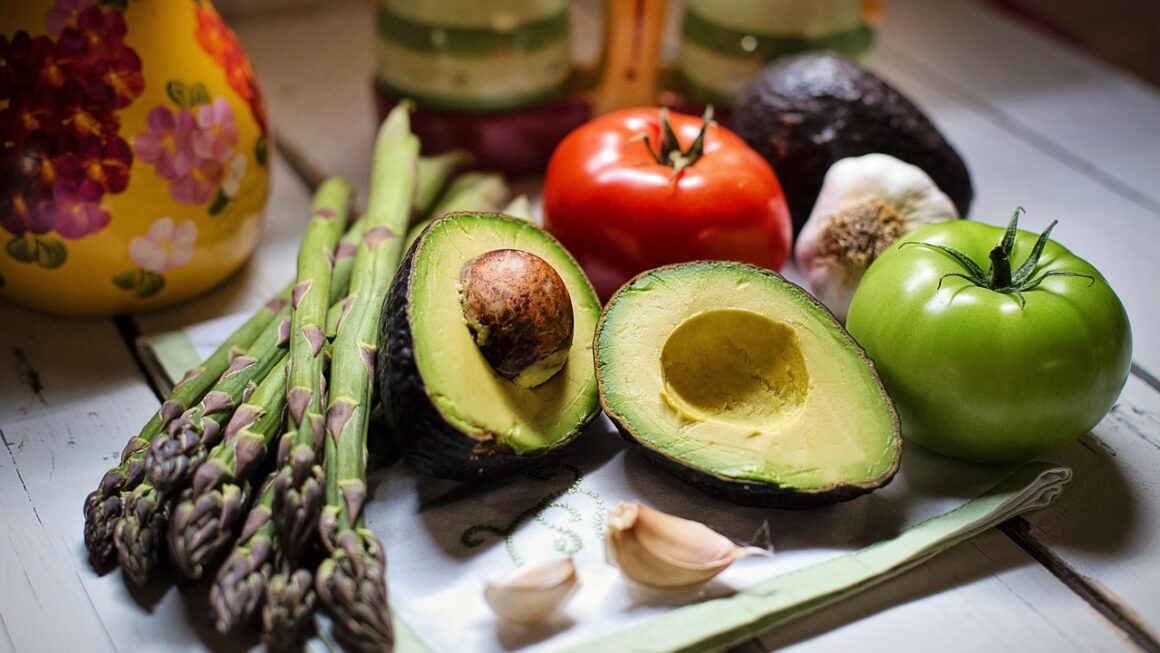
- Avocado: Adds natural creaminess and healthy fats to smoothies, dressings, and dips.
- Coconut Milk: Full-fat coconut milk provides a rich, velvety texture to curries, stews, and creamy desserts.
- Silken Tofu: Blends seamlessly into creamy dressings, mousses, and thickeners for sauces.
Actionable Takeaway: For a decadent yet healthy pasta sauce, blend soaked cashews with nutritional yeast, garlic, lemon juice, and a splash of plant milk. This delivers creamy richness and umami in one go.
Acidity, Sweetness, and Heat – The Finishing Touches
These elements are like the final brushstrokes on a painting, balancing and brightening flavors, and adding a spark that brings a dish to life.
Brightening with Acids: Citrus, Vinegars, & Pickles
Acids cut through richness, balance sweetness, and make flavors pop:
- Citrus Juices & Zest: Lemon, lime, and orange juice or zest add brightness to almost any dish, from soups to desserts.
- Vinegars: Apple cider vinegar, red wine vinegar, balsamic vinegar, and rice vinegar each offer distinct flavor profiles to use in dressings, marinades, or deglazing.
- Pickled Vegetables: Quick-pickled onions, jalapeños, or cucumbers add a tangy, contrasting crunch.
Practical Tip: A squeeze of fresh lemon juice at the end of cooking can elevate a dish more than extra salt. It awakens all the other flavors.
Balanced Sweetness: Dates, Maple Syrup, & Agave
A touch of sweetness can round out savory dishes and balance acidity or heat:
- Medjool Dates: Naturally sweet and can be blended into sauces, smoothies, or used as a binder.
- Maple Syrup & Agave Nectar: Versatile liquid sweeteners for dressings, glazes, and baked goods.
- Roasted Vegetables: Natural sweetness from roasted carrots, sweet potatoes, or bell peppers.
Actionable Takeaway: If a sauce tastes a bit flat or too acidic, add a tiny splash of maple syrup or a softened Medjool date. Taste as you go to avoid over-sweetening.
A Kick of Heat: Chilies, Ginger, & Mustard
Heat adds excitement and can enhance other flavors:
- Fresh & Dried Chilies: Jalapeños, serranos, habaneros, or dried chili flakes for varying levels of spice.
- Ginger & Garlic: Essential aromatics that also provide a pungent warmth.
- Mustard: Dijon, whole grain, or powdered mustard can add a sharp, piquant kick to dressings and sauces.
- Hot Sauces: Sriracha, Tabasco, or a smoky chipotle sauce for a convenient burst of flavor and heat.
Practical Tip: Start with a small amount of heat and add more incrementally, especially with fresh chilies, as their potency can vary widely.
The Power of Searing, Browning, and Deglazing
These fundamental cooking techniques are not just for meat; they are vital for developing deep, complex flavors in plant-based ingredients.
The Maillard Reaction: Unlocking Deep Flavors
The Maillard reaction is a chemical process that occurs when amino acids and reducing sugars react with heat, creating hundreds of new flavor compounds and a beautiful brown crust.
- Searing Tofu & Tempeh: Press tofu thoroughly, then sear in a hot pan with a little oil until golden brown and crispy on all sides. This creates a firm texture and deeply savory crust.
- Browning Vegetables: Don’t overcrowd the pan. Give vegetables space to brown and caramelize instead of steaming, especially mushrooms, onions, and root vegetables.
- Roasting: High-heat roasting is a fantastic way to induce the Maillard reaction across a wider surface area of vegetables.
Practical Example: When preparing a stir-fry, cook your protein (like tofu or tempeh) in batches to ensure proper searing. Remove it from the pan, then cook your vegetables, combining everything at the end.
Deglazing for Rich Sauces
After searing or browning, delicious caramelized bits (fond) stick to the bottom of your pan. Deglazing involves adding liquid to dissolve these bits, creating an incredibly flavorful sauce.
- Liquids for Deglazing: Vegetable broth, wine (red or white), plant-based beer, or even a splash of tamari or balsamic vinegar.
- Process: Once your food is removed and the pan is still hot, add a small amount of liquid and scrape the bottom of the pan with a wooden spoon to release the fond. Reduce the liquid slightly, and you have an instant, rich sauce.
Actionable Takeaway: After searing mushrooms for a pasta dish, deglaze the pan with a splash of white wine and vegetable broth. This forms the base of a quick and deeply flavorful sauce that coats the pasta perfectly.
Conclusion
Creating truly flavorful vegan meals is not about deprivation; it’s about expansion – exploring new ingredients, mastering essential techniques, and understanding how different elements interact to create culinary magic. By embracing umami-rich ingredients, building robust aromatic foundations, playing with textures, and balancing with acidity, sweetness, and heat, you can transform your plant-based cooking into an extraordinary experience. Remember to taste as you go, experiment fearlessly, and most importantly, enjoy the delicious journey. Your taste buds, and your guests, will thank you for these sensational, flavorful vegan creations!