The quest for convenient, nutritious, and delicious meals often leads us to the doorstep of meal prepping. For those navigating a plant-based lifestyle, particularly with a focus on adequate protein intake, high protein vegan meal prep isn’t just a trend—it’s a game-changer. Dispelling the myth that vegan diets lack sufficient protein, this comprehensive guide will unlock the secrets to preparing nutrient-dense, protein-packed plant-based meals that fuel your body, save you time, and tantalize your taste buds. Get ready to transform your approach to healthy eating and embrace the power of proactive plant-based nutrition.
## Decoding High-Protein Veganism
Understanding where to find protein in a plant-based diet is the first step to successful high protein vegan meal prep. It’s not just about meeting a daily quota; it’s about ensuring a diverse intake of essential amino acids.
### Why Protein Matters (Even More on a Vegan Diet)
Protein is fundamental for virtually every bodily function, from building and repairing tissues to producing enzymes and hormones. While all diets require sufficient protein, vegans often face misconceptions about their ability to meet these needs. A well-planned vegan diet, rich in a variety of protein sources, easily provides all essential amino acids. The key is diversity and consistency.
- Muscle Maintenance & Growth: Essential for athletes and active individuals.
- Satiety & Weight Management: Protein helps you feel fuller for longer, reducing overall calorie intake.
- Energy Production: A vital macronutrient for sustained energy throughout the day.
- Immune Function: Proteins are crucial components of antibodies and immune cells.
Actionable Takeaway: Prioritize incorporating a variety of protein sources daily to ensure a complete amino acid profile.
### Top Plant-Based Protein Sources for Meal Prep
The plant kingdom offers an abundance of protein-rich foods. Integrating these staples into your meal prep strategy will ensure you hit your protein goals effortlessly.
- Legumes: Lentils (18g/cup cooked), chickpeas (15g/cup cooked), black beans (15g/cup cooked), kidney beans. Excellent for stews, salads, and spreads.
- Tofu & Tempeh: Tofu (10-20g/half cup) and tempeh (15-20g/half cup) are versatile soy products. Tofu is great for scrambles and stir-fries, while tempeh has a firmer texture ideal for grilling or baking.
- Seitan: Made from wheat gluten, seitan boasts an impressive protein content (20-25g/3 oz serving) and a meat-like texture, perfect for stir-fries, stews, or “meat” substitutes.
- Edamame: Whole, immature soybeans (17g/cup shelled). Great as a snack or added to salads and bowls.
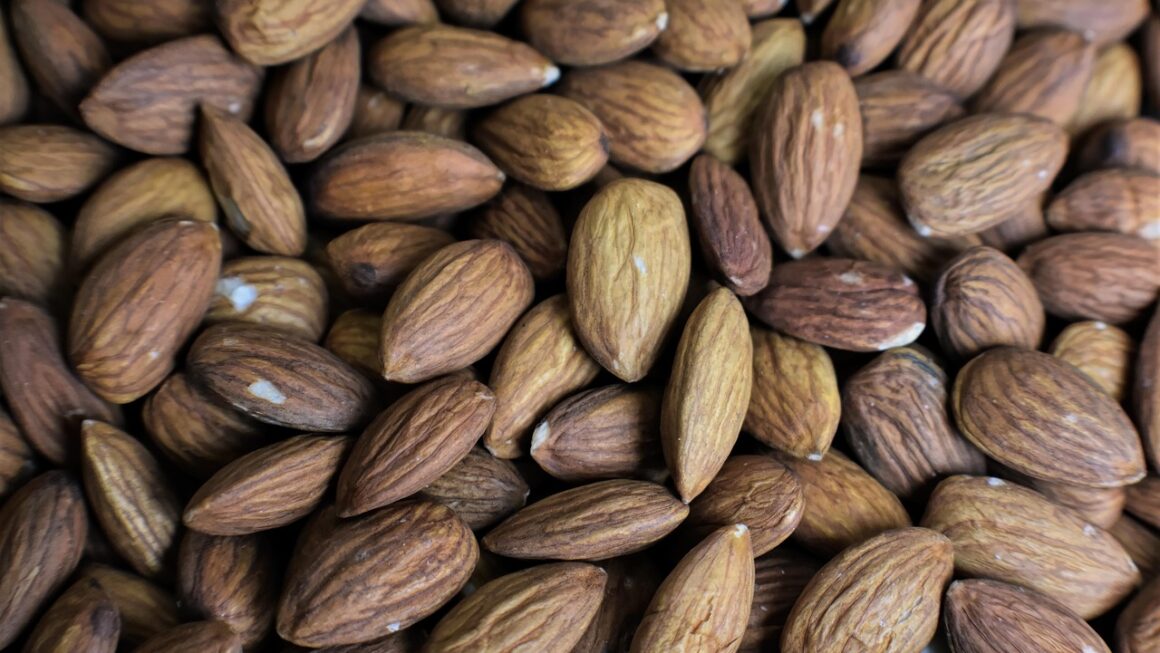
- Nuts & Seeds: Almonds, walnuts, cashews, chia seeds (5g/2 tbsp), flax seeds, hemp seeds (10g/3 tbsp), pumpkin seeds. Ideal for snacks, toppings, or blended into sauces.
- Quinoa: A complete protein grain (8g/cup cooked) that’s quick to cook and highly versatile.
- Nutritional Yeast: A cheesy-flavored seasoning (8g/2 tbsp) that adds a protein boost to sauces, popcorn, and scrambles.
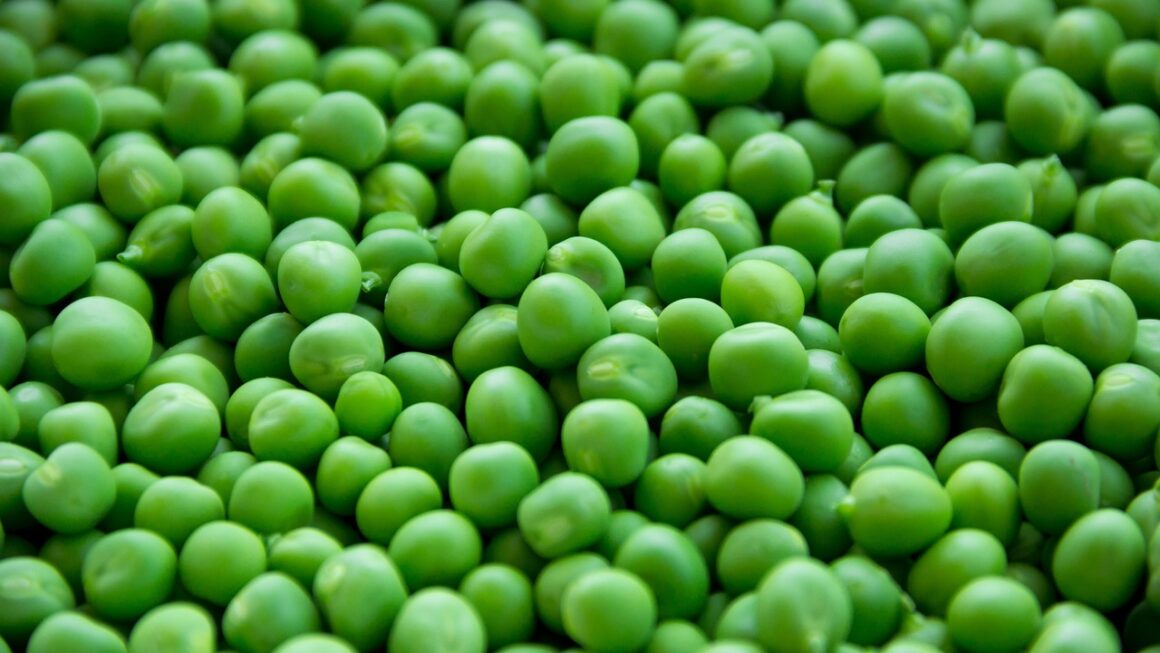
- Certain Vegetables: Broccoli, spinach, peas, and Brussels sprouts also contribute to your daily protein intake, especially when eaten in larger quantities.
Practical Tip: Keep a mix of these sources on hand. For instance, dried beans and lentils are cost-effective, while canned varieties offer convenience for quick meal prep.
## The Power of Vegan Meal Prep
Embracing high protein vegan meal prep isn’t just about nutrition; it’s a lifestyle hack that delivers numerous benefits, transforming your relationship with food and your schedule.
### Benefits Beyond Convenience
The advantages of dedicated meal preparation extend far beyond simply having food ready to eat. It’s a holistic approach to wellness.
- Time-Saving: Cook once, eat multiple times. Free up precious hours during busy weekdays.
- Cost-Efficient: Buying in bulk and planning meals reduces impulse purchases and food waste, saving you money. Studies suggest meal prepping can reduce weekly food spending by 20-30%.
- Consistent Nutrition: Ensures you consistently meet your macro and micronutrient goals, especially protein, preventing reliance on less healthy options.
- Reduced Stress: Eliminates the daily “what’s for dinner?” dilemma, leading to calmer mealtimes.
- Portion Control: Pre-portioned meals help manage calorie intake and support weight management goals.
- Reduced Food Waste: Planning helps you use ingredients efficiently, minimizing spoilage.
Actionable Takeaway: View meal prep as an investment in your health, finances, and peace of mind.
### Essential Tools for Success
Having the right equipment can significantly streamline your high protein vegan meal prep process and make it more enjoyable.
- Airtight Containers: Glass or BPA-free plastic containers are essential for storing food safely and keeping it fresh. Variety in sizes is helpful.
- Quality Knives & Cutting Board: Sharp knives make chopping vegetables and proteins much faster and safer.
- Large Pots & Pans: For batch cooking grains, legumes, and roasted vegetables.
- Sheet Pans: Ideal for roasting multiple types of vegetables or proteins like tofu/tempeh simultaneously.
- Blender/Food Processor: Great for making sauces, dressings, hummus, or protein smoothies.
- Slow Cooker or Instant Pot: Excellent for cooking large batches of beans, lentils, or stews with minimal effort.
- Measuring Cups & Spoons: For accurate portioning and recipe adherence.
Practical Tip: Start with basic essentials and gradually add more specialized tools as your meal prep routine evolves. Prioritize good quality, durable items.
## Strategic High-Protein Vegan Meal Prep Approaches
Effective meal prep is less about simply cooking food and more about strategic planning. Here are methods to optimize your protein intake and efficiency.
### Batch Cooking Fundamentals
Batch cooking is the cornerstone of efficient meal prep. Dedicate a few hours one day a week to cook staple ingredients that can be mixed and matched throughout the week.
- Cook Grains: Prepare large quantities of quinoa, brown rice, farro, or couscous. These form the base for many meals.
- Cook Legumes: Pressure cook or slow cook dried beans/lentils in bulk, or simply open several cans of your favorites.
- Roast Vegetables: Chop and roast a variety of vegetables like broccoli, sweet potatoes, bell peppers, and Brussels sprouts.
- Prepare Protein Bases: Bake or pan-fry large blocks of tofu, tempeh, or seitan, ready to be seasoned differently for various meals.
- Make Sauces & Dressings: Whip up a batch of tahini dressing, peanut sauce, or a simple vinaigrette to elevate your meals.
Actionable Takeaway: Focus your batch cooking on versatile ‘building blocks’ that can be assembled into different meals.
### Component Prep vs. Full Meals
There are two main philosophies for meal prepping, and choosing the right one depends on your preferences and schedule.
- Component Prep: Cook individual ingredients (grains, proteins, veggies) separately. This offers maximum flexibility to create diverse meals during the week, preventing meal fatigue.
- Example: Cooked quinoa, baked tofu, roasted broccoli, and a jar of peanut sauce can become a Buddha bowl one day and a tofu scramble with broccoli the next.
- Full Meal Prep: Assemble complete, ready-to-eat meals into individual containers. This is perfect for those who want zero thinking during the week.
- Example: Prepare several containers of lentil shepherd’s pie or chickpea curry with rice for grab-and-go lunches.
Practical Tip: Many people find a hybrid approach works best, batch cooking components for breakfast and lunch, and preparing one or two full dinners. Consider your weekly schedule and culinary creativity.
### The “Protein First” Mindset
When planning your high protein vegan meals, start by identifying your main protein source for each meal. This ensures your protein goals are met before you build around them with carbohydrates and fats.
- Breakfast: Tofu scramble, protein powder in oatmeal/smoothie, tempeh bacon.
- Lunch: Lentil soup, chickpea salad sandwich, black bean burger, edamame pasta.
- Dinner: Seitan stir-fry, tempeh tacos, high-protein pasta with lentil bolognese.
- Snacks: Roasted chickpeas, edamame, nuts, seeds, vegan protein bars.
Actionable Takeaway: Plan your meals by thinking “What’s my protein source here?” first, then add vegetables and complex carbohydrates.
## Delicious & Diverse High-Protein Vegan Meal Ideas
Variety is the spice of life, and it’s also key to sustainable meal prep. Here are some inspiring, protein-rich vegan ideas for every meal of the day.
### Breakfast Boosters
Start your day strong with these protein-packed vegan breakfast options that can be prepped in advance.
- Tofu Scramble with Veggies: Crumble extra-firm tofu, season with nutritional yeast, turmeric (for color), black salt (kala namak for egg flavor), and sauté with your favorite pre-chopped vegetables like spinach, bell peppers, and onions. Stores well for 3-4 days.
- Overnight Protein Oats: Combine rolled oats, plant-based milk, chia seeds, a scoop of vegan protein powder, and your choice of fruit/sweetener. Refrigerate overnight. Offers 15-25g protein per serving depending on powder.
- Tempeh “Bacon” Bits: Thinly slice tempeh, marinate in a smoky, savory sauce, and bake until crispy. Crumble over salads, avocado toast, or enjoy as a side.
- High-Protein Smoothie Packs: Pre-portion frozen fruit, spinach, and a scoop of vegan protein powder into bags. Just add plant milk and blend in the morning.
Practical Tip: Make a large batch of tofu scramble or tempeh bacon on Sunday, and portion it out for quick weekday breakfasts.
### Lunch & Dinner Powerhouses
These hearty and satisfying meals are perfect for meal prepping and will keep you full and energized.
- Lentil Shepherd’s Pie: A comforting dish with a savory lentil and vegetable base topped with creamy mashed sweet potatoes or regular potatoes. Excellent for freezing individual portions.
- Chickpea Curry with Quinoa: Cook a large batch of chickpea and spinach curry. Serve with pre-cooked quinoa for a complete and flavorful meal. Roughly 20g protein per serving.
- Spicy Tempeh Stir-Fry: Sauté cubed tempeh with an array of colorful vegetables and a robust stir-fry sauce. Serve over brown rice or rice noodles.
- Black Bean & Corn Burrito Bowls: Layer pre-cooked black beans, corn, salsa, avocado (add fresh), brown rice, and a drizzle of cashew cream in containers.
- High-Protein Pasta Dishes: Use chickpea or lentil pasta (~12-15g protein per serving) with a hearty mushroom and walnut bolognese sauce.
- Sheet Pan Lemon Herb Tofu & Veggies: Cube firm tofu, toss with chopped bell peppers, zucchini, red onion, lemon juice, herbs, and olive oil. Roast until golden.
Actionable Takeaway: Focus on meals that are robust in flavor and texture, as these tend to hold up best during storage and reheating.
### Smart Snacking
Don’t let your protein intake drop between meals. Keep these high-protein vegan snacks ready to grab.
- Roasted Edamame or Chickpeas: Season and roast until crispy. Perfect crunchy snack. Edamame offers 17g protein per cup.
- Nut Butter & Apple Slices: Classic combo for quick energy and protein.
- Hummus with Veggie Sticks: Homemade hummus is easy to make in bulk and pair with carrots, celery, and bell peppers.
- Homemade Vegan Protein Bars/Bites: Blend oats, dates, nuts, seeds, and protein powder, then press into a pan or roll into balls.
- Vegan Yogurt with Seeds: Choose a high-protein vegan yogurt (e.g., soy or almond-based) and top with chia or hemp seeds.
Practical Tip: Portion out snacks into small bags or containers for easy grab-and-go options throughout the week.
## Tips for Long-Term Vegan Meal Prep Success
Sustaining a high protein vegan meal prep routine requires more than just cooking; it involves smart planning, storage, and a willingness to adapt.
### Smart Storage & Food Safety
Proper storage is paramount to ensure your prepped meals remain fresh, safe, and delicious throughout the week.
- Cool Before Storing: Always let hot food cool down completely before sealing and refrigerating. This prevents condensation and bacterial growth.
- Airtight Containers: Invest in high-quality glass or BPA-free plastic containers with tight-fitting lids.
- Refrigeration: Most prepped meals are good for 3-5 days in the refrigerator. Label containers with the date.
- Freezing: For longer storage (up to 3 months), use freezer-safe containers or bags. Soups, stews, cooked grains, and some baked items freeze well.
- Separate Components: If meal prepping components, store them separately and combine just before eating to maintain texture.
- Reheating: Reheat food thoroughly to an internal temperature of 165°F (74°C) to ensure safety.
Actionable Takeaway: Prioritize food safety by using proper cooling and storage techniques to maximize the freshness and shelf life of your meals.
### Flavor & Variety is Key
To avoid meal prep burnout, embrace variety in your ingredients and seasonings. Monotony is the enemy of sustainability.
- Rotate Protein Sources: Don’t stick to just tofu. Alternate between lentils, beans, tempeh, seitan, and different plant-based protein powders.
- Explore Cuisines: Draw inspiration from global cuisines—Indian curries, Mexican bowls, Mediterranean salads, Thai stir-fries.
- Vary Your Vegetables: Seasonal produce not only tastes better but also offers diverse nutrients and keeps meals interesting.
- Experiment with Herbs & Spices: A simple change in seasoning can transform the same base ingredients into an entirely new dish.
- Don’t Forget Sauces & Dressings: These are flavor powerhouses. Prep different sauces each week to keep things exciting.
Practical Tip: Dedicate one evening a week to planning your menu. Browse recipes, consider seasonal ingredients, and think about what flavors you’re craving. This keeps the process enjoyable.
### Listening to Your Body & Adjusting
Meal prep is a tool, not a rigid rule. Pay attention to how your body responds and be willing to tweak your approach.
- Adjust Portions: Your calorie and protein needs may change based on activity levels. Adjust portion sizes accordingly.
- Ingredient Swaps: If you find you don’t enjoy a certain ingredient, swap it for something you like more.
- Be Flexible: Life happens. If you miss a prep day or eat out, don’t view it as a failure. Just get back on track with your next meal.
- Track Progress: If you have specific fitness or health goals, tracking your protein intake for a few days can help ensure your meal prep aligns with your needs.
Actionable Takeaway: Your meal prep should serve you, not the other way around. Be adaptable, and don’t be afraid to experiment and personalize your routine.
## Conclusion
Embarking on a high protein vegan meal prep journey is one of the most empowering steps you can take for your health, your wallet, and your peace of mind. By debunking protein myths, understanding potent plant-based sources, and implementing strategic preparation techniques, you can effortlessly create a week’s worth of nourishing, delicious, and protein-packed meals. No longer a daunting task, meal prepping transforms into a creative outlet and a cornerstone of a vibrant, plant-forward lifestyle. Embrace the convenience, savor the flavors, and feel the incredible energy that comes from fueling your body with intention. Your future self (and your taste buds!) will thank you.