Tired of ending your day with decision fatigue over what to cook? Do you struggle to find satisfying, delicious, and genuinely keto-friendly dinner options that don’t feel restrictive? You’re not alone! Many people embarking on the ketogenic journey find dinner to be the most challenging meal to plan. But what if we told you that your evening meal could be the highlight of your day – a flavorful, fulfilling experience that keeps you firmly in ketosis and fuels your body for a restful night? This comprehensive guide will transform your approach to keto dinner, offering practical strategies, mouth-watering recipes, and expert tips to make your low-carb evenings effortless and enjoyable.
Understanding the Keto Dinner Fundamentals
A successful keto dinner isn’t just about cutting carbs; it’s about crafting a meal that perfectly balances macronutrients to support ketosis, while still being incredibly satisfying. Understanding the core principles will empower you to create your own delicious, low-carb masterpieces.
The Core Components of a Keto Plate
At its heart, a keto dinner emphasizes high-quality fats, adequate protein, and minimal carbohydrates. This balance ensures your body continues to burn fat for fuel, keeping you in a metabolic state of ketosis.
- Quality Proteins: These are the building blocks for your body and help with satiety. Focus on sources like grass-fed beef, pastured poultry, wild-caught fish (salmon, cod, mackerel), eggs, and some full-fat dairy.
- Healthy Fats: Crucial for energy and flavor. Incorporate extra virgin olive oil, avocado oil, coconut oil, butter, ghee, avocados, nuts (in moderation), and seeds. Don’t be shy with healthy fats – they are your primary energy source on keto!
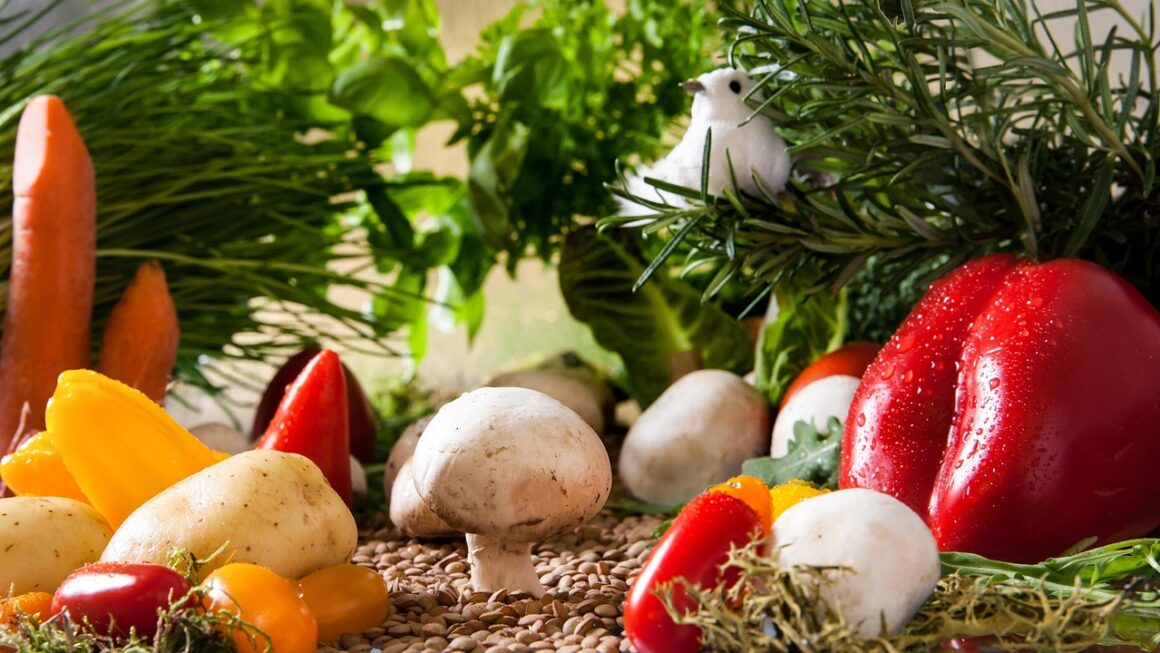
- Low-Carb Vegetables: These provide essential fiber, vitamins, and minerals without kicking you out of ketosis. Think leafy greens (spinach, kale, lettuce), cruciferous vegetables (broccoli, cauliflower, Brussels sprouts), zucchini, asparagus, bell peppers (in moderation), and green beans.
Why Dinner is Crucial for Ketosis
While all meals on a ketogenic diet play a role, dinner often has a significant impact on your body’s ability to maintain ketosis overnight and into the next day.
- Sustained Ketosis: A carb-heavy dinner can easily push you out of ketosis, reversing the metabolic progress made throughout the day. A proper keto dinner ensures continuity.
- Preventing Evening Cravings: A satisfying, fat and protein-rich dinner keeps you feeling full, reducing the likelihood of late-night snacking on non-keto foods.
- Optimizing Overnight Fat Burning: Providing your body with the right fuel before bed allows it to continue utilizing fat for energy while you sleep, which is excellent for weight management and metabolic health.
- Better Sleep: Many people report improved sleep quality on a ketogenic diet, which can be further supported by a balanced, blood-sugar-stabilizing dinner.
Mastering Keto Dinner Meal Prep
One of the biggest secrets to long-term keto success, especially with dinner, is effective meal preparation. Meal prepping eliminates guesswork, reduces stress, and significantly lowers the chances of reaching for convenient, carb-laden options when hunger strikes.
Batch Cooking Staples
Dedicate a small amount of time once or twice a week to prepare foundational components that can be mixed and matched into various keto dinners.
- Proteins:
- Cook a large batch of shredded chicken (slow cooker or Instant Pot).
- Brown several pounds of ground beef or turkey.
- Roast a whole chicken or a tray of chicken thighs.
- Hard-boil a dozen eggs.
- Low-Carb Vegetables:
- Roast a big tray of broccoli, cauliflower, Brussels sprouts, or asparagus.
- Wash and chop salad greens and other raw veggies like bell peppers, cucumbers, and radishes.
- Sauté a large quantity of spinach or kale.
- Healthy Fats & Sauces:
- Make your own keto-friendly salad dressings (e.g., vinaigrettes with olive oil).
- Whip up a batch of homemade guacamole or pesto.
- Prepare a simple cheese sauce or creamy herb sauce.
Smart Storage Solutions
Proper storage is key to keeping your prepped food fresh and safe to eat throughout the week.
- Airtight Containers: Invest in good quality glass or BPA-free plastic containers.
- Portioning: Divide larger batches into individual meal portions to make grabbing and reheating even easier.
- Freezing Options: Cooked proteins like shredded chicken, ground beef, or keto chili freeze beautifully for up to 2-3 months.
- Labeling: Always label containers with the date and contents to avoid waste.
Weekly Meal Planning Tips
Combine your batch-cooked items with fresh ingredients to create varied and exciting keto dinner options.
- Theme Nights: Assign themes like “Taco Tuesday” (keto taco bowls), “Fish Friday” (baked salmon with roasted veggies), or “Stir-fry Saturday” (chicken/beef stir-fry with cauliflower rice).
- Ingredient Repurposing: Plan meals that use the same core ingredients in different ways. For example, roasted chicken can be used in salads, wraps (lettuce or low-carb tortillas), or alongside roasted vegetables.
- Shopping List Creation: Once your meal plan is set, create a detailed shopping list to ensure you have all necessary ingredients and avoid impulse buys.
- Emergency Meals: Always have a few quick “emergency” keto dinner ideas or ingredients on hand, such as canned tuna, eggs, frozen low-carb vegetables, or cheese sticks, for those nights when plans go awry.
Delicious & Easy Keto Dinner Recipes for Any Night
The beauty of keto dinner is its versatility. You can enjoy rich, satisfying meals that cater to different cooking styles, time constraints, and flavor preferences. Here are some inspiring ideas to get you started.
Quick Weeknight Wonders (under 30 mins)
When time is of the essence, these recipes deliver big on flavor and keep you in ketosis.
- Sheet Pan Lemon Herb Salmon with Asparagus: Toss salmon fillets and asparagus spears with olive oil, lemon juice, garlic, and dried herbs. Bake at 400°F (200°C) for 12-15 minutes until salmon is flaky and asparagus is tender-crisp.
Actionable Takeaway: Sheet pan meals are incredibly efficient; use parchment paper for easy cleanup. - Zucchini Noodles with Pesto Chicken: Sauté pre-cooked chicken strips with zucchini noodles until tender. Stir in a generous dollop of sugar-free pesto. Top with cherry tomatoes (in moderation for lower carb count) and grated Parmesan cheese.
Actionable Takeaway: Zucchini noodles are a fantastic pasta substitute – buy them pre-spiralized for ultimate convenience. - Steak Salad with Avocado and Creamy Dressing: Quickly pan-sear a steak to your desired doneness. Slice it thinly and serve over a bed of mixed greens with sliced avocado, cucumber, and a creamy, full-fat keto dressing (e.g., ranch, blue cheese, or homemade vinaigrette).
Actionable Takeaway: Don’t underestimate the power of a fresh, hearty salad for dinner, especially with a protein boost.
Hearty Weekend Feasts
For those evenings when you have more time to cook and want to indulge in something truly special, without compromising your keto goals.
- Keto Chili with All the Toppings: Prepare a rich, meaty chili using ground beef, crushed tomatoes (check carb count, use sparingly), and plenty of spices. Serve with sour cream, shredded cheddar cheese, sliced jalapeños, and avocado.
Actionable Takeaway: Omit beans from your chili to keep it keto; focus on meat and non-starchy vegetables for bulk. - Roast Chicken with Cauliflower Mash and Garlic Green Beans: Roast a whole chicken or a selection of chicken pieces seasoned with herbs. Serve alongside creamy cauliflower mash (made with butter, cream cheese, and heavy cream) and fresh green beans sautéed with garlic.
Actionable Takeaway: Roasting is an excellent way to cook multiple components of your dinner with minimal effort. - Low-Carb Lasagna with Zucchini or Eggplant Layers: Replace traditional pasta sheets with thinly sliced zucchini or eggplant. Layer with a rich meat sauce, ricotta cheese, mozzarella, and Parmesan. Bake until bubbly and golden.
Actionable Takeaway: Creative vegetable swaps can transform carb-heavy classics into keto-friendly delights.
Vegetarian & Pescatarian Keto Options
Keto isn’t just for meat-eaters! There are abundant plant-based and fish-focused options for satisfying keto dinners.
- Halloumi and Roasted Vegetable Skewers: Thread cubes of halloumi cheese, bell peppers, zucchini, and cherry tomatoes onto skewers. Drizzle with olive oil and roast or grill until the halloumi is golden and vegetables are tender. Serve with a side of greens.
Actionable Takeaway: Halloumi is a fantastic high-protein, low-carb cheese that holds its shape beautifully when cooked. - Tofu Scramble with Spinach and Avocado: Crumble firm tofu and sauté with onions, garlic, spinach, and your favorite spices (e.g., turmeric for color). Serve with a generous portion of sliced avocado and a sprinkle of nutritional yeast for a cheesy flavor.
Actionable Takeaway: Tofu is a versatile protein source; press it well before cooking for best texture. - Baked Cod with Creamy Spinach and Artichoke Sauce: Bake cod fillets until flaky. Meanwhile, prepare a creamy sauce with cooked spinach, chopped artichoke hearts, cream cheese, heavy cream, and Parmesan. Spoon the sauce over the fish.
Actionable Takeaway: Fish cooks quickly and pairs well with rich, creamy keto sauces.
Common Keto Dinner Challenges and Solutions
Even with the best intentions, navigating keto dinners can present a few hurdles. Knowing how to anticipate and overcome these challenges will ensure your long-term success.
Avoiding “Hidden” Carbs
Carbohydrates can sneak into unexpected places, especially in convenience foods or when dining out. Vigilance is key.
- Sauces and Dressings: Many commercial sauces (BBQ, ketchup, teriyaki, some salad dressings) are loaded with sugar. Opt for homemade dressings, hot sauce, mustard, or sugar-free alternatives.
- Processed Meats: Cured meats like bacon or sausages can sometimes contain added sugars or fillers. Always check the ingredient list for “sugar,” “dextrose,” “corn syrup,” or other hidden carb sources.
- Vegetables: While most vegetables are keto-friendly, starchy root vegetables like potatoes, carrots (in large quantities), and corn are high in carbs. Stick to leafy greens and above-ground vegetables.
- Solution: Always read labels meticulously. If it’s a packaged food, assume it might have hidden carbs until you verify. When in doubt, stick to whole, unprocessed foods.
Battling Dinner Boredom
Eating the same few meals repeatedly can lead to “keto burnout.” Variety is essential for sustainability.
- Experiment with Spices: A simple change of seasoning can transform a dish. Explore different cuisines – Mexican (cumin, chili powder), Indian (curry, garam masala), Italian (oregano, basil).
- Try New Cooking Methods: Instead of always baking, try grilling, stir-frying, air frying, or slow cooking. Each method imparts a different texture and flavor profile.
- Rotate Proteins and Vegetables: Don’t just stick to chicken and broccoli. Incorporate lamb, duck, various types of fish, and a wider array of low-carb vegetables like Brussels sprouts, kale, and zucchini.
- Solution: Embrace experimentation! Look for new keto recipe blogs, cookbooks, or online communities for fresh inspiration. Dedicate one night a week to trying a new recipe.
Eating Out on Keto
Dining out doesn’t have to derail your keto progress, but it requires a strategic approach.
- Choose Wisely: Opt for restaurants that offer grilled meats, seafood, or large salads. Steakhouses, burger joints (no bun), and even some ethnic restaurants can be great choices.
- Ask for Substitutions: Don’t be afraid to customize your order. Ask for extra vegetables instead of fries, a side salad with oil and vinegar instead of a starchy side, or butter instead of rice.
- Be Specific: Clearly communicate your dietary needs. For example, “grilled chicken, no sauce, with steamed broccoli and extra butter, please.”
- Solution: Plan ahead. Look at menus online before you go to identify keto-friendly options. When in doubt, choose the simplest, least sauced protein and a side of plain non-starchy vegetables.
Elevating Your Keto Dinner Experience
Making your keto dinners not just compliant but truly enjoyable is key to making the ketogenic lifestyle sustainable and pleasurable. These tips will help you add zest and flair to your evening meals.
Flavor Boosters & Keto-Friendly Condiments
Don’t let your keto dinners be bland! There’s a world of flavor to explore.
- Herbs & Spices: Stock your pantry with a wide variety of fresh and dried herbs and spices. Garlic, onion powder, smoked paprika, cumin, oregano, basil, thyme, rosemary – the possibilities are endless.
- Hot Sauces: Most hot sauces are very low in carbs, but always check labels. They can add a fantastic kick to eggs, meats, and veggies.
- Sugar-Free Ketchup/BBQ Sauce: Several brands now offer sugar-free versions of these classic condiments.
- Full-Fat Dressings: Opt for full-fat ranch, blue cheese, or Caesar dressings, or make your own with olive oil and vinegar.
- Nutritional Yeast: A great addition for a cheesy, umami flavor in sauces, scrambled eggs, or sprinkled over roasted vegetables.
Incorporating Healthy Fats Creatively
Fats are your friend on keto, providing energy and enhancing flavor. Don’t limit them to cooking oils.
- Garnish with Avocado: Sliced or diced avocado adds creamy texture and healthy monounsaturated fats to almost any savory dish.
- Drizzle Olive Oil: A finishing drizzle of extra virgin olive oil over salads or cooked vegetables adds richness and a delightful aroma.
- Compound Butters: Mix softened butter with fresh herbs, garlic, or spices. Store in the fridge and melt a pat over grilled steak, chicken, or steamed vegetables.
- Full-Fat Dairy: Use heavy cream in sauces, cream cheese in dips, or full-fat sour cream as a topping.
The Role of Hydration and Electrolytes
While not strictly a “dinner” component, proper hydration and electrolyte balance are vital for overall keto success and can impact how you feel after your evening meal.
- Water Intake: Aim for at least 8-10 glasses of water daily. Dehydration can lead to fatigue, headaches, and increased cravings.
- Electrolyte Balance: The ketogenic diet can cause increased excretion of electrolytes (sodium, potassium, magnesium). Ensure you’re getting enough:
- Sodium: Use generous amounts of salt in your cooking and consider a pinch of sea salt in your water.
- Potassium: Found in avocados, spinach, mushrooms, and salmon.
- Magnesium: Rich sources include leafy greens, nuts, seeds, and sometimes supplementation may be beneficial.
- Solution: Hydrate consistently throughout the day. Consider adding a low-carb electrolyte supplement if you experience symptoms like muscle cramps, fatigue, or headaches, especially during the initial phases of keto.
Conclusion
Embracing keto dinner doesn’t mean sacrificing flavor, variety, or ease. By understanding the fundamental macronutrient balance, mastering simple meal prep techniques, exploring diverse recipes, and proactively addressing common challenges, you can transform your evening meals into a delicious, satisfying, and cornerstone part of your ketogenic lifestyle. From quick weeknight fixes to elaborate weekend feasts, the world of keto dinner is rich with possibilities. So, bid farewell to dinner dilemmas and hello to a nightly celebration of healthy fats, robust proteins, and vibrant low-carb vegetables. Start planning your delicious keto dinners tonight and experience the profound impact they can have on your energy, well-being, and overall health goals!