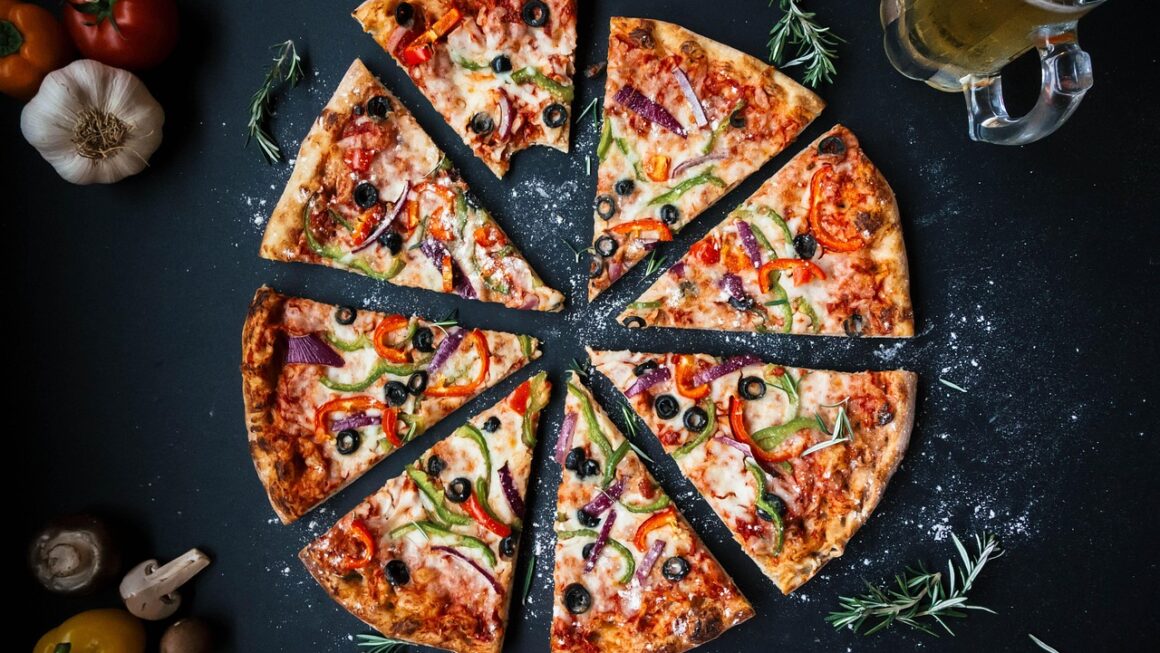
Craving a slice of cheesy, savory pizza but sticking to your keto lifestyle? The good news is, you absolutely can! Gone are the days of feeling deprived when everyone else is enjoying a piping hot pie. Thanks to innovative low-carb solutions, a delicious, satisfying keto pizza is not just a dream, but a mouth-watering reality. This comprehensive guide will walk you through crafting the perfect keto pizza crust recipe, ensuring your next pizza night is both guilt-free and incredibly flavorful.
Why Choose a Keto Pizza Crust?
Embracing a ketogenic diet doesn’t mean sacrificing your favorite foods; it means intelligently adapting them. A keto pizza crust offers all the satisfaction without the carb overload, making it a cornerstone of successful low-carb living.
The Low-Carb Advantage
Traditional pizza crusts are typically made from refined wheat flour, which is high in carbohydrates and can quickly spike blood sugar levels, knocking you out of ketosis. A standard slice of conventional pizza can contain upwards of 30-40 grams of net carbs! In contrast, a well-made keto pizza crust dramatically slashes this count, often bringing it down to just 2-5 grams per serving.
- Supports Ketosis: By keeping carb intake low, a keto crust helps your body remain in a fat-burning state, crucial for weight management and energy.
- Stabilizes Blood Sugar: Avoiding high-carb flours prevents the rapid blood sugar spikes and crashes associated with conventional pizza, leading to sustained energy and reduced cravings.
- Promotes Satiety: Ingredients often used in keto crusts, like almond flour and cheese, are rich in healthy fats and protein, keeping you feeling fuller for longer.
This means you can enjoy a hearty meal without the post-pizza sluggishness or the guilt of derailing your diet goals.
Health Benefits Beyond Keto
The advantages of a low-carb pizza crust extend far beyond just maintaining ketosis. Many keto crust recipes naturally offer additional health benefits.
- Naturally Gluten-Free: Most keto crusts use almond flour, coconut flour, or a cheese base, making them an excellent choice for individuals with gluten sensitivities or celiac disease.
- Reduced Inflammation: By cutting out refined grains, you may experience reduced inflammation throughout the body, contributing to overall better health.
- Nutrient-Dense Ingredients: Ingredients like almond flour provide healthy fats, fiber, and vitamin E, while mozzarella cheese offers calcium and protein.
Choosing a keto pizza crust is not just a dietary compromise; it’s an upgrade to a healthier, more nutrient-rich alternative.
Popular Keto Pizza Crust Varieties
The world of keto pizza crusts is diverse, offering several fantastic options to suit different preferences and culinary skills. Let’s explore the most popular types.
The “Fathead” Dough Phenomenon
The undisputed champion of keto pizza crusts is undoubtedly “Fathead” dough. Named after the documentary “Fathead” that popularized low-carb eating, this dough is a game-changer for its incredible texture and versatility.
What is Fathead Dough? It’s a simple combination of shredded mozzarella cheese, cream cheese, an egg, and a low-carb flour (typically almond flour). When melted and mixed, these ingredients create a pliable, bread-like dough that crisps up beautifully in the oven.
- Chewy and Crispy: It bakes up with a fantastic chewiness reminiscent of traditional pizza dough, with edges that can achieve a perfect crisp.
- Easy to Work With: Once you get the hang of it, Fathead dough is surprisingly easy to spread and shape, making it ideal for both beginners and experienced keto cooks.
- Rich Flavor Profile: The cheese base imparts a rich, savory flavor that complements a wide range of pizza toppings.
It’s the ultimate solution for anyone missing a substantial, satisfying pizza base.
Almond Flour & Coconut Flour Bases
While Fathead dough often uses almond flour, some recipes focus purely on low-carb flours as the primary base, similar to traditional dough but without the carbs.
- Almond Flour Crusts: These typically combine almond flour with eggs, a leavening agent (like baking powder), and sometimes a bit of psyllium husk for elasticity. They tend to be a bit more delicate but offer a neutral flavor.
- Coconut Flour Crusts: Coconut flour is highly absorbent, so these crusts use less flour but require more liquid. They can have a slightly distinct, subtle coconut flavor and tend to be denser.
Both almond and coconut flour bases are excellent alternatives, especially if you want a lighter crust or prefer to avoid the strong cheese flavor of Fathead dough.
Veggie-Based Crusts (Cauliflower)
Although our focus is primarily on Fathead dough, it’s worth mentioning cauliflower crusts as another popular low-carb pizza option. Made from riced cauliflower, eggs, and cheese, these crusts are incredibly low in carbs and calories, offering a lighter, nutrient-packed base.
- Very Low Carb: Often even lower in carbs than Fathead dough, making it a super-light option.
- Nutrient-Rich: Packed with vitamins and fiber from the cauliflower.
Cauliflower crusts can be a delicious choice for those looking for an even lighter pizza, though they can sometimes be more prone to sogginess if not prepared correctly.
The Ultimate Keto Fathead Pizza Crust Recipe (Step-by-Step)
Let’s dive into making the star of the show: a perfect keto Fathead pizza crust. This recipe is designed for ease and maximum flavor, yielding a wonderfully chewy and crispy base.
Ingredients You’ll Need
For one medium (10-12 inch) pizza crust, gather these simple ingredients:
- 1 ¾ cups (about 7 oz or 200g) Shredded Mozzarella Cheese: Low-moisture, part-skim works best.
- 2 tablespoons Cream Cheese: Full-fat, unsweetened.
- 1 large Egg: Room temperature helps.
- ¾ cup (about 85g) Almond Flour: Super-fine blanched almond flour is preferred for best texture.
- ½ teaspoon Garlic Powder (optional): For extra flavor in the crust.
- ½ teaspoon Italian Seasoning (optional): Enhances the savory profile.
- Pinch of Salt (optional)
Actionable Takeaway: Quality ingredients make a difference. Opt for fresh, low-moisture mozzarella and super-fine almond flour for the best results.
Step-by-Step Instructions
- Preheat Oven & Prep: Preheat your oven to 400°F (200°C). Line a baking sheet with parchment paper. This is crucial for preventing sticking and easy removal.
- Melt Cheeses: In a microwave-safe bowl, combine the shredded mozzarella and cream cheese. Microwave on high for 60-90 seconds, stirring halfway through, until the cheeses are fully melted and can be stirred together smoothly. Alternatively, you can melt them in a double boiler or a non-stick pan over low heat.
- Combine Wet Ingredients: Add the beaten egg to the melted cheese mixture and stir vigorously until fully incorporated. It might look a little lumpy at first, but keep mixing until it’s smooth.
- Add Dry Ingredients: Stir in the almond flour, garlic powder, Italian seasoning, and salt (if using). Mix until a cohesive dough forms. If it’s too sticky, you can knead it lightly with your hands.
- Shape the Crust: Place the dough between two sheets of parchment paper. Roll it out evenly with a rolling pin to your desired thickness (about ¼ inch for a standard crust, thinner for crispy). Alternatively, you can press it out directly on the prepared baking sheet with your hands, wetting them slightly if the dough sticks. Aim for a round or rectangular shape.
- Pre-Bake the Crust: Remove the top layer of parchment paper. Prick the crust several times with a fork to prevent bubbling. Bake for 8-12 minutes, or until the edges are lightly golden and the crust is firm. This step is crucial for a non-soggy crust.
- Add Toppings & Final Bake: Remove the pre-baked crust from the oven. Add your desired keto-friendly toppings and return to the oven for another 8-15 minutes, or until the cheese is melted and bubbly, and the crust is golden brown and crispy to your liking.
Actionable Takeaway: Don’t skip the pre-bake! It’s the secret to a sturdy, non-soggy keto pizza crust that can hold up to all your favorite toppings.
Essential Tips for Success
Mastering your keto pizza crust involves a few key tricks:
- Parchment Paper is Your Best Friend: Seriously, use it! It prevents sticking and makes transferring the dough much easier.
- Don’t Over-Process: Once the cheese is melted and ingredients are combined, avoid over-kneading the dough, which can make it tough.
- Even Thickness: Ensure your dough is rolled out to an even thickness for uniform baking and crispness. Thicker crusts will be chewier; thinner crusts will be crispier.
- Adjust Baking Time: Ovens vary! Keep an eye on your crust during pre-baking and final baking. If it starts to brown too quickly, reduce the temperature slightly.
- Moisture Control: If your dough feels too wet, add a tiny bit more almond flour. If it’s too dry, a tiny bit more melted cream cheese can help.
Actionable Takeaway: Experiment with thickness and baking times to find your ideal crust texture – whether you prefer it chewy or extra crispy.
Elevating Your Keto Pizza Experience
A great crust is just the beginning! The right toppings and creative twists can transform your keto pizza into an unforgettable meal.
Topping Ideas for a Low-Carb Feast
The beauty of pizza lies in its versatility. Focus on fresh, whole ingredients to keep your toppings keto-friendly and delicious.
- Sauces: Opt for low-sugar marinara sauce (check labels for added sugars), pesto, Alfredo sauce, or even a simple olive oil and garlic base.
- Cheeses: Beyond mozzarella, try provolone, parmesan, goat cheese, ricotta, or sharp cheddar for diverse flavors.
- Meats: Pepperoni, crumbled sausage (pork, beef, or chicken), cooked bacon bits, shredded chicken, thinly sliced steak, or prosciutto.
- Veggies: Sautéed mushrooms, bell peppers (in moderation), onions (in moderation), spinach, kale, black olives, artichoke hearts, jalapeños, or fresh basil after baking.
Practical Example: Try a “Meat Lover’s Keto Pizza” with a sugar-free marinara base, mozzarella, pepperoni, crumbled Italian sausage, and bacon. Or a “White Keto Pizza” with an Alfredo base, grilled chicken, spinach, and a blend of mozzarella and provolone.
Customization and Flavor Variations
Don’t be afraid to get creative with your homemade keto pizza!
- Herbs in the Dough: Mix dried oregano, basil, or rosemary into the Fathead dough for an aromatic crust.
- Garlic & Onion Powder: Boost the savory notes of the crust itself by adding a bit more garlic powder or onion powder to the dough mixture.
- Deep Dish vs. Thin Crust: For a deep dish, press the dough higher up the sides of a greased pie dish. For a super-thin and crispy crust, roll it out as thin as possible and extend baking time slightly.
- Calzone/Stromboli: Use the Fathead dough to create keto-friendly calzones or strombolis by folding the dough over your favorite fillings.
Actionable Takeaway: Experiment with different flavor combinations in both your crust and toppings to discover your ultimate keto pizza masterpiece.
Troubleshooting Common Keto Pizza Crust Issues
Even seasoned keto chefs encounter challenges. Here’s how to tackle common problems with your keto pizza crust.
Why is my crust too soft or soggy?
Soggy crust is a common frustration, but it’s usually easy to fix.
- Insufficient Pre-Baking: The most common culprit. Make sure your crust is firm and lightly golden before adding toppings.
- Too Many Wet Toppings: Overloading with watery vegetables (like fresh tomatoes or mushrooms) can release moisture. Sautéing high-water veggies beforehand can help.
- Crust Not Thin Enough: Thicker crusts retain more moisture. Roll it thinner for a crispier result.
- Oven Temperature Too Low: Ensure your oven is fully preheated and at the correct temperature for proper baking.
Actionable Takeaway: Always pre-bake until the crust is sturdy, and consider patting dry or pre-cooking wet toppings to minimize moisture.
Dealing with a Crumbly or Stiff Dough
If your dough isn’t pliable or tears easily, here are some potential reasons:
- Cheese Cooled Too Much: If the melted cheese mixture cools too much before you add the egg and flour, it becomes stiff and hard to work with. Re-warm it gently in the microwave for 10-15 seconds.
- Not Enough Liquid/Fat: Ensure you’re using the correct amount of cream cheese and egg. These contribute to the dough’s elasticity.
- Too Much Almond Flour: While precise, adding too much almond flour can dry out the dough. Stick to the recipe’s measurements.
- Over-Baking the Pre-Bake: Baking the crust for too long in the initial phase can make it dry and prone to crumbling when you try to add toppings.
Actionable Takeaway: Work quickly with the warm cheese, and ensure your ingredient measurements are accurate for a pliable dough.
Storage and Reheating Tips
Enjoying leftovers is part of the pizza experience!
- Storing Leftovers: Store leftover keto pizza in an airtight container in the refrigerator for up to 3-4 days.
- Reheating for Crispness:
- Oven/Toaster Oven: The best method! Place slices directly on a rack or baking sheet at 350°F (175°C) for 5-10 minutes, or until cheese is re-melted and crust is crispy.
- Air Fryer: Excellent for single slices! Air fry at 350°F (175°C) for 3-5 minutes.
- Skillet: Heat a non-stick skillet over medium-low heat, place pizza slice in, cover, and cook for 5-7 minutes until cheese is bubbly and crust is crispy.
Actionable Takeaway: Avoid the microwave for reheating, as it tends to make the crust soggy. Opt for methods that re-crisp the base.
Conclusion
Embracing a ketogenic lifestyle doesn’t mean giving up on the joys of pizza. With a perfectly crafted keto pizza crust recipe, particularly the versatile and delicious Fathead dough, you can indulge in a low-carb, gluten-free, and incredibly satisfying meal. By following our detailed guide, you’ll be able to create a crispy, chewy, and flavorful base that perfectly complements your favorite keto-friendly toppings.
So, preheat your oven, gather your ingredients, and get ready to transform your pizza night. This homemade keto pizza isn’t just a healthier alternative; it’s a testament to how delicious and rewarding a well-planned keto diet can be. Enjoy your slice of pure, guilt-free happiness!