Embarking on a ketogenic diet often comes with the challenging notion that all fruits are off-limits due to their sugar content. For many, fruit is a delicious and essential part of a healthy diet, and the idea of completely eliminating it can feel restrictive and daunting. However, the truth is far more nuanced. While high-sugar fruits like bananas and mangoes are indeed best avoided on keto, a surprising array of delightful and nutritious fruits can absolutely be enjoyed in moderation, fitting perfectly within your daily carb limits. Discovering these low-carb gems can add much-needed variety, essential nutrients, and a touch of sweetness back into your ketogenic lifestyle without derailing your progress.
Understanding “Keto Fruit” and Net Carbs
Navigating the world of fruit on a ketogenic diet requires a fundamental understanding of how carbs are counted, specifically focusing on “net carbs.” Not all carbohydrates impact your blood sugar in the same way, and fiber plays a crucial role in distinguishing keto-friendly options.
What Are Net Carbs?
The ketogenic diet emphasizes very low carbohydrate intake, typically around 20-50 grams of net carbs per day, to induce a state of ketosis. Net carbs are calculated by subtracting the fiber content from the total carbohydrates in a food. Since fiber is a type of carbohydrate that your body cannot digest or absorb for energy, it doesn’t raise blood sugar levels and therefore doesn’t count towards your daily carb limit in the same way digestible carbs do.
- Formula: Net Carbs = Total Carbs – Fiber
- Why it matters: This calculation is critical for identifying low-carb fruit options that might otherwise appear too high in total carbs.
Why Traditional Fruits Are Often Excluded
Many popular fruits, while healthy, are naturally high in sugar (fructose and glucose) and thus high in net carbs. Consuming these can quickly push you over your daily carb limit, knocking you out of ketosis. For example:
- Bananas: Approximately 24g net carbs per medium fruit.
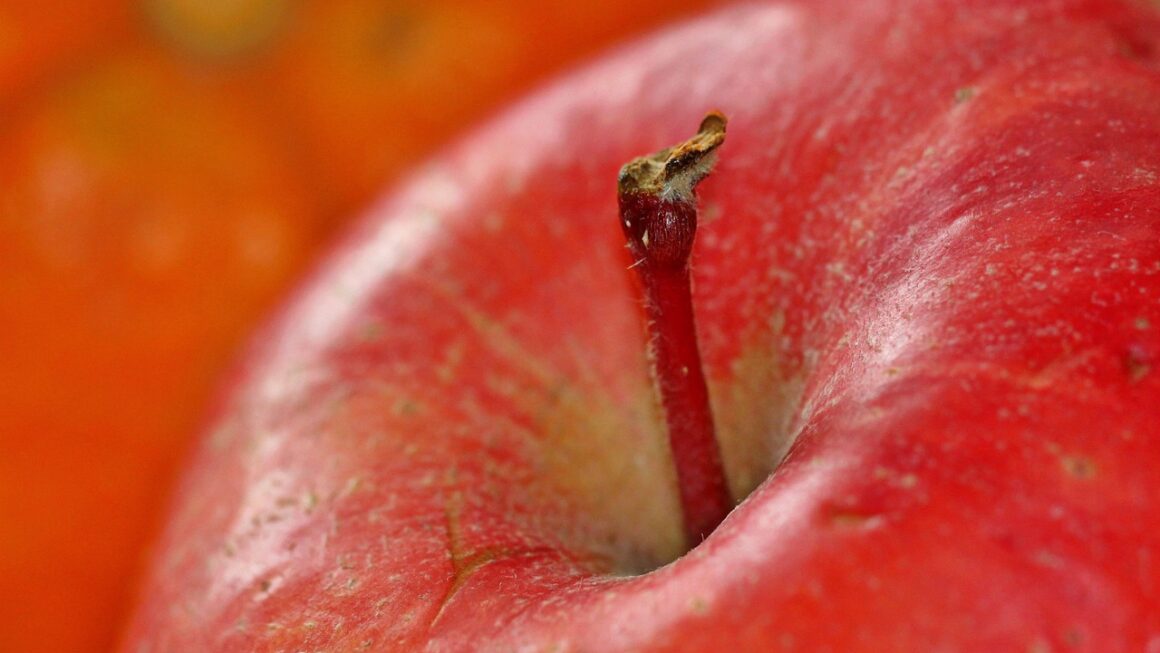
- Apples: Around 19g net carbs per medium fruit.
- Oranges: Roughly 12g net carbs per medium fruit.
The goal is to select fruits with a high fiber-to-sugar ratio, ensuring you get the nutritional benefits without the carb overload.
Actionable Takeaway: Always check the nutritional information for total carbs and fiber when considering fruit. Prioritize fruits where the fiber content significantly reduces the net carb count, making them suitable for your ketogenic diet.
The Best Berries for a Ketogenic Diet
When it comes to keto fruit, berries are often the first category that comes to mind, and for good reason! They are generally lower in sugar and higher in fiber compared to most other fruits, making them excellent choices in moderation.
Raspberries: A Keto Champion
Raspberries are among the most keto-friendly berries, boasting an impressive fiber content. They offer a tart sweetness that can satisfy cravings without excessive carbs.
- Nutritional Snapshot (per 100g or about 3/4 cup):
- Total Carbs: ~12g
- Fiber: ~7g
- Net Carbs: ~5g
- Practical Tips:
- Enjoy them fresh as a snack.
- Add to keto smoothies with avocado and unsweetened almond milk.
- Top your low-carb yogurt or chia pudding.
Blackberries: Another Great Choice
Similar to raspberries, blackberries are also a fantastic option due to their lower net carb count and rich antioxidant profile.
- Nutritional Snapshot (per 100g or about 3/4 cup):
- Total Carbs: ~10g
- Fiber: ~5g
- Net Carbs: ~5g
- Practical Tips:
- Pair with heavy whipping cream for a simple, decadent dessert.
- Freeze them for a refreshing treat or to use in cold beverages.
Strawberries and Blueberries: Enjoy with Caution
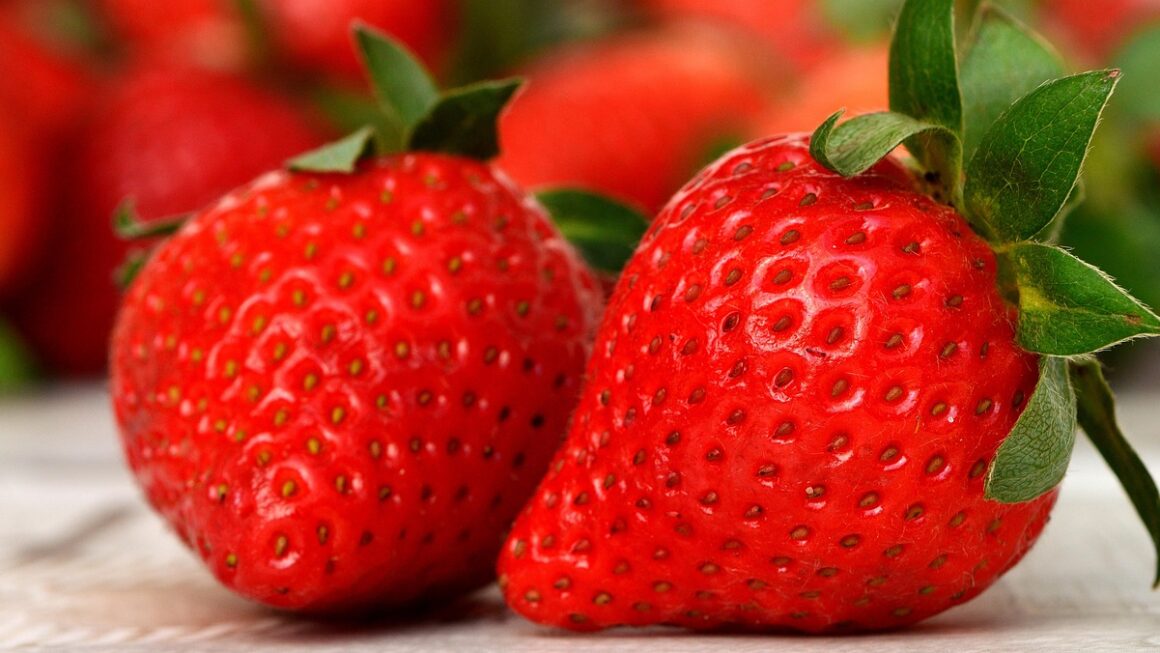
While still keto-friendly, strawberries and especially blueberries require a bit more attention to portion sizes as their net carb counts are slightly higher.
- Strawberries (per 100g or about 7 medium berries): ~6g net carbs.
- Tip: Sliced strawberries are great in salads or with sugar-free chocolate dip.
- Blueberries (per 100g or about 2/3 cup): ~12g net carbs.
- Tip: Due to their higher sugar content, blueberries should be consumed in very small quantities, perhaps a small handful (1/4 cup) occasionally.
Actionable Takeaway: Berries are your go-to for fruit on keto. Always measure your portions, especially for blueberries and strawberries, to ensure you stay within your daily carbohydrate limits. Opt for fresh whenever possible, but unsweetened frozen berries are also an excellent choice.
Unexpected Keto-Friendly Fruits (Yes, They Exist!)
Beyond berries, there’s a fascinating group of fruits that often get overlooked or mistaken for vegetables, but are incredibly valuable additions to a ketogenic diet due to their unique nutritional profiles and low net carb counts.
Avocado: The Ultimate Keto Fruit
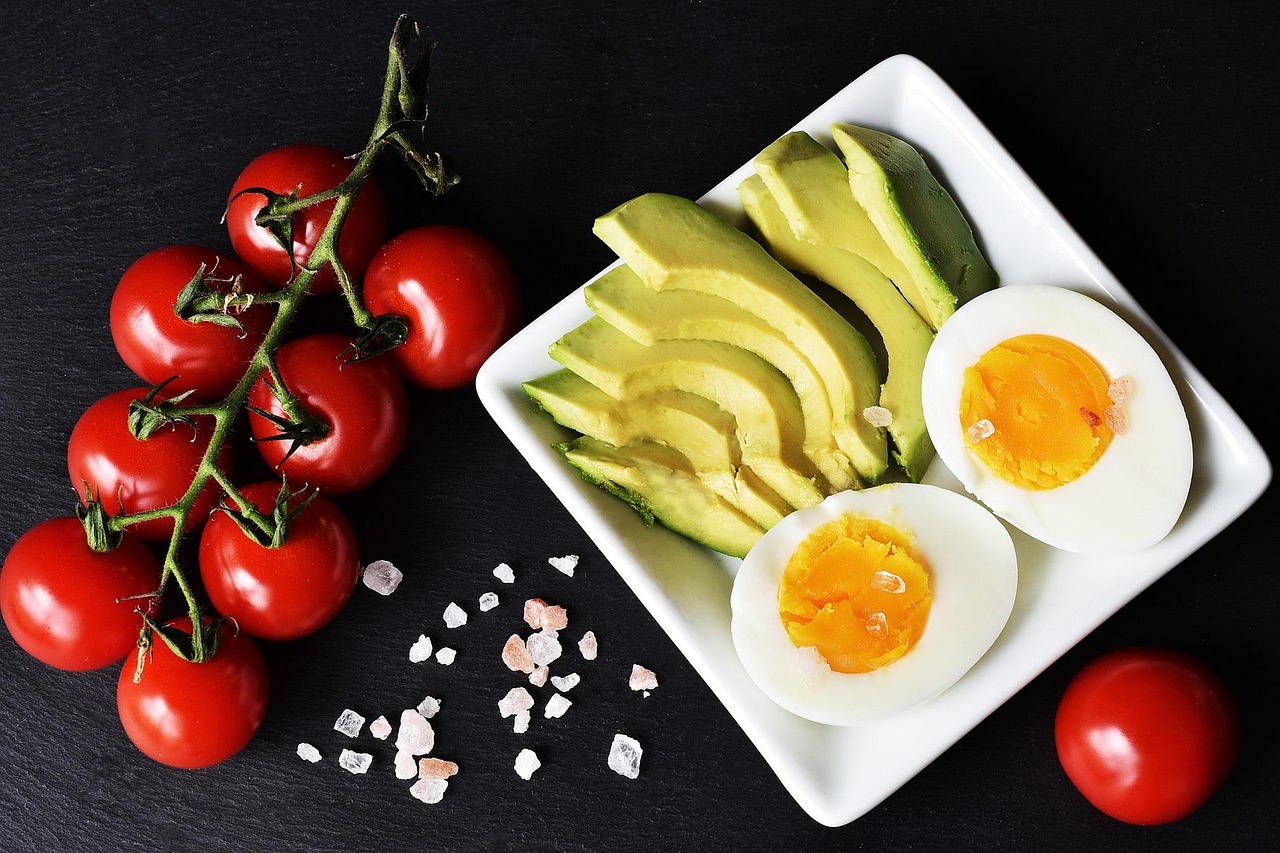
Avocado is perhaps the most celebrated “keto fruit” for a reason. It’s incredibly rich in healthy monounsaturated fats, low in net carbs, and packed with vitamins and minerals like potassium. It’s a powerhouse for satiety and nutrient density.
- Nutritional Snapshot (per 100g, about half a medium avocado):
- Total Carbs: ~9g
- Fiber: ~7g
- Net Carbs: ~2g
- Healthy Fats: ~15g
- Practical Uses:
- Guacamole (classic keto dip!).
- Sliced in salads or atop keto breakfasts.
- Blended into smoothies for creaminess and healthy fats.
- Used as a base for keto chocolate mousse.
Tomatoes: A Versatile Low-Carb Option
Botanically a fruit, tomatoes are a staple in many cuisines and can be enjoyed on a ketogenic diet in moderation. They add a fresh, slightly acidic flavor that can brighten many dishes.
- Nutritional Snapshot (per 100g, about 1 medium tomato):
- Total Carbs: ~4g
- Fiber: ~1g
- Net Carbs: ~3g
- Practical Uses:
- Cherry tomatoes in salads.
- Sliced tomatoes in lettuce wraps or alongside eggs.
- Small amounts of sugar-free tomato sauce or paste for cooking.
Lemons and Limes: Flavor Enhancers
While you wouldn’t typically eat a whole lemon or lime, their juice and zest are invaluable for adding vibrant flavor to both sweet and savory keto dishes without adding significant carbs.
- Nutritional Snapshot (per 100g juice):
- Lemon: ~3g net carbs
- Lime: ~3g net carbs
- Practical Uses:
- Squeeze into water for a refreshing, hydrating drink.
- Use in marinades for meats and fish.
- Add zest to keto desserts or baked goods.
- A dash in salad dressings.
Olives: Savory and Fatty Fruit
Often considered a vegetable or a condiment, olives are technically a fruit and a fantastic source of healthy fats, antioxidants, and a savory kick for your ketogenic meal plan.
- Nutritional Snapshot (per 100g, ~20 medium olives):
- Total Carbs: ~6g
- Fiber: ~3g
- Net Carbs: ~3g
- Healthy Fats: ~11g
- Practical Uses:
- Snack on them directly.
- Add to salads, pizzas, or charcuterie boards.
- Chop and mix into egg dishes or tuna salad.
Actionable Takeaway: Don’t limit your keto fruit list to just berries. Explore avocado, tomatoes, citrus, and olives to add diverse flavors, textures, and essential nutrients to your diet. These unexpected heroes can significantly enhance your culinary experience on keto.
Portion Control and Smart Consumption Strategies
Even with keto-friendly fruits, moderation is key. Overconsumption of any fruit, regardless of its low net carb count, can still lead to exceeding your daily carbohydrate limit and potentially kicking you out of ketosis. Smart strategies ensure you reap the benefits without the carb overload.
The Importance of Measurement and Tracking
Eyeballing portions can be deceptive. What seems like a small handful of berries might actually contain more carbs than you realize. Consistency in tracking your intake is vital.
- Use a food scale: Weighing your fruit is the most accurate way to determine its carbohydrate content.
- Utilize carb-tracking apps: Apps like MyFitnessPal or Cronometer can help you log your food and calculate net carbs effortlessly.
- Know your limits: If your daily net carb goal is 20g, a small serving of berries might take up 25% of that allowance. Plan accordingly.
Example: If you consume 1/2 cup of raspberries (approx. 3.5g net carbs) and 1/4 of an avocado (approx. 1g net carb), you’ve used 4.5g of your daily carb budget on fruit, leaving plenty for vegetables and other foods.
Combining Fruit with Healthy Fats
Pairing keto fruit with sources of healthy fats can be a brilliant strategy. Fats slow down digestion and the absorption of sugars, leading to a more stable blood sugar response.
- Berries with heavy cream or mascarpone: A classic keto dessert that balances the fruit’s natural sugars.
- Avocado with olive oil: A simple yet powerful combination for salads or as a snack.
- Fruit in smoothies with MCT oil: Adds healthy fats and supports ketone production.
When to Enjoy Your Keto Fruit
Timing can also play a role in how you integrate fruit into your keto diet.
- As a refreshing snack: A small bowl of raspberries can be a perfect mid-afternoon pick-me-up.
- As a flavor enhancer: Lemon or lime juice can elevate any meal without adding significant carbs.
- As a dessert: Berries with a dollop of unsweetened whipped cream or a sprinkle of keto sweetener can satisfy sweet cravings.
Actionable Takeaway: Treat keto fruit as a precious commodity in your diet. Measure meticulously, track diligently, and strategically combine them with healthy fats to optimize their impact on your blood sugar and satiety levels. This mindful approach allows you to enjoy fruit without compromising ketosis.
Health Benefits of Including Keto Fruit
While the primary concern on a ketogenic diet is carb restriction, the benefits of including low-carb fruit extend far beyond merely fitting into your macros. These fruits are nutritional powerhouses that can significantly contribute to your overall health and well-being.
Rich in Essential Vitamins and Minerals
Even in small portions, keto fruit delivers a diverse range of micronutrients that are crucial for various bodily functions.
- Vitamin C: Berries, lemons, and limes are excellent sources, supporting immune function and skin health.
- Potassium: Avocados and tomatoes are rich in this electrolyte, vital for blood pressure regulation and nerve function, which is particularly important on keto where electrolyte balance can be challenging.
- Vitamin K: Found in berries and avocados, important for blood clotting and bone health.
- Folate: Present in avocados, crucial for cell growth and metabolism.
Abundant in Fiber for Digestive Health
Fiber is a hero nutrient on keto, especially when sourced from keto fruit. It aids in digestion, promotes gut health, and helps prevent common keto side effects like constipation.
- Soluble Fiber: Found in berries and avocados, can help stabilize blood sugar and lower cholesterol.
- Insoluble Fiber: Also present in these fruits, adds bulk to stool, promoting regularity.
- Gut Health: Fiber acts as a prebiotic, feeding beneficial gut bacteria, which is linked to improved mood, immunity, and overall health.
Antioxidant Powerhouses
Many low-carb fruits are packed with antioxidants, compounds that help protect your cells from damage caused by free radicals, potentially reducing the risk of chronic diseases.
- Anthocyanins: Give berries their vibrant colors and are potent antioxidants linked to heart health and cognitive function.
- Lycopene: Found in tomatoes, a powerful antioxidant associated with prostate health and UV protection.
- Polyphenols: Abundant in olives and berries, contributing to anti-inflammatory effects.
Adds Variety and Satisfaction to Your Diet
Let’s not underestimate the psychological benefits. Being able to enjoy a sweet, refreshing bite of fruit can prevent feelings of deprivation, making the ketogenic diet more sustainable and enjoyable in the long run. The diverse flavors and textures keep your meals exciting and satisfying.
Actionable Takeaway: Incorporating keto-friendly fruit into your diet isn’t just about managing carbs; it’s about enriching your body with vital nutrients, fiber, and antioxidants, while also enhancing your dietary satisfaction. Embrace these healthful additions for a more robust and enjoyable ketogenic lifestyle.
Conclusion
The notion that fruit is entirely off-limits on a ketogenic diet is a common misconception that can deter many from trying or sticking with this effective eating plan. As we’ve explored, a carefully selected range of keto fruit not only fits within your daily carb limits but also brings a wealth of nutritional benefits, vital fiber, and delicious variety to your plate. From the antioxidant-rich burst of raspberries and blackberries to the healthy fats of avocado, and the zesty tang of lemons, there are ample opportunities to enjoy the goodness of nature while maintaining ketosis.
By focusing on net carbs, practicing diligent portion control, and pairing fruits with healthy fats, you can confidently integrate these low-carb gems into your lifestyle. Remember to listen to your body, track your macros, and most importantly, enjoy the journey of discovering how versatile and satisfying a ketogenic diet can truly be with the right choices. Embrace these keto-friendly fruits as your allies in pursuing a healthier, more vibrant you.