Embarking on the ketogenic diet is an exciting journey toward improved health, increased energy, and often, significant weight loss. But let’s be honest: standing in the grocery aisle, deciphering which foods are truly “keto-approved” and which are carb traps can feel like navigating a maze. The secret to keto success isn’t just willpower; it’s proper preparation, starting with a comprehensive and strategic keto grocery list. This guide will transform your shopping trips, making them efficient, enjoyable, and most importantly, effective for maintaining ketosis. Get ready to stock your kitchen with delicious, nourishing foods that will keep you fueled and satisfied on your low-carb lifestyle.
The Foundation: Proteins for Keto Success
Protein is a cornerstone of the ketogenic diet, vital for muscle maintenance, satiety, and numerous bodily functions. While keto emphasizes healthy fats, adequate protein intake ensures you don’t lose muscle mass and stay full between meals. Aim for moderate protein intake, roughly 20-30% of your daily calories, to avoid converting excess protein into glucose (gluconeogenesis), which can kick you out of ketosis.
Meat & Poultry
These are your primary sources of high-quality protein and often come with beneficial fats. Prioritize grass-fed or pasture-raised options when possible for higher nutritional value, including better omega-3 to omega-6 ratios.
- Beef: Steaks (ribeye, sirloin, flank), ground beef (80/20 or 85/15 for higher fat content), roasts, beef jerky (sugar-free).
- Pork: Pork chops, pork belly, bacon (sugar-free and nitrate-free if preferred), ham (check for added sugars).
- Chicken & Turkey: Thighs, drumsticks, wings (skin-on for fat), ground chicken/turkey, whole roasted chicken. Breast meat is lower in fat, so pair it with healthy fats.
- Other Meats: Lamb, duck, venison, and other game meats are excellent choices.
Actionable Takeaway: Stock up on fattier cuts of meat and poultry to easily hit your fat macros. Always check labels for hidden sugars or carby marinades.
Fish & Seafood
Rich in protein and often packed with essential omega-3 fatty acids, fish and seafood are excellent additions to any keto grocery list. Omega-3s are crucial for brain health and reducing inflammation.
- Fatty Fish: Salmon (wild-caught is best), mackerel, sardines, anchovies, herring.
- Leaner Fish: Cod, tilapia, haddock, tuna (in oil or water, check for added ingredients).
- Shellfish: Shrimp, crab, lobster, scallops (enjoy in moderation as some shellfish have slightly higher carb counts).
Actionable Takeaway: Aim for at least 2-3 servings of fatty fish per week to boost your omega-3 intake. Canned sardines or salmon are convenient, budget-friendly options.
Eggs
The incredible, edible, and endlessly versatile egg is a keto staple. They are a perfect source of complete protein and healthy fats, especially if you opt for pasture-raised eggs, which tend to have richer yolks and more nutrients.
- Whole Eggs: Ideal for breakfast, lunch, or a quick snack.
Actionable Takeaway: Always have a carton (or two!) of eggs on hand. They’re quick to prepare, affordable, and incredibly nutrient-dense.
Embrace the Fats: Your Keto Fuel Source
On a ketogenic diet, fat is your primary energy source, making up 70-80% of your daily caloric intake. Don’t shy away from healthy fats; they are essential for satiety, hormone production, and overall health. Choosing the right types of fats is paramount for keto success.
Healthy Oils & Cooking Fats
These oils are perfect for cooking, dressings, and adding extra fat to your meals.
- Olive Oil: Extra virgin for dressings and low-heat cooking.
- Avocado Oil: High smoke point, neutral flavor, great for all types of cooking.
- Coconut Oil: Contains medium-chain triglycerides (MCTs), which can directly fuel ketosis. Great for baking and some cooking.
- Butter & Ghee: Grass-fed butter or ghee adds rich flavor and healthy fats.
- MCT Oil: A supplement derived from coconut oil, offering a concentrated source of MCTs for energy and ketosis support.
Actionable Takeaway: Replace vegetable oils (like canola, soybean, corn oil) with these healthier alternatives. Keep a variety on hand for different uses.
Avocados
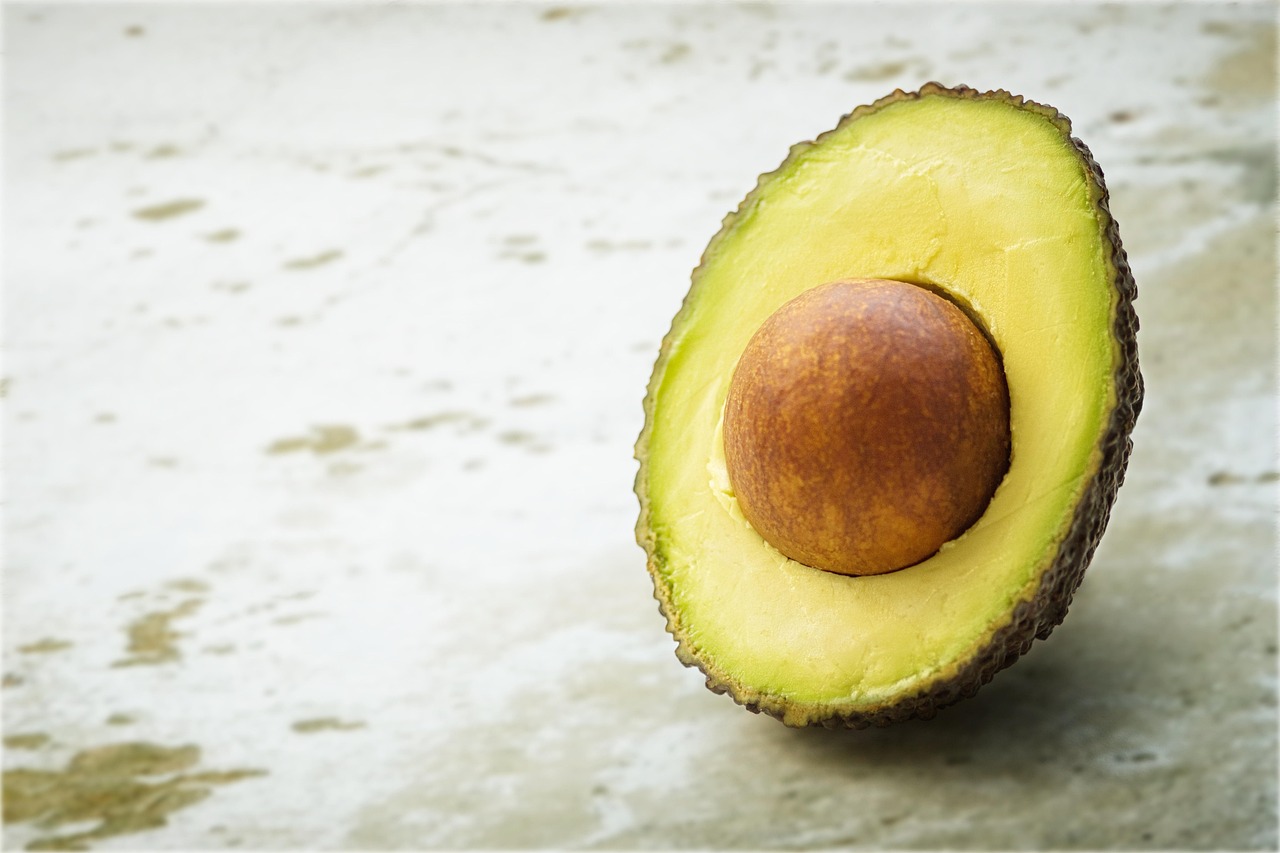
Often called nature’s butter, avocados are a keto superfood. They’re packed with healthy monounsaturated fats, fiber, potassium, and other vital nutrients, making them incredibly satisfying and beneficial.
- Fresh Avocados: Enjoy sliced, mashed, in salads, or as guacamole.
Actionable Takeaway: Incorporate at least half an avocado into your daily meals. They’re excellent for boosting fat intake and adding creamy texture.
Nuts & Seeds (in Moderation)
While generally low-carb, nuts and seeds do contain some carbohydrates and can be easy to overeat. Enjoy them in moderation, paying close attention to portion sizes.
- Low-Carb Nuts: Almonds, macadamia nuts, pecans, walnuts, Brazil nuts.
- Keto-Friendly Seeds: Chia seeds, flax seeds, hemp seeds, pumpkin seeds, sunflower seeds.
Actionable Takeaway: Use nuts and seeds as toppings for salads, smoothies, or as an occasional snack. Measure your portions carefully to avoid excess carbs.
Green Power: Low-Carb Vegetables & Leafy Greens
Don’t fall into the trap of thinking keto means no vegetables! Non-starchy vegetables are essential for their fiber, vitamins, minerals, and antioxidants. They add volume and freshness to your meals without significantly impacting your carb count.
Above-Ground Vegetables
These vibrant veggies are your best friends on keto. They are low in net carbs and packed with nutrients.
- Leafy Greens: Spinach, kale, romaine lettuce, butter lettuce, arugula, collard greens, Swiss chard.
- Cruciferous Vegetables: Broccoli, cauliflower, Brussels sprouts, cabbage. (Cauliflower is incredibly versatile as a rice, mash, or pizza crust substitute!).
- Other Low-Carb Veggies: Zucchini, asparagus, bell peppers (especially green, yellow, and orange in moderation), cucumber, green beans, celery, mushrooms, eggplant.
Actionable Takeaway: Fill at least half of your plate with these fibrous, nutrient-dense vegetables at every meal to ensure adequate micronutrient intake and digestive health.
Herbs & Seasonings
These add immense flavor to your dishes without adding carbs. Keep a variety in your pantry and fridge.
- Fresh Herbs: Parsley, cilantro, basil, rosemary, thyme, oregano.
- Dried Spices: Salt, black pepper, garlic powder, onion powder, paprika, cumin, chili powder, Italian seasoning, curry powder.
Actionable Takeaway: Experiment with different herbs and spices to keep your keto meals exciting and flavorful. Always check pre-made spice blends for hidden sugars or starches.
Dairy & Alternatives: Creamy Keto Delights
Dairy can be a delicious addition to your keto diet, providing fats, proteins, and a creamy texture. However, it’s crucial to choose full-fat, unsweetened options and be mindful of lactose content, which is a sugar.
Full-Fat Dairy Products
These provide excellent sources of fat and can make your meals more satisfying.
- Heavy Cream: For coffee, sauces, whipped cream (unsweetened).
- Cream Cheese: Great for fat bombs, cheesecakes, and sauces.
- Sour Cream & Crème Fraîche: Perfect for toppings or thickening sauces.
- Hard Cheeses: Cheddar, mozzarella, Parmesan, provolone, Swiss (check labels for carb counts, which are usually very low).
- Soft Cheeses: Feta, goat cheese, brie.
- Full-Fat Greek Yogurt (Plain, Unsweetened): Use sparingly and check labels, as even plain can have some carbs from lactose.
Actionable Takeaway: Always opt for full-fat and unsweetened dairy products. Be aware that dairy can be a trigger for some people, so monitor your body’s response.
Unsweetened Dairy Alternatives
For those sensitive to dairy or who prefer plant-based options, these are fantastic alternatives.
- Unsweetened Almond Milk: For smoothies, coffee, or recipes.
- Unsweetened Coconut Milk: Canned (full-fat) for curries and creamy sauces, or carton varieties for drinks.
- Unsweetened Flax Milk: Another low-carb, dairy-free option.
Actionable Takeaway: Always check the nutrition label for hidden sugars and carrageenan in dairy alternatives, as many brands add them.
Pantry Staples & Flavor Boosters
Having a well-stocked keto pantry is essential for effortless meal preparation and ensuring you always have keto-friendly options on hand. These items can elevate your meals and provide quick solutions.
Condiments & Sauces (Sugar-Free)
Many common condiments are loaded with sugar. Look for sugar-free versions or make your own.
- Mustard: Dijon, yellow, spicy brown (check labels for sugar).
- Hot Sauce: Tabasco, Frank’s RedHot (most are sugar-free, but always confirm).
- Mayonnaise: Avocado oil-based mayo is a great choice.
- Sugar-Free Ketchup: Read labels carefully, as many “sugar-free” options use artificial sweeteners that some prefer to avoid.
- Vinegars: Apple cider vinegar, red wine vinegar, balsamic (use balsamic sparingly due to higher sugar content).
- Soy Sauce / Tamari: Use tamari for a gluten-free option; measure portions.
Actionable Takeaway: Become a label-reading expert for condiments. Even seemingly innocent sauces can sabotage your carb count. Consider making your own dressings and sauces to control ingredients.
Broths & Canned Goods
These are excellent for adding flavor, nutrients, and for quick meal bases.
- Bone Broth: Rich in electrolytes and collagen, excellent for sipping or using in recipes.
- Canned Tuna/Salmon: A convenient protein source for quick meals or snacks.
- Canned Olives: A great source of healthy fats for snacking or salads.
Actionable Takeaway: Keep bone broth on hand, especially when transitioning to keto, to help replenish electrolytes and prevent “keto flu” symptoms.
Keto-Friendly Sweeteners & Baking Supplies
If you enjoy baking or prefer some sweetness, these alternatives can satisfy your cravings without the carbs.
- Sweeteners: Erythritol, stevia, monk fruit extract (choose pure forms without added fillers like dextrose).
- Keto Flours: Almond flour, coconut flour.
- Sugar-Free Chocolate: Dark chocolate (90%+) or specific sugar-free brands sweetened with keto-friendly sweeteners.
Actionable Takeaway: Use keto sweeteners and flours to create your favorite treats in a low-carb way. Be mindful that even keto-friendly treats should be consumed in moderation.
Conclusion
Mastering your keto grocery list is a game-changer for anyone committed to the ketogenic diet. By focusing on nutrient-dense proteins, healthy fats, and an abundance of low-carb vegetables, you’ll not only simplify your shopping but also set yourself up for sustained energy, mental clarity, and consistent progress toward your health goals. Remember, consistency is key, and a well-stocked, keto-friendly kitchen is your most powerful ally. Use this comprehensive list as your guide, adapt it to your preferences, and enjoy the delicious journey of the ketogenic lifestyle. Happy shopping, and happy ketosis!