
Life has a way of throwing unexpected curveballs – a new baby arriving, a challenging illness, a period of grief, or simply an overwhelming schedule. In these moments, one of the most profound ways we can show support and love is through the simple, yet powerful, act of providing a home-cooked meal. Offering food isn’t just about nourishing the body; it’s about giving the gift of time, care, and comfort. But what are the easy meals to take to someone that are both thoughtful and practical? This guide will help you navigate the process, from planning to delivery, ensuring your culinary gesture is a true blessing.
Understanding the Need: Why Meal Trains Matter
When someone is going through a significant life event, the daily task of cooking can feel insurmountable. A well-organized meal train or a simple, spontaneous food delivery can make an enormous difference, alleviating stress and providing much-needed sustenance.
The Power of a Home-Cooked Meal
- Emotional Support: A meal signifies care, empathy, and a tangible demonstration that someone is thinking of them. It’s a hug in a casserole dish.
- Practical Assistance: It frees up precious time and energy that can be directed towards recovery, bonding with a newborn, or simply resting.
- Nutritional Boost: Often, people in stressful situations neglect proper nutrition. A wholesome, ready-to-eat meal ensures they receive the nourishment they need.
- Community Connection: It strengthens bonds within families, friendships, and communities, fostering a sense of collective support.
Common Scenarios for Meal Delivery
While any time is a good time to offer a meal, some situations particularly call for this thoughtful gesture:
- New Parents: The first few weeks with a newborn are a blur of sleepless nights and endless demands. Ready-made meals are a lifesaver.
- Illness or Recovery: Whether from surgery, a chronic condition flare-up, or a severe flu, cooking is often the last thing an unwell person can manage.
- Grief or Loss: During times of bereavement, decision-making and daily routines are incredibly challenging. Meals provide comfort without effort.
- Major Life Transitions: Moving house, starting a demanding new job, or caring for an elderly relative can all create periods of intense stress where a meal makes a difference.
Actionable Takeaway: Don’t wait to be asked. If you know someone in one of these situations, reach out and offer a meal. The gesture itself is often as valuable as the food.
Planning Your Culinary Comfort: Key Considerations
Before you even think about ingredients, a little planning goes a long way to ensure your meal is truly helpful and well-received. This stage is crucial for making your easy meals to take to someone truly effective.
Gathering Essential Information
The most important step is to discreetly find out about any dietary restrictions or preferences:
- Allergies: Are there any severe allergies (nuts, dairy, gluten, shellfish, etc.)? This is non-negotiable.
- Dietary Restrictions: Is the person vegetarian, vegan, gluten-free, dairy-free, kosher, or halal?
- Preferences: Do they dislike certain ingredients (e.g., cilantro, mushrooms)? Are they avoiding spicy food or rich dishes?
- Family Size: How many people are you cooking for, and are there children with particular tastes?
Tip: If you can’t ask them directly, ask a close friend, family member, or the meal train organizer.
Considering Storage and Reheating
Your meal should be easy for the recipient to manage once it arrives:
- Freezer-Friendly: Many recipients appreciate meals they can freeze and save for later. Dishes like lasagna, stews, chilis, and enchiladas are excellent choices.
- Microwaveable/Oven-Ready: Ensure the meal can be easily reheated in a microwave or oven. Provide clear instructions.
- Minimal Assembly: Aim for meals that require little to no prep on their end.
Portioning for Practicality
Think about the individual or family you’re cooking for:
- Single Servings: If it’s just one person, smaller portions or individual servings are ideal to avoid waste.
- Family Meals: For families, aim for a main dish that can feed everyone, plus potentially offer leftovers for another meal.
- Include Sides: A complete meal (main dish + a simple side like a salad or bread) is always more appreciated than just a main course.
Actionable Takeaway: Prioritize their needs over your culinary ambitions. Simplicity and thoughtfulness win over complexity.
Effortless & Nutritious: Go-To Meal Ideas
The best easy meals to take to someone are generally comforting, easy to transport, simple to reheat, and universally appealing. Here are some reliable categories:
Hearty Casseroles & Bakes
Casseroles are the quintessential comfort food delivery. They are often freezer-friendly and bake beautifully.
- Classic Lasagna: Meat or vegetable, it’s a crowd-pleaser. Assemble in a disposable aluminum pan.
- Shepherd’s Pie or Cottage Pie: A savory meat (or lentil) base topped with creamy mashed potatoes.
- Chicken & Rice Casserole: Creamy, comforting, and usually a hit with kids.
- Enchiladas or Burrito Bake: Assemble in a pan, and they can bake it fresh or freeze.
- Baked Ziti/Pasta Bake: Similar to lasagna but often quicker to assemble.
Tip: Always include a note about whether it’s cooked through or needs baking/reheating, along with temperature and time.
Soups, Stews & Chilis
These are incredibly warming, nutritious, and easy to transport in leak-proof containers. They also freeze exceptionally well.
- Chicken Noodle Soup: The ultimate comfort food for illness or cold weather.
- Hearty Lentil Soup: Packed with protein and fiber, great for vegetarians.
- Beef Stew or Chili: Flavorful and filling, perfect with some crusty bread.
- Minestrone or Vegetable Soup: A healthy, lighter option packed with veggies.
Tip: Package any fresh garnishes (like shredded cheese, sour cream, or fresh herbs) separately.
Comforting One-Pan Wonders (Prepped)
While you might not cook these in their entirety, you can prep them for the recipient to simply pop into the oven.
- Sheet Pan Dinners (Prepped): Chop vegetables (broccoli, bell peppers, potatoes) and protein (chicken sausage, tofu), include seasonings and oil in separate bags. They can just toss and roast.
- Pasta Sauces & Sides: A homemade Bolognese, marinara, or pesto, along with a package of dry pasta. Don’t forget a loaf of good bread!
Tip: For sheet pan meals, provide all components pre-chopped and seasoned, along with clear cooking instructions. This gives them a fresh, hot meal with minimal effort.
Breakfast & Brunch Boosters
Sometimes, the forgotten meal is breakfast. A thoughtful breakfast item can set a good tone for the day.
- Frittata or Quiche: Can be eaten hot or cold, great for multiple meals.
- Muffins or Scones: A batch of healthy, low-sugar muffins (e.g., banana oat, blueberry) or savory scones.
- Overnight Oats (Pre-assembled jars): Healthy, ready-to-eat breakfast.
- Breakfast Burritos (Frozen): Assemble, wrap, and freeze individually. They can heat them up as needed.
Salads & Sides
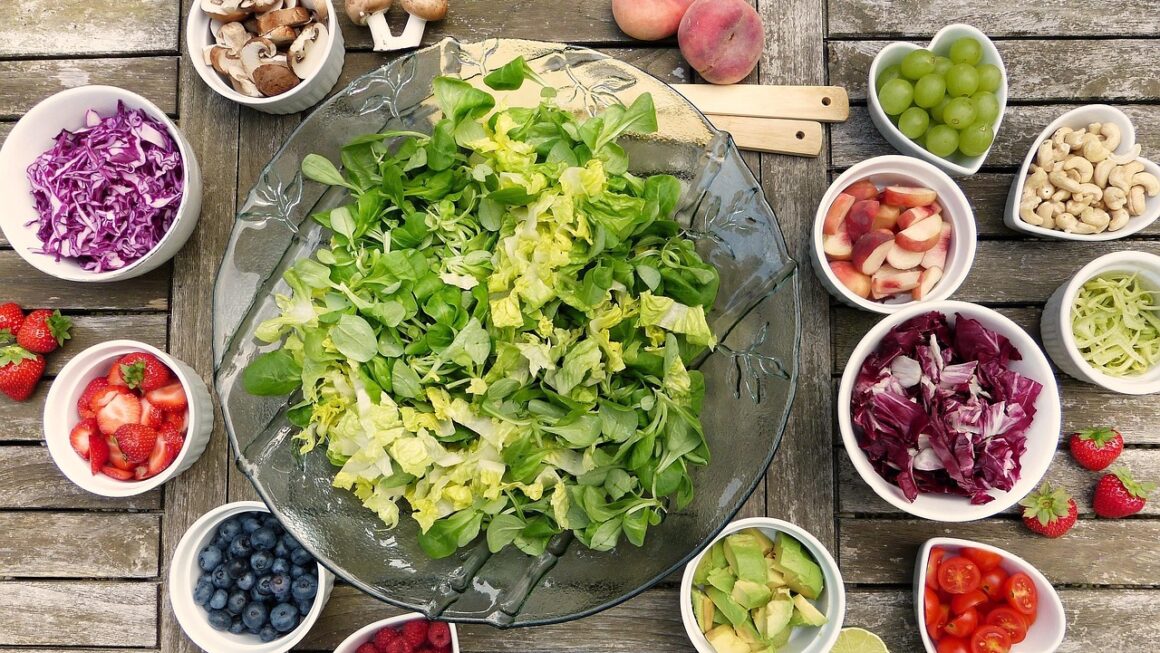
Often overlooked, a fresh salad or a simple side can complete a meal beautifully.
- Sturdy Green Salad: Use robust greens like kale or romaine. Pack dressing separately to prevent sogginess.
- Roasted Vegetables: A pan of pre-roasted broccoli, carrots, or sweet potatoes.
- Fruit Salad: A refreshing and easy side or dessert.
- Garlic Bread or Focaccia: Perfect for pairing with soups or pasta.
Actionable Takeaway: When in doubt, a classic casserole or a hearty soup is usually a safe and much-appreciated bet. Think “make-ahead” and “freezer-friendly” for maximum impact.
Packaging & Delivery: Presenting Your Gift
The presentation and practicality of your meal delivery are almost as important as the food itself. Proper packaging ensures food safety and ease for the recipient.
Choosing the Right Containers
Consider the recipient’s situation when choosing your containers:
- Disposable Aluminum Pans: Ideal for casseroles and bakes. No need for the recipient to worry about returning dishes.
- Glass Containers with Lids: If you’re okay with retrieving them, these are eco-friendly and great for reheating. Make sure they are oven-safe if applicable.
- Leak-Proof Deli Containers: Perfect for soups, stews, sauces, and individual portions.
- Heavy-Duty Ziploc Bags: Useful for components of a sheet pan meal or dry ingredients.
Tip: Always err on the side of disposable containers, especially for new parents or those recovering, as dishwashing is another chore they won’t have to worry about.
Labeling for Clarity
Clear labels are essential for food safety and convenience:
- Dish Name: Clearly state what the meal is (e.g., “Beef Lasagna,” “Vegetable Lentil Soup”).
- Ingredients: List major ingredients, especially if there were dietary considerations. This is crucial for allergies.
- Date Made: Indicate when you prepared the meal.
- Reheating Instructions: Provide clear steps for oven or microwave, including temperature and time.
- Freezing Instructions: If applicable, how long it can be frozen and how to thaw/reheat.
Example Label:
Meal: Chicken & Wild Rice Casserole
Made: 10/26/2023
Ingredients: Chicken, wild rice, cream of mushroom soup, celery, carrots, onion.
Reheat: Cover with foil, bake at 350°F for 20-30 min until heated through. Or microwave 2-3 min per serving.
Freeze: Up to 3 months. Thaw overnight in fridge before reheating.
Safe Transport
- Insulated Bags: Keep hot food hot and cold food cold during transport.
- Stable Placement: Place containers in a box or sturdy bag to prevent spills during the drive.
- Separate Components: Keep wet and dry ingredients separate (e.g., salad dressing apart from greens).
Actionable Takeaway: Invest in some disposable foil pans and good labeling supplies. A clearly labeled meal is a truly helpful meal.
Beyond the Meal: Thoughtful Extras & Etiquette
While the meal itself is the star, a few thoughtful additions and adherence to good etiquette can elevate your gesture and make an even bigger impact.
Adding Thoughtful Touches
Consider bundling your meal with a few useful extras:
- Dessert: A simple batch of cookies, brownies, or a fruit tart. Small treats can be a huge morale booster.
- Breakfast Items: As mentioned, muffins, a fruit salad, or even a bag of good coffee.
- Simple Staples: A loaf of fresh bread, a box of crackers, or a small carton of milk.
- Paper Products: Paper plates, cups, and napkins can be incredibly helpful for those who want to avoid extra dishwashing.
- A Card: A handwritten note expressing your care and offering further assistance.
Coordinating with a Meal Train
If there’s an organized meal train, follow its guidelines carefully:
- Check the Schedule: Sign up for a specific date and time, and stick to it.
- Review Preferences: The organizer usually collects dietary restrictions and preferences. Double-check these.
- Communicate: If you need to change your delivery time or meal, inform the organizer or recipient well in advance.
- Avoid Duplication: The meal train schedule helps prevent multiple people bringing the same dish on the same day.
Respecting Privacy and Space
When delivering the meal, be mindful of the recipient’s energy levels and need for privacy:
- Confirm Delivery Time: Send a quick text before you leave to ensure it’s a good time to drop off.
- Keep Visits Brief: Unless explicitly invited to stay longer, assume they might not have the energy for a long chat. A quick drop-off is often best.
- Offer to Leave at Door: Many appreciate a no-contact drop-off, especially if they are recovering or sleeping.
- Don’t Expect Entertainment: Understand they might not be showered or dressed, and their home might not be tidy. This is about helping them, not socializing.
Actionable Takeaway: A little extra effort in coordinating and respecting their space ensures your kindness is received without adding any burden.
Conclusion
Bringing a meal to someone is more than just providing food; it’s an act of profound kindness and practical support that can make a tangible difference during challenging times. By choosing easy meals to take to someone, planning thoughtfully, packaging smartly, and delivering with grace, you transform a simple dish into a powerful gesture of love and community. So, the next time you hear of a friend, neighbor, or family member in need, don’t hesitate to extend this beautiful form of care. Your efforts will undoubtedly be remembered and deeply appreciated, nourishing both body and soul.