
In our fast-paced world, the daily grind often leaves little room for elaborate meal preparation. The result? A fridge full of forgotten ingredients, a pile of takeout containers, and the persistent question: “What’s for dinner?” But what if the answer to delicious, convenient, and budget-friendly meals was already sitting in your kitchen? Embracing easy leftover meals isn’t just about reheating; it’s a culinary superpower that transforms yesterday’s dinner into today’s gourmet delight, saving you time, money, and significantly reducing food waste. Get ready to unlock the full potential of your fridge and revolutionize your mealtime routine.
The Art of Intentional Leftovers: Cook Once, Eat Twice (or Thrice!)
The secret to effortless leftover meals isn’t just about saving what’s left; it’s about planning for leftovers. This proactive approach, often called “intentional cooking” or “batch cooking,” transforms the mundane task of cooking into a strategic move that pays dividends throughout your week. By thinking ahead, you can significantly cut down on daily cooking time and ensure a variety of delicious options are always within reach.
Batch Cooking Basics: Laying the Foundation
Batch cooking involves preparing larger quantities of versatile staple ingredients that can be mixed, matched, and transformed into multiple meals. This foundational step is crucial for an efficient leftover strategy.
- Proteins: Cook extra chicken breast, ground beef/turkey, grilled salmon, or a pot of lentils/beans. These can be seasoned differently later.
- Grains: Prepare a large batch of quinoa, brown rice, couscous, or farro. These form the base for countless dishes.
- Roasted Vegetables: Chop and roast a sheet pan of sturdy vegetables like sweet potatoes, broccoli, bell peppers, carrots, or Brussels sprouts. They’re delicious hot or cold.
- Soups/Stews: A big pot of soup or chili can provide several meals and freezes well.
Actionable Takeaway: Dedicate an hour or two on a less busy day (e.g., Sunday) to cook 2-3 of these foundational items. This small investment of time will yield significant returns.
Versatile Base Ingredients: Your Culinary Building Blocks
Some ingredients are simply more adaptable than others. Identifying these “chameleons” of the kitchen will make your leftover transformations smoother and more creative.
- Cooked Rice: From fried rice to stuffed peppers, rice is a blank canvas.
- Shredded Chicken/Pork: Perfect for tacos, sandwiches, salads, or pasta.
- Roasted Root Vegetables: Can be pureed into soup, added to omelets, or served as a side.
- Mashed Potatoes: Great for shepherd’s pie toppings, potato cakes, or even thickeners.
- Cooked Pasta: Easily becomes a pasta salad, frittata, or baked dish.
Practical Tip: When cooking these ingredients, keep them lightly seasoned. This allows for more flexibility when you decide to repurpose them with different flavor profiles later in the week.
Transforming Staples: From Dinner to Delight
The magic of easy leftover meals lies in reinvention. Instead of simply microwaving the same dish, consider how you can give it a new identity. With a little creativity, yesterday’s components can become today’s star. This not only prevents meal fatigue but also expands your culinary repertoire.
Repurposing Roasted Chicken (or Other Cooked Meats)
That leftover roast chicken or grilled steak is a goldmine for quick, delicious meals.
- Chicken Salad: Shred leftover chicken, mix with mayo, celery, and herbs for sandwiches, wraps, or lettuce cups.
- Tacos/Quesadillas: Slice or shred chicken/beef, warm with salsa and cheese in tortillas.
- Soup Starter: Add shredded chicken to chicken broth with noodles and vegetables for a quick, comforting soup.
- Stir-Fry: Toss sliced meat with fresh vegetables and an Asian-inspired sauce over rice.
- Pizza Topping: Dice and scatter over a pizza base with your favorite sauce and cheese.
Actionable Takeaway: Always cook slightly more meat than you need for dinner. This ensures you have a versatile protein base for future meals.
Revamping Grains and Pastas
Cooked grains and pasta are incredibly versatile and can be transformed with minimal effort.
- Fried Rice: Sauté leftover rice with soy sauce, an egg, and any diced vegetables or protein.
- Grain Bowls: Combine cold rice/quinoa with fresh greens, roasted veggies, a protein, and a dressing for a healthy, satisfying bowl.
- Pasta Frittata: Mix leftover cooked pasta with eggs, cheese, and any vegetables, then bake or cook on the stovetop.
- Pasta Salad: Toss cold pasta with pesto, cherry tomatoes, mozzarella, and olives for a refreshing side or light meal.
Practical Example: Leftover spaghetti with marinara can become a baked pasta dish by adding a new layer of cheese and baking until bubbly, or even savory muffins by mixing with eggs and baking in muffin tins.
Giving Vegetables a Second Life
Don’t let those cooked veggies go to waste! They can add nutrition and flavor to many dishes.
- Omelets/Frittatas: Add diced roasted or steamed vegetables to scrambled eggs for a quick breakfast, brunch, or light dinner.
- Pureed Soups: Blend soft cooked vegetables (like squash, carrots, or broccoli) with broth and a touch of cream for a smooth, comforting soup.
- Stir-Fry Addition: Incorporate any cooked vegetables into a fresh stir-fry during the last few minutes of cooking.
- Buddha Bowls: Combine cold roasted vegetables with grains, protein, and a vibrant dressing.
Fun Fact: Roughly 30-40% of the food supply in the U.S. is wasted, with a significant portion happening at the household level. Utilizing leftovers effectively is a powerful step in combating this issue.
Quick Fixes: When Time is of the Essence
Some days, even the thought of assembling a meal feels like too much. These quick fixes are designed for those moments, leveraging your leftovers with minimal additional effort.
The “Add-An-Egg” Trick: Instant Meal Magic
Eggs are a leftover’s best friend. They can bind, extend, and transform almost any ingredient into a satisfying meal in minutes.
- Scrambles: Whisk eggs with any diced leftover meat or vegetables and cook until set.
- Omelets: Fill a fluffy omelet with warmed leftovers and a sprinkle of cheese.
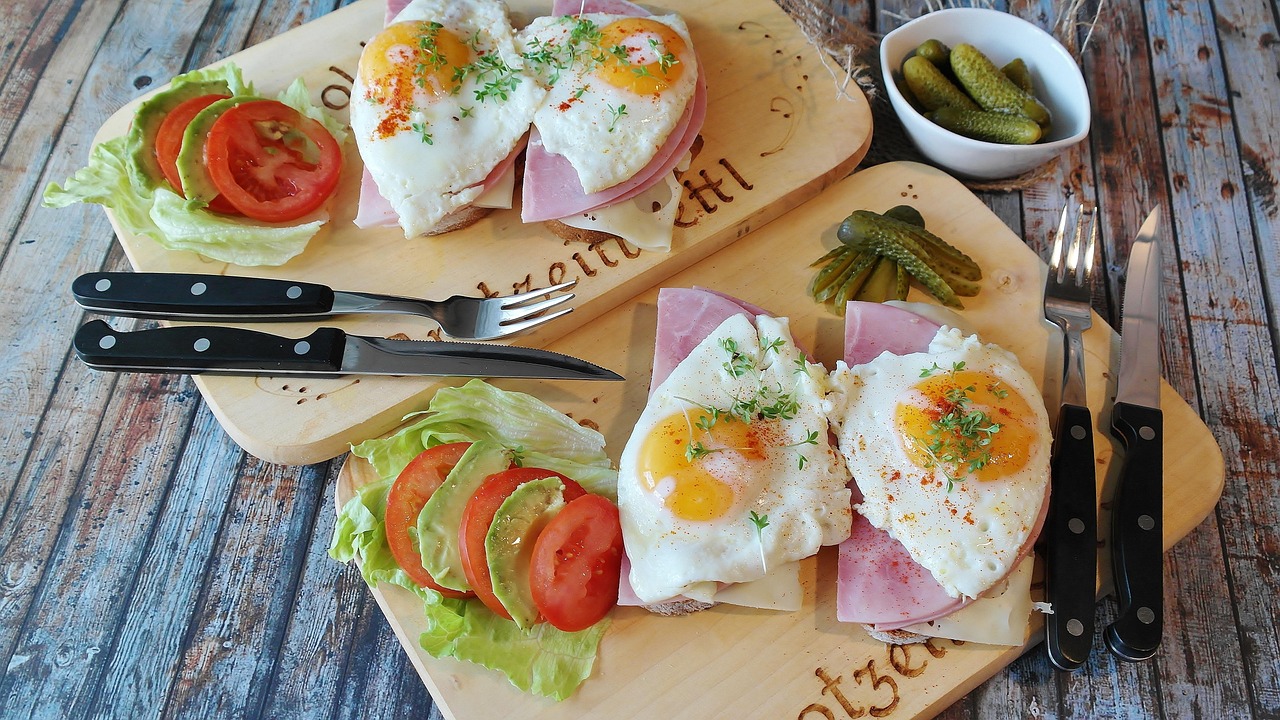
- Fried Egg Topper: A perfectly fried egg can elevate a bowl of leftover rice, pasta, or vegetables.
- Hash: Dice leftover potatoes, roasted veggies, and meat, then pan-fry and top with an egg.
Practical Tip: Keep a dozen eggs on hand specifically for these spontaneous leftover creations. They are a reliable source of protein and culinary flexibility.
Bowls, Wraps, and Sandwiches: Assembly Line Meals
These formats are your go-to for speed and customization. They require little to no additional cooking, just creative assembly.
- Grain Bowls: Layer cold cooked grain (rice, quinoa) with a variety of cold or warmed leftovers (roasted veggies, shredded chicken, beans), fresh greens, and a drizzle of dressing.
- Lettuce Wraps: Spoon warmed leftovers (e.g., ground meat, stir-fried veggies) into large lettuce leaves for a light, low-carb option.
- Gourmet Sandwiches/Wraps: Elevate a simple sandwich by adding warmed leftover steak, chicken, or roasted vegetables with a spread and fresh toppings.
- Quesadillas: Layer cheese and any chopped, warmed leftovers between tortillas, then pan-fry until golden.
Actionable Takeaway: Stock your pantry with versatile condiments like salsa, hot sauce, hummus, and various dressings to quickly add new flavors to these simple assemblies.
Sauces and Spices: Your Flavor Allies
Sometimes, all a leftover needs is a fresh burst of flavor. A simple sauce or a sprinkle of herbs can completely revitalize a dish.
- Fresh Herbs & Citrus: A squeeze of lemon or lime juice and a sprinkle of fresh cilantro, parsley, or basil can brighten any dish.
- Spicy Kick: Drizzle with sriracha, a dash of chili flakes, or a spoonful of your favorite hot sauce.
- Creamy Indulgence: A dollop of sour cream, Greek yogurt, or crème fraîche can add richness.
- Global Flavors: Experiment with pesto, curry paste, or a ready-made stir-fry sauce to transport your leftovers to another cuisine.
Practical Example: Leftover plain rice can become a Mediterranean delight with a drizzle of olive oil, lemon juice, fresh dill, and some crumbled feta, or an Indian-inspired side with a spoonful of curry paste and fresh cilantro.
Smart Storage and Food Safety: The Foundation of Good Leftovers
To truly enjoy your easy leftover meals, ensuring they are stored and reheated safely is paramount. Improper handling can lead to foodborne illnesses and diminish the quality of your food. A little attention to detail goes a long way in preserving both taste and safety.
The “Two-Hour Rule” and Proper Cooling
Food safety guidelines are crucial for minimizing bacterial growth.
- Rapid Cooling: Perishable foods should be refrigerated within two hours of cooking. If the ambient temperature is above 90°F (32°C), reduce this to one hour.
- Shallow Containers: Divide large quantities of hot food into several shallow containers to help them cool down faster. Avoid placing very hot food directly into a packed refrigerator, as this can raise the overall temperature.
- Don’t Pack Too Tightly: Leave some space around containers in the fridge for air circulation.
Actionable Takeaway: Set a timer after cooking to remind yourself to properly store leftovers within the safe window. This simple habit can prevent food spoilage and illness.
Optimal Storage Containers: Maintaining Freshness
The right containers protect your food from odors, spoilage, and freezer burn.
- Airtight is Key: Use containers with tight-fitting lids to keep air out and freshness in.
- Glass vs. Plastic: Glass containers are excellent for reheating, don’t stain, and don’t absorb odors. High-quality, BPA-free plastic containers are also good, especially for portability.
- Portion Control: Store leftovers in individual serving sizes to make grab-and-go meals easier and to avoid reheating larger quantities multiple times.
- Label and Date: Always label containers with the date and contents. Most leftovers are best consumed within 3-4 days in the refrigerator.
Practical Tip: Invest in a good set of matching, stackable containers. This will not only make your fridge more organized but also encourage better storage habits.
Safe Reheating Techniques: Heat It Right
Reheating food correctly ensures it’s safe to eat and delicious.
- Heat Thoroughly: Always reheat leftovers to an internal temperature of 165°F (74°C). Use a food thermometer if unsure.
- Even Heating: Stir food halfway through microwave reheating to ensure even heat distribution. For ovens, cover food to retain moisture.
- One Time Only: It’s generally advised to only reheat food once. Multiple reheating cycles can degrade food quality and increase food safety risks.
- Rehydration: Add a splash of water or broth to rice, pasta, or saucy dishes before reheating to prevent them from drying out.
Actionable Takeaway: If you’re unsure if a leftover is safe to eat, “when in doubt, throw it out.” Your health is always more important than saving a few ingredients.
Bonus Tips for Next-Level Leftover Mastery
Ready to become a true leftover connoisseur? These advanced strategies will elevate your game, ensuring you never look at a “leftover” the same way again.
Themed Leftover Nights: Injecting Fun into Your Fridge
Turn leftover management into a fun, themed event. This adds structure and excitement to otherwise routine meals.
- “Taco Tuesday” Remix: Leftover shredded chicken or beef transforms into taco fillings. Add fresh salsa, avocado, and tortillas.
- “Clean Out the Fridge” Frittata Friday: Combine all small bits of cooked veggies, cheese, and a bit of protein into a delicious frittata.
- “Pasta Bar” Perfection: Reheat different types of leftover pasta or sauces and let everyone build their own custom bowl.
Practical Tip: Involve family members in these themed nights. It encourages creativity and helps everyone enjoy the process of eating leftovers.
Freezing for Future Feasts: Your Long-Term Strategy
When you have an abundance of leftovers, or you’re batch cooking a large meal, freezing is your best friend for long-term preservation.
- Portion and Freeze: Freeze individual portions of soups, stews, chili, cooked grains, or even individual cooked protein portions.
- Label Clearly: Use freezer-safe labels with the name of the dish and the date. Most foods retain quality for 3-6 months in the freezer.
- Defrost Safely: Always defrost food in the refrigerator, under cold running water, or in the microwave—never at room temperature.
Example: After making a large batch of spaghetti sauce, freeze half in smaller containers. On a busy weeknight, simply thaw, cook some fresh pasta, and you have a homemade meal in minutes.
Embrace the Mix-and-Match: The Ultimate Leftover Freedom
Don’t be afraid to combine different types of leftovers that wouldn’t traditionally go together. Sometimes, the most unexpected pairings lead to delightful culinary discoveries.
- The “Everything But The Kitchen Sink” Bowl: A small scoop of rice, a few roasted vegetables, a piece of chicken, and a dollop of hummus can create a surprisingly harmonious meal.
- Unexpected Skewers: Thread leftover cooked meat and sturdy vegetables onto skewers, brush with a glaze, and briefly grill or broil.
Actionable Takeaway: View your refrigerator as a pantry of already-cooked ingredients, ready to be composed into new and exciting dishes. A dash of culinary curiosity can transform mealtime.
Conclusion
Embracing easy leftover meals is far more than just a frugal habit; it’s a smart, sustainable, and surprisingly creative approach to everyday eating. By adopting intentional cooking strategies, learning to transform rather than just reheat, and adhering to crucial food safety guidelines, you can unlock a world of convenient, delicious, and diverse meals. You’ll save precious time, trim your grocery budget, and make a significant dent in household food waste. So, next time you’re clearing the dinner table, look at those remnants not as mere scraps, but as the building blocks for your next culinary adventure. Welcome to the wonderful, flavorful world of leftover mastery – your future self (and your wallet) will thank you!