Feeding a toddler can often feel like navigating a culinary minefield. One day they adore bananas, the next they eye them with suspicion. With their boundless energy, rapid growth, and often selective palates, ensuring your little one gets the right nutrition without turning mealtime into a battle can be a significant challenge for any parent. The good news? It doesn’t have to be complicated! This guide is packed with simple, practical, and nutritionist-approved strategies for creating easy toddler meals that are both delicious and nutritious, transforming mealtime from a source of stress into an enjoyable experience for the whole family.
## Understanding Toddler Nutrition: More Than Just Mini-Adults
Toddlers are in a critical phase of development, meaning their nutritional needs are unique. They require a balanced intake of various nutrients to fuel their growth, cognitive development, and immunity. Forget adult portion sizes; toddlers need smaller, more frequent meals and snacks.
### Essential Nutrients for Growing Toddlers
While a varied diet will naturally provide most nutrients, some are particularly important during these formative years.
- Iron: Crucial for cognitive development and preventing anemia.
- Practical examples: Fortified cereals, lean meats, beans, spinach, lentils.
- Calcium: Vital for strong bones and teeth.
- Practical examples: Milk, yogurt, cheese, fortified plant-based alternatives, leafy greens.
- Protein: Essential for growth and muscle development.
- Practical examples: Eggs, poultry, fish, tofu, legumes, dairy products.
- Healthy Fats: Important for brain development and energy.
- Practical examples: Avocado, nuts/seeds (ground or butter form), olive oil, fatty fish like salmon.
- Fiber: Aids digestion and prevents constipation.
- Practical examples: Whole grains, fruits (with skin), vegetables, beans.
### Decoding Toddler Portion Sizes
Toddlers have tiny tummies! Offering appropriate portions helps prevent food waste and overwhelming them. A good rule of thumb is about 1 tablespoon of each food group per year of age.
- Grains: 1/4 – 1/2 slice of bread, 2-4 crackers, 2-4 tbsp cooked pasta/rice.
- Protein: 1-2 tbsp cooked meat/beans, 1 small egg.
- Fruits/Vegetables: 2-4 tbsp chopped fruit/veg.
- Dairy: 1/2 cup milk/yogurt, 1/2 oz cheese.
Actionable Takeaway: Focus on nutrient-dense foods in small, manageable portions. Trust your toddler’s hunger cues – they are generally good at self-regulating their intake.
## Strategies for Stress-Free Mealtime & Picky Eaters
Mealtime can sometimes feel like a battleground, especially with picky eaters. Implementing a few simple strategies can create a more positive and predictable environment.
### Establishing a Consistent Routine
Toddlers thrive on predictability. Consistent meal and snack times help regulate their appetite and prepare them for eating.
- Offer meals and snacks at roughly the same time each day.
- Limit grazing between meals, as this can reduce appetite for main meals.
- Aim for 3 meals and 2-3 small snacks per day.
### Involving Toddlers in Food Preparation
Empowering toddlers to participate in meal prep can increase their interest in trying new foods.
- Let them wash fruits and vegetables.
- Have them stir ingredients in a bowl (with supervision).
- Allow them to choose between two healthy options (e.g., “Do you want apples or pears with your lunch?”).
- Gardening or visiting a farmer’s market can also spark curiosity about food.
### Gentle Exposure for Picky Eaters
Dealing with picky eaters requires patience and a no-pressure approach. It can take 10-15 exposures for a child to accept a new food.
- Offer a variety of foods, even if they refuse them initially.
- Serve new foods alongside familiar favorites.
- Don’t pressure, bribe, or force-feed. This can create negative associations with food.
- Model healthy eating habits yourself.
- Make food fun! Use cookie cutters for sandwiches, arrange food into shapes.
Actionable Takeaway: Create a positive, predictable meal environment where toddlers feel safe to explore food without pressure. Remember, your role is to provide, their role is to decide how much (or whether) to eat.
## Quick & Healthy Toddler Meal Ideas
Building a repertoire of easy toddler meals is key to stress-free parenting. Here are some simple, nutritious ideas for every meal of the day.
### Breakfast Boosters (Fast & Filling)
Start the day right with options that are quick to prepare and pack a nutritional punch.
- Overnight Oats: Mix rolled oats with milk (dairy or plant-based), chia seeds, and fruit the night before. Ready to eat in the morning!
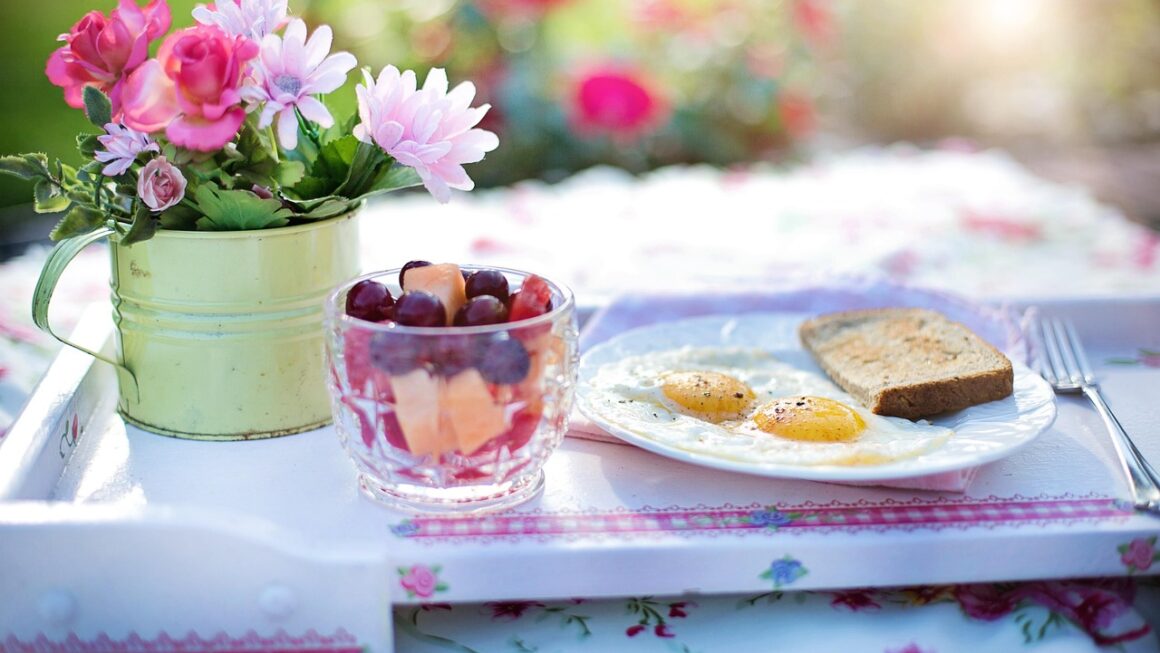
- Scrambled Eggs with Veggies: Whisk eggs with a splash of milk and finely chopped spinach or bell peppers. Quick protein boost.
- Whole-Wheat Toast with Avocado & Everything Bagel Seasoning: Healthy fats and a hint of flavor.
- Greek Yogurt Parfait: Layers of plain Greek yogurt, berries, and a sprinkle of low-sugar granola.
- Fruit & Veggie Smoothie: Blend spinach, banana, berries, and milk for a nutrient-packed drink.
### Lunchbox Heroes (Easy & Portable)
These ideas are perfect for home or on-the-go, focusing on finger foods and deconstructed meals.
- Deconstructed “Lunchables”: Whole-wheat crackers, cheese slices, turkey or ham pieces, and cucumber slices.
- Mini Hummus & Veggie Wraps: Spread hummus on a whole-wheat tortilla, add shredded carrots and bell peppers, roll up, and slice into pinwheels.
- Cheese Quesadillas: Melt cheese in a whole-wheat tortilla, slice into triangles. Add black beans or finely chopped chicken for extra protein.
- Hard-Boiled Egg & Fruit: A simple, protein-rich option with a side of apple slices or grapes (cut lengthwise).
- Leftover Pasta Salad: Toss cooked whole-wheat pasta with pesto, cherry tomatoes (halved), mozzarella balls, and shredded chicken.
### Dinner Delights (Family-Friendly & Adaptable)
The goal here is often to make one meal for the whole family, with minor toddler adaptations.
- Pasta with Hidden Veggie Sauce: Blend cooked carrots, zucchini, and bell peppers into marinara sauce. Serve with whole-wheat pasta and a sprinkle of parmesan.
- Sheet Pan Chicken & Veggies: Chop chicken breast and a variety of veggies (broccoli, sweet potatoes, bell peppers), toss with olive oil and mild seasonings, and roast. Easy cleanup!
- Mini Meatballs & Rice: Serve small, tender meatballs (homemade or low-sodium store-bought) with brown rice and steamed green beans.
- Fish Sticks (Homemade or Baked) & Sweet Potato Fries: Bake fish sticks and homemade sweet potato fries for a healthier “takeout” feel.
- Lentil Soup or Chili: A hearty, fiber-rich meal. Offer plain lentils or beans for toddlers who prefer less mixed textures.
Actionable Takeaway: Embrace finger foods, deconstructed meals, and hiding vegetables. Simple ingredient combinations often work best for toddlers.
## Smart Snacking & Meal Prep Hacks
Snacks are not just fillers; they are mini-meals that provide crucial nutrients and energy for growing toddlers. Strategic meal prep can also save parents valuable time and reduce mealtime stress.
### Nutrient-Dense Snack Ideas
Avoid empty calories. Choose snacks that offer sustained energy and essential nutrients.
- Fruit & Cheese: Apple slices with cheddar cubes, banana with string cheese.
- Yogurt & Berries: Plain yogurt (full-fat for toddlers) with a handful of berries.
- Veggies & Dip: Cucumber sticks, bell pepper strips, or carrot sticks with hummus or guacamole.
- Whole-Grain Crackers with Nut Butter: Ensure nut butter is spread thinly to avoid choking hazards.
- Homemade Muffins: Bake muffins with hidden veggies (zucchini, carrots) or fruit (berries, banana).
### Batch Cooking & Freezer-Friendly Options
Spend a little time upfront to save a lot of time during the week.
- Cook Grains in Bulk: Make a large batch of brown rice, quinoa, or whole-wheat pasta to use throughout the week in various meals.
- Prep Veggies: Wash, chop, and store fruits and vegetables for easy access.
- Batch Cook Proteins: Grill or bake chicken breast, cook ground meat, or make a big batch of lentils.
- Freezer Meals:
- Mini Meatballs: Make a large batch and freeze cooked meatballs.
- Muffins & Frittatas: Bake healthy muffins or mini frittatas and freeze them individually.
- Smoothie Packs: Pre-portion fruit and veggie blends into freezer bags, ready for a quick blend with liquid.
- Pasta Sauce: Make a big pot of vegetable-packed pasta sauce and freeze in small portions.
Actionable Takeaway: View snacks as opportunities for nutrition, not just treats. Dedicate an hour or two to meal prep on a less busy day to significantly reduce daily cooking time.
## Navigating Common Feeding Challenges Beyond Picky Eating
While picky eating is common, toddlers can present other mealtime challenges. Understanding and preparing for these can make a big difference.
### Food Jags: When They Only Want One Thing
A food jag is when a child will only eat one or two preferred foods for a period, then suddenly drop them. This is a normal developmental stage.
- Continue to Offer Variety: Keep offering other foods, even if they are refused.
- Don’t Give In Entirely: While it’s fine to offer the preferred food, ensure it’s not the only thing available at every meal.
- Patience: Food jags typically pass on their own. Maintain a calm demeanor.
### Mealtime Power Struggles
Toddlers are asserting their independence, and mealtime can become a battleground for control.
- Set Clear Boundaries: You decide what, when, and where food is offered. They decide how much and whether to eat.
- Avoid Bribery: “Eat your broccoli and you can have dessert” can lead to unhealthy food associations.
- Limit Meal Length: If a toddler isn’t eating after 20-30 minutes, calmly remove the food. Don’t offer alternatives until the next scheduled meal/snack time.
- Stay Calm: Your emotional response can fuel a power struggle. Remain neutral and consistent.
### Safety First: Choking Hazards
Toddlers are still learning to chew and swallow. Always supervise eating and prepare food appropriately.
- Avoid: Whole grapes, hot dogs (unless quartered lengthwise and then sliced), large chunks of meat or cheese, nuts, popcorn, hard candy, sticky foods like large globs of peanut butter.
- Prepare Foods Safely: Cut round foods (grapes, cherry tomatoes) into quarters lengthwise. Slice hot dogs into small, thin pieces. Shred meat, steam hard vegetables.
Actionable Takeaway: Consistency, a calm approach, and appropriate food preparation are your best tools for handling toddler feeding challenges effectively.
## Conclusion
Creating easy toddler meals doesn’t have to be a Herculean task. By focusing on simple, nutrient-dense ingredients, establishing positive mealtime routines, and understanding your toddler’s unique developmental stage, you can transform mealtime into a more enjoyable and less stressful experience for everyone. Remember, patience, consistency, and a willingness to offer a variety of foods are your most valuable assets. Embrace the journey of introducing your little one to a world of flavors, knowing that every bite contributes to their healthy growth and development. Happy feeding!