Imagine coming home after a long day to the enticing aroma of a freshly cooked, nutritious meal – one you barely lifted a finger to prepare. Sounds like a dream, right? For anyone embracing a plant-based lifestyle or simply looking to incorporate more vegetables into their diet, the slow cooker is a game-changer. These incredible kitchen appliances transform raw ingredients into hearty, delicious vegetarian dishes with minimal effort, making ‘easy vegetarian crockpot meals’ not just a catchy phrase, but a reality for busy individuals and families alike. Dive in to discover how your crockpot can revolutionize your approach to healthy, convenient eating.
Why Embrace Easy Vegetarian Crockpot Meals?
The synergy between vegetarian cooking and slow cooker technology is a match made in culinary heaven. It’s about more than just convenience; it’s about maximizing flavor, nutrition, and your precious time.
Unlocking Convenience and Time-Saving
The slow cooker shines when it comes to saving time and effort, making it perfect for those hectic weekdays.
- Effortless Preparation: Most recipes involve minimal chopping and tossing ingredients into the pot, often taking less than 15-20 minutes of active prep time.
- “Set It and Forget It”: Enjoy hands-off cooking while you work, run errands, or relax. The slow cooker handles the rest, bringing ingredients to tender perfection.
- Reduced Cleanup: Often, it’s just one pot to wash, significantly cutting down on post-meal chores.
- Perfect for Busy Schedules: Ideal for weeknight dinners, it ensures a warm, homemade meal is ready precisely when you are, eliminating last-minute cooking stress.
Nutritional & Health Benefits
Adopting a plant-based approach, especially with slow cooking, brings a wealth of health advantages that nourish your body.
- Increased Vegetable Intake: Naturally boosts your consumption of nutrient-rich produce, essential for overall health.
- Fiber-Rich: Legumes, whole grains, and vegetables contribute significantly to dietary fiber, promoting a healthy digestive system and sustained satiety.
- Heart-Healthy: Vegetarian diets are often lower in saturated fat and cholesterol, contributing to better cardiovascular health.
- Flavor Development: Slow cooking tenderizes vegetables and allows flavors to meld beautifully, often enhancing their natural sweetness and depth, making healthy eating more enjoyable.
Budget-Friendly Eating
Vegetarian ingredients are typically more economical than meat, making crockpot cooking a smart choice for your wallet without compromising on taste or nutrition.
- Lower Grocery Bills: Lentils, beans, grains, and seasonal vegetables are budget-friendly staples that form the core of most slow cooker vegetarian meals.
- Reduced Waste: Slow cooking can utilize less-than-perfect produce or leftover vegetables effectively, transforming them into delicious dishes and minimizing food waste.
Your Vegetarian Slow Cooker Pantry Essentials
Building a well-stocked pantry is the first step to effortless easy vegetarian crockpot meals. These staple ingredients form the foundation of countless delicious and nutritious dishes.
Protein Powerhouses
These ingredients provide a hearty base and essential nutrients for your plant-based meals, ensuring they are filling and satisfying.
- Legumes: Canned or dried lentils, chickpeas, black beans, kidney beans. Canned beans are a quick addition; dried beans can be cooked directly in the slow cooker (check specific recipe instructions for soaking).
- Tofu & Tempeh: Firm or extra-firm tofu (pressed and cubed), or tempeh (cubed), which absorbs flavors wonderfully and adds a satisfying texture.
- Seitan: A chewy, protein-rich wheat gluten product that can mimic meat textures, great for heartier stews.
Grains & Starches
These add bulk, texture, and complex carbohydrates for sustained energy, making your meal complete.
- Brown Rice & Quinoa: Can be cooked directly in the slow cooker with other ingredients or added pre-cooked for convenience, perfect for a one-pot meal.
- Potatoes & Sweet Potatoes: Excellent for thickening and adding substance to stews, curries, and casseroles, offering both flavor and nutrition.
- Pasta: Best added towards the end of cooking (last 30-60 minutes) to prevent sogginess and maintain a good texture.
Aromatic Vegetables & Flavor Enhancers
The backbone of any flavorful dish, these ingredients build a deep, aromatic foundation.
- Onions & Garlic: Essential for almost every savory crockpot creation, providing foundational flavor.
- Carrots & Celery: The classic mirepoix base for many stews and soups, adding sweetness and earthy notes.
- Bell Peppers: Add sweetness, color, and a pleasant crunch (if added later) to your dishes.
- Tomatoes: Canned diced tomatoes, crushed tomatoes, or tomato paste for rich, acidic notes and body in sauces and stews.
Herbs, Spices, & Liquids
Don’t underestimate the power of seasoning and the right liquid base to bring your dish to life.
- Dried Herbs: Oregano, thyme, basil, bay leaves work beautifully over long cooking times, infusing deep flavors.
- Ground Spices: Cumin, chili powder, paprika, turmeric, curry powder for depth and global flavors.
- Vegetable Broth: The primary liquid for most slow cooker recipes, ensuring moisture and enhancing overall flavor.
- Coconut Milk: For creamy curries, rich sauces, and a touch of sweetness.
- Vinegars & Citrus: A splash of apple cider vinegar or lemon juice can brighten flavors and add a pleasant tang towards the end of cooking.
Mastering “Set It and Forget It” Vegetarian Crockpot Meals
While the slow cooker is forgiving, a few simple techniques can elevate your vegetarian dishes from good to gourmet. The goal is maximum flavor with minimal fuss, making your vegetarian slow cooker recipes truly shine.
Prepping for Success
Smart preparation sets the stage for a delicious and evenly cooked meal.
- Uniform Chopping: Ensure vegetables are cut into similar sizes for even cooking. Harder vegetables (carrots, potatoes) can be slightly smaller than softer ones (zucchini, mushrooms) to compensate for varying cooking times.
- Sautéing Aromatics (Optional but Recommended): Briefly sautéing onions, garlic, and spices in a pan before adding them to the crockpot can significantly deepen their flavor and create a richer base. This step, while adding a few minutes, is highly recommended for enhanced taste.
- Layering Ingredients Wisely: Place denser, slower-cooking vegetables (potatoes, root vegetables) at the bottom, closer to the heat source. Add quicker-cooking items (spinach, pre-cooked pasta) towards the end to prevent them from becoming overcooked or mushy.
The Liquid Balance Act
This is crucial for slow cooker success, especially with vegetarian recipes, as liquids behave differently than on a stovetop.
- Less is More: Unlike stovetop cooking, liquids don’t evaporate much in a slow cooker. Start with less liquid than you think you need; you can always add more later if the dish seems too dry.
- Thickening Agents: If your dish is too watery, you can stir in a cornstarch or flour slurry (mixed with cold water) during the last 30-60 minutes of cooking. Mashed beans or potatoes can also naturally thicken the sauce.
- Beware of Dairy: Dairy products like milk, cream, or cheese can curdle if cooked on high heat for too long. For best results, add them in the last 30 minutes to an hour of cooking, or opt for plant-based alternatives that are more stable.
Seasoning Smartly
Slow cooking can sometimes mute flavors, so be generous but strategic with your seasonings to achieve optimal taste.
- Salt & Pepper: Start with a good base, but always taste and adjust at the end of cooking to perfectly balance the flavors.
- Herbs & Spices: Dried herbs and spices release their flavors beautifully over long cooking times, infusing the entire dish. Fresh herbs, on the other hand, are best stirred in just before serving for brightness and a fresh aroma.
- Acids: A splash of lemon juice, lime juice, or vinegar (like apple cider or balsamic) at the end can brighten and balance rich flavors, cutting through any heaviness.
Common Vegetarian Slow Cooker Mistakes to Avoid
- Overfilling: Never fill your crockpot more than two-thirds full to ensure even cooking and prevent messy overflows.
- Too Much Liquid: As mentioned, less evaporation means you need significantly less liquid than a stovetop recipe; a good rule of thumb is to reduce stovetop recipe liquids by about one-third.
- Adding Delicate Veggies Too Soon: Delicate vegetables like spinach, kale, peas, or zucchini can turn to mush if added at the beginning. Stir them in for the last 30-60 minutes of cooking.
- Ignoring Texture: Cooked beans and lentils can get mushy if overcooked. If using canned, sometimes adding them in the middle or later stages of cooking is best, or ensure your overall cooking time is appropriate for their tenderness.
Easy Vegetarian Crockpot Recipe Inspirations
Ready to put your crockpot to work? Here are some categories and examples of incredibly easy and satisfying plant-based crockpot meals you can make with minimal effort.
Hearty Soups & Stews
Perfect for chilly evenings or efficient meal prep, these are classic slow cooker comfort foods that nourish from within.
- Lentil Soup: A simple combination of green or brown lentils, diced carrots, celery, onion, garlic, vegetable broth, and your favorite herbs (thyme, bay leaf). Serve with a squeeze of lemon and crusty bread.
- Vegetable Chili: A robust mix of black beans, kidney beans, corn, diced tomatoes, bell peppers, onions, chili powder, cumin, and vegetable broth. Top with avocado, cilantro, or a dollop of plant-based sour cream.
- Minestrone: A vibrant mix of small pasta (added at the end), white beans, zucchini, carrots, celery, spinach, and a rich tomato-based broth.
Flavorful Curries & Dals
Let your crockpot infuse rich, aromatic flavors into your plant-based curries and dals, creating deeply satisfying dishes.
- Chickpea & Spinach Curry: Chickpeas, fresh spinach, diced tomatoes, onion, garlic, fresh ginger, a blend of curry powder and turmeric, and creamy coconut milk. Serve over fluffy basmati rice or with warm naan bread.
- Red Lentil Dal: A comforting and easy dish made with red lentils, diced onion, garlic, ginger, turmeric, cumin, vegetable broth, and a vibrant squeeze of lemon juice at the end.
Wholesome Casseroles & One-Pot Wonders
These recipes combine grains, proteins, and vegetables into a complete, fuss-free meal, ideal for busy weeknights.
- Sweet Potato & Black Bean Casserole: Layers of diced sweet potatoes, black beans, corn, bell peppers, onion, and a smoky chili sauce. Top with cheese or a vegan alternative during the last hour for a melted, gooey finish.
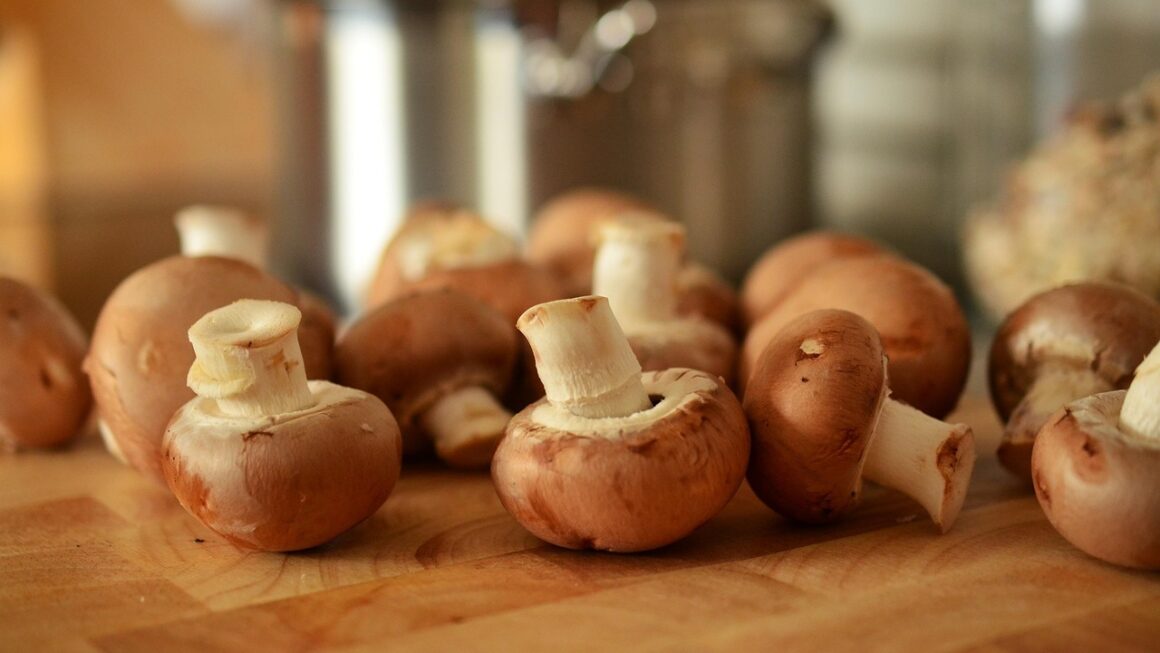
- Mushroom & Barley “Risotto” (Slow Cooker Style): While not a traditional stirred risotto, this slow cooker version combines hearty barley, earthy mushrooms, vegetable broth, and herbs for a creamy, satisfying dish with minimal effort. Add a splash of plant-based cream or nutritional yeast at the end.
Global-Inspired Dishes
Explore international flavors with your slow cooker, bringing diverse culinary experiences to your kitchen with ease.
- Mediterranean Quinoa Bowl Base: Quinoa, chickpeas, diced tomatoes, olives, red onion, and Mediterranean spices. This forms a versatile base that can be served with fresh cucumber, feta (or vegan feta), and a lemon-tahini dressing.
- Taco Filling: A versatile and flavorful mix of black beans, corn, diced bell peppers, onion, robust taco seasoning, and a splash of vegetable broth. Perfect for building tacos, burritos, quesadillas, or hearty grain bowls.
Tips for Meal Prepping & Customizing Your Crockpot Creations
The slow cooker isn’t just for one-off dinners; it’s a powerful tool for efficient meal prepping and adapting recipes to your taste and dietary needs. Master these tips for truly effortless vegetarian dinners.
Streamlining Your Meal Prep
Maximize your time and ensure healthy meals are always at hand with these smart slow cooker meal prep strategies.
- Batch Cooking: Most slow cooker recipes yield generous portions, making them ideal for cooking once and eating multiple times. Cook a large batch on Sunday for weekday lunches or dinners, saving time during busy workweeks.
- Freezing Portions: Many vegetarian crockpot meals (soups, stews, chilis, curries) freeze beautifully. Allow them to cool completely, then portion into freezer-safe containers or bags. Label with the date for easy identification.
- “Dump Bags”: Prepare ingredients in advance by chopping vegetables, measuring spices, and placing them together in a freezer-safe bag. When ready to cook, simply dump the contents into the crockpot with the specified liquid, turning prep into a matter of seconds.
Customizing for Dietary Needs & Preferences
One of the beauties of plant-based cooking is its versatility, allowing you to easily adapt recipes to fit any dietary requirement or personal taste.
- Gluten-Free: Most vegetarian crockpot recipes are naturally gluten-free. Ensure any broths, sauces, or grains (like barley) used are certified gluten-free. Substitute pasta with gluten-free pasta, quinoa, or rice.
- Nut-Free: Replace coconut milk with vegetable broth or a seed-based milk (e.g., sunflower seed milk) if required. Omit any nuts used for garnishes or within the recipe itself.
- Spice Level: Easily adjust chili flakes, fresh chilies, or spicy powders to suit your preference. Always add a pinch at a time and taste before increasing the heat.
- Added Protein: Boost protein content by adding more beans, lentils, or a can of drained, rinsed chickpeas to almost any stew or soup. Cubed tofu or tempeh can also be easily incorporated for extra protein.
Making It Your Own: Flavor Boosters & Garnishes
Small additions can make a big difference in the final taste and presentation, turning a simple dish into a gourmet experience.
- Fresh Herbs: Cilantro, parsley, basil, or chives stirred in at the very end or used as a garnish add a vibrant burst of freshness and aroma.
- Acids: A squeeze of lemon or lime juice, a dash of apple cider vinegar, or a splash of balsamic vinegar can significantly brighten and balance heavy flavors, adding a fresh counterpoint.
- Creaminess: A swirl of coconut cream, a dollop of plain plant-based yogurt (or dairy sour cream), or a sprinkle of nutritional yeast can add luxurious richness and depth.
- Crunch: Toasted nuts or seeds (like pumpkin or sunflower), homemade croutons, or crispy fried onions add essential texture and a satisfying bite.
- Spicy Kick: A drizzle of sriracha, a dash of your favorite hot sauce, or a sprinkle of red pepper flakes can provide an extra layer of warmth and excitement.
Conclusion
Embracing easy vegetarian crockpot meals is more than just a culinary choice; it’s a lifestyle upgrade. It’s about reclaiming your evenings, nourishing your body with wholesome plant-based goodness, and enjoying the incredible convenience of “set it and forget it” cooking. From hearty chilis to aromatic curries, the slow cooker proves to be an indispensable tool for anyone seeking delicious, healthy, and effortless vegetarian dinners. So, dust off your crockpot, stock up on those pantry essentials, and get ready to savor the rich flavors and abundant benefits of slow-cooked vegetarian magic. Your taste buds, your schedule, and your well-being will thank you.