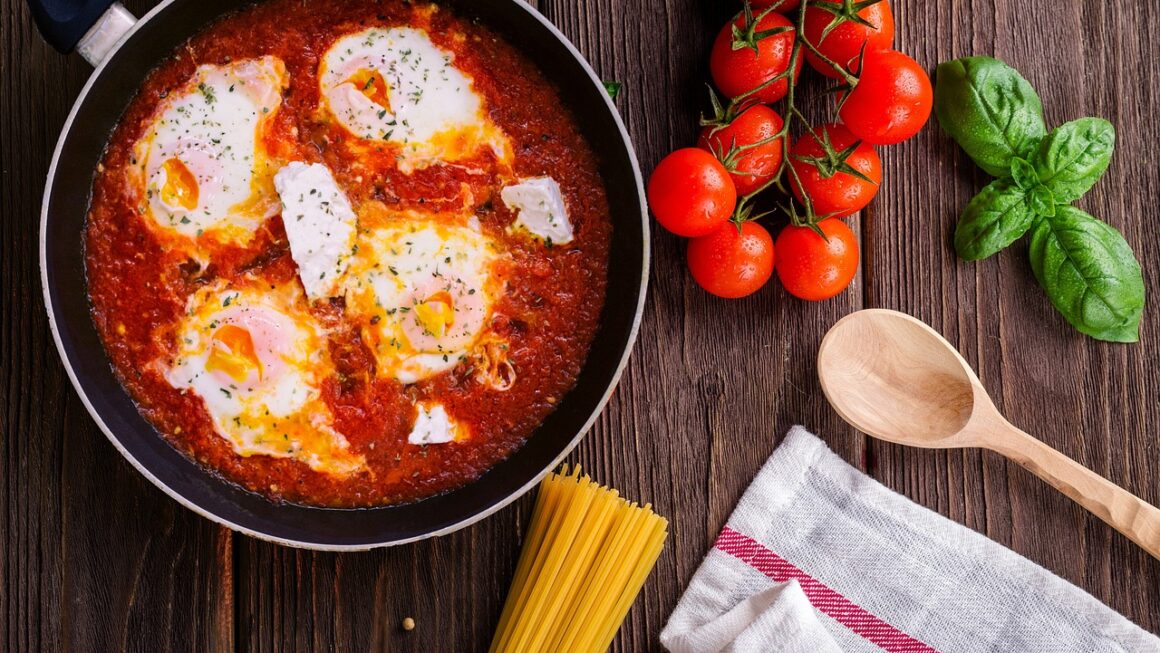

As the days grow shorter and a crisp chill fills the air, there’s a primal urge that awakens within many of us: the craving for warmth, coziness, and above all, genuinely comforting food. Cold weather transforms our culinary desires, shifting focus from light, refreshing salads to rich, hearty dishes that promise a hug from the inside out. This isn’t just about satisfying hunger; it’s about nourishing the soul, evoking nostalgic memories, and providing a sense of security against the elements. Join us as we explore the wonderful world of comfort food designed to make even the coldest days feel warm and inviting.
The Science and Soul of Winter Comfort Food
The allure of comfort food during the colder months is more than just a preference; it’s a deeply rooted psychological and physiological response to our environment. Understanding this connection helps us appreciate why certain dishes hold such a special place in our hearts when the temperature drops.
Why We Crave It: Psychological & Emotional Benefits
- Nostalgia and Connection: Many comfort foods are tied to childhood memories, family traditions, and shared moments. The smell of a simmering stew or freshly baked pie can transport us back to simpler times, fostering feelings of security and love.
- Stress Reduction: Research suggests that eating familiar, calorie-dense foods can release feel-good neurotransmitters like serotonin, which helps to improve mood and reduce stress, acting as a natural balm during gloomy winter days.
- Sense of Security: In times of cold or uncertainty, the predictability and satisfying nature of comfort food offers a sense of control and warmth, a culinary refuge from the outside world.
Actionable Takeaway: Embrace the emotional connection. Cooking a dish from your childhood or a family recipe can be incredibly therapeutic and an excellent way to connect with loved ones, even if they’re not physically present.
Physiological Needs: Fueling Against the Cold
- Increased Energy Demands: Our bodies naturally burn more calories to maintain core temperature in cold weather. Hearty, energy-dense foods provide the sustained fuel needed to keep us warm and active.
- Nutrient Density: Many traditional comfort foods, like stews and casseroles, are packed with essential vitamins, minerals, and macronutrients, crucial for bolstering the immune system during flu season.
- Hydration: Soups and broths not only warm us but also contribute to our daily fluid intake, which can sometimes be overlooked when we’re less active or not feeling thirsty in the cold.
Actionable Takeaway: Listen to your body’s signals. It’s natural to crave richer foods in winter. Focus on whole, unprocessed ingredients to ensure you’re getting robust nutrition alongside the warmth.
Soups & Stews: Liquid Gold for Chilly Days
There’s arguably no category of food more synonymous with cold weather comfort than soups and stews. These simmering masterpieces offer unparalleled warmth, nutrition, and ease of preparation, making them a cornerstone of winter eating.
The Ultimate Warmth Provider
Soups and stews excel at delivering warmth directly to your core. The high liquid content means every spoonful is infused with heat, slowly warming you from the inside out. Their versatility is unmatched, accommodating a vast array of ingredients and dietary preferences.
- Classic Chicken Noodle Soup: The quintessential cold remedy and a universal symbol of care. Loaded with tender chicken, vegetables, and soothing broth.
- Hearty Beef Stew: Chunks of beef slow-cooked to perfection with root vegetables like carrots, potatoes, and parsnips in a rich, savory gravy. It’s a meal in itself.
- Creamy Tomato Soup with Grilled Cheese: A timeless duo. The tangy, creamy soup pairs perfectly with the crispy, melty goodness of a grilled cheese sandwich, creating a symphony of comfort.
- Spicy Lentil Soup: A plant-based powerhouse, rich in protein and fiber, often spiced with cumin and turmeric, offering a gentle warmth that’s both satisfying and incredibly healthy.
- French Onion Soup: Deeply caramelized onions in a rich beef broth, topped with a crusty bread crouton and melted Gruyère cheese. Pure elegance and comfort.
Actionable Takeaway: Don’t underestimate the power of a good broth. Invest in quality bone broth or take the time to make your own for a foundational layer of rich flavor and nutrients.
Tips for Perfect Potions
Creating truly memorable soups and stews often comes down to a few key techniques and ingredients.
- Slow and Low: Many stews benefit from long, slow simmering. This allows flavors to meld and develop, and tough cuts of meat to become fork-tender.
- Layer Your Flavors: Start with aromatics like onions, garlic, and celery. Brown your meat for depth. Deglaze with wine or broth. Add herbs and spices at different stages.
- Embrace Root Vegetables: Carrots, potatoes, parsnips, and sweet potatoes hold up well to long cooking times and add substantial texture and nutrition.
- Batch Cooking Brilliance: Soups and stews often taste even better the next day and freeze beautifully. Make a large batch for easy weeknight meals or lunch portions.
Actionable Takeaway: Season generously throughout the cooking process, not just at the end. Taste and adjust as you go to build complex flavors.
Hearty Baked Dishes & Casseroles: Oven-Baked Bliss
When the oven is on, warming the kitchen with enticing aromas, you know true comfort is on its way. Baked dishes and casseroles are the epitome of wholesome, satisfying winter fare, often requiring minimal fuss for maximum flavor.
One-Pan Wonders for Cozy Evenings
The beauty of baked dishes lies in their ability to feed a crowd, minimize cleanup, and deliver incredibly satisfying results. They often combine protein, vegetables, and a delicious sauce or topping, all cooked together in one dish.
- Shepherd’s Pie (or Cottage Pie): A savory mince of lamb (Shepherd’s) or beef (Cottage) topped with creamy mashed potatoes and baked until golden and bubbly.
- Classic Macaroni and Cheese: The ultimate indulgence. Creamy cheese sauce coating tender pasta, often baked with a crunchy breadcrumb topping. There’s a reason it’s a universal favorite.
- Lasagna: Layers of pasta, rich meat sauce (or vegetable), creamy béchamel, and melted cheese, baked until golden and gooey. A true labor of love that pays off in every bite.
- Chicken Pot Pie: Tender pieces of chicken and vegetables in a creamy sauce, all encased in a flaky, golden pastry crust. It’s like a warm hug in a bowl.
- Gratins: From potato gratin with garlic and cream to vegetable gratins with a cheesy crust, these baked delights offer a rich, savory side or main dish.
Actionable Takeaway: Don’t be afraid to customize! Add your favorite vegetables, swap out cheeses, or experiment with different herbs to make these classics uniquely yours.
Elevating Your Baked Favorites
While these dishes are comforting in their simplicity, a few touches can elevate them to gourmet status.
- Quality Ingredients: Using good quality cheese, fresh herbs, and homemade sauces can make a significant difference in taste.
- Texture Contrast: A crispy topping (breadcrumbs, fried onions, crushed crackers, or even crispy bacon) adds an important textural element to soft, creamy casseroles.
- Vegetable Power: Sneak in extra vegetables like spinach, mushrooms, or butternut squash to boost nutrition without sacrificing flavor. They often meld seamlessly into the dish.
- Strategic Seasoning: Season each component individually (meat, sauce, potatoes) before combining to ensure a well-rounded flavor profile.
Actionable Takeaway: Serve with a simple, fresh green salad. The bright acidity and crunch will cut through the richness of the baked dish, creating a perfectly balanced meal.
Sweet Treats & Warm Beverages: The Perfect End to a Cold Day
No cold weather feast is complete without a warming sweet treat or a comforting beverage. These provide the perfect conclusion to a hearty meal or a delightful pick-me-up during a chilly afternoon.
Indulgent Desserts That Hug Your Soul
Winter desserts often feature warm spices, seasonal fruits, and rich, decadent textures, providing a sweet end to a cozy evening.
- Apple Crumble or Pie: Soft, spiced apples baked under a crunchy oat or pastry topping. Serve warm with a scoop of vanilla ice cream or a dollop of custard.
- Sticky Toffee Pudding: A moist sponge cake made with dates, drenched in a rich toffee sauce. It’s dense, sweet, and incredibly satisfying.
- Chocolate Lava Cake: A small chocolate cake with a molten chocolate center, offering instant gratification and rich, deep chocolate flavor.
- Bread Pudding: Stale bread transformed into a custardy, often fruit-studded dessert, perfect for using up leftovers and incredibly comforting.
- Gingerbread: Whether in cake, cookie, or loaf form, the warming spices of ginger, cinnamon, and cloves are synonymous with winter cheer.
Actionable Takeaway: Don’t forget the warmth! Most winter desserts are best served warm, enhancing their aromatic qualities and creating a truly comforting experience.
Warming Drinks for Every Palate
Beyond the meal, a warm beverage can be a ritual, a moment of calm, or a delightful way to thaw out after being outdoors.
- Classic Hot Chocolate: Rich, creamy, and often topped with whipped cream or marshmallows. For an adult twist, add a splash of peppermint schnapps or Kahlua.
- Mulled Wine or Cider: Red wine or apple cider gently heated with spices like cinnamon sticks, star anise, cloves, and orange slices. It fills the home with an incredible aroma.
- Spiced Chai Latte: Black tea brewed with aromatic spices (cardamom, ginger, cinnamon) and frothed milk. It’s both invigorating and soothing.
- Herbal Teas: Chamomile, peppermint, ginger, and lemon tea are not only warming but also offer various health benefits, perfect for a calming evening.
Actionable Takeaway: Create a cozy beverage station. Keep your favorite mugs, teas, coffee, hot chocolate mix, and spices easily accessible to encourage frequent moments of warm indulgence.
Modern Twists on Traditional Comfort Foods
While classics hold an undeniable charm, there’s always room for innovation. Modern culinary trends allow us to enjoy the essence of comfort food with healthier ingredients or explore global flavors that offer a new take on warmth and satisfaction.
Healthier Takes on Classic Dishes
Enjoying your favorite comfort foods doesn’t always mean sacrificing nutrition. Small adjustments can make a big difference.
- Vegetable-Packed Mac & Cheese: Incorporate pureed butternut squash or cauliflower into the cheese sauce, or add roasted broccoli florets for extra nutrients and flavor.
- Lighter Shepherd’s Pie: Swap out half the mashed potatoes for cauliflower mash or sweet potato mash. Use lean ground turkey or lentils instead of lamb or beef.
- Whole Grain Swaps: Use whole wheat pasta in lasagna or mac and cheese, or opt for brown rice in a chicken and rice casserole for increased fiber.
- Broth-Based Cream Soups: Instead of heavy cream, use a portion of low-fat milk or a blend of broth and a small amount of heavy cream, thickened with a roux or cornstarch slurry.
Actionable Takeaway: Don’t view “healthy” as “less delicious.” Focus on enhancing flavors with herbs, spices, and fresh ingredients rather than simply reducing fat or calories.
Global Comfort: Expanding Your Palate
Comfort food traditions exist in every culture, offering an exciting array of new flavors and textures to explore. These international dishes provide the same warming, satisfying qualities as our familiar favorites.
- Japanese Ramen: A deeply savory broth, chewy noodles, tender pork belly or chicken, and a medley of fresh toppings like soft-boiled eggs, nori, and scallions. Pure umami comfort.
- Indian Curries: Rich, aromatic curries with tender meat or vegetables, slow-cooked in a blend of spices, served with fluffy rice or warm naan bread.
- Mexican Posole: A hearty stew made with hominy (dried corn kernels), meat (pork or chicken), and chilies, garnished with fresh cabbage, radishes, and lime.
- Italian Risotto: Creamy, slow-cooked rice infused with broth, cheese, and various ingredients like mushrooms, saffron, or seafood. It’s a testament to patience and flavor.
- Vietnamese Pho: An aromatic beef or chicken noodle soup, slow-simmered with spices like star anise and cinnamon, served with fresh herbs and lime.
Actionable Takeaway: Embrace culinary adventure! Trying comfort foods from other cultures is a fantastic way to broaden your cooking skills and introduce exciting new flavors into your winter meal rotation.
Conclusion
As winter casts its long shadow, the kitchen truly becomes the heart of the home, a sanctuary of warmth and tantalizing aromas. Comfort food for cold weather is more than just sustenance; it’s a celebration of coziness, a nod to tradition, and a powerful tool for self-care. From bubbling stews and hearty casseroles to sweet, spiced desserts and steaming beverages, these dishes nourish not just our bodies, but our spirits too.
So, light a candle, gather your loved ones, and immerse yourself in the joyful art of winter cooking. Whether you’re revisiting a beloved family recipe or experimenting with new global flavors, let the magic of comfort food transform the chilliest days into the warmest memories. Embrace the season, one delicious, soul-warming bite at a time.