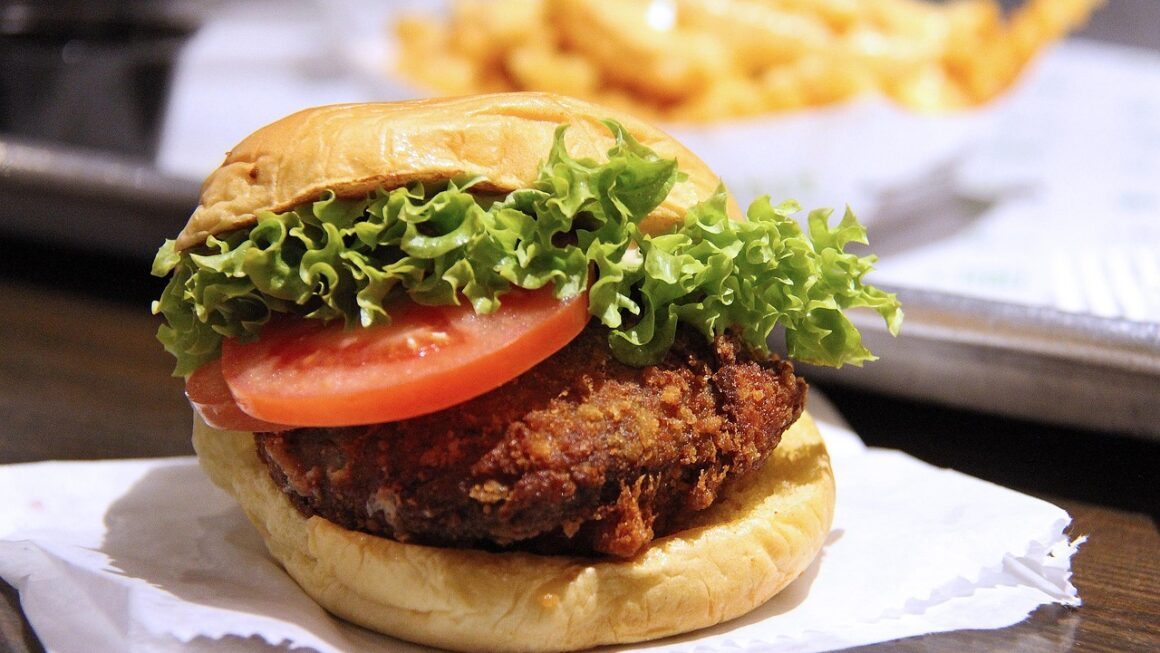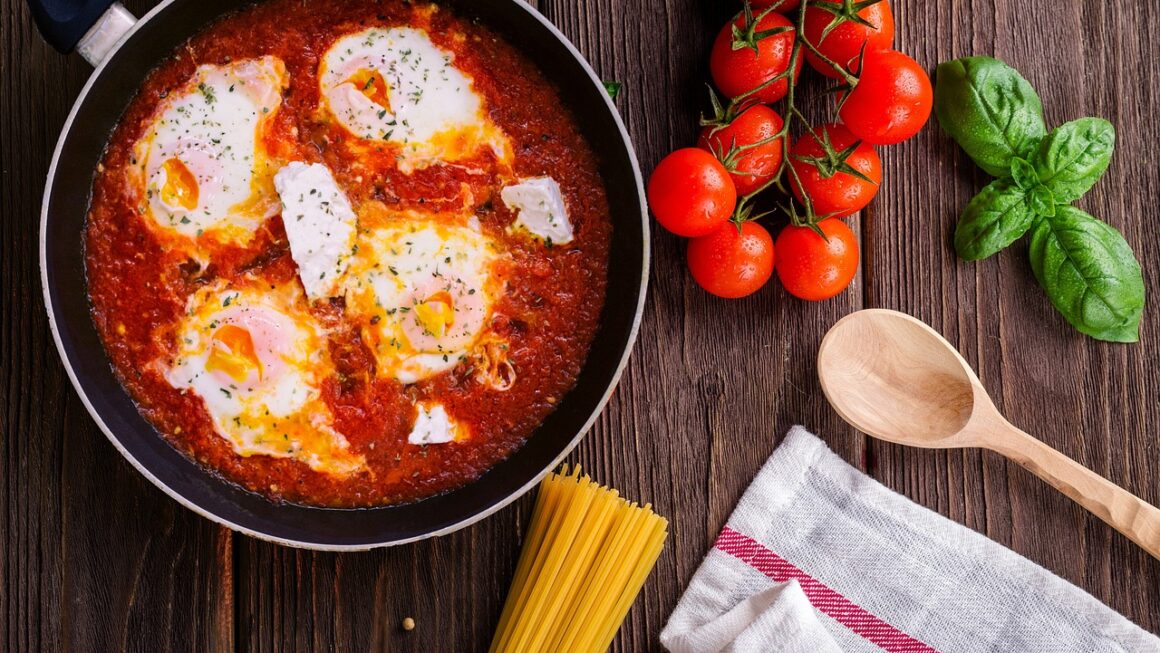

In the hustle and bustle of modern life, there’s a universal craving for something that transcends mere sustenance: a comfort food dinner. It’s more than just a meal; it’s a warm embrace, a culinary hug that nourishes the soul as much as the body. Whether it’s the nostalgic aroma of a slow-cooked stew, the creamy indulgence of a classic pasta dish, or a hearty casserole shared with loved ones, comfort food has an undeniable power to evoke feelings of security, happiness, and home. This post will delve into what makes a dinner truly comforting, explore timeless favorites, guide you in crafting your own perfect meal, and even touch upon how to enjoy these beloved dishes with a healthier twist, ensuring your next comforting meal is both delicious and delightful.
What Defines Comfort Food Dinner?
Comfort food, at its core, is deeply personal and often rooted in memory and emotion. A comfort food dinner isn’t just about the ingredients; it’s about the feeling it evokes, transforming a simple meal into an experience.
Emotional Connection and Nostalgia
The strongest identifier of comfort food is its ability to transport us back in time. These are the dishes often associated with childhood, family gatherings, or specific cherished moments.
- Childhood Memories: Dishes prepared by parents or grandparents often become lifelong comfort foods, imbued with the love and care of those who made them.
- Sense of Security: In times of stress or uncertainty, familiar flavors and textures provide a sense of stability and reassurance.
- Tradition: Many comfort foods are tied to cultural or family traditions, passed down through generations.
Actionable Takeaway: Think about your own culinary past. What dishes bring back the fondest memories? Those are often your most profound comfort foods.
Key Characteristics of Comforting Meals
While the emotional aspect is paramount, certain culinary traits are common across many comfort food dinners.
- Hearty & Substantial: They often leave you feeling satisfied and full, not just physically but emotionally.
- Simple, Wholesome Ingredients: Often made with accessible, real ingredients that don’t require fancy techniques.
- Warmth & Richness: Many comfort foods are served warm or hot, providing a cozy sensation, often featuring rich sauces, cheeses, or gravies.
- Ease of Preparation (Sometimes): While some are slow-cooked, many are relatively straightforward to prepare, adding to their comforting nature.
Actionable Takeaway: When planning a comfort food dinner, prioritize dishes with wholesome, familiar ingredients and a satisfying texture.
Classic Comfort Food Dinners to Savor
Across cultures and cuisines, certain dishes have earned their place in the pantheon of ultimate comfort food dinners. These are the go-to meals that consistently deliver on flavor and fulfillment.
Hearty Stews and Casseroles
These one-pot wonders are the epitome of set-it-and-forget-it deliciousness, perfect for a cozy evening.
- Beef Bourguignon: A French classic featuring tender beef slow-cooked in red wine with vegetables. The rich, savory broth is pure bliss.
- Chicken Pot Pie: Creamy chicken and vegetables encased in a flaky, golden crust – a complete meal in every bite.
- Shepherd’s Pie (or Cottage Pie): Ground meat (lamb for Shepherd’s, beef for Cottage) simmered with vegetables, topped with a generous layer of mashed potatoes and baked until golden.
- Macaroni and Cheese Bake: While a stovetop mac and cheese is good, a baked version with a crispy breadcrumb topping offers an extra layer of textural comfort.
Practical Tip: Make a large batch of stew or casserole. It often tastes even better the next day and provides easy leftovers for lunch.
Pasta and Baked Dishes
Pasta has an inherent comforting quality, offering versatility and satisfying carb goodness, while baked dishes bring warmth and a glorious aroma.
- Lasagna: Layers of pasta, rich meat sauce, creamy béchamel, and melted cheese, baked until bubbly and browned.
- Spaghetti and Meatballs: A timeless Italian-American favorite, simple yet profoundly satisfying with robust marinara sauce.
- Baked Ziti: Similar to lasagna but often easier to assemble, featuring tubular pasta baked with ricotta, mozzarella, and marinara.
- Tuna Noodle Casserole: A vintage classic featuring egg noodles, canned tuna, and peas in a creamy sauce, often topped with potato chips or breadcrumbs.
Actionable Takeaway: Elevate your pasta dishes by making your sauce from scratch; the depth of flavor is unmatched.
Soups and Homestyle Classics
A steaming bowl of soup can be the ultimate comfort, especially when paired with something equally wholesome.
- Tomato Soup with Grilled Cheese: The quintessential childhood pairing, offering a delightful contrast of creamy, acidic soup and buttery, cheesy sandwich.
- French Onion Soup: Rich beef broth, caramelized onions, and a crusty bread crouton smothered in melted Gruyère cheese.
- Roast Chicken with Root Vegetables: A whole roasted chicken, succulent and tender, surrounded by earthy potatoes, carrots, and parsnips. Simple perfection.
Practical Tip: For an extra layer of comfort, serve your soup with homemade crusty bread or warm cornbread.
Crafting Your Perfect Comfort Food Experience
Making a comfort food dinner isn’t just about following a recipe; it’s about intentionality and creating an atmosphere that enhances the meal.
Ingredient Selection Matters
High-quality ingredients, even for simple dishes, can significantly elevate the flavor profile of your comfort food.
- Fresh Produce: Opt for seasonal vegetables and herbs for peak flavor.
- Quality Meats: Choose well-marbled cuts for stews and roasts, and good quality ground meat for pies and sauces.
- Dairy & Cheeses: Invest in good quality cheeses for melting and rich cream or butter for sauces.
Actionable Takeaway: Don’t skimp on the main ingredients. A good quality cheese can transform a simple mac and cheese into a gourmet experience.
Cooking Techniques for Depth of Flavor
Certain cooking methods are synonymous with developing the rich, layered flavors characteristic of comfort food.
- Slow Cooking/Braising: Ideal for tenderizing meats and melding flavors in stews and casseroles.
- Roasting: Brings out the natural sweetness of vegetables and creates crispy textures on meats.
- Sautéing & Caramelizing: Building flavor bases with onions, garlic, and other aromatics.
Practical Tip: Deglaze your pan after browning meat or vegetables to capture all those flavorful bits, adding depth to your sauces.
Personalizing Your Plate and Ambiance
Make your comfort food dinner truly yours by tailoring it to your preferences and setting the right mood.
- Customization: Don’t be afraid to add extra spices, a different type of cheese, or your favorite vegetables to a classic recipe.
- Dietary Needs: Many comfort food recipes can be adapted for gluten-free, dairy-free, or vegetarian diets without sacrificing flavor.
- Set the Mood: Dim the lights, put on some calming music, light a candle. A peaceful environment enhances the comfort.
- Family Style: Serving dishes family-style encourages sharing and connection, central to the comfort food experience.
Actionable Takeaway: Consider the entire experience, from the kitchen to the dining table. A relaxed atmosphere makes the food taste even better.
The Healthier Comfort Food Revolution
Who says comfort food can’t be good for you? With a few smart adjustments, you can enjoy your favorite comforting meals without the guilt, making them a staple for weeknight dinners.
Smart Swaps for Lighter Versions
You don’t have to sacrifice flavor to make your comfort food dinner more nutritious.
- Vegetable Power: Boost the vegetable content in stews, casseroles, and pasta sauces. Think lentils in Shepherd’s Pie or cauliflower in mac and cheese.
- Leaner Proteins: Swap fattier cuts of meat for lean ground turkey, chicken breast, or fish in your favorite recipes.
- Whole Grains: Use whole wheat pasta, brown rice, or quinoa instead of refined grains.
- Dairy Alternatives: Opt for low-fat dairy, almond milk, or cashew cream for creamy sauces.
Practical Tip: When making creamy soups or sauces, blend roasted cauliflower or potatoes into the base for thickness and nutrients without excessive cream.
Portion Control and Mindful Eating
The key to enjoying any food, especially comfort food, is balance and awareness.
- Smaller Portions: Enjoy your favorite dish in moderation. A smaller, satisfying portion can be just as comforting.
- Mindful Consumption: Eat slowly, savor each bite, and truly taste your food. This helps with satisfaction and prevents overeating.
- Pair with Freshness: Serve a vibrant side salad or steamed green vegetables to balance out the richness of the main dish.
Actionable Takeaway: Before reaching for a second helping, pause and check in with your body’s hunger cues. Often, the first portion is enough.
Comfort Food Dinner: More Than Just a Meal
Beyond the flavors and textures, a comfort food dinner holds a deeper significance in our lives, fostering connection and offering a form of self-care.
Building Connections and Traditions
Sharing a comforting meal is a powerful way to bond with family and friends, creating lasting memories.
- Family Rituals: Cooking and eating a specific comfort food every Sunday or for special occasions can become a cherished family tradition.
- Sharing & Caring: Offering a homemade comfort food dinner to a friend in need is a universal gesture of love and support.
- Community Building: Potlucks centered around comfort food often bring diverse groups together.
Actionable Takeaway: Make your comfort food dinner a communal experience. Involve family members in the cooking process or share the meal with neighbors.
Stress Relief and Self-Care
In a world that constantly demands our attention, a comfort food dinner can be a simple, yet effective, act of self-care.
- Therapeutic Cooking: The act of chopping, stirring, and creating can be incredibly meditative and stress-reducing.
- A Moment of Respite: Sitting down to a thoughtfully prepared meal provides a much-needed break from daily pressures.
- Nourishment for Body and Mind: When you feel good, your body and mind are better equipped to handle stress.
Practical Tip: Designate one night a week as “Comfort Food Night” to actively prioritize this form of self-care for yourself or your family.
Conclusion
A comfort food dinner is a multifaceted joy, blending delicious flavors with profound emotional resonance. From the hearty embrace of a classic stew to the simple pleasure of a perfect grilled cheese, these meals offer a much-needed respite, a connection to our past, and a celebration of the present. Whether you stick to time-honored recipes or adapt them for a healthier lifestyle, the essence of comfort food remains the same: it’s about warmth, satisfaction, and the deep, abiding pleasure of sharing a meal that truly feeds the soul. So go ahead, dust off that family recipe, gather your loved ones, and savor the unparalleled delight of your next homemade comfort food dinner.