Embarking on a plant-based journey as a family might seem daunting, especially when thinking about how to keep meal times exciting, nutritious, and appealing to everyone, from toddlers to teens. The good news is that family-friendly vegan meals are not only incredibly delicious and versatile but also packed with health benefits for growing bodies and minds. Forget the myth that vegan food is bland or restrictive; we’re here to show you how easy it is to whip up vibrant, hearty, and satisfying plant-based dishes that will have your whole family asking for seconds. Get ready to transform your kitchen into a hub of wholesome, animal-free culinary adventures!
Why Choose Family-Friendly Vegan Meals?
Transitioning to a vegan diet, even partially, offers a myriad of benefits for your family and the planet. It’s an opportunity to explore new flavors, boost nutrient intake, and teach valuable lessons about health and sustainability.
Health Benefits for Growing Kids
A well-planned vegan diet provides all the necessary nutrients for children’s growth and development, often surpassing traditional diets in certain aspects. Studies show that plant-based diets are naturally lower in saturated fat and cholesterol, and higher in fiber, vitamins, and minerals.
- Improved Heart Health: Lower intake of saturated fats can reduce the risk of heart disease later in life.
- Rich in Fiber: Supports healthy digestion and can help prevent childhood obesity.
- Abundant in Vitamins & Minerals: Plant foods are packed with essential nutrients like Vitamin C, folate, potassium, and magnesium.
- Reduced Risk of Chronic Diseases: A diet rich in fruits, vegetables, legumes, and whole grains is linked to a lower risk of type 2 diabetes and certain cancers.
Actionable Takeaway: Focus on whole, unprocessed plant foods to maximize nutrient density and ensure your family gets a wide spectrum of vitamins and minerals.
Environmental Impact & Ethical Considerations
Choosing vegan meals significantly reduces your family’s ecological footprint and promotes animal welfare. It’s a powerful way to make a difference with every meal.
- Lower Carbon Footprint: Plant-based diets generally require less land, water, and energy than meat-heavy diets, contributing less to greenhouse gas emissions.
- Water Conservation: Producing plant foods typically uses significantly less water than raising livestock.
- Animal Welfare: Supports ethical treatment of animals by opting out of industries that can cause harm.
Actionable Takeaway: Involve your kids in discussions about where food comes from and its impact, fostering empathy and environmental awareness.
Expanding Palates and Culinary Adventures
A vegan diet encourages experimentation with diverse ingredients and cuisines, making meal times an exciting journey of discovery.
- Variety of Flavors: Introduces children to a broader range of vegetables, fruits, grains, and spices they might not otherwise encounter.
- New Culinary Skills: Inspires creativity in the kitchen, as you learn to prepare dishes with unfamiliar ingredients.
- Global Cuisine Exploration: Many traditional dishes from around the world are naturally vegan or easily adaptable, opening up a world of culinary experiences.
Actionable Takeaway: Challenge your family to try one new fruit, vegetable, or legume each week, making it a fun game to expand their flavor horizons.
Essential Vegan Pantry Staples for Families
A well-stocked pantry is the secret to whipping up quick, healthy, and delicious vegan meals. Having these staples on hand makes meal planning and preparation a breeze.
Grains & Legumes: The Foundation
These provide essential protein, fiber, and complex carbohydrates, forming the backbone of many hearty vegan dishes.
- Lentils & Beans: Canned chickpeas, black beans, kidney beans, and dried red/green lentils are versatile and economical. Perfect for chilis, tacos, hummus, and stews.
- Whole Grains: Brown rice, quinoa, oats, whole wheat pasta, and whole grain bread. Excellent sources of sustained energy and fiber.
- Pasta: Opt for whole wheat or chickpea/lentil pasta for extra protein and fiber.
Practical Tip: Cook a big batch of grains like quinoa or brown rice at the start of the week for quick additions to salads, bowls, or as a side dish.
Fresh Produce: Colors and Nutrients
Load up on a rainbow of fruits and vegetables to ensure your family gets a wide array of vitamins, minerals, and antioxidants.
- Root Vegetables: Carrots, potatoes, sweet potatoes, onions, garlic – long-lasting and great for roasting, mashing, or stews.
- Leafy Greens: Spinach, kale, collard greens – nutrient powerhouses that can be added to smoothies, pasta sauces, or stir-fries.
- Seasonal Fruits: Apples, bananas, berries, oranges – perfect for snacks, breakfasts, or desserts.
- Versatile Veggies: Broccoli, bell peppers, zucchini, mushrooms – excellent for stir-fries, roasts, or adding to almost any dish.
Practical Tip: Buy frozen fruits and vegetables for convenience and cost-effectiveness. They are just as nutritious and perfect for smoothies or quick additions to meals.
Dairy Alternatives & Flavor Boosters
These items help replicate familiar textures and flavors, making the transition to vegan eating smoother and more enjoyable.
- Plant Milks: Almond, soy, oat, or cashew milk for cereals, smoothies, and cooking. Choose unsweetened varieties.
- Nutritional Yeast: A cheesy-tasting seasoning rich in B vitamins, great for sprinkling on popcorn, pasta, or making cheese sauces.
- Tofu & Tempeh: Excellent protein sources. Tofu is incredibly versatile (scrambles, stir-fries, baking), while tempeh offers a firmer, nuttier texture.
- Nuts & Seeds: Cashews (for creamy sauces), almonds, walnuts, chia seeds, flax seeds – for healthy fats, protein, and fiber.
- Healthy Oils & Vinegars: Olive oil, avocado oil, apple cider vinegar, balsamic vinegar for cooking and dressings.
- Herbs & Spices: Stock up on your favorites to add depth and flavor without relying on animal products. Cumin, paprika, oregano, chili powder are great starting points.
Actionable Takeaway: Experiment with different plant milks to find your family’s favorites, and don’t be afraid to try nutritional yeast for a cheesy kick!
Quick & Easy Weeknight Vegan Dinners
Busy weeknights demand meals that are fast, simple, and satisfying. These family-friendly vegan recipes prove that healthy eating doesn’t have to be time-consuming.
One-Pan Wonders
Minimize cleanup with dishes that cook everything together on a single sheet pan or in one pot.
- Sheet Pan Fajitas: Slice bell peppers, onions, and your choice of protein (sliced tofu, tempeh, or canned jackfruit). Toss with fajita seasoning and a drizzle of oil. Roast until tender and slightly charred. Serve with warm tortillas and your favorite toppings.
- Roasted Chickpea & Veggie Bowl: Combine chickpeas, chopped broccoli, bell peppers, and sweet potato cubes on a sheet pan. Toss with olive oil, smoked paprika, garlic powder, and salt. Roast until vegetables are tender. Serve over quinoa or brown rice with a tahini dressing.
- Lentil Shepherd’s Pie: A hearty lentil and vegetable base (carrots, peas, corn) topped with creamy mashed potatoes and baked until bubbly.
Practical Tip: Prep your veggies on Sunday to make these one-pan meals even faster during the week.
Pasta & Noodle Nirvana
Pasta and noodle dishes are perennial kid-favorites and incredibly adaptable to vegan ingredients.
- Creamy Tomato Pasta: Sauté garlic and onions, add canned crushed tomatoes, vegetable broth, and a splash of unsweetened plant milk (cashew or oat work best for creaminess). Simmer, then toss with cooked pasta. Add spinach or cannellini beans for extra nutrition.
- Peanut Noodle Stir-Fry: Quick-cooking noodles tossed with a savory peanut sauce (peanut butter, soy sauce, lime juice, ginger, a touch of maple syrup) and your family’s favorite stir-fry vegetables like broccoli, carrots, and bell peppers, along with some edamame or pan-fried tofu.
- Hidden Veggie Mac ‘n’ Cheese: Blend steamed carrots, potatoes, and nutritional yeast with plant milk and seasonings to create a rich, cheesy sauce for pasta. Kids won’t even know it’s packed with veggies!
Practical Tip: Cook extra pasta or noodles to easily transform into a different meal the next day, like a cold pasta salad.
Burger & Wrap Extravaganza
Burgers and wraps are fun, customizable, and always a hit with kids. They’re also excellent vehicles for plant-based goodness.
- Black Bean Burgers: Mash cooked black beans with breadcrumbs, diced onions, spices (cumin, chili powder), and a binder (flax egg or oat flour). Form patties and pan-fry or bake. Serve on whole-grain buns with lettuce, tomato, avocado, and pickles.
- Tofu “Chicken” Salad Wraps: Crumble firm tofu and mix with vegan mayo, celery, red onion, grapes (optional), and seasonings. Serve in whole wheat tortillas or pita bread with leafy greens.
- Veggie & Hummus Pinwheels: Spread hummus on a whole wheat tortilla, layer with thinly sliced cucumbers, carrots, bell peppers, and spinach. Roll up tightly and slice into pinwheels for a fun, bite-sized meal or snack.
Actionable Takeaway: Involve kids in building their own burgers or wraps with a variety of toppings, empowering them to choose their healthy favorites.
Making Vegan Meals Kid-Approved (and Parent-Loved!)
Getting kids excited about plant-based eating can be a fun challenge. These strategies focus on presentation, involvement, and clever ingredient integration.
Sneaky Veggies: The Art of Disguise
Incorporating vegetables without making them the star can be a game-changer for picky eaters.
- Blended into Sauces: Purée cooked carrots, zucchini, bell peppers, or spinach into tomato-based pasta sauces, soups, or even vegan cheese sauces.
- Mashed into Dishes: Add mashed cauliflower or sweet potato to vegan casseroles or lentil loaves.
- Grated & Hidden: Finely grate carrots or zucchini into vegan muffins, pancakes, or black bean burger mixtures.
- Smoothie Power-Ups: A handful of spinach or half an avocado can disappear unnoticed in a fruit-heavy smoothie.
Practical Tip: Start small. Introduce a tiny amount of a “sneaky” veggie first and gradually increase the quantity as your child accepts the flavor.
Get Them Involved: Cooking with Kids
Kids are more likely to eat what they help prepare. Make meal prep a family activity.
- Age-Appropriate Tasks:
- Toddlers: Washing vegetables, stirring ingredients, tearing lettuce.
- Preschoolers: Mashing, pouring, setting the table, measuring ingredients.
- School-Aged Kids: Chopping (with supervision), reading recipes, kneading dough, assembling meals.
- Choose-Your-Own-Adventure Meals: Offer a “build-your-own” bar for tacos, pizzas, or Buddha bowls, allowing kids to pick their preferred toppings.
- Gardening Together: If possible, grow some herbs or vegetables. Kids are often more enthusiastic about eating what they’ve helped cultivate.
Actionable Takeaway: Assign a “chef helper” role each evening, giving your child a sense of ownership and pride in the meal.
Fun Presentations & Flavor Exploration
Making food visually appealing and offering a variety of flavors can significantly boost kid appeal.
- Cookie Cutter Fun: Use cookie cutters to shape sandwiches, pancakes, or cut vegetables into fun forms.
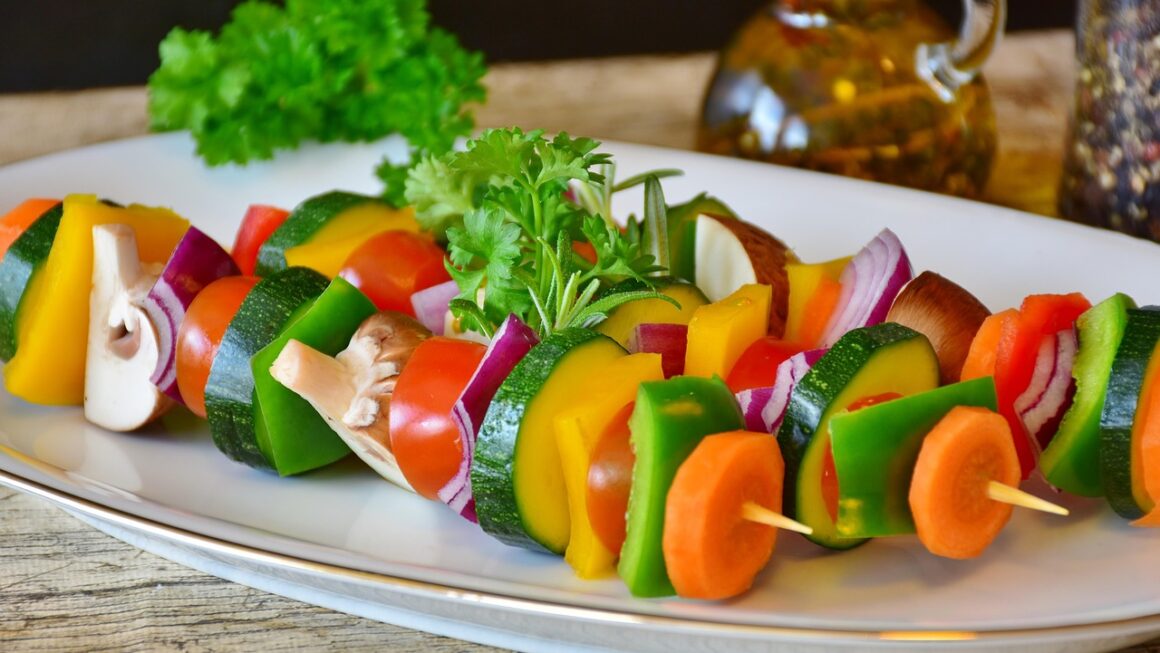
- Color & Contrast: Arrange food to create a colorful plate. Kids are attracted to bright, vibrant meals.
- Dips Galore: Offer a variety of healthy vegan dips like hummus, guacamole, or a simple tahini dressing with cut-up veggies or crackers.
- Mild to Wild: Start with mild flavors and gradually introduce new spices and herbs. Allow kids to try small amounts of new flavors on the side.
Actionable Takeaway: Create “snack boards” with an assortment of fruits, veggies, crackers, and dips for a fun and engaging way to encourage healthy snacking or light meals.
Conclusion
Adopting family-friendly vegan meals doesn’t have to be an overhaul; it’s an exciting journey of discovery, health, and flavor. By stocking your pantry with versatile plant-based staples, exploring quick and easy recipes, and involving your children in the cooking process, you can create a vibrant, nutritious, and delicious culinary experience for everyone at your table. Remember, every plant-powered meal is a step towards a healthier family and a healthier planet. Start simple, be patient, and most importantly, have fun exploring the incredible world of vegan cuisine together!