
The aroma of melting cheese, savory sauce, and your favorite toppings baking to perfection – there’s perhaps no comfort food more universally beloved than pizza. For those embarking on a ketogenic lifestyle, the thought of giving up this culinary delight can be a significant hurdle. Traditional pizza, with its carb-heavy crust, is a definite no-go. But what if we told you that you don’t have to sacrifice your pizza cravings on keto? Enter the glorious world of keto pizza, a delicious and compliant way to enjoy this classic dish without kicking yourself out of ketosis. Get ready to transform your pizza night into a guilt-free feast!
Why Keto Pizza? The Low-Carb Revolution
Understanding why keto pizza is not just a trend but a game-changer for many following a ketogenic diet is crucial. It’s about finding delicious alternatives that align with your health goals.
The Keto Challenge and Pizza Craving
The ketogenic diet emphasizes very low carbohydrate intake, moderate protein, and high fat to shift your body into a metabolic state called ketosis, where it burns fat for fuel. Traditional pizza crusts are made from refined wheat flour, packed with carbs that can quickly derail your efforts. A single slice of regular pizza can easily contain 30-40 grams of net carbs, making an entire pizza an impossibility.
The craving for pizza, however, doesn’t disappear just because you’re on a diet. It’s a powerful psychological and physiological desire for a food that provides comfort, satisfaction, and often, a social experience. Keto pizza addresses this head-on by providing a viable, delicious solution.
Benefits of Going Keto with Your Pizza
Embracing keto pizza offers a multitude of advantages beyond just satisfying a craving:
- Maintains Ketosis: By replacing the high-carb crust with a low-carb alternative, you keep your net carb intake minimal, ensuring you stay in fat-burning mode.
- Supports Weight Management: Keto pizza is typically lower in calories and carbs than its traditional counterpart, aiding in weight loss or maintenance.
- Better Blood Sugar Control: Eliminating refined flours and added sugars helps stabilize blood glucose levels, a significant benefit for everyone, especially those with insulin resistance or diabetes.
- High in Nutrients: Many keto crusts (like cauliflower) and toppings boost your vegetable intake, adding essential vitamins and minerals.
- Eliminates Guilt: Enjoying a delicious meal without the subsequent guilt or regret is a huge psychological boost, making the keto journey more sustainable.
Actionable Takeaway: Don’t let your favorite foods be a barrier to your health goals. Keto pizza proves that you can enjoy indulgence without compromise, making your ketogenic lifestyle more sustainable and enjoyable.
Mastering the Keto Pizza Crust: Your Foundation
The crust is the heart of any pizza, and on keto, it’s where the magic truly happens. There are several fantastic low-carb options, each offering a unique texture and flavor profile.
Popular Keto Crust Options
Choosing the right crust is essential for your keto pizza experience. Here are the top contenders:
- Cauliflower Crust:
- Description: Made from finely riced cauliflower, often mixed with an egg and a little cheese as a binder.
- Pros: Excellent way to sneak in extra vegetables, relatively low in calories, and can achieve a surprisingly good texture when prepared correctly.
- Cons: Can sometimes be a bit soggy if not pressed and pre-baked properly, and has a subtle cauliflower flavor that some may detect.
- Almond Flour/Coconut Flour Crust:
- Description: These crusts use finely ground nuts or coconut flour as their base, often with eggs and a leavening agent.
- Pros: Offers a more bread-like texture than cauliflower, can be quite sturdy, and is naturally gluten-free.
- Cons: Can be denser and higher in calories/fat than cauliflower. Coconut flour is very absorbent, requiring precise measurements.
- Fathead Dough (Mozzarella & Cream Cheese):
- Description: A revolutionary dough made primarily from melted mozzarella cheese, cream cheese, almond flour, and an egg.
- Pros: Exceptionally chewy and pliable, easy to work with, and has a fantastic savory flavor that complements pizza toppings perfectly. It’s a very popular choice for a reason!
- Cons: Higher in fat and calories due to the cheese content, so portion control is key.
Tips for a Perfect Keto Crust
No matter which crust you choose, a few universal tips will elevate your keto pizza game:
- Squeeze, Squeeze, Squeeze (for cauliflower): If using cauliflower, it is critical to remove as much moisture as possible from the cooked, riced cauliflower. Place it in a nut milk bag or a clean kitchen towel and wring out every drop. This prevents a soggy crust.
- Press it Thin: For a crispier crust, always press your dough as thin as possible without tearing it. A thinner crust will cook more evenly and develop a better texture.
- Pre-Bake is Non-Negotiable: Always pre-bake your keto crust before adding toppings. This allows it to firm up and lightly brown, preventing a doughy or soggy final product. Pre-bake for 8-15 minutes, depending on the crust type and thickness.
- Season Your Crust: Don’t forget to season your crust itself! A sprinkle of garlic powder, onion powder, oregano, or a pinch of salt can significantly enhance the overall flavor.
Actionable Takeaway: Experiment with different crusts to find your favorite. Always prioritize moisture removal (especially for cauliflower) and pre-baking to achieve a sturdy, delicious foundation for your keto pizza.
Toppings Galore: Keeping it Keto-Friendly
With your perfect keto crust ready, it’s time for the fun part: toppings! This is where you can truly unleash your creativity, provided you keep carb counts in mind.
Sauce Selection: The Unsung Hero
The sauce binds all the flavors together. Traditional pizza sauces can hide surprising amounts of sugar, so choose wisely.
- Tomato-Based Sauces: Look for brands labeled “no sugar added” or check the nutrition label carefully. Many brands now offer excellent low-carb marinara or pizza sauces. A good rule of thumb is to aim for 2-4g net carbs per serving.
- Pesto: A fantastic low-carb alternative made from basil, pine nuts, Parmesan, garlic, and olive oil. It offers a rich, aromatic flavor.
- Alfredo/Cream Sauces: For a decadent white pizza, a homemade or quality store-bought Alfredo sauce (without thickeners like flour) can be incredibly keto-friendly.
Practical Example: When buying sauce, quickly scan the ingredient list for “sugar,” “high-fructose corn syrup,” or other sweeteners. The lower the carb count per serving (usually 1/4 cup), the better.
Protein Powerhouses
Load up on protein to make your pizza satisfying and filling. Most meats are naturally low-carb and keto-friendly:
- Classic Meats: Pepperoni, sausage (check for added sugar/fillers), bacon, ham.
- Poultry: Grilled chicken, shredded turkey.
- Ground Meats: Seasoned ground beef or pork.
- Seafood: Shrimp, anchovies, smoked salmon (post-bake).
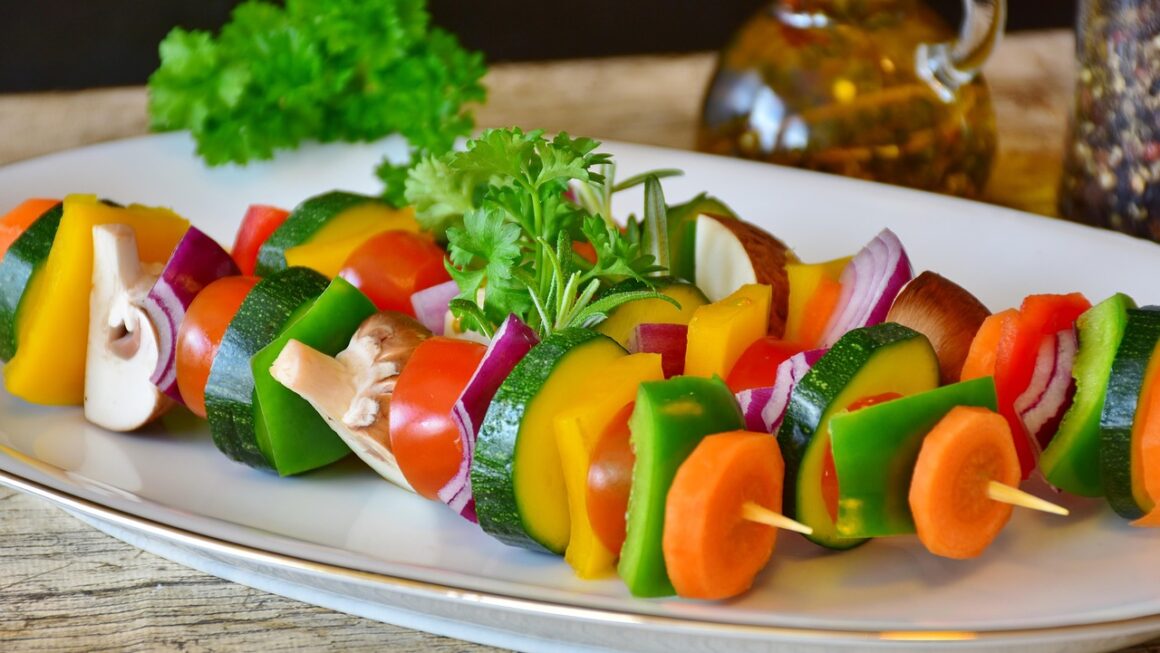
Veggie Variety for Flavor and Nutrients
While vegetables are healthy, some are higher in carbs than others. Focus on low-carb options:
- Leafy Greens: Spinach, kale (add closer to the end of baking to prevent burning).
- Mushrooms: Sliced button, cremini, or portobello mushrooms.
- Peppers: Bell peppers (red, green, yellow – in moderation due to higher sugar content than other veggies), jalapeños.
- Onions: Sliced red or white onions (use sparingly as they have more carbs).
- Olives: Black or green olives.
- Artichoke Hearts: Canned or jarred (ensure they’re packed in water or oil, not marinated in sugar).
- Broccoli/Asparagus: Lightly steamed or roasted florets/spears.
Practical Example: To prevent watery veggies on your pizza, consider sautéing high-moisture vegetables like mushrooms and bell peppers briefly before adding them to the pizza. This concentrates their flavor and removes excess water.
Cheese, Please!
Cheese is a keto dieter’s best friend. Opt for full-fat varieties for maximum flavor and satiety.
- Mozzarella: The classic pizza cheese, either shredded or fresh.
- Cheddar: Sharp or mild, adds a robust flavor.
- Provolone: Melts beautifully and adds a nice tang.
- Parmesan/Asiago: Excellent for grating over the top for extra flavor.
- Goat Cheese/Feta: For a gourmet touch and creamy texture.
- Ricotta: Dollops of full-fat ricotta can add a delightful creaminess.
Actionable Takeaway: Be adventurous with your toppings, but always be mindful of hidden sugars in sauces and the carb content of certain vegetables. Fresh, whole ingredients are always best.
Beyond the Basics: Advanced Keto Pizza Tips & Tricks
Once you’ve mastered the fundamentals, these tips will help you take your keto pizza to the next level, ensuring a truly gourmet experience every time.
Enhancing Flavor and Texture
- Herbs & Spices: Don’t underestimate the power of dried oregano, basil, garlic powder, and a pinch of red pepper flakes mixed into your sauce or sprinkled over the cheese. Fresh basil, torn and added after baking, adds a vibrant, aromatic finish.
- Roast Your Veggies: As mentioned, pre-roasting vegetables like bell peppers, onions, and mushrooms before adding them to the pizza concentrates their flavor and prevents them from releasing excess water during baking.
- A Drizzle of Olive Oil: A light drizzle of good quality extra virgin olive oil over the top of your pizza just before serving can add a wonderful richness and sheen.
- Crisp it Up: For the ultimate crispy crust, bake your pizza on a preheated pizza stone or a cast-iron pan. The direct heat helps achieve a perfectly crisp bottom. Ensure your oven and stone are at temperature before adding the pizza.
Practical Example: If you’re struggling with a slightly soggy crust, try transferring your finished pizza directly onto the oven rack for the last 2-3 minutes of baking. This allows air to circulate underneath, crisping up the bottom.
Meal Prep and Storage
Keto pizza doesn’t have to be a one-time affair. With a little planning, you can enjoy it throughout the week!
- Pre-make Crusts: Bake your keto crusts in advance, let them cool completely, and then store them in an airtight container in the fridge for up to 3-4 days, or freeze them for longer. This significantly cuts down on prep time for future pizza nights.
- Portion and Freeze: If you make a large pizza, cut it into individual slices once it’s cooled. Wrap each slice tightly in plastic wrap, then aluminum foil, and freeze for up to 1-2 months. Reheat in a toaster oven or air fryer for a quick, delicious meal.
- Prep Toppings: Slice and dice your favorite low-carb veggies and store them in separate containers in the fridge, ready to assemble on your pre-made crusts.
Actionable Takeaway: Don’t just make keto pizza; make it an integral part of your meal plan. Utilize meal prep strategies to enjoy delicious, healthy pizza with minimal effort any day of the week.
Conclusion
The notion that a ketogenic diet means saying goodbye to your favorite foods is a myth that keto pizza joyfully dispels. With a little creativity and knowledge of low-carb ingredients, you can craft a pizza that is not only compliant with your keto lifestyle but also incredibly satisfying and delicious. From versatile crust options like cauliflower, almond flour, and the beloved Fathead dough, to an array of keto-friendly sauces and toppings, the possibilities are endless.
Embrace the challenge of making your own keto pizza, experiment with flavors, and revel in the fact that you can enjoy this culinary icon without derailing your health goals. Keto pizza is more than just a recipe; it’s a testament to the adaptability and deliciousness of the low-carb lifestyle. So go ahead, preheat that oven, and get ready to indulge in a slice of guilt-free heaven!