In a world increasingly prioritizing health and sustainability, the fusion of a low-carbohydrate approach with a vegan lifestyle is gaining significant traction. For many, embarking on a low-carb vegan meal plan seems like a challenging endeavor, fraught with questions about protein sources, healthy fats, and overall nutritional adequacy. However, with careful planning and an understanding of the right plant-based foods, this dietary path can be incredibly rewarding, offering a host of benefits from improved energy levels and weight management to enhanced blood sugar control. This comprehensive guide will demystify the low-carb vegan lifestyle, providing you with the knowledge and practical tools to thrive on a delicious and nutrient-rich plant-based diet.
Understanding Low-Carb Veganism
The concept of a low-carb vegan diet combines the principles of carbohydrate restriction with a commitment to plant-based eating. It’s a powerful approach for those seeking the metabolic benefits of a low-carb diet while adhering to ethical and environmental values associated with veganism.
What is Low-Carb Vegan?
A low-carb vegan diet focuses on significantly reducing carbohydrate intake, typically to 20-50 grams of net carbs per day (total carbs minus fiber), while exclusively consuming plant-based foods. This means eliminating all animal products, including meat, dairy, eggs, and honey. The emphasis shifts to:
- High-quality plant proteins: Ensuring adequate protein intake for satiety and muscle maintenance.
- Healthy fats: Utilizing fats as the primary energy source, promoting satiety and metabolic flexibility.
- Non-starchy vegetables: Maximizing nutrient intake while keeping carbohydrate counts low.
- Minimizing sugars and grains: Avoiding refined carbohydrates, starchy vegetables like potatoes, and most grains and legumes (in high amounts) to maintain ketosis or low blood sugar levels.
Why Choose a Low-Carb Vegan Lifestyle?
Adopting a low-carb plant-based diet offers a unique combination of advantages that cater to various health and ethical goals. Some key benefits include:
- Weight Management: By reducing carbohydrate intake, the body often switches to burning fat for fuel, which can aid in weight loss and improved body composition. The emphasis on healthy fats and protein also promotes greater satiety.
- Improved Blood Sugar Control: For individuals with type 2 diabetes or insulin resistance, this diet can be highly effective in stabilizing blood glucose levels and reducing the need for medication.
- Increased Energy and Mental Clarity: Many report a more stable energy throughout the day, avoiding the “sugar crashes” associated with high-carb meals, and experiencing enhanced focus.
- Reduced Inflammation: A whole-foods, plant-based diet is naturally rich in antioxidants and anti-inflammatory compounds, which can help mitigate chronic inflammation.
- Heart Health Benefits: Emphasizing healthy fats like avocados, nuts, and olive oil, combined with high fiber intake from vegetables, can support cardiovascular well-being.
- Ethical and Environmental Impact: Aligning with vegan principles reduces your environmental footprint and supports animal welfare.
Essential Low-Carb Vegan Food Groups
Building a successful low-carb vegan meal plan requires familiarity with the right ingredients. Fortunately, the plant kingdom offers a diverse array of delicious and nutritious options that fit perfectly within these guidelines.
Powerhouse Plant Proteins
Protein is crucial for muscle repair, hormone production, and satiety. On a low-carb vegan diet, strategic protein choices are paramount.
- Tofu and Tempeh: Versatile soy products that are excellent sources of complete protein. Tofu is great for absorbing flavors, while tempeh offers a firmer, nuttier texture. A 3.5oz (100g) serving of firm tofu contains about 8g net carbs and 8g protein, while tempeh has around 5g net carbs and 19g protein.
- Seitan: A high-protein, low-carb wheat gluten product. While it’s low in carbs, some may choose to limit it due to gluten content.
- Protein Powders: Pea, hemp, or pumpkin seed protein powders can supplement your intake, especially in smoothies. Ensure they are unsweetened and low-carb.
- Nuts and Seeds: Hemp seeds, chia seeds, flax seeds, pumpkin seeds, and almonds are not only good sources of protein but also healthy fats.
- Nutritional Yeast: A cheesy-flavored seasoning that provides a good dose of B vitamins and some protein.
Healthy Fats are Your Friend
Healthy fats are critical for energy, nutrient absorption, and satiety on a low-carb diet. They help keep you full and satisfied throughout the day.
- Avocados: Rich in monounsaturated fats, potassium, and fiber. An average avocado contains only about 4g net carbs.
- Nuts: Almonds, walnuts, pecans, macadamia nuts are great for snacks or adding to meals. Be mindful of portion sizes as carbs can add up.
- Seeds: Chia seeds, flax seeds, hemp seeds, and pumpkin seeds are packed with Omega-3s, fiber, and healthy fats.
- Oils: Extra virgin olive oil, avocado oil, and coconut oil are excellent for cooking and dressings.
- Nut Butters: Unsweetened almond butter, peanut butter (in moderation), or macadamia nut butter can be used. Always check labels for added sugars.
Non-Starchy Vegetables: The Foundation
These vegetables are the backbone of any low-carb vegan meal plan, providing essential vitamins, minerals, and fiber without a high carbohydrate load.
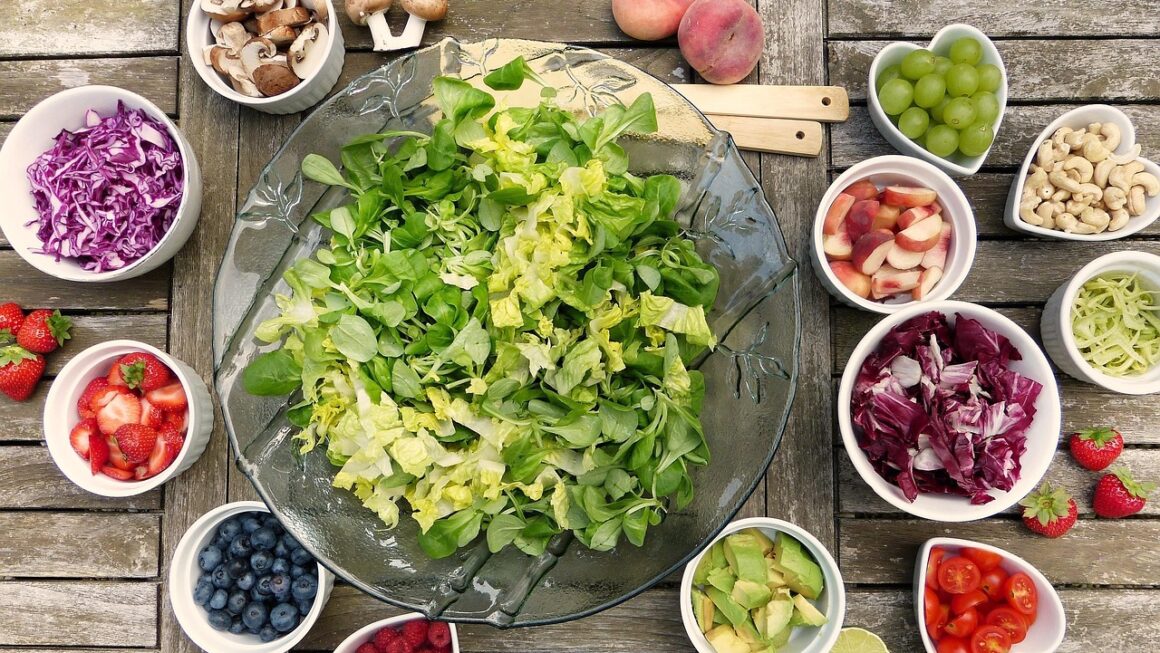
- Leafy Greens: Spinach, kale, romaine lettuce, collard greens, Swiss chard. Eat these in abundance!
- Cruciferous Vegetables: Broccoli, cauliflower, Brussels sprouts, cabbage. They are incredibly versatile for roasting, steaming, or stir-frying. Cauliflower can be used as a rice or mashed potato substitute.
- Other Low-Carb Veggies: Zucchini, asparagus, bell peppers (especially green), mushrooms, green beans, cucumber, celery.
Low-Carb Fruits (in moderation)
While many fruits are high in sugar, a few can be enjoyed in small portions on a plant-based keto diet.
- Berries: Strawberries, raspberries, blueberries, and blackberries are lower in sugar compared to other fruits. A small handful can be a delightful treat.
- Avocado: Yes, it’s botanically a fruit! And a fantastic source of healthy fats with minimal net carbs.
Crafting Your Low-Carb Vegan Meal Plan
Strategic meal planning is key to success on a low-carb vegan diet. It ensures you get adequate nutrients, prevents boredom, and helps you stay on track with your carb limits.
Macronutrient Focus
While exact ratios vary by individual, a general guideline for a low-carb vegan diet often looks like this:
- Fats: 60-75% of your daily calories. This is your primary energy source.
- Protein: 20-30% of your daily calories. Aim for 0.8-1.2 grams per kg of body weight.
- Net Carbs: 5-10% of your daily calories, typically 20-50 grams per day.
Using a food tracking app can be incredibly helpful in the beginning to understand the carb content of various plant foods and fine-tune your ratios.
Meal Planning Strategies
To make your low-carb plant-based meal plan sustainable and enjoyable, consider these strategies:
- Batch Cooking: Dedicate a few hours on a weekend to prepare components like roasted vegetables, cooked tofu/tempeh, or low-carb vegan “cheese” sauces. This saves significant time during busy weekdays.
- Variety is Key: Don’t eat the same thing every day. Explore different recipes, spices, and cooking methods to keep your meals exciting and ensure a broad spectrum of nutrients.
- Listen to Your Body: Pay attention to hunger and fullness cues. Since fats are very satiating, you might find yourself eating fewer, larger meals.
- Plan Snacks: Have readily available low-carb vegan snacks like a handful of almonds, an avocado, or celery sticks with nut butter to avoid reaching for high-carb options when hunger strikes.
Hydration and Electrolytes
When transitioning to a low-carb diet, your body sheds water and electrolytes more rapidly. This can lead to symptoms often referred to as “keto flu.”
- Drink Plenty of Water: Aim for at least 8-10 glasses of filtered water daily.
- Supplement Electrolytes: Consider adding mineral-rich foods like leafy greens, avocados, and seeds. You may also benefit from a low-carb electrolyte supplement, or simply adding a pinch of Himalayan pink salt to your water.
Sample 3-Day Low-Carb Vegan Meal Plan
Here’s a practical, actionable low-carb vegan meal plan to get you started. This plan focuses on whole, unprocessed foods and offers variety and flavor.
Day 1: Energizing & Nutrient-Dense
- Breakfast: Avocado & Tofu Scramble. Sauté crumbled firm tofu with nutritional yeast, turmeric, black salt (kala namak for eggy flavor), spinach, and diced bell peppers. Serve with half an avocado.
- Lunch: Big Green Salad with Tempeh Crumbles. A large bowl of mixed greens (spinach, romaine, kale) topped with cucumber, bell peppers, olives, sunflower seeds, and seasoned tempeh crumbles. Dress with olive oil and apple cider vinegar.
- Dinner: Cauliflower Rice Stir-fry. Sauté cauliflower rice with broccoli florets, mushrooms, snap peas, and cubed seitan or extra-firm tofu in a low-carb peanut sauce (made with unsweetened peanut butter, tamari, ginger, garlic, and a touch of stevia).
- Snack: Small handful of almonds and a few celery sticks with unsweetened almond butter.
Day 2: Flavorful & Satisfying
- Breakfast: Chia Seed Pudding. Mix 3 tbsp chia seeds with 1 cup unsweetened almond milk, a scoop of low-carb vegan protein powder, a few drops of liquid stevia, and a sprinkle of cinnamon. Let it set overnight. Top with a few raspberries.
- Lunch: Leftover Cauliflower Rice Stir-fry or a hearty bowl of vegetable broth soup with non-starchy veggies and crumbled tempeh.
- Dinner: “Zucchini Noodle” Pesto Pasta. Spiralized zucchini noodles tossed with a homemade vegan pesto (basil, pine nuts/walnuts, nutritional yeast, olive oil, garlic) and sun-dried tomatoes. Add pan-fried tofu cubes for extra protein.
- Snack: Guacamole with bell pepper strips or cucumber slices.
Day 3: Creative & Easy
- Breakfast: Green Smoothie. Blend unsweetened almond milk, a handful of spinach, 1/4 avocado, 1 scoop low-carb vegan protein powder, 1 tbsp flax seeds, and a few ice cubes.
- Lunch: Avocado & Hemp Seed Salad. Diced avocado, cucumber, cherry tomatoes (in moderation), and generous sprinkle of hemp seeds on a bed of mixed greens. Drizzle with lemon juice and olive oil.
- Dinner: Stuffed Portobello Mushrooms. Large portobello mushroom caps filled with a mixture of sautéed spinach, diced onions, garlic, nutritional yeast, and finely chopped walnuts. Bake until tender. Serve with a side of steamed asparagus.
- Snack: Olives or a small portion of macadamia nuts.
Navigating Challenges and Ensuring Nutritional Adequacy
While a low-carb vegan diet offers many benefits, it’s important to be aware of potential challenges and ensure you’re getting all essential nutrients. Proactive planning can help you overcome these hurdles.
Common Challenges & Solutions
- Hunger and Cravings: Initially, your body may crave carbohydrates. Ensure adequate fat intake to promote satiety. Drink plenty of water and enjoy fiber-rich non-starchy vegetables.
- Actionable Takeaway: Stock up on low-carb vegan snacks like olives, nuts, seeds, and avocado. Make sure your main meals include sufficient protein and healthy fats.
- Social Situations: Eating out or attending social gatherings can be tricky.
- Actionable Takeaway: Scope out restaurant menus beforehand. Don’t be afraid to ask for modifications (e.g., extra veggies instead of rice, oil and vinegar dressing). Offer to bring a low-carb vegan dish to potlucks.
- Limited Variety: If you don’t plan well, you might fall into a rut of eating the same few foods.
- Actionable Takeaway: Explore new recipes regularly. Experiment with different spices and cooking methods. Use low-carb vegan cookbooks or online resources for inspiration.
Key Nutrients to Monitor
While well-planned, any vegan diet requires attention to certain nutrients, and a low-carb variant is no exception. It’s wise to consider supplementation for some.
- Vitamin B12: Exclusively found in animal products. Supplementation is essential for all vegans.
- Iron: Plant-based iron (non-heme) is less bioavailable. Pair iron-rich foods (spinach, kale, lentils – in moderation for carbs, tofu, tempeh) with Vitamin C to enhance absorption.
- Actionable Takeaway: Cook in cast iron pans and consume vitamin C-rich foods like bell peppers with your meals.
- Calcium: Abundant in fortified plant milks, dark leafy greens, tofu (calcium-set), and sesame seeds.
- Actionable Takeaway: Include diverse sources of calcium daily.
- Omega-3 Fatty Acids: ALA is found in flax seeds, chia seeds, and walnuts. For DHA and EPA, consider an algae-based supplement.
- Actionable Takeaway: Incorporate flax and chia seeds daily, and consider an algae-based Omega-3 supplement.
- Iodine: Found in sea vegetables (in moderation) and iodized salt.
- Actionable Takeaway: Use iodized salt or a modest amount of dulse flakes.
- Zinc: Seeds (pumpkin, hemp), nuts, and tofu contain zinc.
- Actionable Takeaway: Ensure varied intake of nuts, seeds, and soy products.
Smart Meal Prep Tips
Efficient meal prep is the cornerstone of a sustainable low-carb vegan lifestyle.
- Chop and Store: Pre-chop all your non-starchy vegetables for the week. Store them in airtight containers.
- Cook Grains/Proteins: Batch cook a large amount of tofu or tempeh, or make a big batch of cauliflower rice or zucchini noodles.
- Prepare Dressings: Make your low-carb vegan dressings and sauces ahead of time.
- Portion Control: Portion out your meals into individual containers for quick grab-and-go options.
- Actionable Takeaway: Dedicate 2-3 hours on a specific day (e.g., Sunday) to do all your meal prepping. This front-loads the work and simplifies your week.
Conclusion
Embracing a low-carb vegan meal plan is a journey that offers profound benefits for your health, the planet, and animal welfare. While it may seem daunting at first, with a solid understanding of suitable ingredients, smart meal planning, and an awareness of key nutrients, this dietary approach is not only feasible but incredibly delicious and rewarding. By focusing on nutrient-dense plant proteins, healthy fats, and an abundance of non-starchy vegetables, you can create a diverse, satisfying, and sustainable eating pattern that supports your well-being. Take the first step today to explore the vibrant world of plant-based keto and unlock a healthier, more energized you.