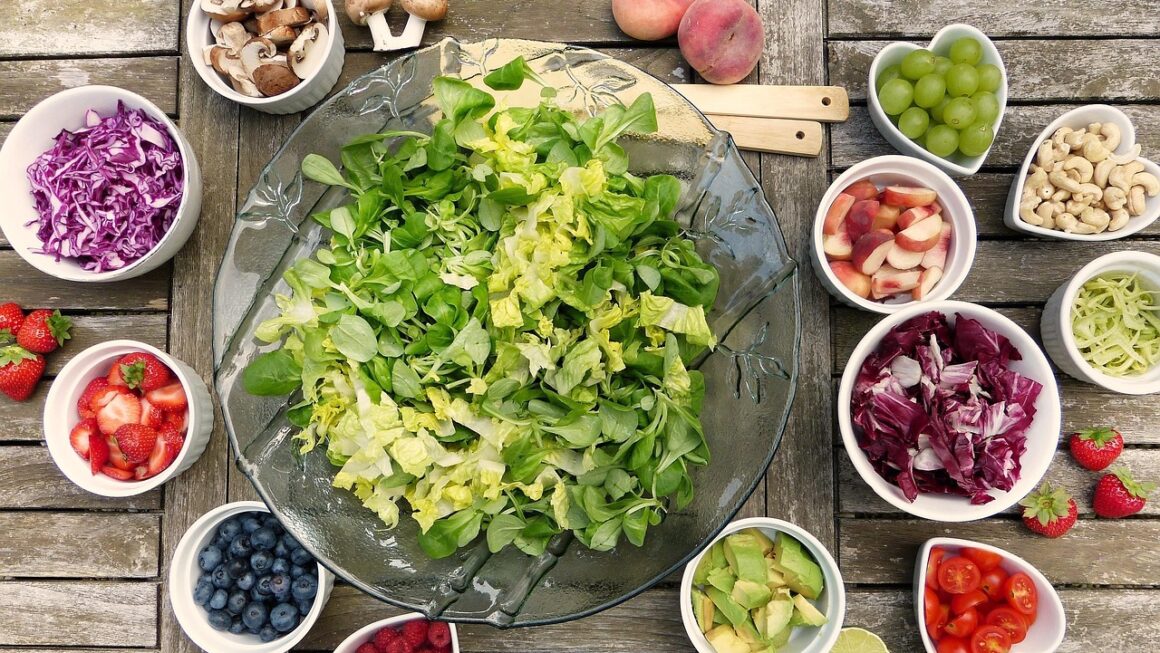
The world of food is evolving, and at its heart lies a vibrant, delicious, and increasingly popular movement: vegan eating. Far from being restrictive or bland, vegan meals and snacks offer an incredible array of flavors, textures, and nutritional benefits. Whether you’re a seasoned plant-based enthusiast or just curious about incorporating more meat-free options into your diet, understanding the breadth of vegan cuisine can open up a world of culinary adventure. This guide will explore practical tips, mouth-watering ideas, and essential insights to help you thrive on a plant-powered journey, proving that eating vegan is not only good for you but also incredibly satisfying.
The Power of Plant-Based Plates: Why Choose Vegan?
Adopting a vegan diet goes beyond just food choices; it’s a lifestyle that impacts health, the environment, and animal welfare. Understanding the multifaceted benefits can empower your journey and deepen your appreciation for plant-based eating.
Unlocking Health Benefits
A well-planned vegan diet is rich in fiber, vitamins, minerals, and antioxidants, while being naturally lower in saturated fat and cholesterol. This nutritional profile contributes to a multitude of health advantages.
- Reduced Risk of Chronic Diseases: Studies suggest that vegan diets can lower the risk of heart disease, type 2 diabetes, certain cancers, and high blood pressure.
- Improved Digestion: The high fiber content from fruits, vegetables, and whole grains promotes a healthy gut microbiome and regular bowel movements.
- Weight Management: Plant-based foods are often less calorie-dense and more filling, aiding in healthy weight management without feeling deprived.
- Increased Energy Levels: Many report feeling more energetic and lighter after transitioning to a vegan diet, thanks to nutrient-dense whole foods.
Actionable Takeaway: Focus on whole, unprocessed plant foods to maximize these health benefits and fuel your body optimally.
Positive Environmental Impact
Our food choices have a significant footprint on the planet. Shifting towards plant-based eating is one of the most effective ways individuals can contribute to environmental sustainability.
- Lower Greenhouse Gas Emissions: Livestock farming is a major contributor to greenhouse gases. Vegan diets have a significantly lower carbon footprint than meat-inclusive diets.
- Reduced Land and Water Usage: Producing plant-based foods generally requires substantially less land and water compared to animal agriculture.
- Conservation of Biodiversity: Decreased demand for animal products can help protect critical habitats and endangered species threatened by deforestation for grazing land or feed crops.
Actionable Takeaway: By choosing vegan meals, you’re actively participating in a more sustainable food system, helping to conserve natural resources for future generations.
Ethical Considerations and Animal Welfare
For many, the ethical treatment of animals is the primary driver behind going vegan. This aspect focuses on minimizing harm and promoting compassion.
- Compassionate Living: A vegan lifestyle avoids all products derived from animals, including meat, dairy, eggs, and honey, preventing suffering in animal agriculture.
- Promoting Animal Rights: It stands as a statement against the exploitation of animals for food, clothing, and other human uses.
Actionable Takeaway: Align your diet with your values by exploring the wealth of delicious plant-based alternatives that don’t compromise on taste or nutrition.
Mastering Vegan Meal Planning: From Breakfast to Dinner
The key to enjoying a vegan lifestyle is thoughtful meal planning. With a little creativity and knowledge, every meal can be a delicious and satisfying experience. Forget bland salads; think vibrant, flavorful, and hearty dishes.
Nutrient-Dense Breakfast Ideas
Start your day right with vegan breakfasts that provide sustained energy and essential nutrients. These options are quick, easy, and endlessly customizable.
- Oatmeal or Porridge: Cooked with plant milk (almond, soy, oat), topped with fresh fruit (berries, banana), nuts, seeds (chia, flax), and a drizzle of maple syrup.
- Tofu Scramble: A savory alternative to scrambled eggs, made with crumbled firm tofu, nutritional yeast for a cheesy flavor, turmeric for color, and your favorite vegetables like spinach, mushrooms, and bell peppers.
- Smoothie Bowls: Blend frozen fruit (berries, mango), spinach, plant milk, and a scoop of vegan protein powder or nut butter. Top with granola, coconut flakes, and more fruit.
- Avocado Toast: Whole-grain toast topped with mashed avocado, everything bagel seasoning, chili flakes, and a squeeze of lime.
Actionable Takeaway: Experiment with different plant milks, fruits, and seeds to find your perfect breakfast combination that keeps you full until lunch.
Satisfying Lunch Solutions
Lunch needs to be both delicious and practical, especially if you’re on the go. These vegan lunch ideas are easy to prepare and pack, ensuring you stay fueled throughout your day.
- Lentil Soup or Chili: Hearty, protein-packed, and perfect for meal prepping. Make a big batch and portion it out for the week.
- Quinoa or Grain Salads: Combine cooked quinoa or farro with roasted vegetables (sweet potato, broccoli), chickpeas, a handful of greens, and a lemon-tahini dressing.
- Hummus and Veggie Wraps/Sandwiches: Spread a generous layer of hummus on a whole-wheat tortilla or bread, add sliced cucumber, carrots, bell peppers, spinach, and perhaps some baked tofu strips.
- Leftovers: The ultimate convenient lunch! Cook extra dinner the night before and pack it for the next day.
Actionable Takeaway: Prepare components like cooked grains, roasted vegetables, and dressings on the weekend to assemble quick and healthy vegan lunches during the week.
Wholesome Dinner Creations
Dinner is a time to unwind and enjoy a hearty meal. Vegan dinners are incredibly diverse, from comforting classics to exciting international flavors.
- Chickpea or Lentil Curries: Creamy, flavorful, and packed with plant protein. Serve with brown rice or naan bread.
- Black Bean Burgers with Sweet Potato Fries: Homemade or store-bought veggie burgers served on whole-grain buns with all your favorite toppings.
- Pasta Primavera: Pasta tossed with seasonal vegetables like asparagus, cherry tomatoes, zucchini, and a light garlic-herb sauce. Nutritional yeast can add a cheesy touch.
- Taco Nights: Fill corn or flour tortillas with seasoned black beans, refried beans, roasted veggies, corn salsa, guacamole, and a cashew crema.
- Stir-fries: Quick and versatile, stir-fry a mix of your favorite vegetables and tofu or tempeh with a savory sauce, served over rice or noodles.
Actionable Takeaway: Explore ethnic cuisines like Indian, Thai, Mexican, or Mediterranean, which often have a rich tradition of naturally vegan dishes.
Smart Snacking: Fueling Your Day the Vegan Way
Snacking is an essential part of maintaining energy levels and satisfying hunger between meals. Vegan snacks can be both delicious and incredibly nutritious, keeping you feeling full and focused.
Quick & Easy Go-To Snacks
Sometimes you need something fast and simple. These options require minimal preparation but deliver maximum satisfaction.
- Fresh Fruit: Apples, bananas, oranges, and grapes are natural, portable, and full of vitamins and fiber.
- Raw Vegetables with Hummus: Carrot sticks, cucumber slices, bell pepper strips, or celery paired with a generous scoop of hummus.
- Handful of Nuts or Seeds: Almonds, walnuts, cashews, pumpkin seeds, or sunflower seeds provide healthy fats, protein, and fiber.
- Rice Cakes with Spreads: Top with avocado, peanut butter, almond butter, or a slice of vegan cheese.
Actionable Takeaway: Keep a stash of these simple snacks readily available in your pantry, fridge, or work bag for instant healthy fuel.
Protein-Packed Snack Options
To avoid energy crashes and keep hunger at bay, incorporate protein-rich vegan snacks into your routine. Protein helps with satiety and muscle repair.
- Edamame: Steamed and lightly salted, edamame pods are a fun, fiber-rich, and protein-packed snack.
- Roasted Chickpeas: Toss chickpeas with spices (paprika, cumin, garlic powder) and roast until crispy for a crunchy, savory treat.
- Plant-Based Yogurt: Opt for unsweetened varieties made from almond, soy, coconut, or oat milk, and add fruit or nuts for extra flavor and nutrients.
- Vegan Protein Bars: Choose bars with whole-food ingredients and minimal added sugars.
Actionable Takeaway: Aim to pair your carbohydrate-rich snacks with a protein source to balance blood sugar and increase feelings of fullness.
Sweet Treats Without Guilt
Who says vegan eating means giving up dessert? There are plenty of delightful plant-based sweet snacks that are both indulgent and often healthier than their conventional counterparts.
- Dates Stuffed with Nut Butter: A naturally sweet and satisfying combination of fiber, healthy fats, and natural sugars.
- Dark Chocolate: Many dark chocolate varieties are naturally vegan. Look for options with 70% cocoa or higher.
- Homemade Energy Balls: Blend oats, dates, nut butter, and cocoa powder (optional) into a sticky mixture, then roll into balls and chill.
- Frozen Grapes or Bananas: A simple, refreshing, and naturally sweet treat, especially on a hot day.
Actionable Takeaway: Satisfy your sweet tooth with naturally occurring sugars from fruits or minimally processed vegan treats, rather than refined sugars.
Essential Vegan Pantry Staples & Kitchen Hacks
A well-stocked pantry is the foundation of easy and delicious vegan cooking. Knowing what to keep on hand, along with some smart kitchen techniques, can transform your meal prep and daily eating experience.
Stocking Your Plant-Powered Pantry
Having these staples readily available will make cooking vegan meals a breeze, ensuring you always have the ingredients for a quick and nutritious dish.
- Legumes: Canned or dried beans (black beans, kidney beans, cannellini beans), lentils (red, green, brown), chickpeas. Excellent sources of protein and fiber.
- Grains: Quinoa, brown rice, oats, pasta, whole wheat bread. Basis for countless meals.
- Nuts and Seeds: Almonds, cashews, walnuts, chia seeds, flax seeds, pumpkin seeds. Great for snacks, toppings, and making plant milks or sauces.
- Nutritional Yeast: A deactivated yeast with a cheesy, umami flavor, perfect for sauces, “cheese” sprinkles, and flavoring.
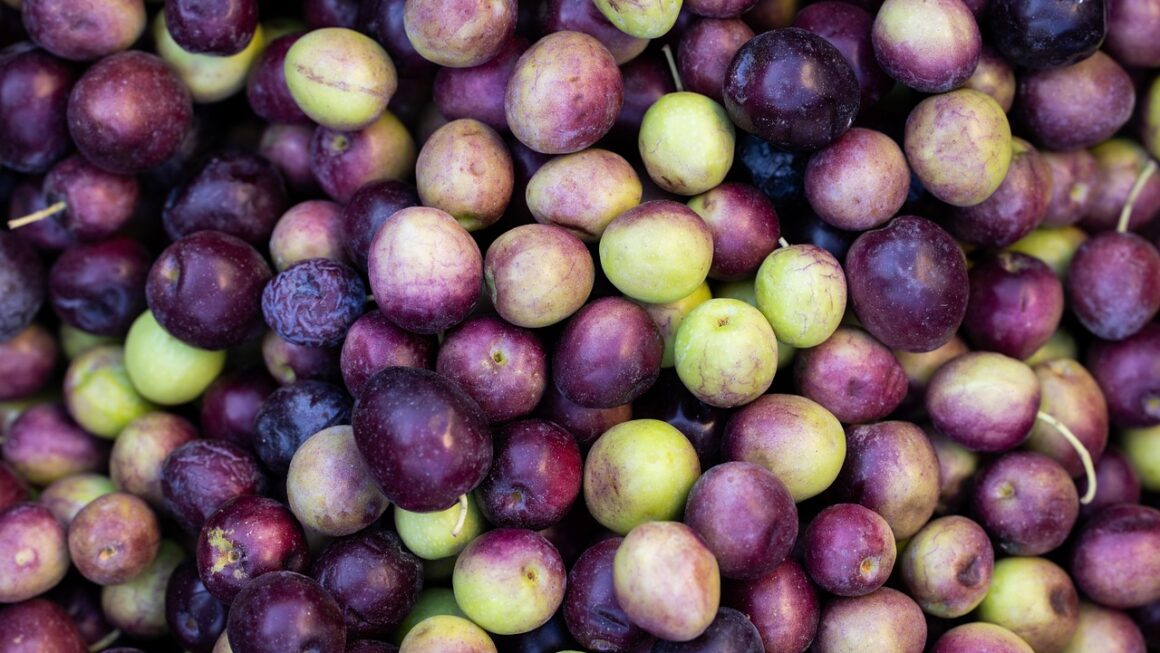
- Canned Goods: Diced tomatoes, coconut milk, artichoke hearts, olives. Versatile for curries, sauces, and salads.
- Oils and Vinegars: Olive oil, coconut oil, apple cider vinegar, balsamic vinegar. Essential for cooking and dressings.
- Spices and Herbs: Garlic powder, onion powder, cumin, paprika, turmeric, dried oregano, basil. Flavor is key in vegan cooking!
Actionable Takeaway: Gradually build your pantry by adding a few new vegan staples each grocery trip, focusing on versatile items you can use in multiple recipes.
Time-Saving Meal Prep Tips
Meal prepping is a game-changer for busy vegans. Dedicating a little time upfront can save hours during the week and prevent last-minute unhealthy choices.
- Batch Cooking Grains: Cook a large batch of quinoa or brown rice at the beginning of the week to use in salads, bowls, or as a side.
- Chopping Veggies: Wash and chop vegetables like onions, bell peppers, carrots, and celery, storing them in airtight containers for quick use in stir-fries, soups, or scrambles.
- Roasting Vegetables: Roast a large tray of vegetables (broccoli, sweet potatoes, Brussels sprouts) to add to salads, wraps, or as a side dish.
- Preparing Dressings and Sauces: Whisk together salad dressings, hummus, or cashew-based sauces in advance.
Actionable Takeaway: Choose one or two meal prep tasks to focus on each week to streamline your cooking process and ensure healthy vegan options are always within reach.
Flavor Boosters & Seasonings
Vegan food can be incredibly flavorful. Understanding how to use key seasonings and ingredients will elevate your dishes from good to extraordinary.
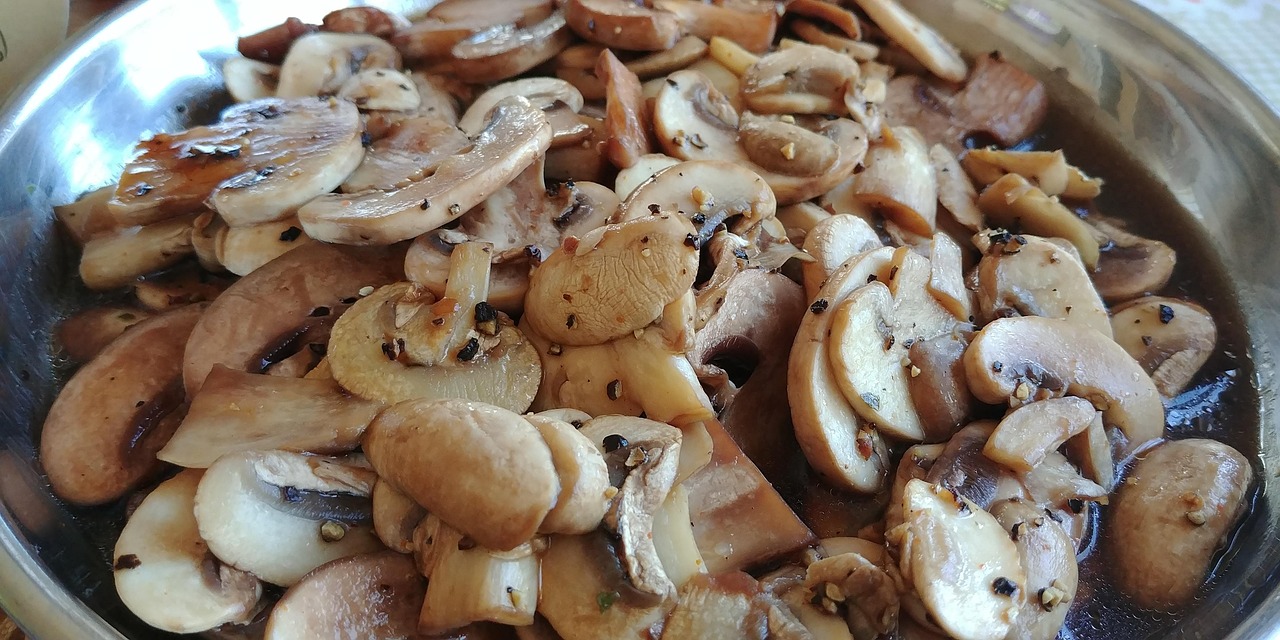
- Umami Powerhouses: Nutritional yeast, soy sauce (or tamari for gluten-free), miso paste, mushrooms, and sun-dried tomatoes add depth and savory richness.
- Herbs and Spices: Don’t be shy! Cumin, coriander, smoked paprika, chili powder, oregano, thyme, and rosemary are staples.
- Acidic Elements: Lemon juice, lime juice, and various vinegars (apple cider, red wine, balsamic) brighten flavors and cut through richness.
- Aromatics: Fresh garlic, ginger, and onions are the starting point for countless delicious dishes.
Actionable Takeaway: Invest in a good range of spices and fresh aromatics, and don’t be afraid to experiment with combinations to discover your favorite flavor profiles.
Navigating Nutritional Needs on a Vegan Diet
While a vegan diet can be incredibly healthy, it’s important to be mindful of certain nutrients to ensure complete and balanced nutrition. With a bit of knowledge, you can easily meet all your body’s requirements.
Key Nutrients to Focus On
A diverse whole-foods vegan diet provides most nutrients. However, certain ones deserve extra attention to ensure optimal intake.
- Iron: Plant sources include lentils, chickpeas, spinach, tofu, fortified cereals, and pumpkin seeds. Pair with Vitamin C (e.g., bell peppers, oranges) to enhance absorption.
- Calcium: Found in fortified plant milks and yogurts, tofu (calcium-set), collard greens, kale, broccoli, and sesame seeds.
- Vitamin D: Best obtained from fortified foods (plant milks, some cereals), sun exposure, or supplements, especially in less sunny climates.
- Zinc: Abundant in legumes, nuts, seeds, whole grains, and tofu. Soaking and sprouting can improve absorption.
- Iodine: Found in iodized salt and sea vegetables (use sparingly).
Actionable Takeaway: Incorporate a wide variety of these plant-based sources into your daily meals to ensure a balanced intake of essential minerals.
Meeting Protein Requirements
The “where do vegans get their protein?” question is common, and the answer is simple: from a vast array of delicious plant foods! You don’t need to combine specific proteins at every meal; what matters is your total intake over the day.
- Legumes: Lentils, chickpeas, black beans, kidney beans, edamame are excellent protein sources.
- Soy Products: Tofu, tempeh, and edamame are complete proteins, meaning they contain all nine essential amino acids.
- Grains: Quinoa is a complete protein, while oats, brown rice, and whole wheat bread also contribute.
- Nuts and Seeds: Almonds, peanuts, chia seeds, flax seeds, hemp seeds, and pumpkin seeds are rich in protein and healthy fats.
- Seitan: Made from wheat gluten, it’s a very high-protein meat substitute.
Actionable Takeaway: Include a variety of protein-rich plant foods at each meal, and don’t underestimate the protein content of whole grains, nuts, and seeds.
Vitamin B12 and Omega-3 Fatty Acids
These are two nutrients that require specific attention on a vegan diet, as their primary sources are often animal-derived.
- Vitamin B12: This vitamin is produced by bacteria and is not reliably found in unfortified plant foods. It is crucial for nerve function and red blood cell formation.
- Sources: Fortified plant milks, fortified cereals, nutritional yeast (check labels for B12 content), and a B12 supplement.
- Recommendation: All vegans should take a reliable B12 supplement or consistently consume B12-fortified foods.
- Omega-3 Fatty Acids (EPA and DHA): While flaxseeds, chia seeds, and walnuts provide ALA (a precursor), the conversion to EPA and DHA (the active forms) is inefficient.
- Sources: Algal oil supplements are the most direct vegan source of EPA and DHA.
- Recommendation: Consider an algal oil supplement for optimal brain and heart health.
Actionable Takeaway: Prioritize supplementing with Vitamin B12 and consider an algal oil supplement for Omega-3s to ensure comprehensive nutrient intake.
Conclusion
Embracing vegan meals and snacks is an exciting and rewarding journey that offers immense benefits for your health, the planet, and animal welfare. Far from being a diet of deprivation, it’s a vibrant world teeming with incredible flavors, diverse ingredients, and endless culinary possibilities. By focusing on whole, unprocessed plant foods, understanding key nutritional considerations, and utilizing smart meal planning techniques, anyone can thrive on a plant-based diet. So, whether you’re trying to incorporate one meatless meal a week or committing to a fully vegan lifestyle, remember that every plant-powered choice is a step towards a healthier, more compassionate, and sustainable future. Dive in, experiment with new recipes, and discover the joy of delicious vegan eating!