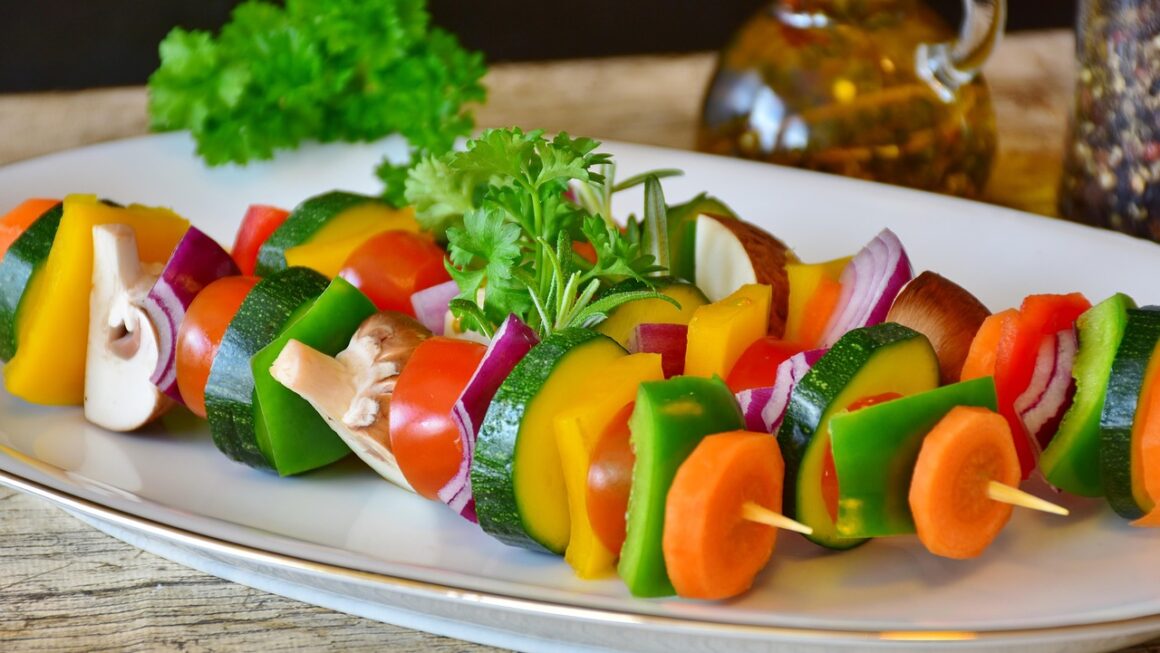
Embarking on a ketogenic diet doesn’t mean banishing vibrant, nutrient-dense vegetables from your plate. In fact, understanding which keto veggies to embrace is key to a successful, sustainable, and truly healthy low-carb lifestyle. Far from being a diet solely focused on meat and fats, a well-formulated ketogenic plan thrives on a rainbow of greens and other non-starchy vegetables that provide essential vitamins, minerals, fiber, and antioxidants, all while keeping your net carb count low. Let’s dive into the delicious world of keto-friendly vegetables and discover how to make them a cornerstone of your meals.
The Essential Role of Vegetables in a Ketogenic Diet
While protein and healthy fats take center stage on a ketogenic diet, vegetables play a critical supporting role. They are not merely fillers but crucial components that enhance overall health and diet adherence.
Why Veggies are Crucial for Keto
Many newcomers to keto mistakenly believe they should avoid all carbohydrates, including those from vegetables. However, non-starchy vegetables are rich in benefits that directly support a ketogenic lifestyle:
- Fiber: Essential for digestive health, fiber helps regulate blood sugar, promotes satiety, and prevents constipation, a common issue for those new to keto.
- Micronutrients: Vegetables are packed with vitamins (like Vitamin C, K, A) and minerals (potassium, magnesium) that are vital for energy production, immune function, bone health, and electrolyte balance, which can be disrupted during ketosis.
- Antioxidants: These powerful compounds protect your cells from damage, reduce inflammation, and support long-term health, combating potential oxidative stress.
- Volume and Satiety: Low-carb vegetables allow you to eat satisfying portions without racking up carbs, making meals more enjoyable and helping to curb hunger.
Actionable Takeaway: Prioritize keto veggies to ensure you’re not just cutting carbs, but also nourishing your body with essential nutrients, boosting satiety, and maintaining digestive regularity.
Understanding Net Carbs
The secret to incorporating vegetables into a ketogenic diet lies in understanding net carbs. Net carbs are the carbohydrates that your body can digest and convert into glucose. They are calculated by subtracting the fiber content from the total carbohydrates.
Net Carbs = Total Carbohydrates – Fiber
Since fiber isn’t digested and doesn’t significantly impact blood sugar, it doesn’t count towards your daily carb limit (typically 20-50 grams of net carbs). This calculation allows you to enjoy a wide array of high-fiber, low-carb vegetables without kicking yourself out of ketosis.
Practical Example: A cup of raw spinach has about 1 gram of total carbs and 1 gram of fiber. This means it has 0 grams of net carbs, making it an ideal choice for a ketogenic diet. In contrast, a cup of corn has about 30 grams of total carbs and 3 grams of fiber, resulting in 27 grams of net carbs – far too high for a single keto serving.
Actionable Tip: Always check nutritional labels or reliable databases for total carb and fiber content to accurately calculate net carbs when selecting your low-carb vegetables.
Top Low-Carb Keto-Friendly Vegetables
Don’t let the carb restrictions fool you; the variety of delicious and nutritious keto veggies available is extensive. Here are some of the best choices to fill your plate.
Leafy Greens Powerhouses
These are the champions of the keto diet, offering minimal net carbs for maximum nutrition. They are incredibly versatile and can be eaten raw, sautéed, steamed, or blended.
- Spinach: A nutritional powerhouse with virtually no net carbs. Great for salads, smoothies, or sautéed as a side. (~0-1g net carbs per cup)
- Kale: Rich in Vitamin K and antioxidants. Best when massaged raw for salads or sautéed/baked into chips. (~1-2g net carbs per cup)
- Lettuce (Romaine, Butter, Arugula): Perfect bases for salads and wraps. Extremely low in carbs. (~0-1g net carbs per cup)
- Swiss Chard: Similar to spinach, it’s rich in vitamins A and K. Its slightly earthy flavor is excellent sautéed with garlic. (~1g net carbs per cup)
- Bok Choy: A crunchy, mild-flavored green often used in Asian cuisine. Excellent in stir-fries. (~1g net carbs per cup)
Practical Example: Start your day with a green smoothie blended with a handful of spinach, unsweetened almond milk, a scoop of protein powder, and half an avocado. For lunch, a large salad with a base of mixed greens, grilled chicken, cheese, and a full-fat dressing is an excellent option.
Cruciferous Champions
These hearty vegetables are staples in many keto kitchens, renowned for their versatility and robust nutritional profiles.
- Broccoli: An excellent source of Vitamin C and K. Enjoy steamed, roasted, or in stir-fries. (~3-4g net carbs per cup chopped)
- Cauliflower: The ultimate keto chameleon, used to make rice, mashed “potatoes,” pizza crusts, and even roasted florets. (~3-4g net carbs per cup chopped)
- Brussels Sprouts: Delicious roasted until crispy with bacon. High in fiber and Vitamin K. (~4-5g net carbs per cup)
- Cabbage: Versatile for slaws, stir-fries, or as wraps. Red cabbage offers even more antioxidants. (~3g net carbs per cup shredded)
Practical Example: Transform your dinner with cauliflower mash instead of mashed potatoes, or roasted broccoli and Brussels sprouts as a vibrant, nutrient-dense side dish to your main protein.
Other Versatile Keto Veggies
Beyond the greens and cruciferous varieties, several other vegetables fit perfectly into a ketogenic meal plan.
- Asparagus: A tender, flavorful spring vegetable. Excellent steamed or roasted with olive oil and garlic. (~2g net carbs per cup)
- Zucchini: Incredibly versatile, used for “zoodles” (zucchini noodles), grilled, or baked into casseroles. (~2-3g net carbs per cup chopped)
- Bell Peppers (Green, Red, Yellow, Orange): While red and yellow peppers are slightly higher in carbs due to natural sugars, green peppers are lower. Enjoy in moderation, especially green. (~3-5g net carbs per cup chopped, varies by color)
- Mushrooms (Cremini, Portobello, Shiitake): Earthy and savory, perfect for sautéing, grilling, or adding to omelets. (~1-2g net carbs per cup sliced)
- Avocado: Technically a fruit, but often used as a vegetable. It’s a keto superstar, rich in healthy fats and potassium. (~2-3g net carbs per medium avocado)
- Green Beans: A popular side, great steamed or sautéed. (~4g net carbs per cup)
- Celery: Crunchy and refreshing, perfect for dipping or adding to stews. (~1g net carbs per cup chopped)
Practical Example: Spiralize zucchini into “zoodles” and top with a rich meat sauce for a satisfying, low-carb pasta alternative. Grill bell peppers and mushrooms alongside steak or chicken for a flavorful meal.
Vegetables to Limit or Avoid on Keto
While most vegetables are healthy, not all are suitable for a ketogenic diet due to their higher carbohydrate content. Being mindful of these can help you stay in ketosis.
High-Starch Culprits
These vegetables are typically starchy and can quickly push you over your daily net carb limit.
- Potatoes (White, Red, Russet): Very high in starch. One medium potato can contain over 30g net carbs.
- Sweet Potatoes & Yams: While nutritious, their high sugar and starch content makes them unsuitable for keto. (~20g+ net carbs per medium)
- Corn: Often mistaken for a vegetable, corn is a grain and very high in carbs. (~27g net carbs per cup)
- Peas: Small but mighty in carbs. (~12g net carbs per cup)
- Winter Squashes (Butternut, Acorn, Pumpkin): These are higher in carbs than summer squashes like zucchini. (~10-20g net carbs per cup, depending on variety)
Actionable Advice: Always seek out keto-friendly alternatives for these high-carb vegetables. For example, use cauliflower mash instead of potatoes, or zucchini noodles instead of corn. Moderation is key if you choose to include very small portions of some of these, but generally, it’s best to avoid them.
Naturally Sweet Veggies (in Moderation)
Some vegetables, though not as starchy as potatoes, still contain higher levels of natural sugars and should be consumed sparingly on keto.
- Carrots: Higher in sugar than most keto-friendly vegetables. Small amounts for flavoring or crunch are generally okay, but don’t make them a primary vegetable. (~5g net carbs per medium carrot)
- Beets: Also relatively high in sugar. Best avoided or consumed in very small quantities. (~8g net carbs per cup)
- Onions & Garlic: While essential for flavor, their carb counts can add up if used in large quantities. Use mindfully to flavor dishes. (~1g net carbs per clove of garlic; ~6g net carbs per medium onion)
Practical Tip: When using ingredients like onions and garlic for flavor, consider them part of your daily carb budget. Opt for onion powder or garlic powder for concentrated flavor with fewer carbs if you’re very strict.
Maximizing Flavor and Nutrition: Practical Tips for Keto Veggies
Making keto veggies taste amazing is simple with the right techniques and ingredients. Don’t settle for bland steamed vegetables!
Cooking Methods for Keto Veggies
The way you prepare your vegetables can significantly impact their flavor and nutrient retention. Embrace healthy fats to enhance flavor and satiety.
- Roasting: Toss vegetables like broccoli, cauliflower, asparagus, or Brussels sprouts with olive oil or avocado oil, salt, pepper, and herbs, then roast until tender-crisp. Roasting brings out their natural sweetness and creates a delicious caramelized exterior.
- Sautéing: Quickly cook leafy greens, mushrooms, or bell peppers in butter, ghee, or coconut oil with garlic and spices. This method is fast and keeps vegetables vibrant.
- Grilling: Asparagus, zucchini planks, and bell peppers take on a smoky flavor when grilled. Brush with olive oil before grilling.
- Steaming: A gentle method that preserves nutrients. Enhance steamed veggies with a dollop of butter, a drizzle of olive oil, or a keto-friendly cheese sauce.
- Air Frying: Great for achieving crispy textures without excess oil, perfect for broccoli, cauliflower, or green beans.
Practical Tip: Always use generous amounts of healthy fats like olive oil, avocado oil, butter, or ghee when cooking keto veggies. This not only adds flavor and helps absorb fat-soluble vitamins but also boosts your fat intake, which is essential on a ketogenic diet.
Incorporating Veggies into Keto Meals
Make vegetables the star or a significant supporting actor in every meal. Creativity is your best friend!
- Salads: Build large, satisfying salads with a base of mixed greens, adding various other low-carb vegetables, protein (chicken, fish, eggs), healthy fats (avocado, nuts), and a full-fat dressing.
- Stir-fries: Use broccoli, bell peppers, bok choy, and mushrooms with your favorite protein and a keto-friendly stir-fry sauce (soy sauce/tamari, ginger, garlic, sesame oil).
- Side Dishes: Always include a generous portion of a cooked keto vegetable alongside your main protein. Think roasted asparagus, sautéed spinach, or cauliflower gratin.
- Cauliflower Alternatives: Use cauliflower rice for grain-free bowls, cauliflower mash instead of potatoes, or cauliflower florets as a base for hearty stews.
- Snacks: Dip celery sticks, bell pepper strips, or cucumber slices into guacamole or a full-fat cream cheese dip.
Actionable Takeaway: Aim to include at least 2-3 servings of keto veggies in your main meals. Think outside the box by using them as substitutes for higher-carb foods to increase your nutrient intake without impacting ketosis.
Smart Shopping and Storage
To ensure you always have fresh, delicious keto veggies on hand, smart shopping and storage are essential.
- Choose Seasonal & Fresh: Seasonal vegetables are often more flavorful and cost-effective. Look for crisp, vibrant produce without blemishes.
- Organic vs. Conventional: If budget allows, consider organic for items on the “Dirty Dozen” list (e.g., spinach, kale). Otherwise, conventional is perfectly fine for keto veggies like broccoli, cauliflower, and asparagus.
- Proper Storage: Store leafy greens in airtight containers with a paper towel to absorb moisture, keeping them fresh longer. Root vegetables (like radishes) can be stored in the fridge.
- Frozen Options: Don’t overlook frozen low-carb vegetables like broccoli florets, cauliflower rice, or spinach. They are often picked at peak ripeness, flash-frozen to lock in nutrients, and incredibly convenient.
Practical Tip: Keep a bag of frozen cauliflower rice or broccoli in your freezer for quick additions to meals when fresh options are running low. This ensures you always have a keto-friendly vegetable option available.
Conclusion
Far from being restrictive, a well-planned ketogenic diet embraces a diverse array of keto veggies, making it vibrant, nutrient-rich, and incredibly satisfying. By understanding net carbs, focusing on leafy greens and cruciferous vegetables, and knowing which ones to limit, you can effortlessly incorporate these vital foods into your daily routine. Prioritize flavor with healthy fats, experiment with different cooking methods, and you’ll discover that low-carb vegetables are not just an important part of your diet—they’re a delicious and indispensable key to your ketogenic success and overall well-being. So, go ahead, fill your plate with a colorful bounty and savor the benefits!