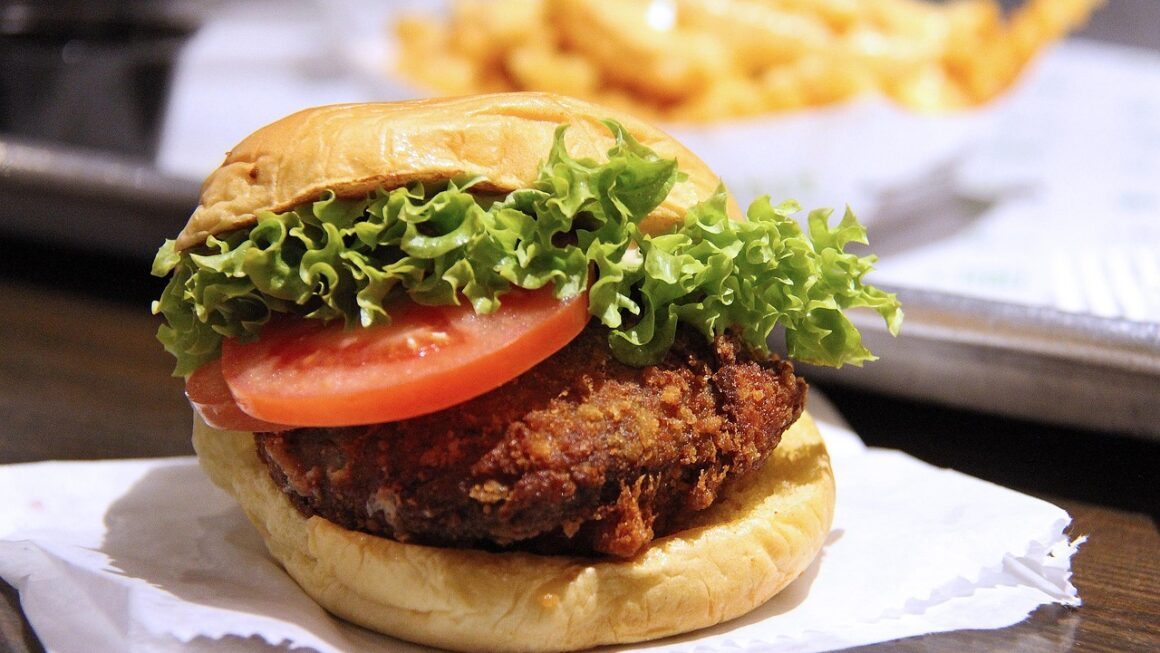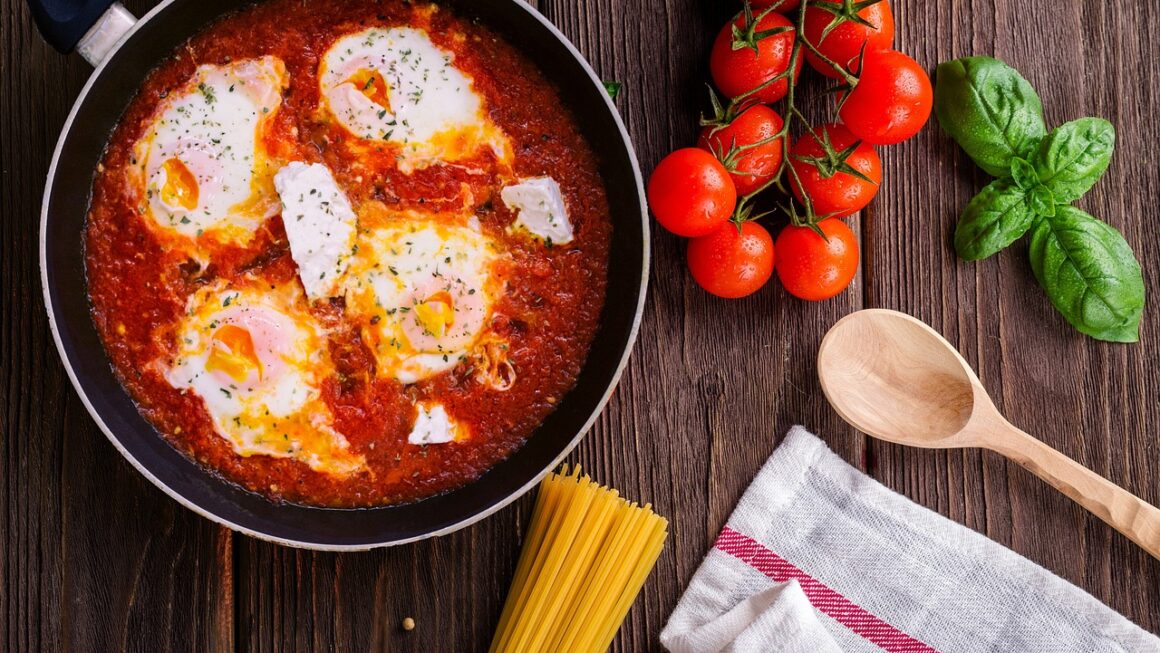

There’s a universal language spoken in every home, understood across cultures and generations: the language of comfort food. It’s more than just a meal; it’s a warm embrace on a chilly evening, a nostalgic trip back to childhood, or a simple, satisfying reward after a long day. A comfort food dinner isn’t just about filling your stomach; it’s about nourishing your soul, offering a sense of security, warmth, and pure, unadulterated happiness. In this post, we’ll dive deep into the world of ultimate comfort food recipes, exploring what makes these dishes so special, how to whip them up even on busy weeknights, and how to elevate your homemade comfort food experience.
What Makes a Dinner “Comfort Food”?
The definition of comfort food can be deeply personal, yet certain characteristics resonate universally. It often evokes feelings of well-being, familiarity, and a sense of being cared for. Understanding these core elements is the first step to crafting the perfect comforting meal.
The Emotional Connection
At its heart, comfort food is inextricably linked to our emotions and memories. This connection is what transforms a simple dish into a powerful experience.
- Nostalgia: Many comfort foods are tied to childhood memories, family gatherings, or specific life events. They transport us back to simpler times, offering a sense of security and belonging.
- Stress Reduction: Studies suggest that consuming familiar, high-calorie foods can have a calming effect, triggering feel-good neurotransmitters in the brain.
- A Sense of Security: Often associated with home cooking and maternal figures, comfort food provides a feeling of being safe, loved, and nurtured.
Actionable Takeaway: Reflect on your own food memories. What dishes from your past bring you the most joy and comfort? Start there to identify your personal comfort food profile.
Key Characteristics of Comfort Food Dinners
While personal preferences vary, most comfort food dinner recipes share common traits that contribute to their comforting appeal.
- Familiarity: These are often classic, well-known dishes rather than experimental cuisine. Their predictability is part of their charm.
- Heartiness: Comfort foods are typically substantial, filling, and often rich, providing a satisfying satiety that lighter meals might not.
- Warmth: Many beloved comfort dishes are served hot, making them ideal for cooler weather or simply creating a cozy atmosphere. Think stews, casseroles, and baked pasta.
- Simplicity (or Perceived Simplicity): While some might require slow cooking, the flavor profiles are often straightforward and approachable, not overly complex.
- Core Ingredients: They frequently feature carbs (pasta, potatoes, bread), dairy (cheese, cream), and often savory meats or legumes, providing a satisfying blend of textures and flavors.
Actionable Takeaway: When planning a comforting meal, prioritize dishes that feel familiar and substantial. Don’t shy away from rich ingredients that truly deliver that comforting punch.
Classic Comfort Food Dinners You Can’t Resist
Some dishes have earned their place in the pantheon of ultimate comfort food recipes for a reason. They are tried, true, and consistently deliver on their promise of delicious comfort.
American Staples
The United States boasts a rich tapestry of comfort foods, often rooted in diverse immigrant traditions but adapted with a distinct American flair.
- Macaroni and Cheese: The quintessential cheesy delight. Whether creamy stovetop or baked with a breadcrumb crust, it’s a guaranteed crowd-pleaser.
- Tip: Elevate a simple mac and cheese by using a blend of cheeses (sharp cheddar, Gruyere, a touch of smoked gouda) and topping with panko breadcrumbs mixed with melted butter and herbs for an extra crunch.
- Meatloaf with Mashed Potatoes: A hearty, nostalgic pairing that brings back memories of home-cooked family dinners.
- Tip: For a moist meatloaf, soak breadcrumbs in milk before mixing and don’t overmix the meat. Serve with garlic mashed potatoes for an extra flavor boost.
- Chicken Pot Pie: A flaky, golden crust enveloping a creamy, savory filling of chicken and vegetables.
- Tip: Short on time? Use store-bought puff pastry or pie crust. Sauté your vegetables and chicken, thicken with a roux, and bake until golden.
International Inspirations
Comfort food transcends borders, with many cultures offering their own unique takes on hearty, soul-warming dishes.
- Italian Lasagna: Layers of pasta, rich Bolognese or marinara, creamy béchamel or ricotta, and melted mozzarella. A true labor of love that feeds a crowd.
- Tip: Lasagna is fantastic for meal prep! Assemble it a day ahead, refrigerate, and bake when ready. It often tastes even better the next day.
- British Shepherd’s Pie: A savory minced lamb or beef (cottage pie) filling topped with a fluffy layer of mashed potatoes, baked until bubbly and golden.
- Tip: Add a generous amount of finely diced vegetables (carrots, peas, corn) to the meat filling for added nutrition and texture.
- French Coq au Vin/Boeuf Bourguignon: Slow-cooked stews where chicken or beef is braised in red wine with mushrooms, bacon, and aromatics. Rich, complex, and incredibly satisfying.
- Tip: These dishes are perfect for entertaining as they can be made mostly ahead of time, allowing flavors to deepen. Serve with crusty bread or creamy polenta.
Actionable Takeaway: Pick a classic from this list that excites you and commit to trying it this week. Don’t be afraid to add your own twist!
Easy Comfort Food Dinners for Busy Weeknights
The desire for comforting meals often clashes with the reality of limited time. Fortunately, many easy comfort food recipes deliver maximum coziness with minimal effort.
One-Pan Wonders
These dishes are a busy cook’s best friend, minimizing cleanup without sacrificing flavor.
- Sheet Pan Sausage and Veggies: Toss your favorite sausages (Italian, chicken apple), bell peppers, onions, potatoes, and broccoli with olive oil and seasonings. Roast on a single sheet pan until tender and caramelized.
- Tip: Cut vegetables into similar sizes for even cooking. A drizzle of balsamic glaze at the end adds a touch of sweetness.
- Baked Chicken and Rice: Combine chicken pieces, rice, chicken broth, and your choice of vegetables (peas, carrots) in a baking dish. Bake until the rice is cooked and the chicken is tender.
- Tip: Use bone-in, skin-on chicken thighs for extra flavor and moisture. A dash of paprika or dried herbs adds depth.
Slow Cooker Saviors
Set it and forget it! Slow cookers are ideal for hands-off, melt-in-your-mouth comfort food.
- Slow Cooker Pot Roast: A classic for a reason. Chuck roast, potatoes, carrots, and onions braised in broth until fork-tender.
- Tip: Brown the roast briefly in a skillet before adding to the slow cooker to develop a richer flavor crust.
- Hearty Chili: A versatile and flavorful dish that’s perfect for feeding a crowd or for meal prepping. Beans, ground meat (or plant-based alternative), tomatoes, and spices simmered for hours.
- Tip: Make a big batch and freeze individual portions for quick, comforting meals throughout the month. Offer a variety of toppings like shredded cheese, sour cream, and fresh cilantro.
Quick & Wholesome Options
Comfort doesn’t always mean heavy. These options are quick yet satisfying.
- Grilled Cheese and Tomato Soup: A timeless duo that evokes pure childhood bliss. Simple, warm, and perfectly complementary.
- Tip: Elevate your grilled cheese with gourmet cheeses (Gruyere, fontina), caramelized onions, or a smear of pesto. A splash of cream in your tomato soup makes it extra luxurious.
- Pasta with Simple Sauce: A quick marinara, creamy Alfredo, or a simple garlic and olive oil (aglio e olio) pasta can be on the table in under 30 minutes.
- Tip: Always reserve some pasta water to help emulsify your sauce and achieve a silky texture. Freshly grated Parmesan is a must!
Actionable Takeaway: Don’t let a busy schedule deter you. Embrace the efficiency of one-pan or slow-cooker methods, or keep ingredients for quick classics on hand for those spontaneous comfort food cravings.
Elevating Your Comfort Food Experience
While the essence of comfort food lies in its familiarity, a few simple tweaks can transform a good dish into an extraordinary one. It’s about enhancing the experience, not overcomplicating it.
Ingredient Quality Matters
The foundation of any great meal is its ingredients. Investing a little more can yield significant flavor dividends.
- Fresh Herbs: A sprinkle of fresh parsley, chives, basil, or dill can brighten and deepen flavors instantly. For instance, fresh rosemary in a pot roast or basil in lasagna.
- High-Quality Dairy/Meat: Opt for good quality cheeses, grass-fed butter, organic cream, or ethically sourced meats. The difference in taste and texture is often palpable.
- Homemade Stocks/Sauces: While store-bought is convenient, a homemade chicken or vegetable stock or a slow-simmered tomato sauce provides a depth of flavor that’s hard to beat.
- Tip: Make a large batch of stock and freeze it in portions for future use.
Presentation and Ambiance
The setting in which you enjoy your meal can significantly amplify the comfort factor.
- Serving Warm: Comfort food is almost always best served hot. Invest in a good casserole dish that can go from oven to table, or warm plates before serving.
- Cozy Table Setting: Dim the lights, light some candles, put on some soft music. Use comfortable dinnerware. A little effort in creating a warm atmosphere goes a long way.
- Pairing with Beverages: A comforting meal can be enhanced by the right drink. A robust red wine with a hearty stew, a crisp white with chicken pot pie, or even a warm cider or tea can complete the experience.
Personal Touches and Variations
Make your comfort food truly yours by experimenting and adapting recipes.
- Spice Blends: Don’t be afraid to experiment with different spice combinations. Smoked paprika, a touch of nutmeg, or a pinch of cayenne can add exciting layers of flavor.
- Adding Vegetables: Boost nutrition and color by incorporating more vegetables. Roast extra veggies with your sheet pan dinner, or sneak pureed squash into your mac and cheese sauce.
- Dietary Adaptations: Comfort food can be inclusive. Explore gluten-free pasta options, dairy-free cream sauces, or plant-based meat alternatives to suit various dietary needs without sacrificing flavor.
Actionable Takeaway: Choose one aspect – ingredients, ambiance, or personalizing a recipe – and focus on elevating it this week. Even small changes can make a big difference in your homemade comfort food experience.
The Benefits of Indulging in Comfort Food (Responsibly)
Beyond the immediate gratification, incorporating comfort food into your routine can offer several positive impacts on your well-being, provided it’s done thoughtfully and in balance with a healthy lifestyle.
Mental and Emotional Well-being
The psychological benefits of comfort food are well-documented and deeply felt.
- Stress Reduction: The act of cooking, the familiar aromas, and the satisfaction of eating a beloved dish can be a powerful antidote to stress, offering a mental escape and a feeling of calm.
- Nostalgia and Connection: Reconnecting with happy memories through food can boost mood and provide a sense of continuity and belonging.
- Sense of Security: In an often unpredictable world, the reliability of a favorite comfort meal can offer a profound sense of psychological security and contentment.
Social Bonding
Comfort food has a unique ability to bring people together, fostering stronger connections.
- Sharing a Meal: Many hearty dinners are designed for sharing, creating opportunities for conversation, laughter, and strengthening relationships around the table.
- Family Traditions: Passing down recipes and cooking methods through generations builds lasting family traditions and preserves cultural heritage.
- Creating Memories: The shared experience of preparing and enjoying comfort food becomes a focal point for new memories, reinforcing positive associations with food and loved ones.
Practical Culinary Skills
Engaging with comfort food can also be a fantastic way to hone your kitchen prowess.
- Mastering Basics: Many classic comfort food dishes rely on fundamental cooking techniques like sautéing, braising, simmering, and baking, providing an excellent foundation for any aspiring cook.
- Recipe Adaptation: The forgiving nature of many comfort food recipes encourages experimentation, teaching you to adjust flavors, substitute ingredients, and develop your own culinary intuition.
Actionable Takeaway: View your next comfort food dinner as an investment in your well-being. Savor the experience, share it with loved ones, and appreciate the emotional and practical benefits it brings.
Conclusion
A comfort food dinner is more than just a meal; it’s an experience that deeply nourishes both body and soul. From the rich, nostalgic flavors of classic recipes to the ingenious simplicity of easy weeknight solutions, comfort food holds a special place in our hearts and on our tables. It offers a unique blend of familiarity, warmth, and pure satisfaction, providing a much-needed emotional embrace in our busy lives. By understanding its characteristics, exploring diverse options, and adding personal touches, you can elevate your comforting meals into truly unforgettable experiences.
So, go ahead – indulge a little, experiment with new recipes, and rediscover the profound joy that comes from a perfectly prepared, soul-warming hearty dinner. Because sometimes, all you need is a delicious plate of comfort to make the world feel a little bit brighter.