Are you exploring a healthier lifestyle that embraces both the power of plants and the benefits of a gluten-free diet? The world of vegan gluten free meals is vibrant, diverse, and incredibly delicious. Far from being restrictive, this way of eating opens up a universe of exciting flavors, textures, and nutritional possibilities. Whether you’re managing allergies, seeking improved digestion, or simply aiming for a more ethical and sustainable diet, combining veganism with a gluten-free approach can be a profoundly rewarding journey. Get ready to discover how to create satisfying, wholesome, and palate-pleasing dishes that are naturally free from animal products and gluten.
Understanding the Vegan & Gluten-Free Lifestyle
Embarking on a vegan gluten-free diet means making conscious choices about what fuels your body. It’s about selecting whole, unprocessed foods that nourish you from the inside out, while avoiding common allergens and animal-derived ingredients.
What Does “Vegan Gluten-Free” Mean?
Let’s break down the two core components of this powerful dietary choice:
- Vegan: This means abstaining from all animal products. This includes meat, poultry, fish, dairy (milk, cheese, yogurt), eggs, honey, and any other animal-derived ingredients like gelatin or whey. The focus is entirely on plant-based foods such as fruits, vegetables, grains, legumes, nuts, and seeds.
- Gluten-Free: This involves avoiding gluten, a protein found in wheat, barley, rye, and triticale. For individuals with celiac disease, gluten sensitivity, or wheat allergies, consuming gluten can cause a range of adverse health effects, from digestive issues to systemic inflammation. A gluten-free diet relies on naturally gluten-free grains like rice, quinoa, corn, oats (certified GF), millet, and buckwheat, as well as a vast array of fruits, vegetables, legumes, nuts, and seeds.
Why Combine Vegan and Gluten-Free?
The decision to adopt a vegan gluten-free diet often stems from a combination of health, ethical, and environmental considerations. Here are some key reasons:
- Improved Digestion: Many people report reduced bloating, gas, and digestive discomfort when removing both gluten and dairy, common triggers for digestive upset.
- Reduced Inflammation: Both gluten and certain animal products can be inflammatory for some individuals. A whole-food, plant-based, gluten-free diet is often rich in anti-inflammatory compounds.
- Allergy & Sensitivity Management: It’s a powerful approach for those with both gluten and dairy/egg allergies or sensitivities, simplifying meal preparation and reducing cross-contamination risks.
- Ethical & Environmental Alignment: For many, choosing vegan aligns with compassion for animals and a desire to reduce their environmental footprint. Combining this with gluten-free options further refines a conscious lifestyle.
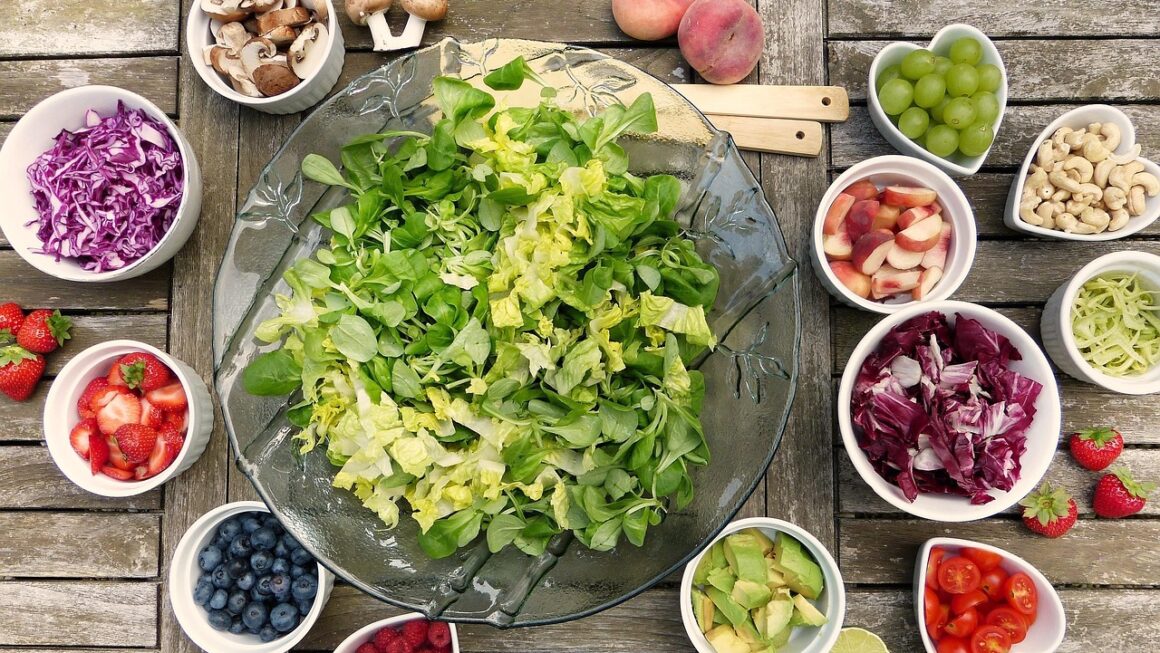
- Nutrient-Dense Eating: When properly planned, this diet encourages a high intake of fruits, vegetables, legumes, and whole grains, which are packed with vitamins, minerals, fiber, and antioxidants.
Navigating Nutrition: Essential Nutrients on a Vegan Gluten-Free Diet
One of the most common questions about a vegan gluten-free diet is how to ensure adequate nutrition. With thoughtful planning and a diverse range of whole foods, it’s absolutely possible to thrive and meet all your nutritional needs.
Protein Powerhouses for Plant-Based Diets
Protein is crucial for muscle repair, enzyme function, and overall health. Fortunately, the plant kingdom offers an abundance of excellent, naturally gluten-free plant-based protein sources:
- Legumes: Lentils (red, green, brown), chickpeas, black beans, kidney beans, and cannellini beans are incredibly versatile and nutrient-dense. A cup of cooked lentils provides around 18 grams of protein!
- Tofu and Tempeh: These soy-based products are complete proteins and excellent meat alternatives. Tofu is great for stir-fries and scrambles, while tempeh’s firmer texture makes it ideal for grilling or baking.
- Quinoa: A naturally gluten-free grain that is also a complete protein, meaning it contains all nine essential amino acids. Use it as a base for bowls, in salads, or as a side dish.
- Nuts and Seeds: Almonds, walnuts, cashews, pumpkin seeds, sunflower seeds, chia seeds, flax seeds, and hemp seeds are rich in protein, healthy fats, and fiber. Sprinkle them on salads, yogurt, or blend into smoothies.
- Nutritional Yeast: A cheesy-flavored seasoning that provides a significant boost of protein and B vitamins, including B12 (if fortified).
Vitamins and Minerals to Prioritize
While a varied vegan gluten free meal plan covers most bases, paying attention to a few key micronutrients is smart:
- Vitamin B12: This vitamin is primarily found in animal products. As such, supplementation or consuming B12-fortified foods (like plant milks, nutritional yeast, and some cereals) is essential for vegans.
- Iron: Plant-based iron sources include lentils, spinach, kale, black beans, pumpkin seeds, and fortified cereals. Enhance absorption by consuming iron-rich foods with vitamin C (e.g., bell peppers, citrus fruits).
- Calcium: Get your calcium from fortified plant milks, tofu (calcium-set), collard greens, kale, broccoli, and sesame seeds (tahini).
- Omega-3 Fatty Acids: Crucial for brain and heart health. excellent sources include flaxseeds, chia seeds, hemp seeds, and walnuts. Consider an algae-based DHA/EPA supplement for optimal intake.
- Vitamin D: Sunlight exposure is key, but fortified plant milks and supplements can also help, especially in less sunny climates.
Actionable Takeaway: Diversify your plate with a rainbow of fruits, vegetables, legumes, and seeds to naturally hit a wide range of nutrients. Consider a B12 supplement and discuss other supplements with a healthcare professional if you have concerns.
Breakfast Bliss: Energizing Vegan Gluten-Free Starts
Starting your day with a nourishing and delicious breakfast sets the tone for optimal energy and focus. Fortunately, there are countless delightful gluten-free vegan breakfast options.
Quick & Easy Morning Meals
For those busy weekdays, here are some ideas that come together in minutes:
- Gluten-Free Oatmeal or Quinoa Porridge: Cook GF rolled oats or quinoa with your favorite plant milk (almond, soy, oat). Top with fresh berries, sliced banana, nuts, seeds, and a drizzle of maple syrup or agave.
- Smoothie Bowls: Blend frozen fruit (berries, banana, mango) with plant milk, a scoop of vegan protein powder (optional), and spinach. Pour into a bowl and top with granola (certified GF), chia seeds, and fruit.
- Tofu Scramble: Crumble firm tofu and sauté with your favorite veggies (onions, bell peppers, spinach). Season with nutritional yeast for a cheesy flavor, turmeric for color, and black salt (kala namak) for an eggy taste. Serve with avocado.
Weekend Brunch Delights
When you have a little more time, treat yourself to these indulgent yet healthy options:
- Gluten-Free Vegan Pancakes/Waffles: Use a certified gluten-free all-purpose flour blend (often rice flour, potato starch, tapioca starch) and follow a vegan recipe using plant milk and flax eggs (1 tbsp ground flaxseed mixed with 3 tbsp water, let sit for 5 minutes). Top with fresh fruit, maple syrup, and vegan whipped cream.
- Avocado Toast on GF Bread: Find a good quality certified gluten-free bread. Toast it and top with mashed avocado, a sprinkle of everything bagel seasoning, chili flakes, or a squeeze of lime juice.
- Breakfast Burrito Bowls: A deconstructed burrito featuring a base of brown rice or quinoa, seasoned black beans, tofu scramble, salsa, guacamole, and corn.
Actionable Takeaway: Prep ingredients like pre-chopped fruit or dry oat mixes the night before to make quick breakfasts even faster. Experiment with different toppings to keep things exciting!
Lunch & Dinner Delights: Creative Vegan Gluten-Free Meals
The possibilities for satisfying and flavorful vegan gluten free meals for lunch and dinner are endless. Embrace variety to keep your taste buds happy and your body nourished.
Everyday Meal Inspiration
These ideas are perfect for weeknights or meal prepping and are simple to execute:
- Hearty Lentil Soup or Chili: A classic comfort food that’s naturally gluten-free and packed with protein and fiber. Use a blend of vegetables, diced tomatoes, and your favorite spices. Serve with a side of GF cornbread.
- Buddha Bowls (Grain Bowls): A customizable and balanced meal. Start with a base of cooked quinoa, brown rice, or millet. Add a variety of roasted or fresh vegetables (broccoli, sweet potatoes, greens), a protein source (chickpeas, tempeh, black beans), and drizzle with a delicious tahini-lemon dressing.
- GF Pasta with Veggie Sauce: Opt for pasta made from brown rice, corn, or legumes (chickpea, lentil pasta). Pair with a rich marinara sauce loaded with sautéed vegetables like zucchini, bell peppers, mushrooms, and spinach. Add some vegan “meat” crumbles or lentils for extra protein.
- Stuffed Bell Peppers or Sweet Potatoes: Hollow out bell peppers or bake sweet potatoes, then fill with a mixture of seasoned quinoa, black beans, corn, and salsa. Bake until tender.
Global Flavors: Exploring International Cuisine
Many international cuisines offer naturally gluten-free vegan recipes that are bursting with flavor:
- Indian Curries: Vegetable and lentil (dal) curries are often naturally GF and vegan. Think chickpea curry, aloo gobi (potato and cauliflower), or mixed vegetable korma made with coconut milk. Serve with basmati rice.
- Mexican-Inspired Dishes: Tacos and burritos become GF and vegan heroes with corn tortillas, black beans, refried beans (check ingredients), seasoned veggies, guacamole, salsa, and vegan sour cream. Enchiladas or fajita bowls are also great options.
- Thai & Vietnamese Stir-fries/Noodle Dishes: Use rice noodles (like vermicelli or pad Thai noodles) or gluten-free tamari instead of soy sauce. Load up on colorful vegetables, tofu or tempeh, and a rich peanut or sweet chili sauce. Pho (Vietnamese noodle soup) can also be made GF and vegan.
Actionable Takeaway: Experiment with different herbs, spices, and international flavors to keep your meals exciting. Don’t be afraid to adapt your favorite recipes by swapping out gluten-containing ingredients for GF alternatives.
Snack Smarts & Sweet Treats: Guilt-Free Indulgences
Snacking strategically can help maintain energy levels between meals, and indulging in a sweet treat doesn’t have to mean compromising your dietary goals. The world of vegan gluten free snacks and desserts is surprisingly rich and satisfying.
Healthy Snack Ideas
Keep these wholesome options on hand to avoid unhealthy cravings:
- Fruit and Nut Butter: Apple slices with almond butter, or banana with peanut butter are classic, satisfying combinations.
- Vegetable Sticks with Hummus: Carrots, celery, cucumber, and bell pepper strips paired with a creamy, protein-rich hummus.
- Rice Cakes with Toppings: Top certified GF rice cakes with avocado and everything bagel seasoning, or nut butter and fruit.
- Homemade Energy Bites: Blend oats (certified GF), dates, nut butter, and optional add-ins like chia seeds, shredded coconut, or cocoa powder. Roll into balls and refrigerate.
- Edamame: Steamed edamame in the pod is a delicious, protein-packed, and naturally GF snack.
Delicious GF Vegan Desserts
Satisfy your sweet tooth with these delightful options:
- Chocolate Avocado Mousse: Blend ripe avocados with cocoa powder, sweetener (maple syrup, agave), and a splash of plant milk for a rich, creamy, and healthy dessert.
- Berry Chia Pudding: Mix chia seeds with plant milk and let it sit in the fridge overnight. Layer with fresh berries and a drizzle of maple syrup.
- GF Vegan Cookies or Brownies: Many excellent recipes exist using gluten-free flour blends, flax eggs, and plant-based fats. Look for recipes specifically designed as gluten-free vegan desserts.
- Baked Apples with Cinnamon: Core an apple, fill with cinnamon, oats (certified GF), and a sprinkle of brown sugar. Bake until tender.
Actionable Takeaway: Always have some healthy, ready-to-eat snacks available to prevent reaching for less nutritious options. Explore online resources for gluten-free vegan dessert recipes that use whole food ingredients.
Mastering Meal Prep & Planning for Vegan Gluten-Free Success
Successfully maintaining a vegan gluten-free diet often comes down to efficient meal planning and preparation. With a little foresight, you can save time, reduce stress, and ensure you always have nutritious options readily available.
Tips for Efficient Meal Preparation
Streamline your cooking process with these practical strategies:
- Batch Cook Grains and Legumes: Cook a large batch of quinoa, brown rice, or lentils at the beginning of the week. These can be used as bases for bowls, salads, or additions to soups throughout the week.
- Pre-Chop Vegetables: Wash and chop your weekly vegetables. Store them in airtight containers for quick additions to stir-fries, salads, or roasts.
- Make Large Batches of Sauces/Dressings: Prepare your favorite vegan gluten-free dressings (e.g., tahini dressing, peanut sauce) or sauces (e.g., pesto, marinara) ahead of time.
- Portion Out Snacks: Divide nuts, seeds, or pre-cut veggies into individual serving sizes for easy grab-and-go options.
- Plan Your Meals: Dedicate some time each week to plan your meals. This helps create a grocery list and reduces food waste. Look for easy vegan gluten-free recipes that can be doubled.
Smart Grocery Shopping for GF Vegan Staples
Knowing what to stock your pantry and fridge with makes grocery shopping a breeze:
- Whole Grains (Certified GF): Quinoa, brown rice, millet, buckwheat, certified GF oats, corn tortillas, gluten-free pasta.
- Legumes: Dried or canned black beans, chickpeas, lentils, kidney beans.
- Fresh Produce: A wide variety of fruits and vegetables in season.
- Nuts and Seeds: Almonds, walnuts, cashews, chia seeds, flax seeds, hemp seeds, sunflower seeds, pumpkin seeds.
- Plant Milks: Almond, soy, oat, cashew, or coconut milk (unsweetened).
- Proteins: Tofu, tempeh, nutritional yeast, vegan protein powder (if desired).
- Healthy Fats: Olive oil, avocado oil, coconut oil, avocados.
- Flavor Boosters: Herbs, spices, tamari (GF soy sauce), vinegars, mustard, salsa, hot sauce.
- GF Certified Products: When buying processed foods like bread, crackers, or baked goods, always look for the “certified gluten-free” label.
Actionable Takeaway: Dedicate an hour or two each week to planning and prepping. A well-stocked pantry and fridge with vegan gluten-free staples are your best allies for consistent healthy eating.
Conclusion
Embracing a lifestyle of vegan gluten free meals is not about deprivation; it’s about unlocking a world of vibrant, wholesome, and delicious possibilities. By focusing on whole, unprocessed foods and diversifying your intake of plant-based proteins, healthy fats, and nutrient-rich fruits and vegetables, you can create satisfying dishes that fuel your body and delight your palate. This approach offers profound benefits, from improved digestion and reduced inflammation to aligning with ethical and environmental values. With thoughtful planning, smart grocery shopping, and a willingness to explore new ingredients and recipes, you’ll discover that eating vegan and gluten-free can be an incredibly rewarding and sustainable path to optimal health and well-being. So go ahead, experiment, enjoy, and savor every nourishing bite!