
Navigating the ketogenic diet often means a complete overhaul of your snacking habits. Gone are the days of carb-heavy chips and sugary treats. For many, this leaves a void, but what if there was a crunchy, satisfying, and incredibly nutritious snack that fits perfectly into your low-carb lifestyle? Enter keto-friendly nuts. These versatile powerhouses are packed with healthy fats, essential micronutrients, and fiber, making them an ideal choice for sustaining energy, managing hunger, and keeping you in ketosis. But not all nuts are created equal when it comes to carb counts. Understanding which nuts to embrace and which to approach with caution is key to harnessing their full potential on your keto journey.
The Keto Advantage of Nuts: Why They Fit
Nuts are a cornerstone of many healthy diets, and the ketogenic diet is no exception. Their unique nutritional profile makes them a highly valuable food source for those aiming to maintain ketosis while nourishing their bodies.
Understanding Macronutrients in Nuts
- High Healthy Fats: The primary reason nuts shine on keto is their fat content. Most keto-friendly nuts are rich in monounsaturated and polyunsaturated fats, which are crucial for energy, hormone production, and nutrient absorption. These healthy fats help keep you satiated and provide the sustained energy needed when carbohydrates are restricted.
- Moderate Protein: Nuts offer a good amount of plant-based protein, which is essential for muscle repair and growth, without overdoing it. On keto, too much protein can sometimes convert to glucose (gluconeogenesis), so the balanced protein content in nuts is ideal.
- Low Net Carbs (High Fiber): While nuts do contain carbohydrates, a significant portion comes from fiber. Fiber is not digested and absorbed by the body, meaning it doesn’t impact blood sugar or ketone levels. To calculate “net carbs” (the carbs that matter on keto), you subtract the fiber from the total carbohydrates. Many nuts have very low net carb counts, making them perfect.
Actionable Takeaway: Always calculate net carbs by subtracting fiber from total carbs. For example, if a serving has 5g total carbs and 3g fiber, it has 2g net carbs. Prioritize nuts with the lowest net carb counts.
Beyond Macronutrients: Micronutrients and Health Benefits
Nuts aren’t just about macros; they are miniature nutritional treasure chests, offering a wide array of vitamins, minerals, and other beneficial compounds.
- Vitamins: Many nuts are excellent sources of Vitamin E, a powerful antioxidant, and various B vitamins, important for energy metabolism.
- Minerals: They provide vital minerals such as magnesium (critical for muscle function, nerve health, and blood sugar control), selenium (a potent antioxidant, particularly abundant in Brazil nuts), zinc, and potassium.
- Antioxidants and Anti-inflammatory Compounds: Nuts contain polyphenols and flavonoids that combat oxidative stress and inflammation, supporting overall health and potentially reducing the risk of chronic diseases.
Actionable Takeaway: Incorporating a variety of keto-friendly nuts ensures a broader spectrum of essential micronutrients, complementing your overall ketogenic meal plan.
Top Keto-Friendly Nuts & Their Nutritional Profiles
When selecting nuts for your ketogenic diet, some varieties stand out as superior choices due to their exceptional fat-to-carb ratio. Here’s a closer look at the best options:
Macadamia Nuts: The Keto King
If there’s one nut that reigns supreme in the keto world, it’s the macadamia nut.
- Profile: Boasting the highest fat content and one of the lowest net carb counts of all nuts, macadamias are a keto dream. A 1-ounce (28g) serving typically contains around 21g of fat, 2g of protein, and less than 2g net carbs.
- Benefits: Rich in monounsaturated fats (like those found in olive oil), which are heart-healthy. They also provide manganese and thiamine.
- Taste & Uses: Their buttery, rich flavor makes them perfect for snacking, adding to salads, or even making keto desserts and fat bombs.
Practical Example: A small handful (about 10-12 nuts) of raw macadamias makes for an excellent satiating snack between meals, providing quick energy and healthy fats.
Pecans: Rich & Versatile
Pecans are another fantastic low-carb option, beloved for their distinct flavor and versatility.
- Profile: A 1-ounce (28g) serving typically offers 20g of fat, 3g of protein, and only about 1-2g net carbs.
- Benefits: High in antioxidants, particularly ellagic acid, and a good source of zinc and Vitamin E.
- Taste & Uses: Their naturally sweet and buttery flavor makes them ideal for keto baking (think pecan pie filling without the sugar), crusted chicken or fish, or simply as a crunchy addition to salads and yogurt (if consuming dairy on keto).
Practical Example: Roughly chop pecans and sprinkle them over a spinach salad with avocado and grilled chicken for added healthy fats and crunch.
Brazil Nuts: Selenium Powerhouses
These large, creamy nuts are notable for their impressive selenium content.
- Profile: A 1-ounce (28g) serving provides about 19g of fat, 4g of protein, and roughly 1-2g net carbs.
- Benefits: Just one to two Brazil nuts can provide more than 100% of your daily recommended intake of selenium, a crucial mineral for thyroid function and antioxidant defense.
- Taste & Uses: They have a unique, earthy flavor. Due to their potent selenium content, moderation is key; consuming too many can lead to selenium toxicity.
Practical Example: Incorporate 1-2 Brazil nuts into your daily snack routine to meet your selenium needs without overdoing it.
Walnuts: Omega-3 Heroes
Walnuts are celebrated for their brain-boosting properties and omega-3 fatty acids.
- Profile: A 1-ounce (28g) serving contains about 18g of fat, 4g of protein, and around 2g net carbs.
- Benefits: They are one of the best plant-based sources of alpha-linolenic acid (ALA), an essential omega-3 fatty acid linked to heart and brain health. Also rich in antioxidants.
- Taste & Uses: Their slightly bitter, earthy flavor pairs well with both savory and sweet dishes.
Practical Example: Add chopped walnuts to a batch of keto “granola” or sprinkle them over roasted vegetables for a boost of omega-3s.
Almonds: Popular & Practical (with Caution)
Almonds are popular and versatile, but they have a slightly higher net carb count than the absolute lowest-carb options.
- Profile: A 1-ounce (28g) serving provides around 15g of fat, 6g of protein, and approximately 3g net carbs.
- Benefits: High in Vitamin E, magnesium, and fiber.
- Taste & Uses: Widely available and incredibly versatile. Almonds can be eaten whole, slivered, or ground into almond flour for keto baking, and are also used to make almond milk and butter.
Practical Example: While great for baking, be mindful of portion sizes when snacking on whole almonds to stay within your daily carb limit. A small handful (around 10-15 almonds) is a good starting point.
Nuts to Approach with Caution (or Avoid) on Keto
While many nuts are keto-friendly, some contain higher carbohydrate levels that can quickly add up, potentially kicking you out of ketosis if not carefully monitored.
Cashews: The Higher Carb Nut
Cashews are beloved for their creamy texture, but they are among the highest-carb nuts.
- Why Caution: A 1-ounce (28g) serving of cashews can contain around 8-9g net carbs. For someone aiming for 20-30g net carbs per day, this can easily take up a large portion of their carb allowance.
- Recommendation: Best to avoid on strict keto, or consume in very minimal quantities as an occasional treat if your carb limit allows.
Actionable Takeaway: If you love cashews, consider them a very rare indulgence or save them for days when your overall carb intake is exceptionally low elsewhere.
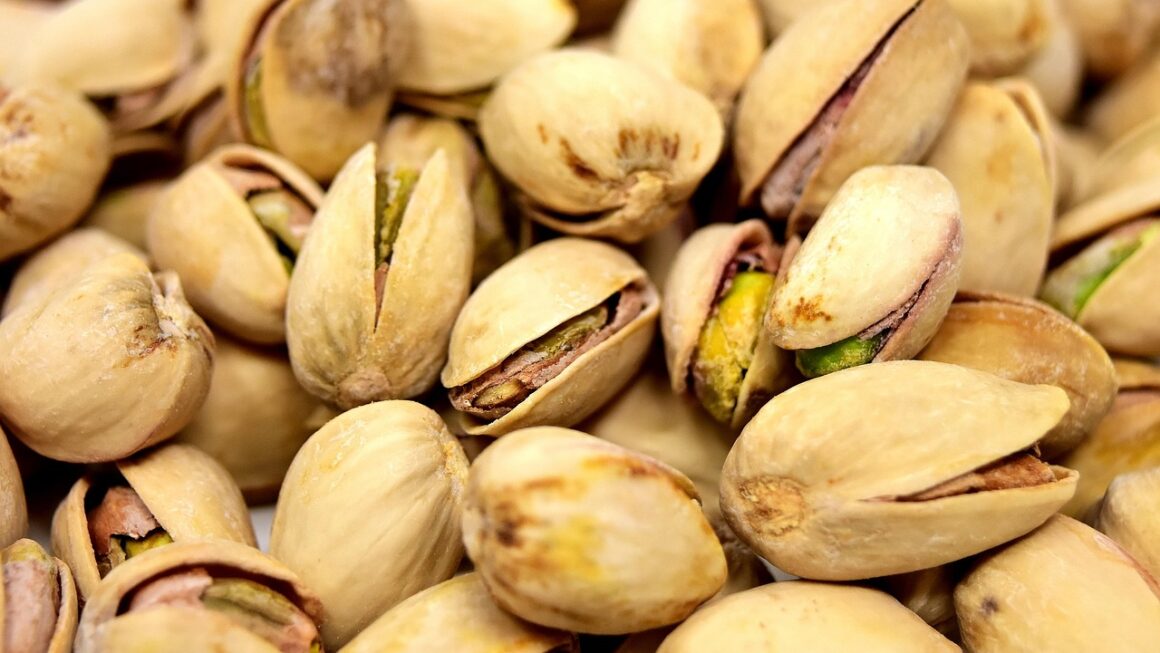
Pistachios: Moderation is Key
Pistachios offer a delightful flavor and satisfying crunch, but they also lean towards the higher end of the carb spectrum for nuts.
- Why Caution: A 1-ounce (28g) serving of pistachios contains approximately 5g net carbs. While not as high as cashews, this is still significantly more than macadamias or pecans.
- Recommendation: Enjoy in strict moderation, perhaps a small handful, and always factor them into your daily carb count.
Actionable Takeaway: When choosing pistachios, opt for dry-roasted, unsalted varieties to avoid hidden sugars or inflammatory oils.
Peanuts: Legume or Nut? The Keto Debate
Technically a legume, peanuts are often grouped with nuts due to their culinary uses and similar nutritional profile. However, they come with a few considerations for keto dieters.
- Why Caution: A 1-ounce (28g) serving of peanuts contains around 4g net carbs. While not prohibitively high, they are still higher than the top keto nuts.
- Additional Concerns: Peanuts contain lectins and can be a source of aflatoxins (a mold toxin), which some individuals find inflammatory. Also, many peanut products (like peanut butter) contain added sugars and unhealthy oils.
- Recommendation: If you choose to include peanuts, opt for raw, unsalted, and organic varieties, and consume in moderation. Always check labels for peanut butter to ensure no added sugar or hydrogenated oils.
Actionable Takeaway: Pay close attention to ingredient labels for all nut and peanut products, choosing those with minimal ingredients and no added sugars.
Smart Snacking & Incorporating Nuts into Your Keto Diet
Even the best keto-friendly nuts require mindful consumption. Their high-fat content means they are calorie-dense, and overindulgence can hinder weight loss goals. Here’s how to enjoy them smartly.
Portion Control is Paramount
The biggest pitfall with nuts on keto is overeating.
- Measure & Weigh: Don’t eyeball it. Use a food scale or measuring cups to stick to recommended serving sizes (typically 1 ounce or 28 grams).
- Pre-portion Snacks: Divide larger bags of nuts into individual snack-sized portions in zip-top bags or containers. This prevents mindless munching directly from the main bag.
- Listen to Your Body: Nuts are incredibly satiating. Eat them slowly and pay attention to when you feel satisfied, rather than just finishing a portion.
Practical Example: Instead of eating directly from the bag, measure out 1/4 cup of macadamia nuts into a small bowl and enjoy them mindfully as a mid-afternoon snack.
Creative Keto Recipes with Nuts
Nuts can add flavor, texture, and nutrition to a wide range of keto meals and snacks beyond just standalone snacking.
- Salad Toppers: Crushed pecans or walnuts add a delightful crunch and healthy fats to any green salad.
- Keto Granola: Combine chopped almonds, pecans, macadamias, and shredded coconut with a low-carb sweetener and healthy fats like coconut oil, then bake until crispy.
- Crusts for Meats & Fish: Finely ground almonds or pecans can create a delicious, crispy coating for chicken, fish, or pork chops.
- Fat Bombs: Macadamia nuts blend perfectly into various fat bomb recipes, offering a creamy texture and boosting healthy fat intake.
- Homemade Nut Butters: Blend raw macadamias, pecans, or almonds until creamy for a fresh, additive-free nut butter.
Practical Example: Try making “Keto Pecan Crusted Salmon” by dipping salmon fillets in egg wash, then coating with finely ground pecans and baking until flaky. This adds healthy fats and a gourmet touch.
Buying and Storing Nuts
To ensure you’re getting the most nutritious and freshest nuts, consider these tips:
- Raw or Dry-Roasted: Opt for raw or dry-roasted nuts. Avoid varieties roasted in unhealthy oils (like soybean or canola oil) or those with added sugars or artificial flavorings.
- Check Ingredients: Always read the label. Even “plain” nuts can sometimes have added ingredients.
- Proper Storage: Due to their high fat content, nuts can go rancid quickly. Store them in an airtight container in a cool, dark place. For longer shelf life, refrigerate or freeze them.
Actionable Takeaway: Invest in high-quality, raw or dry-roasted nuts and store them properly to maintain their freshness and nutritional integrity.
Potential Pitfalls and How to Avoid Them
While nuts are an excellent addition to a ketogenic diet, a few common mistakes can derail your progress. Being aware of these can help you stay on track.
Hidden Carbs in Processed Nut Products
The convenience of processed nut products often comes with a trade-off: hidden sugars and undesirable ingredients.
- Flavored Nuts: Many seasoned or candied nuts are loaded with added sugars, starches, and artificial flavors. Always check the nutrition label.
- Nut Butters: Commercial nut butters (especially peanut butter) frequently contain added sugar, high-fructose corn syrup, and hydrogenated vegetable oils. Choose brands with only one or two ingredients (e.g., “peanuts” or “peanuts, salt”).
- Nut Milks: Sweetened almond or cashew milk can contain significant amounts of sugar. Always opt for unsweetened varieties.
Actionable Takeaway: Be a diligent label reader. The simpler the ingredient list, the better. Prioritize whole, raw nuts over processed products whenever possible.
Calorie Density and Weight Management
Nuts are a fantastic source of healthy fats, but fat is calorie-dense.
- Mindful Consumption: Even keto-friendly foods can lead to weight gain if consumed in excess calories. A small handful of nuts contains a significant amount of calories.
- Balance: Integrate nuts as part of a balanced keto meal plan, not as an unlimited snack. If weight loss is a goal, track your overall calorie intake.
Actionable Takeaway: Treat nuts as a nutritious supplement to your diet, not a primary food source for every meal. Stick to portion sizes, especially if you’re tracking calories for weight loss.
Allergies and Sensitivities
Nut allergies are common and can be severe.
- Know Your Body: If you have known nut allergies, obviously avoid them. For those new to consuming a wider variety of nuts, be aware of any adverse reactions.
- Cross-Contamination: Individuals with severe allergies should be cautious about cross-contamination in facilities that process multiple types of nuts.
Actionable Takeaway: Always prioritize safety. If you suspect an allergy or sensitivity, consult with a healthcare professional.
Conclusion
Keto-friendly nuts are truly a gift to anyone following a low-carb, high-fat lifestyle. They offer a delicious, satisfying crunch, a wealth of healthy fats, and an impressive array of essential vitamins and minerals. By choosing wisely – prioritizing macadamias, pecans, Brazil nuts, and walnuts, and exercising caution with almonds, pistachios, and cashews – you can effortlessly enhance your ketogenic diet. Remember to practice portion control, read labels diligently, and integrate these nutritious powerhouses into your meals and snacks thoughtfully. Enjoy the versatility and health benefits of keto-friendly nuts as a valuable component of your successful keto journey!