The world of athletics is rapidly evolving, and with it, our understanding of optimal nutrition. Gone are the days when a plant-based diet was considered a barrier to peak physical performance. Today, a growing legion of elite vegan athletes — from ultra-marathon runners to weightlifters — are proving that a well-planned vegan athlete meal plan can not only sustain but enhance strength, endurance, and recovery. If you’re looking to fuel your body with powerful plants and unlock your athletic potential, you’re in the right place. This comprehensive guide will break down everything you need to know to thrive as a vegan athlete.
## Why a Vegan Diet for Athletes? Dispelling Myths & Embracing Performance
The decision to adopt a vegan lifestyle often stems from ethical or environmental concerns, but for athletes, the performance benefits are a compelling factor. A well-constructed plant-based diet offers a unique array of advantages that can directly impact training, competition, and recovery.
### Performance Benefits of a Plant-Based Diet
- Enhanced Recovery: Plant-based foods are rich in antioxidants and anti-inflammatory compounds, which can help reduce muscle soreness and speed up recovery times after intense workouts. This means you can train harder and more consistently.
- Improved Cardiovascular Health: A diet low in saturated fat and cholesterol, and high in fiber, supports optimal heart health and blood flow, crucial for endurance athletes.
- Sustained Energy Levels: Complex carbohydrates, abundant in plant foods, provide a steady release of glucose, ensuring sustained energy throughout long training sessions and events.
- Optimal Body Composition: Many plant-based foods are nutrient-dense and lower in calories compared to their animal counterparts, making it easier to maintain a lean body mass.
- Gut Health Advantage: The high fiber content promotes a healthy gut microbiome, which is linked to better nutrient absorption, immune function, and overall well-being.
### Dispelling the Protein Myth
Perhaps the most common misconception about a vegan diet for athletes is the “where do you get your protein?” question. The truth is, obtaining adequate protein on a plant-based diet is not only possible but straightforward with a varied intake of plant foods.
- Complete Proteins: Many plant foods like quinoa, soy products (tofu, tempeh, edamame), and various seeds (chia, hemp) contain all nine essential amino acids, making them complete proteins.
- Amino Acid Combining: While not strictly necessary at every meal, combining different plant protein sources throughout the day (e.g., rice and beans, hummus and whole-wheat pita) ensures a full spectrum of amino acids.
- Protein Needs: Athletes generally require more protein than sedentary individuals, ranging from 1.2 to 2.2 grams of protein per kilogram of body weight, depending on intensity and goals. Plant-based protein sources can easily meet these needs.
Actionable Takeaway: Embrace the diversity of plant foods to unlock performance benefits and ensure adequate protein intake without relying on animal products.
## Macronutrient Mastery: Fueling Your Vegan Athlete Body
Understanding the role of macronutrients—carbohydrates, protein, and fats—is fundamental to crafting an effective vegan athlete meal plan. Each plays a critical role in energy production, muscle repair, and overall bodily function.
### Carbohydrates: The Primary Fuel Source
For athletes, carbohydrates are king. They are the body’s preferred and most efficient source of energy, especially during high-intensity exercise. Focus on complex carbohydrates for sustained energy and simple carbohydrates for quick fuel.
- Complex Carbs (Slow Release):
- Sources: Oats, brown rice, quinoa, whole-wheat pasta, sweet potatoes, legumes (lentils, beans).
- Benefit: Provide sustained energy, replenish glycogen stores, and are rich in fiber, vitamins, and minerals.
- Timing: Best consumed in larger quantities in main meals and several hours before exercise.
- Simple Carbs (Quick Release):
- Sources: Fruits (bananas, berries, dates), fruit juices, dried fruit.
- Benefit: Rapid energy for immediate use, crucial for pre-workout boosts and during extended exercise.
- Timing: Ideal for pre-workout (30-60 min before) and during long workouts.
### Protein: The Building Blocks of Muscle
As discussed, adequate protein is vital for muscle repair, growth, and recovery. Aim for consistent protein intake throughout the day.
- Excellent Vegan Protein Sources:
- Legumes: Lentils, chickpeas, black beans, kidney beans (approx. 15-20g protein per cup cooked).
- Soy Products: Tofu, tempeh, edamame (approx. 10-20g protein per 100g serving).
- Grains: Quinoa (8g protein per cup cooked), seitan (25g+ protein per 100g, very high protein wheat gluten), whole-wheat bread.
- Nuts & Seeds: Almonds, walnuts, pumpkin seeds, chia seeds, hemp seeds (e.g., 3 tbsp hemp seeds = 10g protein).
- Vegan Protein Powders: Pea, rice, soy, hemp protein (convenient for post-workout or meal boosts).
- Timing: Distribute protein intake across all meals and snacks, particularly focusing on pre and post-workout to support muscle protein synthesis.
### Fats: Essential for Hormones & Health
Healthy fats are crucial for hormone production, nutrient absorption (fat-soluble vitamins A, D, E, K), and providing a dense energy source, especially for endurance athletes.
- Healthy Vegan Fat Sources:
- Avocado: Monounsaturated fats, fiber, vitamins.
- Nuts & Seeds: Walnuts (Omega-3s), almonds, chia seeds, flax seeds, hemp seeds.
- Nut Butters: Almond butter, peanut butter (look for natural, no added sugar/oil).
- Oils: Olive oil, flaxseed oil (for dressings), avocado oil.
- Avoid: Processed fats, trans fats, and excessive saturated fats found in some processed vegan foods.
Actionable Takeaway: Prioritize complex carbs for energy, diverse plant proteins for muscle, and healthy fats for overall health. Balance your macros based on your training intensity and body’s needs.
## Micronutrient Powerhouse: Essential Vitamins & Minerals
While macronutrients provide the bulk of your energy and building blocks, micronutrients are the unsung heroes facilitating countless bodily processes crucial for athletic performance. A vegan athlete must pay particular attention to a few key vitamins and minerals.
### Key Micronutrients for Vegan Athletes
- Vitamin B12:
- Function: Essential for nerve function, red blood cell formation, and DNA synthesis.
- Vegan Source: Fortified foods (plant milks, cereals, nutritional yeast) or a supplement. B12 is not naturally found in plants.
- Actionable Tip: Supplementing with B12 is highly recommended for all vegans.
- Iron:
- Function: Crucial for oxygen transport in the blood (hemoglobin) and energy production.
- Vegan Sources: Lentils, chickpeas, spinach, tofu, fortified cereals, pumpkin seeds, dark chocolate.
- Actionable Tip: Pair iron-rich plant foods with Vitamin C (citrus fruits, bell peppers, broccoli) to significantly enhance absorption. Avoid consuming iron with calcium-rich foods or supplements as they can inhibit absorption.
- Calcium:
- Function: Essential for bone health, muscle contraction, and nerve function.
- Vegan Sources: Fortified plant milks (almond, soy, oat), calcium-set tofu, dark leafy greens (kale, collard greens), sesame seeds/tahini, almonds.
- Actionable Tip: Aim for multiple calcium-rich sources throughout the day, ensuring you meet the recommended daily intake (e.g., 1000-1200 mg for adults).
- Vitamin D:
- Function: Crucial for calcium absorption, bone health, and immune function.
- Vegan Sources: Fortified plant milks, fortified cereals, sun exposure. Vegan D3 supplements (derived from lichen) are available.
- Actionable Tip: Get regular sun exposure when possible, and consider a vegan D3 supplement, especially during winter months or if you have limited sun exposure.
- Zinc:
- Function: Important for immune function, wound healing, and protein synthesis.
- Vegan Sources: Legumes, nuts (cashews, almonds), seeds (pumpkin, hemp), whole grains, tofu, tempeh.
- Actionable Tip: Soaking and sprouting legumes/grains can improve zinc absorption by reducing phytates.
- Iodine:
- Function: Essential for thyroid hormone production, regulating metabolism.
- Vegan Sources: Iodized salt, seaweed (use sparingly as too much can be problematic), some fortified plant milks.
- Actionable Tip: Ensure some iodized salt is part of your diet or consider a multivitamin that includes iodine.
- Omega-3 Fatty Acids (EPA & DHA):
- Function: Anti-inflammatory, brain health, cardiovascular health.
- Vegan Sources: ALA (alpha-linolenic acid) found in flax seeds, chia seeds, hemp seeds, walnuts. The body converts ALA to EPA and DHA, but conversion rates can be low.
- Actionable Tip: Incorporate ALA-rich foods daily, and consider an algae-based EPA/DHA supplement to ensure optimal intake.
Actionable Takeaway: Be proactive about micronutrient intake. Diversify your plate, use fortified foods, and consider targeted supplements for B12, D3, and potentially EPA/DHA to optimize health and performance.
## Crafting Your Vegan Athlete Meal Plan: Structure & Examples
A successful vegan athlete meal plan isn’t just about what you eat, but also when and how much. Strategic meal timing, especially around workouts, is critical for energy, recovery, and adaptation.
### Strategic Meal Timing for Athletes
- Pre-Workout (1-3 hours before): Focus on complex carbohydrates for sustained energy and a moderate amount of protein. Keep fat and fiber low to avoid digestive discomfort.
- Example: Oatmeal with berries and a scoop of vegan protein powder, or a sweet potato with black beans.
- During Workout (for long sessions > 60-90 min): Easily digestible carbohydrates to maintain blood sugar and energy levels.
- Example: Dates, dried fruit, a banana, or sports gels/drinks.
- Post-Workout (within 30-60 min): Prioritize simple carbohydrates to replenish glycogen stores and 20-40g of protein for muscle repair and synthesis.
- Example: Vegan protein shake with a banana and plant milk, or a tofu scramble with whole-wheat toast.
- Main Meals: Ensure each main meal (breakfast, lunch, dinner) is balanced with a good source of complex carbs, plant protein, healthy fats, and plenty of fruits and vegetables.
### Sample Vegan Athlete Meal Day (High Activity)
This is a template and can be adjusted based on your specific caloric and macronutrient needs, training intensity, and personal preferences.
- Breakfast (Pre-Workout ~2-3 hours before):
- Large bowl of rolled oats cooked with water or plant milk.
- Toppings: 1 scoop vegan protein powder, sliced banana, handful of berries, 1 tbsp chia seeds, drizzle of maple syrup.
- Optional: Coffee or green tea.
- Pre-Workout Snack (~30-60 min before):
- 1-2 Medjool dates or a small banana.
- During Workout:
- Water or electrolyte drink, perhaps a few bites of a sports bar or dried fruit for long sessions.
- Post-Workout (within 30-60 min):
- Vegan protein smoothie: 1.5 scoops pea or soy protein powder, 1 cup plant milk, 1 cup spinach, 1/2 cup frozen berries, 1 tbsp almond butter.
- Lunch:
- Large buddha bowl: Quinoa base, roasted sweet potato cubes, black beans, mixed greens, avocado, corn, bell peppers, with a tahini-lemon dressing.
- Afternoon Snack:
- Apple slices with 2 tbsp peanut butter, or a handful of almonds and some fresh fruit.
- Dinner:
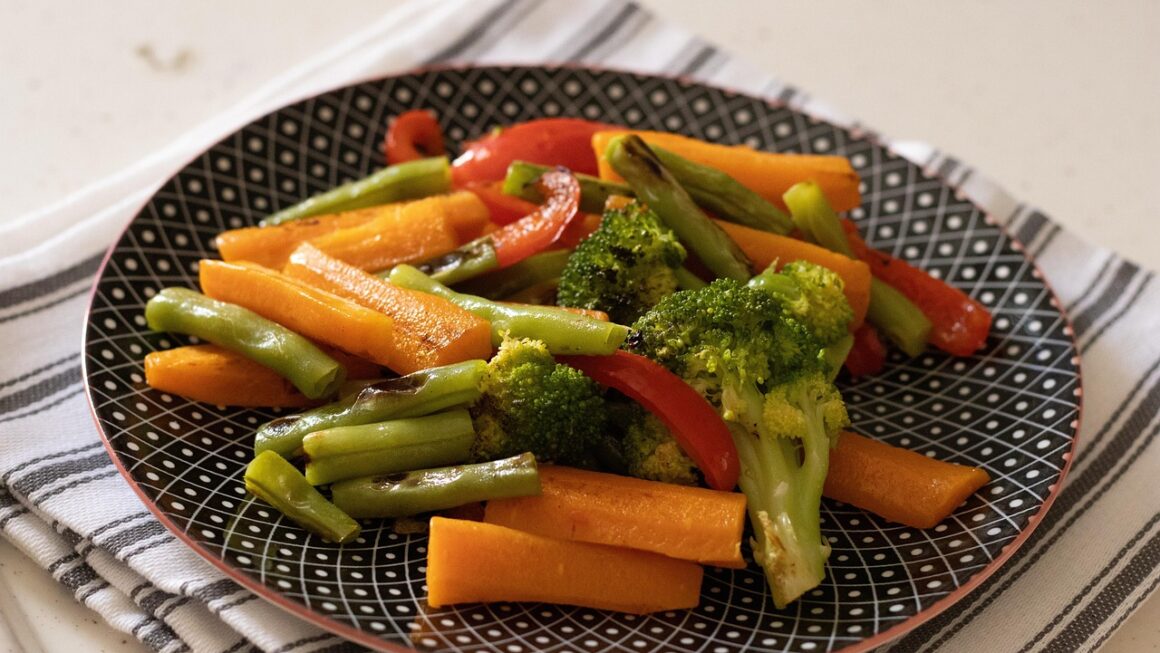
- Tofu or Tempeh Stir-fry: Sautéed tofu/tempeh with a variety of colorful vegetables (broccoli, carrots, snow peas), served over brown rice or whole-wheat noodles.
- Season with soy sauce (or tamari), ginger, garlic.
- Evening Snack (if needed):
- Small portion of vegan yogurt with a sprinkle of walnuts, or a glass of fortified plant milk.
Actionable Takeaway: Plan your meals and snacks around your training schedule, ensuring you have readily available options for pre- and post-workout nutrition. Experiment to find what works best for your body and digestive system.
## Hydration, Supplements, and Meal Prep for Success
Beyond the food on your plate, optimizing hydration, strategically using supplements, and mastering meal prep are vital pillars for any successful vegan athlete.
### Hydration: The Foundation of Performance
Water is essential for nearly every bodily function, especially during exercise. Dehydration can severely impair performance, reduce stamina, and increase the risk of injury.
- Daily Intake: Aim for at least 3-4 liters of water daily, increasing significantly on training days.
- Electrolytes: For long or intense workouts (over 60-90 minutes), consider adding electrolytes to your water to replace sodium, potassium, and magnesium lost through sweat.
- Natural Sources: Coconut water, fruit, leafy greens, sea salt.
- Supplement: Commercial electrolyte powders or tablets.
- Monitoring: Pay attention to urine color (should be pale yellow) and thirst signals.
### Smart Supplementation for Vegan Athletes
While a whole-foods vegan diet is incredibly nutrient-dense, certain supplements can provide an extra edge or fill specific gaps for athletes.
- Vegan Protein Powder: Convenient for quick post-workout recovery or boosting protein content in smoothies/oatmeal. Pea, soy, rice, and hemp are common options.
- Creatine Monohydrate: One of the most researched and effective supplements for increasing strength, power, and muscle mass. Vegan-friendly.
- Beta-Alanine: Can help buffer lactic acid, improving performance in high-intensity activities lasting 60 seconds to a few minutes.
- BCAAs (Branched-Chain Amino Acids): While a complete protein diet usually provides sufficient BCAAs, some athletes use them during prolonged fasting or intense training. Look for plant-based sources.
- Multivitamin/Mineral: A comprehensive multivitamin can act as an “insurance policy” to cover any potential micronutrient shortfalls, especially if your diet isn’t always perfect.
Actionable Tip: Prioritize whole foods first. Evaluate your individual needs with a healthcare professional or registered dietitian before adding supplements.
### The Power of Vegan Meal Prep
Consistency is key to athletic nutrition, and meal prepping is your secret weapon. Batch cooking and planning ahead save time, reduce stress, and prevent unhealthy choices when hunger strikes.
- Batch Cook Staples: Cook large quantities of grains (quinoa, brown rice), legumes (lentils, chickpeas), and roasted vegetables at the beginning of the week.
- Prepare Components: Wash and chop fresh produce, portion out nuts and seeds, make dressings or sauces.
- Pre-assemble Meals: Create grab-and-go jars for salads, portion out stir-fries into containers, or prepare smoothie packs for quick blending.
- Snack Strategy: Always have healthy vegan snacks on hand like fruit, nuts, seeds, energy balls, or pre-cut veggies with hummus.
Actionable Takeaway: Make hydration a non-negotiable habit, consider evidence-based supplements tailored to your goals, and embrace meal prep to ensure consistent, optimal nutrition.
## Conclusion
Embracing a vegan athlete meal plan is a powerful choice that aligns ethical values with peak physical performance. By understanding the principles of macronutrient balance, diligent micronutrient intake, strategic meal timing, and the importance of hydration and smart supplementation, you can effectively fuel your body for any athletic endeavor. Dispelling the myths around plant-based nutrition, vegan athletes are proving that plants provide everything needed for strength, endurance, rapid recovery, and overall well-being.
The journey to becoming a thriving vegan athlete is a rewarding one. Start by incorporating more whole, unprocessed plant foods, listen to your body, and don’t hesitate to seek guidance from a plant-based registered dietitian or sports nutritionist. Your strongest, healthiest, and most compassionate self awaits.