Embarking on a journey towards a healthier, leaner you doesn’t mean sacrificing flavor, satisfaction, or vital nutrients. In fact, a thoughtfully constructed vegan meal plan for fat loss can be one of the most effective and delicious ways to achieve your goals. Packed with fiber, essential vitamins, and powerhouse plant proteins, a whole-foods plant-based diet naturally supports sustainable weight management by promoting satiety, boosting metabolism, and reducing calorie intake without feeling deprived. Discover how to harness the incredible potential of plant-based eating to transform your body and elevate your well-being.
The Power of a Plant-Based Diet for Fat Loss
The science is clear: a well-planned vegan diet can be incredibly effective for achieving and maintaining a healthy weight. Unlike restrictive fad diets, a plant-based approach focuses on abundance and nutrient density, making it a sustainable choice for long-term success.
Why Veganism Aids Weight Loss
- High Fiber Content: Plant-based foods are naturally rich in fiber, which promotes satiety, aids digestion, and helps regulate blood sugar levels, preventing energy crashes and cravings. Studies show that increasing fiber intake can lead to automatic calorie reduction.
- Lower Calorie Density: Whole plant foods like fruits, vegetables, legumes, and whole grains generally have a lower calorie density compared to animal products and processed foods. This means you can eat larger portions and feel full on fewer calories.
- Reduced Saturated Fat & Cholesterol: A vegan diet eliminates dietary cholesterol and significantly reduces saturated fat intake, often leading to improved cardiovascular health and a better metabolic profile, which can support fat loss.
- Increased Thermic Effect of Food: Some research suggests that whole plant foods may have a higher thermic effect (the energy expended during digestion), subtly boosting daily calorie burn.
Key Components for Success
- Whole Foods Focus: Prioritize unprocessed foods like fruits, vegetables, whole grains, legumes, nuts, and seeds. Avoid excessive consumption of processed vegan alternatives, sugary drinks, and refined grains.
- Adequate Protein Intake: Ensure you’re getting enough plant-based protein to preserve muscle mass during fat loss, boost satiety, and support metabolism.
- Healthy Fats: Include sources of healthy fats (avocado, nuts, seeds) in moderation for hormone function, nutrient absorption, and satiety.
- Hydration: Drink plenty of water throughout the day to support metabolism, curb appetite, and keep your body functioning optimally.
Building Your Fat-Loss Vegan Meal Plan
Creating a structured vegan meal plan is crucial for consistency and ensuring you hit your nutritional targets while maintaining a calorie deficit. This approach helps eliminate guesswork and keeps you on track.
Essential Nutrients for Fat Loss
- Protein: Aim for 1.2-1.6 grams of protein per kilogram of body weight. Sources include lentils, chickpeas, black beans, tofu, tempeh, edamame, seitan, quinoa, and various plant-based protein powders. Protein is vital for muscle preservation and satiety.
- Complex Carbohydrates: These provide sustained energy and fiber. Focus on whole grains like oats, brown rice, quinoa, farro, and starchy vegetables such as sweet potatoes and butternut squash.
- Healthy Fats: Include sources like avocados, nuts (almonds, walnuts), seeds (chia, flax, hemp), and olive oil in moderation. These are crucial for hormone health and nutrient absorption.
- Vitamins & Minerals: A diverse intake of fruits and vegetables will naturally supply a wide array of vitamins, minerals, and antioxidants essential for overall health and metabolic function. Consider B12 supplementation as it’s not reliably found in plant foods.
Meal Planning Fundamentals
- Calculate Your Calorie Deficit: Use an online TDEE (Total Daily Energy Expenditure) calculator to estimate your maintenance calories, then subtract 300-500 calories to create a sustainable deficit for fat loss (aiming for 1-2 pounds per week).
- Portion Control: Even healthy foods can contribute to excess calories if portions are too large. Use measuring cups and food scales initially to understand appropriate portion sizes.
- Balance Your Macros: Aim for a balanced distribution across your meals – lean protein, complex carbs, and healthy fats at each sitting helps stabilize blood sugar and keeps you full.
Sample Daily Meal Structure
- Breakfast: High-protein smoothie (plant protein powder, spinach, berries, flax seeds, plant milk) or oatmeal with nuts and fruit.
- Lunch: Large salad with mixed greens, roasted chickpeas or lentils, quinoa, various veggies, and a light vinaigrette. Or a hearty lentil soup with whole-grain bread.
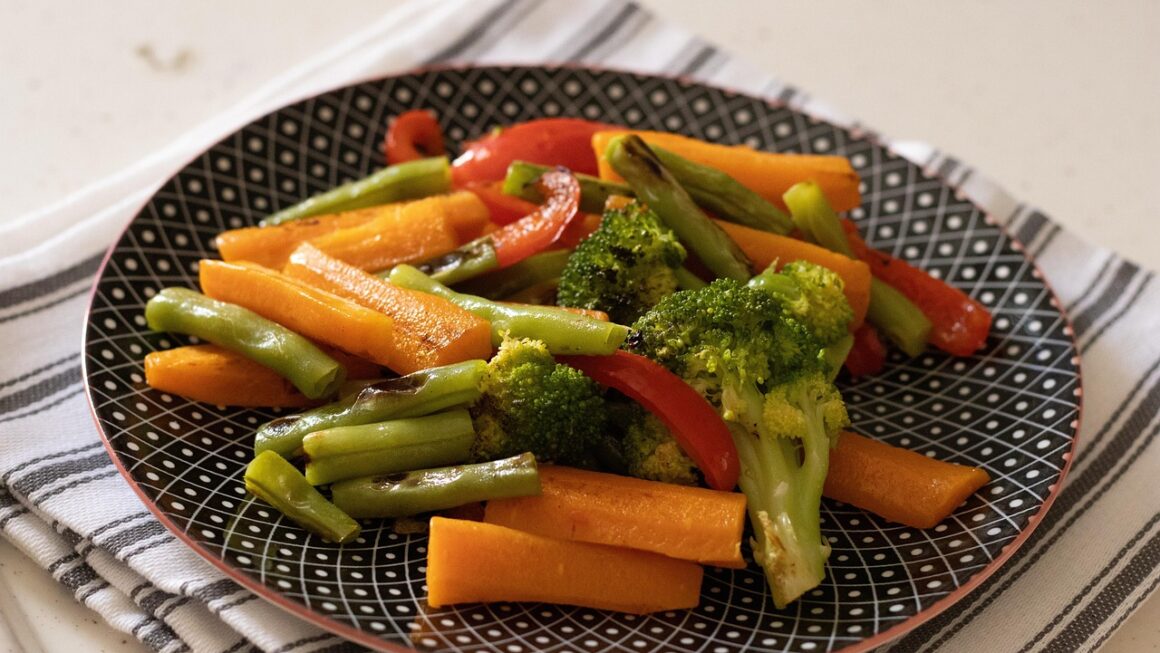
- Dinner: Tofu or tempeh stir-fry with a generous amount of vegetables and a small serving of brown rice. Alternatively, black bean burgers on whole-wheat buns with a side salad.
- Snacks: A handful of almonds, an apple with a tablespoon of peanut butter, or vegetable sticks with hummus.
High-Protein Vegan Foods for Satiety and Muscle Preservation
Protein is paramount when aiming for fat loss, as it helps you feel full longer and prevents muscle loss, which is crucial for maintaining a healthy metabolism. Fortunately, the plant kingdom offers an abundance of excellent protein sources.
Top Vegan Protein Sources
- Legumes: Lentils, chickpeas, black beans, kidney beans, edamame (approx. 7-9g protein per 1/2 cup cooked).
- Soy Products: Tofu (silken, firm, extra firm), tempeh, edamame (approx. 10-20g protein per 3-4 oz serving). These are complete proteins.
- Seitan: Made from wheat gluten, seitan is incredibly high in protein (approx. 20-25g per 3-4 oz serving).
- Quinoa: A complete protein grain, excellent for side dishes or salads (approx. 8g protein per 1 cup cooked).
- Nuts & Seeds: Almonds, walnuts, cashews, chia seeds, flax seeds, hemp seeds (approx. 5-7g protein per 2 tbsp or 1/4 cup nuts).
- Nutritional Yeast: A cheesy-flavored seasoning, rich in B vitamins and protein (approx. 4g protein per 2 tbsp).
- Plant-Based Protein Powders: Pea, rice, hemp protein can be excellent supplements to smoothies (approx. 20-25g protein per scoop).
How Protein Aids Fat Loss
- Increased Satiety: Protein is the most satiating macronutrient, helping to reduce overall calorie intake by keeping hunger at bay.
- Thermic Effect of Food (TEF): Protein has a higher TEF compared to fats and carbs, meaning your body burns more calories digesting it.
- Muscle Preservation: Adequate protein intake is vital during a calorie deficit to prevent muscle loss, which is metabolically active tissue. Maintaining muscle helps keep your metabolism humming.
Practical Protein Incorporation
Aim to include a good source of plant-based protein in every meal and snack. For example:
- Breakfast: Add hemp seeds to oatmeal, blend protein powder into a smoothie, or have a tofu scramble.
- Lunch: Top salads with grilled tempeh, chickpeas, or lentils. Opt for bean-based soups.
- Dinner: Build meals around tofu steaks, seitan strips, lentil patties, or bean chili.
- Snacks: Edamame, roasted chickpeas, a handful of nuts, or plant-based yogurt.
Smart Snacking and Hydration for Optimal Results
Thoughtful snacking and consistent hydration are often overlooked but play a significant role in successful fat loss. They can help manage hunger, prevent overeating at main meals, and support bodily functions.
Healthy Vegan Snack Ideas
Choose snacks that are high in fiber and protein to maximize satiety and nutrient intake:
- Fruit with Nut Butter: An apple or banana with a tablespoon of almond or peanut butter provides healthy fats, fiber, and a touch of protein.
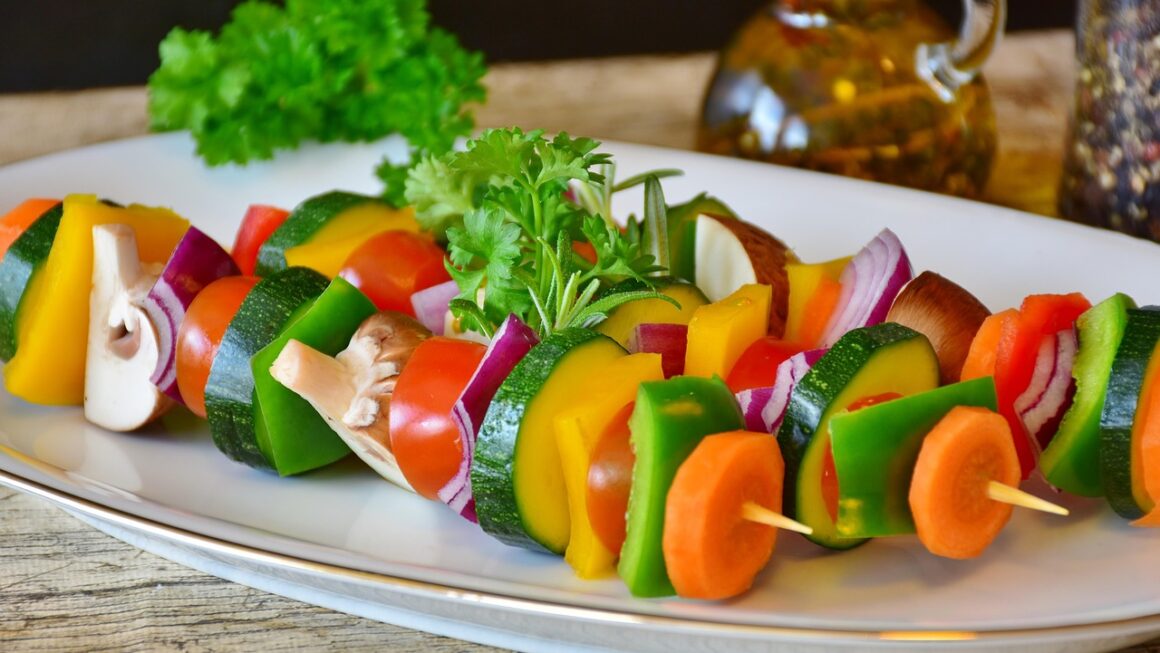
- Vegetable Sticks with Hummus: Carrots, celery, bell peppers, or cucumber slices with a serving of hummus is a fiber-rich, low-calorie option.
- Roasted Chickpeas: Seasoned and roasted chickpeas make a crunchy, protein-packed snack.
- Handful of Nuts or Seeds: Almonds, walnuts, pistachios, pumpkin seeds, or sunflower seeds offer healthy fats, protein, and fiber (portion control is key!).
- Edamame: Steamed edamame in pods is a fun, protein-rich snack.
- Plant-Based Yogurt with Berries: Choose unsweetened varieties and add fresh berries for antioxidants and fiber.
The Role of Water in Fat Loss
- Satiety: Drinking water before meals can help you feel fuller, potentially reducing your calorie intake.
- Metabolism: Water is essential for all metabolic processes, including fat metabolism. Dehydration can slow down your metabolism.
- Reduced Cravings: Sometimes thirst can be mistaken for hunger. Staying well-hydrated can help prevent unnecessary snacking.
- Detoxification: Water aids in flushing out waste products, supporting overall bodily health.
Actionable Takeaway: Aim for at least 8 glasses (about 2 liters) of water daily, and consider having a glass before each meal. Keep a water bottle handy as a constant reminder.
Overcoming Challenges and Sustaining Your Journey
Transitioning to a vegan fat loss plan can present unique challenges, but with the right strategies, you can overcome them and ensure long-term success. Consistency and a positive mindset are your greatest assets.
Common Misconceptions & Challenges
- “Where do you get your protein?”: A common question that can be addressed by focusing on the rich array of plant-based protein sources mentioned above.
- Risk of Nutrient Deficiencies: While a well-planned vegan diet is perfectly healthy, specific nutrients like Vitamin B12, Vitamin D, Omega-3s, Iron, Calcium, and Zinc require attention. Supplementation for B12 and D is often recommended.
- Social Situations: Eating out or attending social gatherings can be tricky. Research menus in advance or bring a dish to share.
- Relying on Processed Vegan Foods: Many processed vegan options (like highly processed meat alternatives or desserts) are high in calories, unhealthy fats, and sugars, hindering fat loss.
Meal Prep Strategies for Success
Meal prepping is a game-changer for a vegan fat loss plan, ensuring you have healthy options readily available and reducing the temptation for less healthy choices.
- Batch Cook Grains & Legumes: Cook large quantities of quinoa, brown rice, lentils, and chickpeas at the beginning of the week.
- Pre-Chop Vegetables: Wash and chop vegetables for salads, stir-fries, or snacking.
- Prepare Dressings & Sauces: Make healthy vegan dressings and sauces in advance to add flavor to your meals.
- Assemble Snack Packs: Portion out nuts, seeds, and fruits into individual containers for grab-and-go options.
- Cook in Bulk: Make large batches of curries, stews, or chili that can be portioned out for several meals.
Actionable Takeaway: Dedicate a few hours one day a week (e.g., Sunday) to meal preparation. This investment of time will pay off significantly in healthy eating consistency.
Mindset and Consistency
- Focus on Progress, Not Perfection: There will be days you slip up; that’s okay. Get back on track with your next meal.
- Celebrate Small Wins: Acknowledge your efforts and milestones, whether it’s hitting a new weight goal or consistently sticking to your meal plan.
- Find Your “Why”: Remind yourself of the core reasons you started this journey – better health, increased energy, ethical considerations, etc.
- Seek Support: Connect with online communities, friends, or family who support your goals.
Conclusion
Adopting a vegan meal plan for fat loss is a powerful, sustainable, and delicious strategy to achieve your weight management goals. By focusing on whole, unprocessed plant-based foods rich in fiber and protein, you can naturally create a calorie deficit while feeling satisfied and energized. Remember to prioritize essential nutrients, plan your meals, stay hydrated, and embrace meal prep to overcome challenges. This journey is not just about shedding pounds; it’s about nourishing your body, exploring new flavors, and embracing a lifestyle that contributes to your overall health and well-being. Start your plant-powered transformation today and discover the incredible benefits firsthand!