Embarking on a dietary journey often means navigating a world of choices and sometimes, perceived contradictions. For those committed to a plant-based lifestyle, the idea of a ketogenic diet – traditionally rich in animal fats and proteins – might seem like an impossible feat. However, the vegan keto meal plan has emerged as a powerful and increasingly popular approach, offering the metabolic benefits of ketosis alongside the ethical and health advantages of a plant-forward diet. This comprehensive guide will demystify vegan keto, providing you with the knowledge and practical tools to thrive on this unique and rewarding eating plan.
Understanding Vegan Keto: The Basics
The vegan ketogenic diet combines two distinct nutritional philosophies into a harmonious and effective eating strategy. It’s a way to achieve metabolic ketosis while strictly adhering to plant-based food sources, creating a diet that’s both beneficial for the body and kind to the planet.
What is Vegan Keto?
At its core, vegan keto is a dietary approach that eliminates all animal products (meat, dairy, eggs, honey) and significantly reduces carbohydrate intake to induce a metabolic state called ketosis. In ketosis, your body switches from burning glucose (sugar) for fuel to burning fat, producing molecules called ketones. This shift can lead to numerous health benefits.
- Veganism: A lifestyle that excludes all animal products for ethical, environmental, or health reasons.
- Ketosis: A metabolic state where the body primarily uses fat for energy instead of carbohydrates, leading to the production of ketones.
- The Synergy: Combining these means focusing on very low-carb plant foods, high healthy fats, and moderate plant-based proteins.
Key Principles and Macros
Achieving and maintaining ketosis on a vegan diet requires careful attention to macronutrient ratios. While individual needs vary, a general guideline is crucial for success.
- Very Low Carbohydrates: Typically aiming for 20-50 grams of net carbs per day (total carbs minus fiber). This is the cornerstone of entering ketosis.
- High Healthy Fats: Fats become your primary energy source, comprising 70-75% of your daily caloric intake. Emphasis is on unsaturated and medium-chain triglycerides (MCTs).
- Moderate Plant-Based Protein: Essential for muscle maintenance and satiety, generally 20-25% of calories. Too much protein can kick you out of ketosis, as the body can convert excess protein to glucose.
Actionable Takeaway: Start by tracking your current macro intake for a few days to understand your baseline, then gradually adjust to the vegan keto ratios. Utilize apps like Cronometer or MyFitnessPal for accurate tracking.
Benefits of a Vegan Keto Diet
The convergence of veganism and ketosis offers a unique array of potential health and lifestyle advantages.
- Sustainable Weight Management: Ketosis can lead to reduced appetite and increased fat burning, aiding in weight loss and maintenance.
- Enhanced Mental Clarity: Many report improved focus, concentration, and stable energy levels due to consistent ketone supply to the brain.
- Reduced Inflammation: Both plant-based diets and ketogenic diets are associated with lower inflammatory markers.
- Improved Blood Sugar Control: Very low carb intake can be highly beneficial for managing blood sugar levels and insulin sensitivity.
- Ethical and Environmental Impact: Aligning with plant-based values contributes to animal welfare and reduced ecological footprint.
- Increased Energy: Stable blood sugar and fat adaptation can prevent energy crashes often associated with high-carb diets.
Actionable Takeaway: Document your personal health goals before starting. This will help you stay motivated and track the specific benefits you experience.
Essential Vegan Keto Foods to Stock Your Pantry
Successful plant-based keto relies heavily on smart food choices. Building a well-stocked pantry and fridge with the right ingredients is your first step towards meal planning success.
Healthy Fats: Your Fuel Source
These are the backbone of your vegan keto diet, providing energy and supporting satiety.
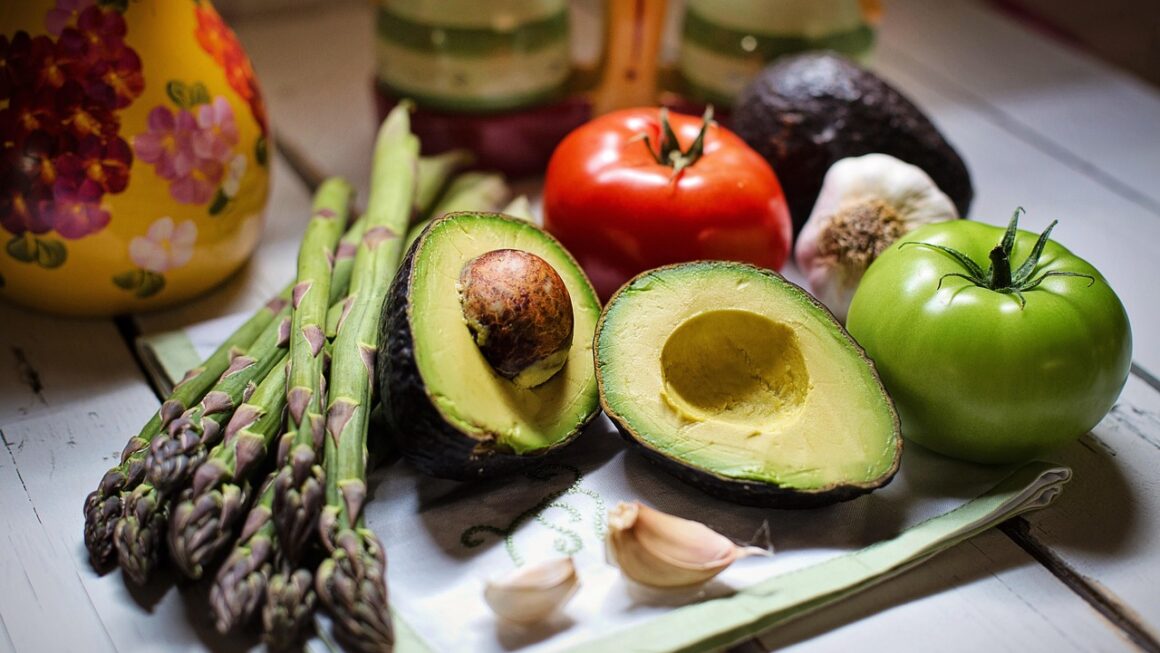
- Avocados: Rich in monounsaturated fats, fiber, and potassium.
- Coconut Oil & MCT Oil: Excellent sources of medium-chain triglycerides, which are readily converted into ketones.
- Olive Oil: Extra virgin olive oil is great for dressings and low-heat cooking.
- Nuts (Macadamia, Pecans, Almonds, Walnuts): High in healthy fats and relatively low in net carbs. Enjoy in moderation due to calorie density.
- Seeds (Chia, Flax, Hemp, Pumpkin, Sesame): Packed with healthy fats, fiber, and micronutrients. Great for adding to smoothies, salads, or making puddings.
- Nut Butters & Seed Butters: Ensure they are unsweetened and free from added oils.
Actionable Takeaway: Incorporate at least one healthy fat source into every meal to ensure adequate energy and satiety.
Plant-Based Proteins: Building Blocks
Crucial for muscle maintenance and overall health, these options are low in carbs and high in protein.
- Tofu & Tempeh: Versatile soy products. Tempeh is fermented, offering additional gut health benefits. Look for organic and non-GMO varieties.
- Seitan: A wheat-gluten-based protein. Use in moderation as wheat can be an allergen for some and has a moderate carb count.
- Vegan Protein Powders: Opt for pea, hemp, or mixed plant-based protein powders that are low in carbs and sugar-free.
- Nutritional Yeast: A fantastic source of B vitamins (including B12 if fortified) and a cheesy flavor for savory dishes.
- Edamame: Steamed edamame in pods or shelled can be a great snack in controlled portions.
Actionable Takeaway: Aim for a source of protein at each meal to help stabilize blood sugar and maintain muscle mass.
Low-Carb Vegetables: Nutrient Powerhouses
These non-starchy vegetables provide essential vitamins, minerals, and fiber without spiking blood sugar.
- Leafy Greens: Spinach, kale, romaine, arugula, collard greens. Eat generously!
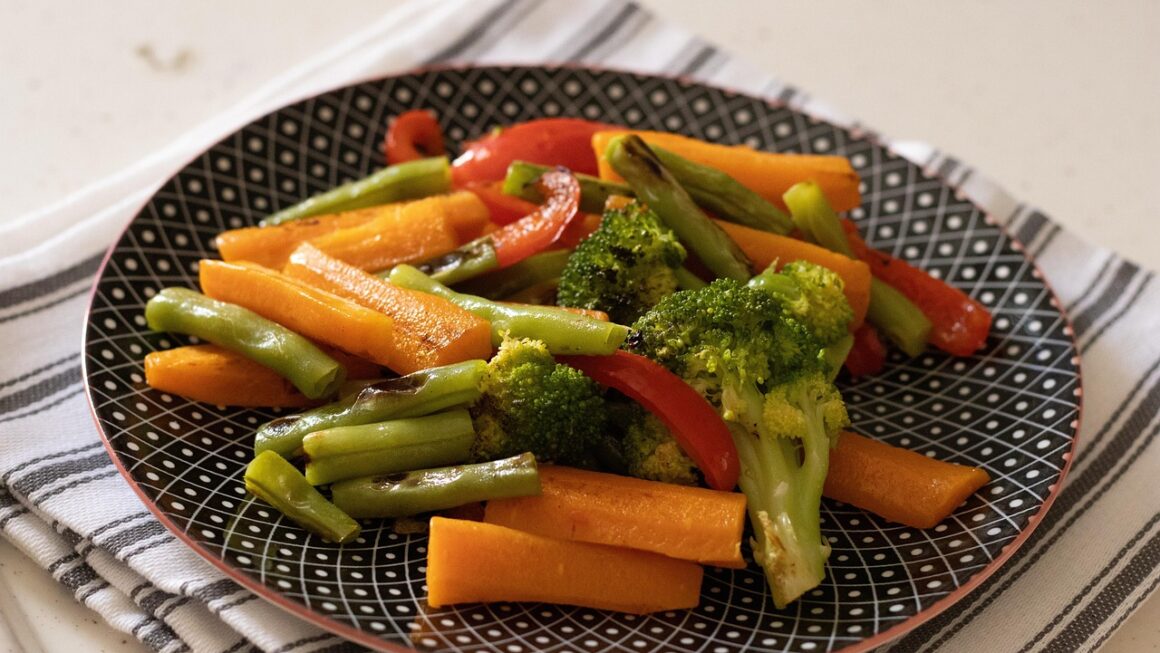
- Cruciferous Vegetables: Broccoli, cauliflower, Brussels sprouts, cabbage. Great for roasting or steaming.
- Other Low-Carb Veggies: Zucchini, asparagus, bell peppers (especially green), mushrooms, green beans, cucumber, celery.
Actionable Takeaway: Fill at least half of your plate with non-starchy vegetables at lunch and dinner for fiber and nutrient density.
Dairy Alternatives & Condiments
Enhance your meals with these keto-friendly options.
- Unsweetened Plant Milks: Almond, coconut, soy (ensure low carb), or cashew milk. Check labels for added sugars.
- Vegan Cheeses: Many brands offer low-carb, dairy-free cheese alternatives. Read labels carefully for carb content.
- Nutritional Yeast: As mentioned, great for a cheesy flavor.
- Avocado Oil Mayonnaise: Ensure it’s vegan and made with healthy oils.
- Herbs & Spices: Essential for flavor without added carbs.
- Vinegars & Low-Carb Dressings: Apple cider vinegar, red wine vinegar, and sugar-free dressings.
Actionable Takeaway: Always check ingredient labels on packaged goods to ensure no hidden sugars or high-carb ingredients.
Crafting Your Vegan Keto Meal Plan: A Sample Day
A well-structured meal plan is key to consistency and success on a vegan ketogenic diet. Here’s a sample day to inspire your own weekly planning.
Breakfast Ideas (Approx. 350-450 calories, 5-8g net carbs)
- Keto Tofu Scramble: Crumbled tofu sautéed with spinach, mushrooms, nutritional yeast, and turmeric for color. Serve with half an avocado.
- Chia Seed Pudding: Chia seeds soaked overnight in unsweetened almond milk with a few drops of stevia/erythritol, topped with hemp hearts and a few berries (like raspberries or blackberries in moderation).
- Avocado Smoothie: Blended unsweetened almond milk, half an avocado, a scoop of vegan protein powder, a handful of spinach, and a teaspoon of MCT oil.
Practical Tip: Prepare larger batches of tofu scramble or chia pudding at the beginning of the week for quick weekday mornings.
Lunch Ideas (Approx. 400-550 calories, 7-10g net carbs)
- Big Green Salad with Tempeh: Mixed greens, cucumber, bell peppers, olives, half a block of grilled or baked tempeh, and a generous drizzle of olive oil & apple cider vinegar dressing.
- Zucchini Noodle Stir-Fry: Zucchini noodles stir-fried with broccoli, mushrooms, a protein source like edamame or seitan, and a low-carb peanut-free “peanut” sauce (tahini, tamari, ginger, garlic, lime juice).
- Vegan Keto Lettuce Wraps: Sautéed crumbled tofu or seitan seasoned with taco spices, served in large lettuce cups with avocado slices and a dollop of vegan sour cream alternative.
Practical Tip: Pack your lunch the night before to save time and avoid tempting unhealthy options during your workday.
Dinner Ideas (Approx. 500-650 calories, 8-12g net carbs)
- Creamy Cauliflower Curry: Cauliflower florets and green beans simmered in a rich coconut milk-based curry sauce with tofu cubes.
- Stuffed Bell Peppers: Bell peppers filled with a mixture of riced cauliflower, crumbled tempeh, nutritional yeast, and keto-friendly herbs/spices, baked until tender.
- Keto Vegan Burger: A store-bought low-carb vegan patty or homemade mushroom-walnut patty, served bun-less on a bed of lettuce with avocado, tomato, and a sugar-free ketchup or vegan mayo.
Practical Tip: Explore new herbs and spices to keep your meals exciting and prevent flavor fatigue.
Snack Options (Approx. 100-200 calories, 2-5g net carbs)
- A handful of macadamia nuts or almonds
- Olives
- Celery sticks with almond butter
- Avocado slices with everything bagel seasoning
- Small portion of vegan keto “fat bombs” (e.g., coconut oil, cocoa powder, stevia)
Actionable Takeaway: Plan your snacks in advance to avoid impulsive, non-keto choices. Prioritize whole foods over processed vegan keto snacks.
Hydration and Electrolytes
Often overlooked, proper hydration and electrolyte balance are critical, especially when starting a ketogenic diet.
- Water: Drink plenty of water throughout the day.
- Electrolytes: As carb intake drops, your body excretes more water and electrolytes (sodium, potassium, magnesium). Supplementing with these can prevent symptoms like the “keto flu.” Consider adding a pinch of Himalayan salt to your water or consuming electrolyte-rich foods like avocados and leafy greens.
Actionable Takeaway: Carry a reusable water bottle and consider a low-carb electrolyte supplement, especially during the initial adaptation phase.
Navigating Challenges and Ensuring Nutritional Adequacy
While a vegan keto diet offers many benefits, it also presents unique challenges, primarily concerning nutrient intake. Proactive planning can help you overcome these hurdles.
Micronutrient Focus: What to Watch For
Some nutrients are more readily found in animal products. On a vegan keto diet, careful planning or supplementation is often necessary.
- Vitamin B12: Crucial for nerve function and blood cell formation. Exclusively found in animal products or fortified foods. Supplementation is essential.
- Iron: Plant-based iron (non-heme) is less bioavailable. Pair iron-rich foods (spinach, lentils, tofu) with Vitamin C to enhance absorption.
- Calcium: Found in fortified plant milks, leafy greens (collard greens, kale), sesame seeds, and tofu.
- Omega-3 Fatty Acids (EPA & DHA): Essential for brain and heart health. While flax and chia seeds provide ALA, converting it to EPA/DHA is inefficient. Consider an algae-based omega-3 supplement.
- Vitamin D: Many are deficient regardless of diet. Sun exposure is key, but supplementation is often recommended, especially in darker months or regions.
- Iodine: Important for thyroid function. Seaweed (in moderation), iodized salt, or a supplement can help.
Actionable Takeaway: Consult with a doctor or registered dietitian to discuss appropriate supplementation for your individual needs. Get regular blood tests to monitor your nutrient levels.
Avoiding Common Pitfalls
Being aware of potential traps can help you stay on track and maintain a healthy vegan keto lifestyle.
- Hidden Carbs: Many seemingly healthy vegan products can contain added sugars or starches. Always read labels carefully.
- Processed Vegan Foods: While convenient, many vegan processed foods are high in carbs, unhealthy oils, and artificial ingredients. Prioritize whole, unprocessed foods.
- Lack of Fiber: While leafy greens provide fiber, a restricted diet can sometimes lead to insufficient intake. Ensure you’re eating plenty of non-starchy vegetables and seeds.
- “Keto Flu”: This common side effect during the initial adaptation phase can be minimized by adequate hydration and electrolyte intake.
- Nutrient Deficiencies: As discussed, proactive planning for micronutrients is crucial.
Actionable Takeaway: Maintain a food journal, especially in the beginning, to track your macro and micronutrient intake, helping you identify and correct any imbalances.
Meal Prep and Planning Strategies
Efficiency is your ally when following a specialized diet like vegan keto.
- Batch Cooking: Dedicate a few hours one day a week (e.g., Sunday) to chop vegetables, cook grains (if incorporating small amounts), and prepare protein sources like baked tofu or tempeh.
- Recipe Exploration: Regularly seek out new low-carb vegan recipes to keep your diet exciting and prevent boredom. Websites and cookbooks dedicated to vegan keto are excellent resources.
- Label Reading Mastery: Make it a habit to scrutinize nutrition labels for net carb counts, sugar content, and healthy fat sources.
- Keep it Simple: You don’t need gourmet meals every day. Simple combinations of healthy fats, proteins, and non-starchy vegetables can be delicious and effective.
Actionable Takeaway: Plan your meals a week in advance, create a shopping list, and stick to it to ensure you have all the necessary ingredients on hand.
Conclusion
The vegan keto meal plan is far from a restrictive sentence; it’s an exciting pathway to optimizing your health and well-being while adhering to a plant-based ethos. By understanding the core principles, embracing the right foods, meticulously planning your meals, and being mindful of potential nutrient gaps, you can successfully navigate this transformative dietary approach. Whether your goal is sustainable weight management, enhanced mental clarity, or simply exploring a healthier relationship with food, the plant-based ketogenic diet offers a robust and rewarding journey. With careful preparation and a commitment to whole, nutrient-dense foods, you’ll discover that thriving on vegan keto is not only achievable but truly enjoyable.