The misconception that building significant muscle and strength is impossible on a vegan diet is rapidly becoming a relic of the past. From elite athletes to everyday fitness enthusiasts, a growing number of individuals are proving that a well-planned plant-based lifestyle can not only meet but exceed the nutritional demands of bodybuilding. If you’re looking to sculpt a powerful physique, enhance performance, and recover efficiently, all while adhering to ethical and sustainable principles, then delving into a strategic vegan bodybuilding meal plan is your next crucial step. This comprehensive guide will equip you with the knowledge, examples, and practical tools to fuel your muscle growth and achieve your fitness goals with plants.
The Foundations of Vegan Muscle Building
Building muscle on a vegan diet requires attention to detail, but it’s fundamentally similar to any other diet: adequate calories, sufficient protein, smart carb cycling, and healthy fats. The key lies in understanding which plant foods deliver these essentials effectively.
Protein Powerhouses: Beyond the Stereotype
One of the biggest concerns for aspiring vegan bodybuilders is protein intake. Rest assured, the plant kingdom offers an abundance of protein-rich foods, many of which are complete proteins or easily combined to form them. Aim for 1.6-2.2 grams of protein per kilogram of body weight, especially during intense training periods.
- Legumes: Lentils, chickpeas, black beans, kidney beans, peas. A cup of cooked lentils can provide around 18g of protein.
- Tofu and Tempeh: Soy-based powerhouses, excellent sources of complete protein. Tempeh, being fermented, is often easier to digest. A 4oz serving of extra-firm tofu can offer about 10-12g of protein.
- Seitan: Made from wheat gluten, seitan is incredibly high in protein, often boasting 20-25g per 3oz serving. It’s a fantastic meat substitute.
- Quinoa and Amaranth: These ancient grains are complete proteins, offering fiber and various micronutrients.
- Nuts and Seeds: Almonds, walnuts, peanuts, chia seeds, hemp seeds, flax seeds. Hemp seeds, for example, provide about 10g of protein per 3 tablespoons.
- Vegan Protein Powders: A convenient way to boost protein, especially post-workout. Look for blends of pea, rice, hemp, or soy protein.
Actionable Takeaway: Prioritize diverse plant protein sources in every meal to ensure a full spectrum of amino acids and optimize muscle protein synthesis.
Carb Loading for Performance and Recovery
Carbohydrates are your body’s primary fuel source, crucial for intense workouts and replenishing glycogen stores for recovery. Don’t shy away from them; choose wisely.
- Complex Carbohydrates: These provide sustained energy and are rich in fiber and micronutrients. Examples include oats, brown rice, quinoa, sweet potatoes, whole grain bread, and pasta.
- Simple Carbohydrates: Useful around workouts for quick energy. Fruits like bananas and berries, or a small amount of fruit juice, can be beneficial pre- or post-training.
- Fiber Rich: Plant-based carbs naturally come with fiber, which aids digestion and satiety, but be mindful not to overdo it around workouts to avoid digestive discomfort.
Actionable Takeaway: Structure your carbohydrate intake around your training schedule, consuming more complex carbs on training days and slightly less on rest days, always prioritizing whole, unprocessed sources.
Healthy Fats: Essential for Hormones and Health
Fats are vital for hormone production (including testosterone, critical for muscle growth), nutrient absorption, and overall health. Don’t cut them too low.
- Avocado: A fantastic source of monounsaturated fats.
- Nuts and Seeds: Almonds, walnuts, chia seeds, flax seeds, hemp seeds are rich in healthy fats, including omega-3s.
- Olive Oil: A staple for cooking and dressings, high in monounsaturated fats.
- Coconut Products: Coconut oil and full-fat coconut milk offer medium-chain triglycerides (MCTs) which can be used for quick energy.
Actionable Takeaway: Include a source of healthy fats in each meal, focusing on avocados, nuts, seeds, and quality oils to support hormonal balance and general well-being.
Crafting Your Vegan Bodybuilding Meal Plan
Once you understand the fundamental building blocks, the next step is to assemble them into a cohesive meal plan that supports your training goals. Consistency and proper tracking are key.
Macronutrient Ratios for Growth
While exact ratios can vary based on individual metabolism and training intensity, a good starting point for vegan bodybuilding often looks like this:
- Protein: 25-35% of total calories
- Carbohydrates: 40-55% of total calories
- Fats: 15-25% of total calories
Use a calorie calculator to estimate your maintenance calories, then add 300-500 calories for a muscle-building surplus. Track your macros for a few weeks to understand how your body responds and adjust as needed.
Actionable Takeaway: Calculate your daily calorie and macronutrient targets based on your body weight and activity level, then diligently track your intake to ensure you’re meeting your goals for consistent muscle growth.
Meal Frequency and Timing
While the “anabolic window” isn’t as narrow as once thought, consistency in nutrient delivery is beneficial for muscle protein synthesis and recovery.
- Frequent Meals: Aim for 4-6 meals per day, spaced every 3-4 hours, to provide a steady supply of amino acids.
- Pre-Workout: A meal rich in complex carbohydrates and moderate protein 2-3 hours before training, e.g., oatmeal with berries and protein powder.
- Post-Workout: Within 1-2 hours after training, consume a meal with fast-digesting carbohydrates and high-quality protein to replenish glycogen and initiate muscle repair, e.g., a smoothie with fruit, spinach, and vegan protein powder.
- Before Bed: A slow-digesting protein source (like casein alternatives or a blend of plant proteins) to support overnight recovery, e.g., tofu scramble or a protein shake.
Actionable Takeaway: Plan your meals around your workout schedule, ensuring you have easily digestible carbs and protein both before and after training to maximize energy and recovery.
Hydration and Micronutrients
Often overlooked, adequate hydration and micronutrient intake are critical for performance, recovery, and overall health.
- Water: Aim for at least 3-4 liters of water daily, more on training days or in hot climates. Dehydration can impair performance and recovery.
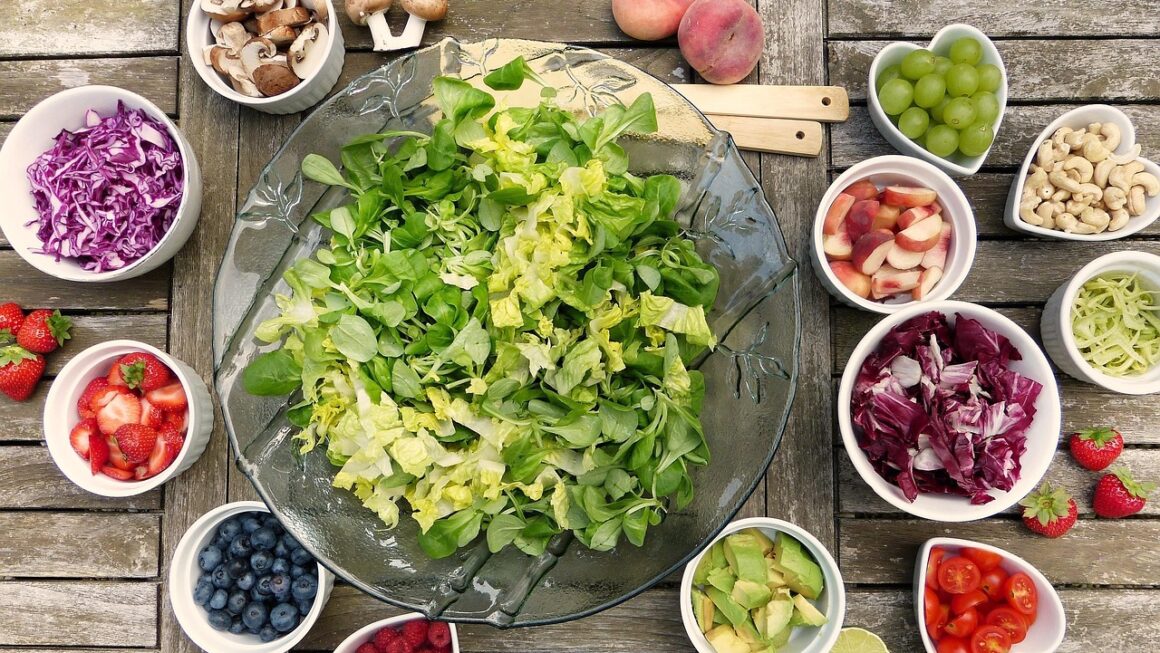
- Fruits and Vegetables: Consume a wide variety of colorful fruits and vegetables daily. They are packed with vitamins, minerals, antioxidants, and fiber essential for energy production, immune function, and recovery.
- Crucial Micronutrients: Pay attention to B12, Vitamin D, Iron, Calcium, Iodine, Zinc, and Omega-3s, which can sometimes be lower in poorly planned vegan diets. Supplementation might be necessary for some.
Actionable Takeaway: Drink water consistently throughout the day and prioritize a diverse intake of fruits and vegetables to ensure optimal micronutrient status and overall health.
Sample 7-Day Vegan Bodybuilding Meal Plan
This sample plan provides a template. Adjust portion sizes to meet your specific calorie and macro targets. Focus on whole, unprocessed foods and variety.
Day 1: High Protein Kickstart
- Breakfast: Oatmeal (1 cup dry) with 1 scoop vegan protein powder, 1/2 cup berries, 1 tbsp chia seeds, and almond milk.
- Mid-morning Snack: Handful of almonds and an apple.
- Lunch: Large salad with mixed greens, 1 cup cooked lentils, 1/2 block baked tofu, avocado slices, and a light vinaigrette.
- Pre-Workout: Banana with 2 tbsp peanut butter.
- Post-Workout: Vegan protein shake with 1 scoop protein powder, 1 banana, 1 cup spinach, and plant milk.
- Dinner: Tempeh stir-fry with 1 cup cooked tempeh, mixed vegetables, brown rice (1.5 cups cooked), and soy-free sauce.
Day 2: Focus on Complex Carbs
- Breakfast: Tofu scramble (1/2 block tofu) with spinach, bell peppers, nutritional yeast, and whole-wheat toast (2 slices).
- Mid-morning Snack: Rice cakes (2) with hummus.
- Lunch: Chickpea and veggie wrap (large whole-wheat tortilla) with 1 cup chickpeas, mixed greens, cucumber, carrots, and a tahini dressing.
- Pre-Workout: Sweet potato (medium) with a sprinkle of cinnamon.
- Post-Workout: Vegan protein shake with 1 scoop protein powder, 1/2 cup oats, and plant milk.
- Dinner: Lentil shepherd’s pie with sweet potato topping and a side of steamed broccoli.
Day 3: Balanced & Diverse
- Breakfast: Smoothie bowl: 1 scoop vegan protein powder, frozen berries, spinach, 1/2 cup oats, topped with granola and hemp seeds.
- Mid-morning Snack: Edamame (1 cup steamed).
- Lunch: Quinoa bowl with 1 cup cooked quinoa, black beans (1/2 cup), corn, salsa, and avocado.
- Pre-Workout: Dates (3-4) or a small fruit.
- Post-Workout: Vegan protein shake with mixed berries and a spoonful of almond butter.
- Dinner: Seitan “steak” (4-5 oz) with roasted Brussels sprouts and baked potato (large).
(Continue with similar varied days, emphasizing different whole plant foods, ensuring a balance of macros)
Key Principles for Customization
- Listen to Your Body: Adjust portion sizes based on hunger, energy levels, and training intensity.
- Rotate Foods: Don’t stick to the same meals every day. Rotate your protein sources, grains, and vegetables to ensure a broad spectrum of nutrients and prevent boredom.
- Meal Prep: Dedicate time once or twice a week to prepare staples like cooked grains, baked tofu/tempeh, roasted vegetables, and sauces. This makes sticking to your plan much easier.
- Season and Flavor: Don’t be afraid to experiment with herbs, spices, and healthy sauces to keep your meals exciting and palatable.
Actionable Takeaway: Use the sample meal plan as a guide, but customize it with your favorite plant-based foods, always prioritizing variety and consistent meal preparation to meet your nutrient needs.
Essential Supplements for Vegan Bodybuilders
While whole foods should always be the foundation, certain supplements can be beneficial for vegan bodybuilders to optimize performance, recovery, and bridge potential nutritional gaps.
Protein Supplements
Even with careful planning, sometimes it’s challenging to hit your protein targets, especially when trying to limit overall calorie intake or for quick post-workout recovery.
- Vegan Protein Powder: Typically a blend of pea, brown rice, and/or hemp protein. Look for brands with minimal added sugars and artificial ingredients. Excellent for shakes, smoothies, or mixed into oatmeal.
- BCAA (Branched-Chain Amino Acids): While less critical if protein intake is high, some find BCAAs helpful for muscle soreness and preventing muscle breakdown during fasted training.
Actionable Takeaway: Consider a high-quality vegan protein powder to conveniently boost your protein intake, especially around your workouts, ensuring consistent muscle protein synthesis.
Creatine Monohydrate
Creatine is one of the most researched and effective supplements for increasing strength, power output, and muscle mass. Since creatine is found primarily in animal products, it’s particularly important for vegans.
- Dosage: A common dosage is 3-5 grams per day, taken consistently.
- Benefits: Enhanced strength, improved high-intensity exercise performance, increased lean body mass, and quicker recovery between sets.
Actionable Takeaway: Supplement with 3-5g of creatine monohydrate daily to enhance strength, power, and muscle growth, as plant-based diets are naturally low in this compound.
B12, D3, Omega-3s: The Micronutrient Trio
These micronutrients deserve special attention for vegans.
- Vitamin B12: Critical for nerve function and red blood cell formation. B12 is not naturally found in plant foods in reliable amounts. Supplementation (250-1000 mcg per day of cyanocobalamin) is non-negotiable for all vegans.
- Vitamin D3: Essential for bone health, immune function, and potentially muscle function. While sunlight is a source, many people are deficient. Look for vegan D3 derived from lichen.
- Omega-3 Fatty Acids: Important for heart health, brain function, and reducing inflammation. While flax, chia, and hemp seeds contain ALA (a type of omega-3), conversion to EPA and DHA (the forms used by the body) can be inefficient. Consider an algae-based EPA/DHA supplement.
Actionable Takeaway: Ensure consistent supplementation of B12, consider a vegan D3 supplement, and evaluate an algae-based Omega-3 EPA/DHA supplement to safeguard your long-term health and optimize performance.
Overcoming Challenges and Sustaining Success
Embarking on a vegan bodybuilding journey can present unique challenges, but with the right strategies and mindset, they are entirely surmountable.
Meal Prep and Planning Strategies
Consistency is paramount in bodybuilding, and consistent nutrient intake often hinges on effective meal prep.
- Batch Cooking: Dedicate a few hours on a Sunday to cook large quantities of grains (quinoa, brown rice), legumes (lentils, beans), and roasted vegetables.
- Portioning: Use meal prep containers to portion out your meals for the week, making grab-and-go options a breeze.
- Snack Prep: Prepare nutrient-dense snacks like trail mix, cut-up veggies with hummus, or pre-made protein balls.
- Recipe Rotation: Keep a repertoire of 5-7 go-to recipes that you enjoy and are easy to prepare, then cycle through them.
Actionable Takeaway: Implement a robust meal prep routine, focusing on batch cooking and portioning, to ensure you consistently meet your nutritional requirements without daily stress.
Listening to Your Body and Adapting
No two bodies are the same. What works perfectly for one vegan bodybuilder might need tweaking for another.
- Monitor Progress: Track your workouts, body composition (body fat percentage, muscle mass), and energy levels.
- Digestive Health: Pay attention to how different foods affect your digestion. Some plant foods, while healthy, might cause discomfort if consumed in large quantities by individuals not accustomed to a high-fiber diet.
- Adjust as Needed: If you’re not gaining muscle, increase calories. If you’re feeling sluggish, adjust carb timing. If you’re overly sore, focus more on recovery and protein.
Actionable Takeaway: Be attuned to your body’s signals regarding energy, recovery, and digestion, and be prepared to adapt your meal plan and training as needed for optimal results.
Social Support and Mindset
Staying motivated and disciplined is easier with a positive mindset and supportive community.
- Find a Community: Connect with other vegan bodybuilders online or in person. Share tips, recipes, and encouragement.
- Educate Yourself: Continuously learn about plant-based nutrition and exercise science. The more knowledgeable you are, the more confident you’ll feel.
- Celebrate Small Wins: Acknowledge your progress, no matter how small. This reinforces positive habits and keeps you motivated.
- Be Patient: Building muscle is a marathon, not a sprint. Consistency over time yields the best results.
Actionable Takeaway: Cultivate a supportive environment, continuously educate yourself, and maintain patience and a positive mindset to overcome challenges and enjoy your vegan bodybuilding journey.
Conclusion
Embracing a vegan bodybuilding meal plan is a powerful choice that aligns ethical values with ambitious fitness goals. By focusing on nutrient-dense whole plant foods, strategically planning your macronutrient intake, and utilizing smart supplementation, you can effectively build strength, increase muscle mass, and achieve peak performance. The journey requires dedication, knowledge, and a willingness to explore the incredible diversity of the plant kingdom, but the rewards—a strong, healthy, and compassionate physique—are immeasurable. Start planning your plant-powered plates today and unlock your full potential!