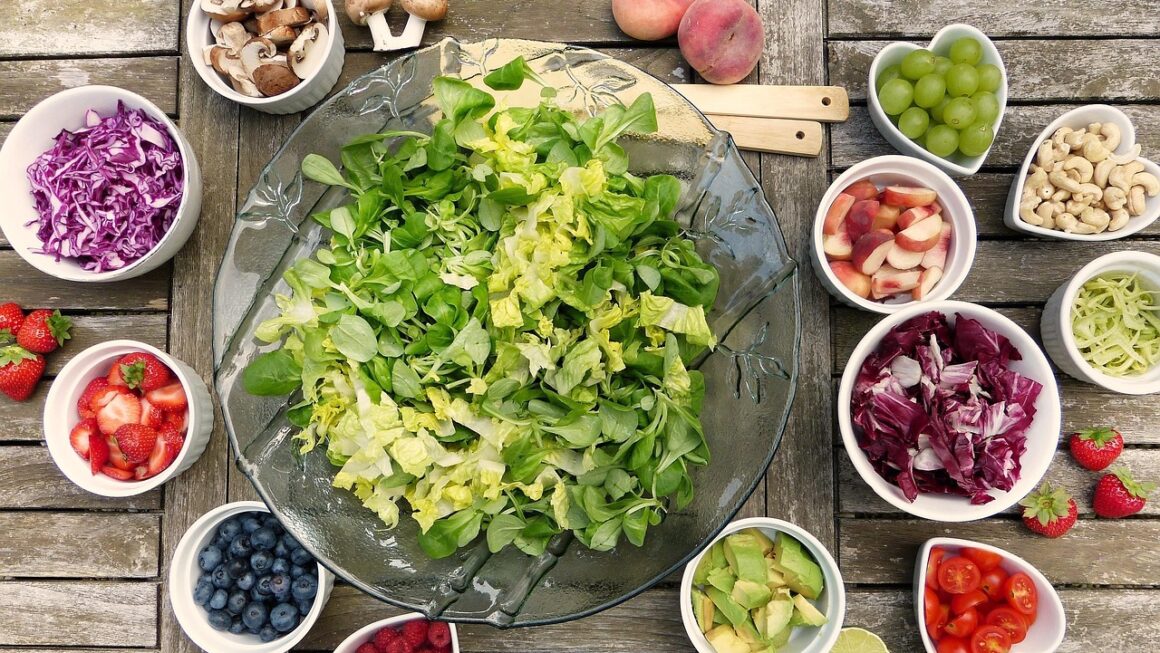
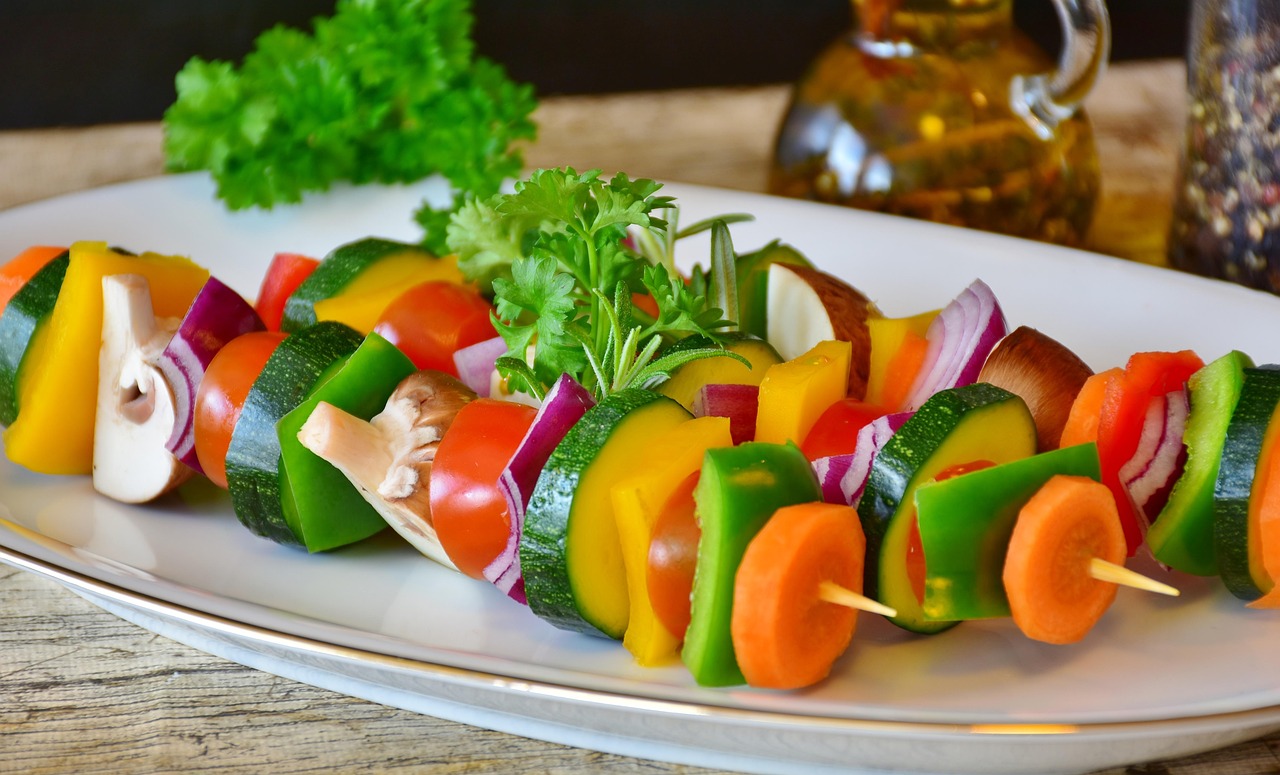
In a world increasingly seeking vibrant health and sustainable living, a powerful movement is taking root in kitchens worldwide: raw vegan meals. Far from being a niche diet, this approach to eating celebrates the immense power of nature’s bounty, delivering an unparalleled array of nutrients, enzymes, and life-force energy. Imagine a plate bursting with color, flavor, and vitality, all derived from fresh, uncooked plant-based ingredients. This comprehensive guide will dive deep into the fascinating realm of raw vegan cuisine, exploring its definition, numerous benefits, essential tools, delectable meal ideas, and practical tips for integrating more of these incredible foods into your daily life.
What Exactly Are Raw Vegan Meals?
The concept of raw vegan meals revolves around enjoying foods in their most natural, unprocessed state. It’s a culinary philosophy that champions freshness, enzymes, and the inherent goodness of plants.
Defining “Raw” and “Vegan”
- Raw: Foods are considered “raw” when they have not been heated above a certain temperature threshold, typically between 104°F (40°C) and 118°F (48°C). This gentle preparation aims to preserve naturally occurring enzymes, vitamins, and minerals that can be degraded or destroyed by high heat. Common raw preparation methods include blending, juicing, dehydrating, sprouting, and fermenting.
- Vegan: This aspect means completely plant-based, excluding all animal products. This includes meat, poultry, fish, dairy, eggs, and honey. The focus is entirely on fruits, vegetables, nuts, seeds, grains, and legumes.
Therefore, raw vegan meals are dishes composed entirely of plant-based ingredients that have not been cooked or processed with high heat, maximizing their nutritional integrity and bioavailability.
Common Raw Food Preparation Methods
While the term “raw” might conjure images of simple salads, the culinary possibilities are incredibly diverse and sophisticated:
- Blending: Creating smoothies, soups, sauces, and even “cheeses.”
- Juicing: Extracting nutrient-dense liquids from fruits and vegetables.
- Dehydrating: Removing water at low temperatures to make crackers, breads, fruit leathers, or “meat” alternatives.
- Sprouting: Germinating seeds, nuts, grains, and legumes to boost their nutritional content and digestibility.
- Fermenting: Culturing foods like kimchi, sauerkraut, and raw vegan yogurts to enhance beneficial bacteria.
- Spiralizing: Transforming vegetables like zucchini, carrots, or sweet potatoes into “noodles.”
Actionable Takeaway: Begin by identifying fresh, whole ingredients you already love, such as a crisp apple, a handful of almonds, or a vibrant green salad, and acknowledge they are perfect examples of delicious raw vegan components.
The Abundance of Benefits: Why Go Raw Vegan?
Embracing raw vegan meals is not just about dietary choices; it’s a gateway to a myriad of health and wellness advantages that can profoundly impact your life.
Nutritional Powerhouse
Raw plant-based foods are inherently nutrient-dense, offering a spectrum of essential compounds:
- Enzyme Preservation: Enzymes are crucial for digestion and numerous bodily functions. Heating above 118°F often destroys these delicate proteins. Raw foods provide a rich source of living enzymes, easing the digestive burden on your body.
- Vitamin and Mineral Retention: Many heat-sensitive vitamins (like Vitamin C and some B vitamins) and minerals are better preserved in raw foods, ensuring you get the maximum nutritional value from every bite.
- High Fiber Content: The abundance of fiber in raw fruits, vegetables, nuts, and seeds supports healthy digestion, promotes satiety, and aids in maintaining stable blood sugar levels.
- Antioxidant Richness: Raw plant foods are packed with antioxidants, which combat free radicals, reduce inflammation, and support cellular health.
Enhanced Energy and Mental Clarity
Many adherents report a noticeable boost in energy levels and mental acuity:
- Easier Digestion: With the enzymes intact, your body expends less energy on digestion, freeing up resources for other functions. This often leads to less post-meal sluggishness.
- Improved Sleep Quality: A lighter, more nutrient-dense diet can contribute to better sleep patterns and more restorative rest.
- Brain Fog Reduction: By reducing inflammatory foods and increasing nutrient intake, many experience a significant reduction in brain fog and an improvement in focus and cognitive function.
Supporting Overall Well-being
The benefits extend beyond immediate physical and mental improvements:
- Weight Management Potential: Raw vegan meals are typically low in unhealthy fats and processed sugars, high in fiber and water, making them naturally conducive to healthy weight management.
- Radiant Skin and Hair: The high intake of vitamins, minerals, and antioxidants often translates to a healthier complexion, increased skin elasticity, and stronger hair and nails.
- Reduced Risk of Chronic Diseases: A diet rich in whole, unprocessed plant foods is consistently linked to a lower risk of heart disease, type 2 diabetes, certain cancers, and other chronic conditions.
Actionable Takeaway: Pay attention to how you feel after meals. Notice if incorporating more raw vegan options leads to greater energy, better digestion, or improved mood throughout your day.
Essential Ingredients and Kitchen Tools for Raw Vegan Success
Embarking on a raw vegan journey doesn’t require an immediate overhaul, but understanding key ingredients and helpful tools can significantly enhance your experience and culinary creativity.
Pantry Staples for Raw Vegan Meals
Building a well-stocked raw vegan pantry ensures you always have the basics on hand to create delicious and nourishing meals:
- Fresh Produce: A vibrant array of fruits (berries, apples, bananas, citrus), vegetables (leafy greens, bell peppers, carrots, cucumbers), and herbs (cilantro, parsley, basil).
- Nuts and Seeds: Almonds, cashews, walnuts, pecans, flax seeds, chia seeds, hemp seeds, sunflower seeds. These are vital for healthy fats, protein, and texture.
- Healthy Fats: Avocados, cold-pressed olive oil, coconut oil (raw, unrefined), and tahini.
- Sprouted Grains/Legumes: Sprouted quinoa, buckwheat, lentils, and chickpeas for added protein and digestibility.
- Sweeteners: Dates, maple syrup (raw variety if possible), agave nectar.
- Flavor Boosters: Nutritional yeast (for a cheesy flavor), Bragg Liquid Aminos or tamari (raw), apple cider vinegar, various spices, and sea salt.
- Superfoods: Spirulina, chlorella, raw cacao powder, goji berries – optional additions for extra nutrient density.
Must-Have Raw Vegan Kitchen Gadgets
While you can start with basic kitchenware, a few specialized tools can unlock a world of raw vegan culinary possibilities:
- High-Speed Blender: Essential for ultra-smooth smoothies, creamy sauces, nut milks, and raw soups. Brands like Vitamix or Blendtec are popular choices.
- Food Processor: Ideal for making raw “doughs,” nut cheeses, veggie burgers, dips, and chopping ingredients quickly.
- Dehydrator: Perfect for creating raw crackers, breads, fruit leathers, vegetable chips, and warming foods without cooking them.
- Spiralizer: Transforms vegetables into pasta-like strands, making dishes like zucchini noodles or carrot spirals easy and fun.
- Juicer: For making fresh, nutrient-dense fruit and vegetable juices.
- Quality Knives and Cutting Boards: Good tools make food preparation safer and more efficient.
Practical Example: With just a blender and a few simple ingredients like bananas, spinach, and plant milk, you can create a power-packed green smoothie in minutes. Add some soaked cashews and nutritional yeast to a food processor, and you have a creamy, savory raw “cheese” sauce.
Actionable Takeaway: Choose one new raw pantry staple to try this week, like chia seeds for pudding or nutritional yeast for a cheesy flavor. If you’re ready to invest, consider a good quality high-speed blender as your first essential raw kitchen gadget.
Delicious Raw Vegan Meal Ideas and Recipes
The culinary landscape of raw vegan meals is vibrant and diverse, offering exciting options for every meal of the day. Forget boring salads; think gourmet dishes bursting with flavor and texture.
Breakfasts to Energize Your Day
Start your morning with a burst of natural energy that will keep you feeling light and focused:
- Green Smoothies: Blend leafy greens (spinach, kale) with fruits (banana, mango, berries), water or plant milk, and optional additions like chia seeds or spirulina.
- Fruit & Nut Bowls: Layers of fresh seasonal fruits topped with raw granola, chopped nuts, seeds, and a drizzle of raw maple syrup.
- Chia Seed Pudding: Chia seeds soaked in plant milk (almond, coconut) overnight, creating a thick, gelatinous pudding. Top with fresh fruit and a sprinkle of cinnamon.
- Raw Oatmeal: Soaked oats (not heated) combined with grated apple, cinnamon, walnuts, and a touch of agave.
Satisfying Lunches and Dinners
Raw vegan meals can be incredibly fulfilling, offering a wide range of textures and flavors:
- Large Superfood Salads: Beyond basic greens, think vibrant bowls with massaged kale, spiraled carrots, bell peppers, sprouts, avocado, nuts, seeds, and a creamy homemade raw dressing (e.g., tahini-lemon or cashew-based).
- Zucchini Pasta with Pesto: Spiralized zucchini noodles tossed with a fresh raw pesto made from basil, pine nuts, nutritional yeast, garlic, and olive oil.
- Raw Wraps or Tacos: Large collard greens, lettuce leaves, or dehydrated flax wraps filled with seasoned nut “meat” (e.g., ground walnuts with spices), salsa, guacamole, and shredded veggies.
- Nori Rolls: Sheets of nori seaweed filled with julienned vegetables, avocado, sprouts, and a savory nut sauce.
- Raw Pizzas: Dehydrated crusts (made from nuts and seeds) topped with fresh tomato sauce, cashew “cheese,” and a medley of raw vegetables.
Healthy Snacks and Desserts
Indulge your cravings with wholesome, guilt-free treats that nourish your body:
- Fruit and Vegetable Sticks: Simple and satisfying, pair with raw hummus or a nut-based dip.
- Energy Balls/Bites: Blended dates, nuts, seeds, and superfoods rolled into convenient bite-sized snacks.
- Raw Cheesecakes: Cashew-based creamy “cheese” filling on a nut-date crust, often flavored with berries, lemon, or cacao.
- Chocolate Avocado Mousse: A surprisingly decadent dessert made from blended avocado, raw cacao powder, and a sweetener.
- Nut Cheeses: Fermented or blended nuts (cashews, macadamias) transformed into spreadable or firm cheeses for crackers.
Practical Examples: Try making a simple raw zucchini pasta by spiralizing zucchini and topping it with a quick blended sauce of fresh tomatoes, basil, garlic, and a pinch of salt. For a quick snack, blend dates, almonds, and cacao powder into energy balls.
Actionable Takeaway: Challenge yourself to try one new raw vegan breakfast recipe and one new raw vegan dinner recipe this week. You might discover a new favorite!
Tips for Transitioning and Sustaining a Raw Vegan Lifestyle
Whether you’re exploring 100% raw or simply aiming to incorporate more living foods, a thoughtful approach can make the journey enjoyable and sustainable.
Starting Small: Incremental Changes
You don’t have to go 100% raw overnight. Gradual changes are often more successful and less overwhelming:
- One Raw Meal a Day: Begin by making your breakfast a consistent raw vegan meal (e.g., a green smoothie or fruit bowl).
- Raw Till 4: This popular approach involves eating only raw foods until 4 PM, then having a cooked plant-based meal for dinner.
- Focus on Adding, Not Just Restricting: Instead of dwelling on what you “can’t” eat, focus on the incredible variety of delicious raw foods you “can” enjoy.
- “Greens First” Approach: Start each meal with a large raw salad to ensure you get nutrient-dense foods early on.
Meal Planning and Preparation
Strategic planning is key to ensuring you always have healthy raw options available:
- Batch Prep: Wash and chop vegetables, make large batches of dressings or dips, and prepare smoothie packs for the week ahead.
- Grocery Shopping Strategies: Plan your meals before you shop, focusing on fresh, seasonal produce. Visit farmer’s markets for the freshest ingredients.
- Ensuring Nutritional Completeness: While raw vegan diets are incredibly healthy, it’s wise to be mindful of certain nutrients. Consider B12 supplementation (as it’s not naturally found in plant foods), and ensure adequate intake of Omega-3s (from flax, chia, hemp seeds), Vitamin D, and iron.
Overcoming Challenges and Staying Motivated
Like any lifestyle change, you may encounter obstacles, but these can be navigated with preparation and support:
- Social Situations & Travel: Plan ahead. Bring a raw dish to potlucks, research raw-friendly restaurants, or pack raw snacks for travel.
- Cravings: Understand that cravings for cooked or processed foods are often temporary. Focus on satisfying meals rich in healthy fats and fiber to keep you feeling full and nourished.
- Listening to Your Body: Pay attention to how different foods make you feel. Adjust your diet based on your unique needs and preferences.
- Community Support: Connect with other raw vegans online or in local groups for inspiration, tips, and encouragement.
Actionable Takeaway: Plan to incorporate one additional raw vegan component into your daily routine starting tomorrow – whether it’s a simple fruit snack, a side salad with lunch, or a raw dessert after dinner.
Conclusion
The journey into raw vegan meals is a profound exploration of health, vitality, and culinary creativity. By embracing the power of uncooked, unprocessed plant foods, you unlock a world of enhanced energy, glowing skin, improved digestion, and a strengthened connection to nature’s incredible bounty. While the idea of a fully raw diet might seem daunting, remember that every step towards incorporating more living foods is a step towards a healthier, more vibrant you. Experiment with the delicious recipes, equip your kitchen, and allow the transformative power of raw vegan cuisine to nourish your body, mind, and spirit. Your journey to optimal health through nature’s freshest offerings awaits!